




🎯 Too Long; Didn’t Read
US festival culture? Think massive music events, but also local heritage celebrations.
Start with the music:
-
Coachella began as a Pearl Jam protest show in '93 and went mega-global.
-
Lollapalooza scrapped its touring model, anchored itself in Chicago, and now draws 400,000 people.
-
SXSW is pure chaos—music, film, and tech colliding.
-
Then there's EDC, a synth-powered marathon with full-scale carnival rides.
Beyond the headliners, other events anchor communities:
-
New Orleans’ Mardi Gras is pure heritage—parades and costumes draw over a million people.
-
The Albuquerque sky swells with hundreds of hot air balloons during its Fiesta.
-
NYC Pride and Hawaii’s Aloha Festival present distinct identities, their customs on full display.
And the unique ones: Burning Man runs on community and self-expression. Sundance is purely about indie film creativity. This whole mix defines the US festival circuit.
The US contains festival culture on a massive scale. Think Coachella, Burning Man, Sundance, Mardi Gras. They're hubs. Each one operates with its own distinct code, drawing crowds for specific music, art, or film.
The focus is shared experience—the collective thrum of a crowd. This interaction fuels new ideas and forges temporary communities. It's a ground-level view of American culture. You see it in action: strangers become collaborators. The result isn't mere entertainment. It's a direct engagement with artistic process and communal identity.
Major Music Festivals in the US
Coachella
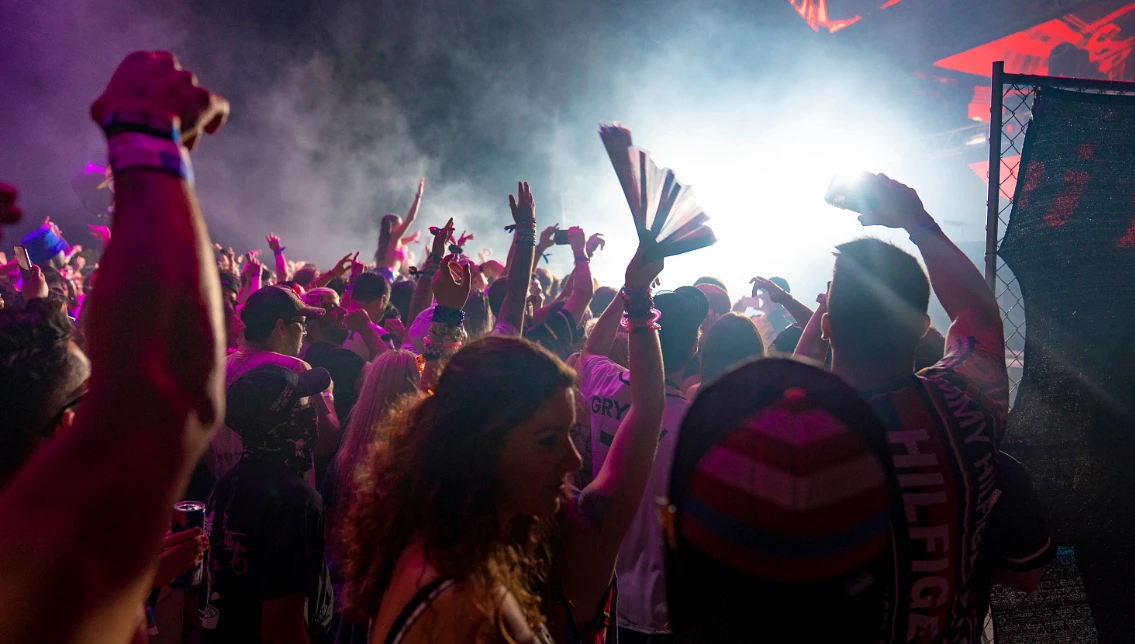
Coachella kicked off in 1999. These days, it's a staple of the US music circuit. A yearly Indio, California gathering that pumps out rock, hip-hop, and EDM. Origins? Trace back to Pearl Jam's 1993 Ticketmaster protest. That show got promoters Paul Tollett and Rick Van Santen to envision a desert fest.
Early years? Financially shaky. But Coachella blew up. It’s a cultural force now. The festival snags top-tier artists, rolls out massive art installations, and sets trends that ripple out globally.
Lollapalooza
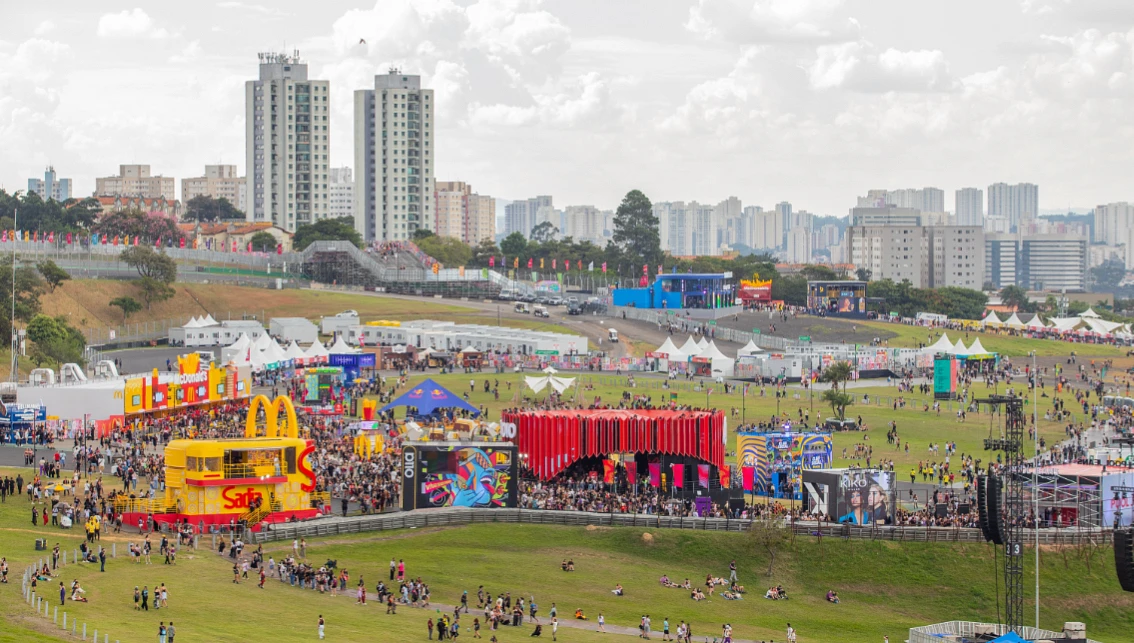
Lollapalooza started in 1991. It was just meant to be a final tour for Perry Farrell's band, Jane's Addiction.The whole idea? A traveling circus of sound. It bounced from city to city.. You'd get alternative rock, hip-hop, electronic beats—a real mix. It blew up fast, becoming a major cultural touchstone.
Lollapalooza quit touring in 2005. Now it's a Chicago mainstay, locked into Grant Park. Four days, around 400,000 people. Beyond the music, there's art, nonprofits, a whole vibe. That staying power plus the massive crowds? Makes it a big deal stateside. And its effect on music and festival culture worldwide? Clear as day.
South By Southwest (SXSW)
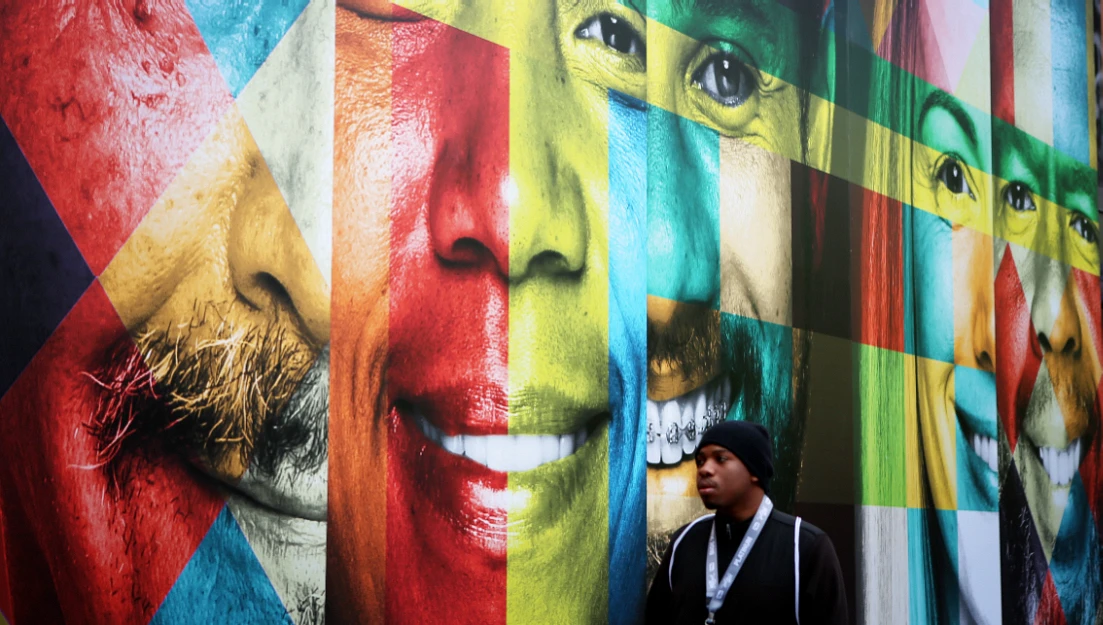
SXSW started in 1987. Just a local Austin music thing. Now? A global magnet for creatives. It takes over the city for roughly ten days every March. The schedule crams in thousands of musical acts. Film screenings. Tech presentations.
SXSW also organizes workshops and panel discussions designed to connect people. That's a core function—facilitating networking. The event has cemented its status as a career game-changer for many. It's also a prime stage for new technology, a regular debutante ball for the latest gadgets and code. This fusion of culture, business, and pure innovation is what the event is.
Electric Daisy Carnival (EDC)
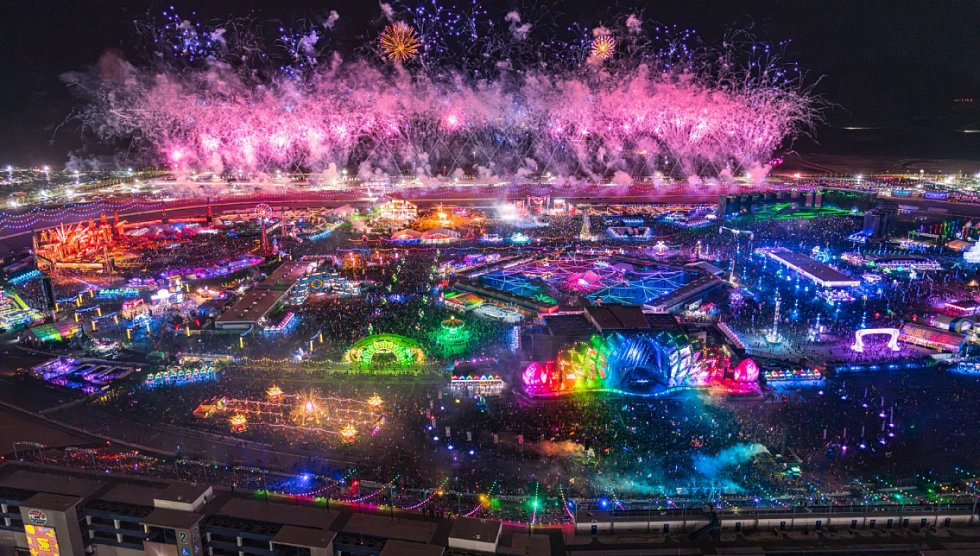
Electric Daisy Carnival, or EDC, started in 1997. Insomniac Events and its founder Pasquale Rotella launched it as an LA warehouse party. It has since exploded. The festival now takes over the Las Vegas Motor Speedway. Its lineup packs top electronic acts—everything from house and techno to dubstep.
Beyond the music, you find carnival rides, interactive art, and a sea of LED displays. EDC pulls in over half a million people. The event's culture is built on PLUR: unity, love, and radical self-expression. That vibe is the main attraction.
Other Notable Music Festivals
Beyond the big names, the US festival scene has other heavy hitters.
-
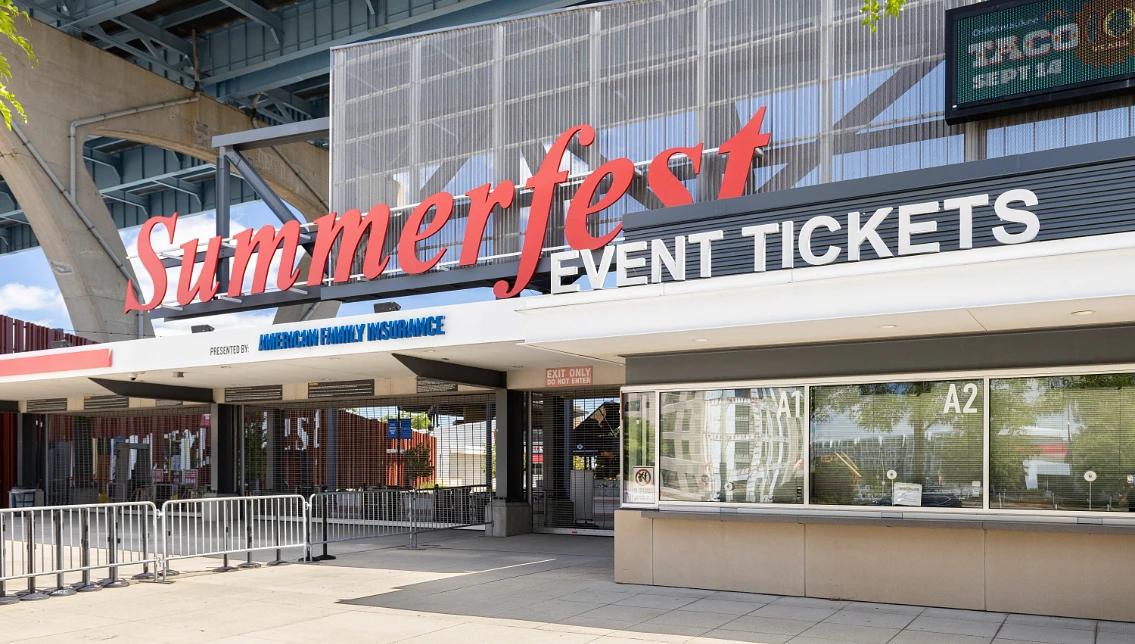
Summerfest in Milwaukee claims the title for world's largest by attendance. Over 11 days, its lineup spans practically every genre.
-
Miami's Ultra Music Festival is a big-deal electronic fest, a magnet for top DJs and huge crowds.
-
Austin City Limits in Texas packs a punch with rock, country, and hip-hop. It also includes programming for families.
-
New York's Governors Ball merges music with art and culture for a mixed lineup.
-
Then there's the Essence Music Festival in New Orleans. This event centers on African American music and culture, consistently booking influential artists.
Cultural and Traditional Festivals
New Orleans Mardi Gras
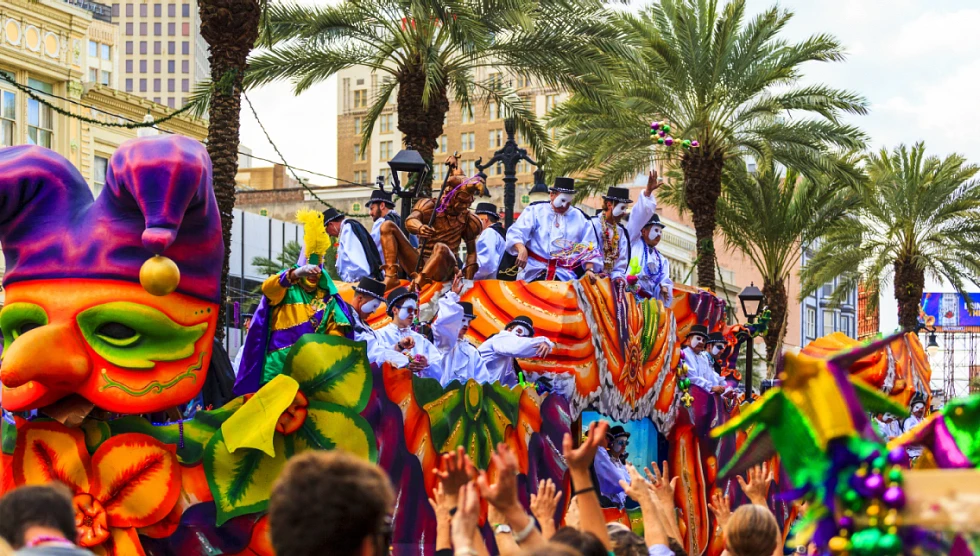
New Orleans Mardi Gras started in the early 1700s. It's the final blowout before Lent. The whole thing comes from French Catholic roots. Think parades—a riot of color, massive floats, masked balls. Crowds in costume score "throws." Beads, trinkets, the usual haul.
Krewes run the show; these social clubs orchestrate the events and processions. Music, dance, tradition all smash together. It pulls in over a million people. They flood the streets, swamp Bourbon Street. It's the city's heritage, loud and alive.
Albuquerque International Balloon Fiesta
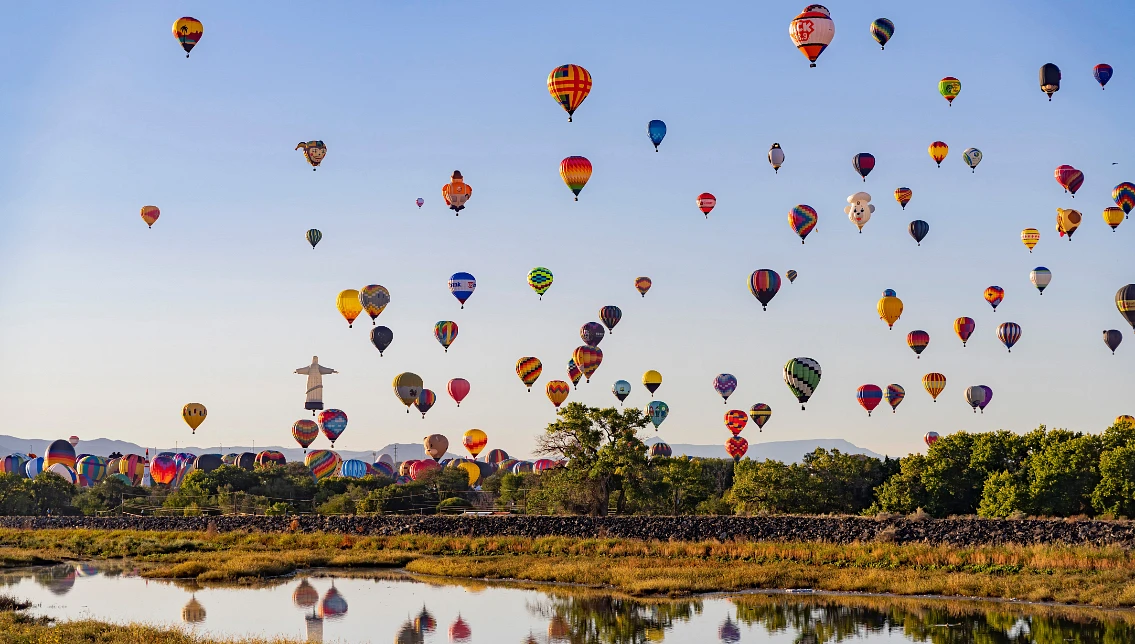
The Albuquerque International Balloon Fiesta launched in 1972. Just thirteen balloons back then. It absolutely owns the title now: the world's largest hot-air balloon event. That first week of October, the New Mexico sky just goes nuts. Think about 600 balloons. More than 700 pilots sign up for it.
The main event? Mass ascensions. Hundreds of balloons lift off at once. The sight is stunning. Beyond that, check out the Balloon Glow. Or the Special Shape Rodeo. The Night Magic Glow is another showstopper. It pulls in colossal crowds, all there for the ballooning craft. The vibe is totally family-friendly.
Other Cultural Festivals in the US
The US cultural calendar is packed. These events showcase the nation's diverse communities:
-
Pride New York, for instance, throws one of the planet's biggest LGBTQIA+ parties. The scene includes music festivals and rallies—a massive display of identity.
-
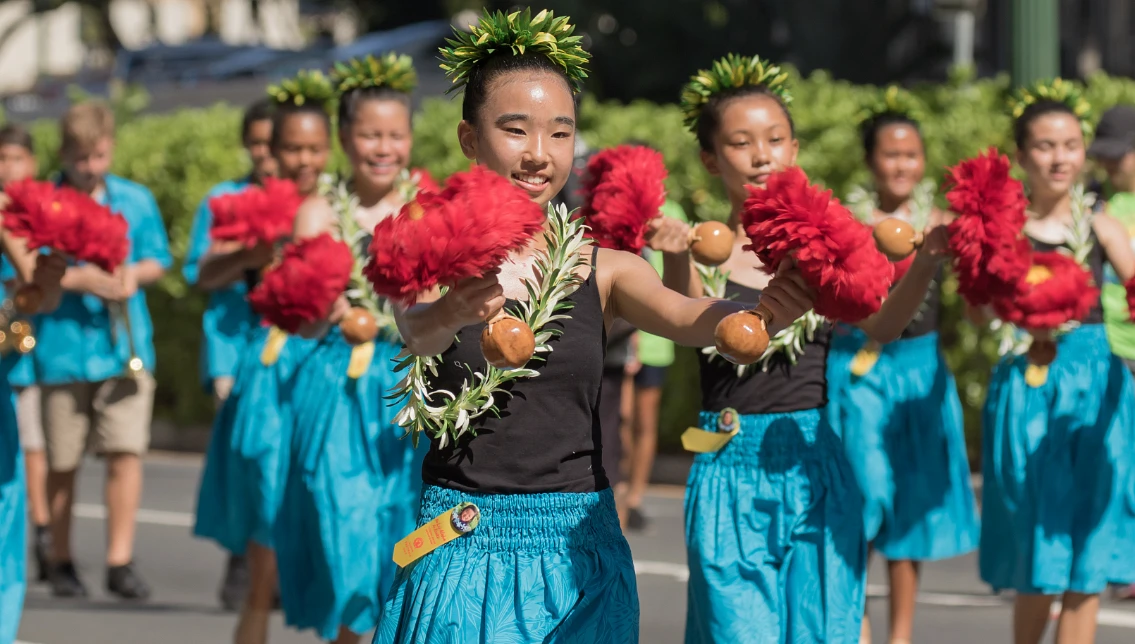
Over in Hawaii, the Aloha Festival is all about Polynesian vibes. Music and dance are central.
-
Other key spots include Houston's Japanese Festival, Texas's Colombiano Fest, and New Ulm's Bavarian Blast. Each one spotlights its culture, passing the vibe check with flying colors through food, music, and tradition.
Unique and Iconic US Festivals
Burning Man: community and creativity in the desert
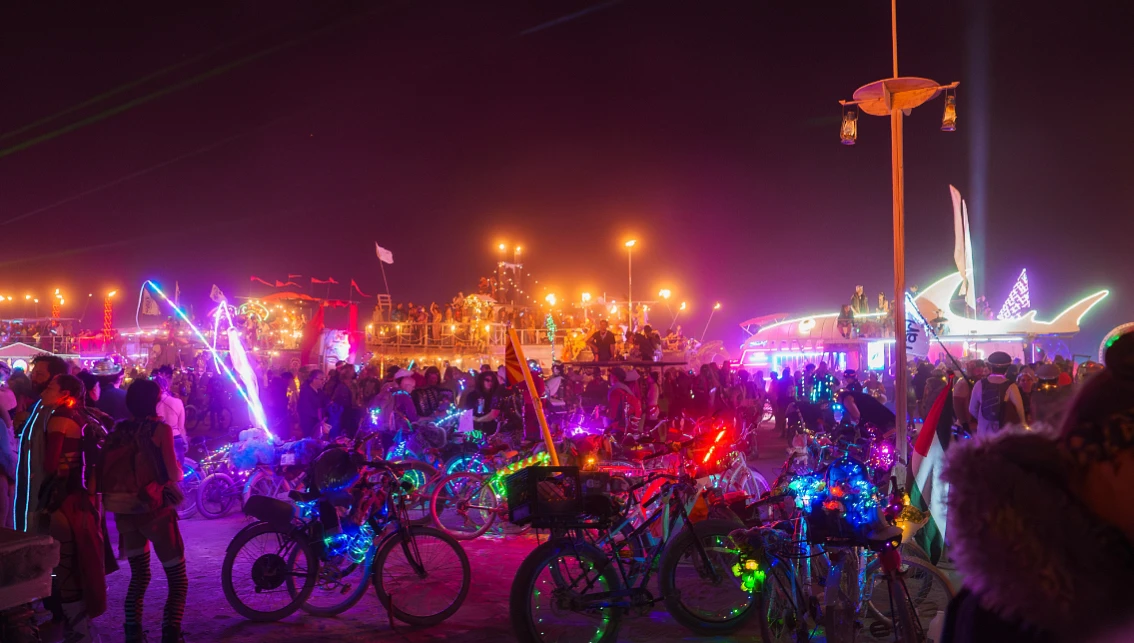
Burning Man defies the festival label. It's a social experiment. Originating in 1986 from a San Francisco bonfire, it now happens annually for one week in Nevada's Black Rock Desert. Participants, dubbed Burners, construct a full-scale temporary metropolis: Black Rock City. The scene centers on community and radical self-expression. Imagine massive art installations, impromptu performances, and a strong DIY ethos.
Core principles guide the culture: inclusion, a gifting economy, and leaving no physical trace. The event peaks with the burning of a giant wooden effigy. This act signifies release and communal bonds. The entire setup challenges conventional societal norms.
Sundance Film Festival: prominent film event
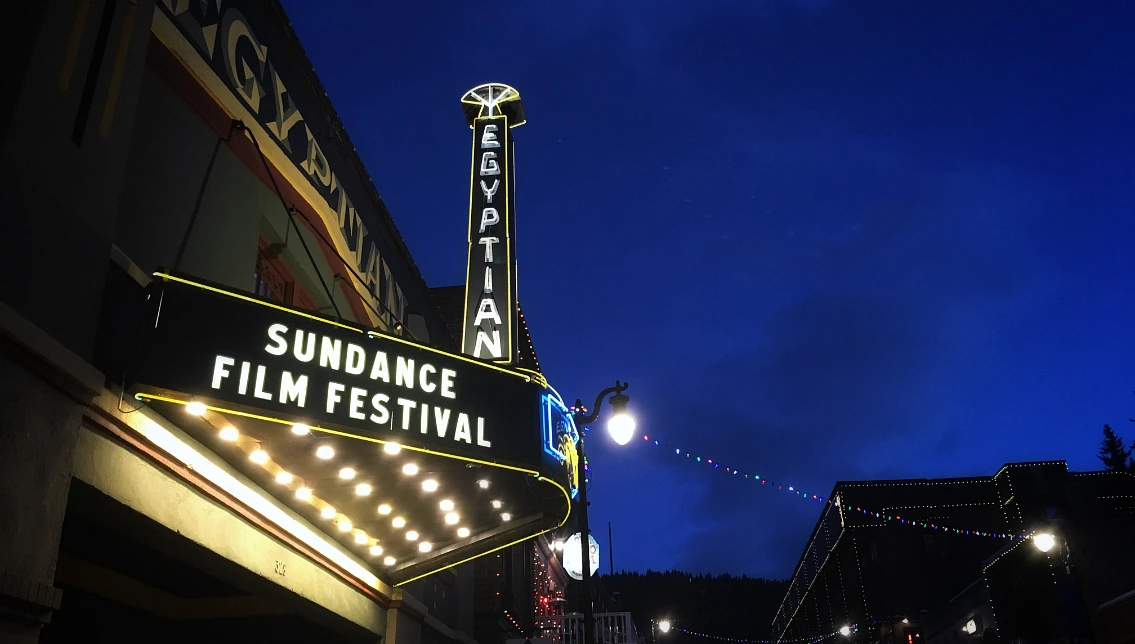
The Sundance Film Festival launched in 1978 as the Utah/US Film Festival. It's a premiere launchpad for independent film. Each January, the event completely commandeers Park City, Utah. Robert Redford later threw his weight behind it, rebranding the festival to support creators working beyond the Hollywood system.
The bet paid off. Sundance launched careers—think Tarantino, the Coens. They broke through here. Now? A global crush of directors, critics, and cinephiles flocks to Park City. The core mission hasn't budged: it backs creative gambles and amplifies unique voices. The festival keeps redefining indie film itself—what it is, what it can be.
❓FAQ❓
❶ What is the best time to buy tickets for US festivals to get the best prices?
Snag your fest tickets early. Like, 6 to 12 months out. That's typically when you lock in the lowest prices and primo spots.
❷ What are good accommodation options during festivals?
Choose to camp onsite, snag a nearby hotel or Airbnb, or opt for festival housing with shuttles.
❸ How should tourists prepare for weather and climate at festivals?
Scope local forecasts. Pack layers—desert festivals swing from hot days to cold nights. Bring rain gear if needed.
❹ What transportation options are available for getting to and from festival sites?
Need a ride? Consider renting a car. Uber and Lyft are also choices. Shuttles can be caught. If the train is running, take it. Or look for flight deals that come with shuttle service.
❺ Are there any safety or health tips to consider when attending US festivals?
Hydrate. Slap on sunscreen. Bring earplugs. Carry a basic first aid kit. Know where medical and emergency stations are.