







🎯Too Long; Didn’t Read
-
“Best” Oktoberfest in the US comes down to three things: real German-leaning beer and food, the crowd vibe you actually enjoy, and logistics you can handle (dates, tickets, weather, transport).
-
Want the biggest, loudest, most tent-heavy energy? Look at Cincinnati, Denver, and Milwaukee.
-
Prefer smaller places where you can walk everywhere and the festival feels more community-run? Leavenworth (WA), Fredericksburg (TX), and Helen (GA) are strong picks.
-
Families do better with daytime sessions, kid zones, and space to move; arrive early and keep it simple.
-
Food-focused travelers should chase variety (not just brat + pretzel), split plates, and go at off-peak hours to skip long lines.
-
Craft beer fans should treat Oktoberfest as lager season: Märzen, festbier, helles-style pours, plus local seasonal releases; pace with water.
-
Lodging strategy matters: stay walkable in big cities, book early in small towns, and plan your ride home before the event ends.
-
Pack for fall swings: comfy shoes, layers, rain backup, ID, and a small bag that won’t annoy you in crowds.
-
Pro move: show up earlier than you think, learn the festival’s token/payment setup fast, and don’t wing transportation at closing time.
What Makes an Oktoberfest in the US Truly “Best”
Authenticity: Beer, Food, and German Heritage
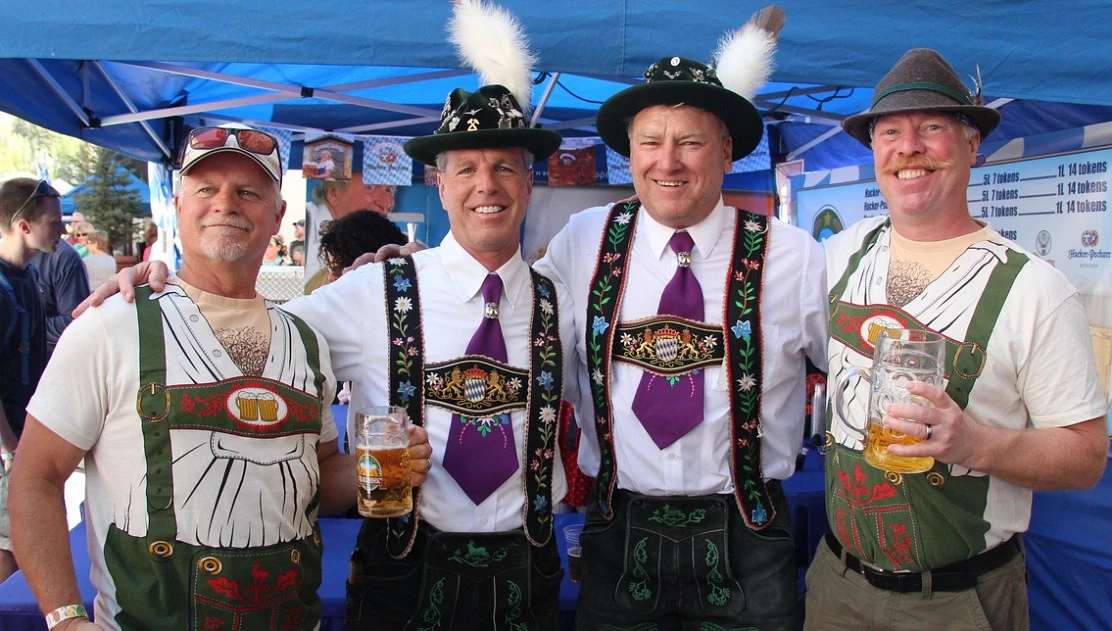
When a US Oktoberfest really clicks, it comes down to a few non-negotiables. The beer has to be right, which means proper styles like Märzen or festbier on tap, or at least local lagers brewed to keep that profile crisp and clean. That’s it.
Food matters, too. It needs to go beyond one sad pretzel. Sausages, schnitzel, potato dishes, maybe even strudel if they’re going all in. The effort shows when the menu actually reflects the traditions on the plate.
Then there’s the heritage part. That can show up in different ways: a German club running things, a neighborhood with deep immigrant roots, or partnerships with actual cultural groups. The point isn’t to replicate Munich down to the last detail. It’s about respecting where the whole thing comes from, not just using Oktoberfest as an excuse for another random drinking party.
Honestly, if the music leans toward polka and brass rather than just another cover band, that’s when you know they get it.
Scale and Vibe: From Mega Tents to Small-Town Gems
Crowd size totally flips the script on the whole Oktoberfest experience. Hit up a massive city celebration and it’s sensory overload - stages pumping out oompah from every corner, seemingly endless rows of tables, and that chaotic tent energy where you’re suddenly best friends with the strangers squished next to you. Then the headaches hit: the queues, the bag checks, scanning for your mates in a sea of lederhosen.
Flip it to a village do, and it’s way more chill. Easier to grab a beer, easier to breathe. It feels community-driven because it is - run by locals pulling pints, local dance troupes performing, stalls selling stuff from the region, not some corporate machine.
Bottom line: the right fest matches your crowd-tolerance and how chatty you feel after two steins. Hankering for constant motion? Head to the city. Keen for a proper chinwag? Park yourself in a village tent.
Timing, Tickets, and Travel Logistics
Despite the name, most US Oktoberfests actually go down in September or early October. Dates can be tricky - some events run for a couple weekends back-to-back, others just one. Either way, tickets might sell out, especially for timed-entry slots. Some fests are free to walk into but then you pay per beer token or if you want access to VIP tents or reserved seating.
Getting there takes some thought. City fests are usually fine without a car. Small-town ones often mean renting one and booking lodging way ahead. Weather’s all over the place this time of year - could be warm during the day, freezing by night. Worth checking rain policies too before you head out. If you’re flying in, aim for airports where ride-share runs late.
Top Oktoberfest Cities with the Biggest Celebrations
Cincinnati, Ohio: America’s Oktoberfest Powerhouse
Cincinnati’s Oktoberfest Zinzinnati ranks among the biggest, hands down. Marketing calls it the largest Oktoberfest in the US, and the scale backs that up. It swallows a chunk of downtown, pulling in thousands upon thousands.
Food lineup covers the usual territory: brats, sauerkraut, strudel. Events are dialed up for a crowd. Think multiple music stages, mass group dances, contests, and even a goofy dog race.
Admission is free. People can swing through for an hour or plant themselves for the long haul. Getting in and out smoothly takes some forethought; book rooms and figure out parking early. Recent years added one massive tent with long-table seating for anyone chasing the whole long-table communal thing.
Denver, Colorado: Mountain Views and Biergarten Energy
Denver’s downtown Oktoberfest is a throwdown that’s been running since 1969. It usually sprawls across two weekends. Keg bowling, stein hoisting, standard oompah music - it’s all there, staged around Larimer Street in the Ballpark District. Beer hall seating keeps things organized. General admission is free, so there’s no pressure to stick around if the crowd isn’t your vibe.
Pair it with a few brewery stops beforehand. Or make it the anchor for a day trip. Getting there is easier if you take the light rail or a rideshare; parking near Larimer is a headache. Evenings cool down fast, so bring a jacket. When the tents finally close, you’re already in the middle of bars and late-night food spots.
Milwaukee, Wisconsin: Beer Culture Meets Fest Traditions
Milwaukee doesn’t waste time showing its hand when it comes to beer. The city’s Oktoberfest at Henry Maier Festival Park plays that up hard, but it keeps the whole thing rooted in proper German tradition. Think beer, brats, music, and families sprawled out on the lakefront grounds.
The layout works. Entrances are obvious, and there’s room to actually move around without being packed in. They brought in Kegel’s Inn to handle the food side of things, which tells you the brats and schnitzel aren’t just an afterthought.
Here's a tip: book a room nearby. After a few steins, you won't want to deal with driving. And since the fest sits right there on the lake, you're already close to other stuff. Knock out a brewery tour, walk off the pretzels along the water, or hit a museum between sessions. No hauling across town to do it.
Small-Town Oktoberfests Worth the Trip
Leavenworth, Washington: Bavarian Village Aesthetic
Leavenworth sits in Washington’s Cascade foothills, a town built from scratch to look like a Bavarian village. Its Oktoberfest leans hard into that. The event runs on multiple weekends in October, and because it’s ticketed, crowd limits are actually enforceable - unlike an open street free-for-all.
There are beer gardens. There’s music. People dress up, but it’s low-key fun, not a contest. The real win is how walkable it is. Park the car when you roll in, then just hop between tents, shops, and food stalls on foot.
If you’re heading over from Seattle, book a room way ahead. Places fill up fast on peak weekends. Also, it’s a small town; don’t assume you’ll just walk into a dinner spot on a Saturday night without a reservation. That’s a rookie move. The compact setup is the whole point - keeps things easy.
Fredericksburg, Texas: Hill Country German Roots
Fredericksburg’s Oktoberfest pulls off a tricky balance. It’s got the genuine German connection, but the whole thing runs on a small-town scale that keeps it manageable. There’s enough going on to easily fill a day. The festival sets up at Marktplatz downtown. Multiple stages for music, a bunch of vendors, plus a dedicated area for kids.
Beer selection usually pulls in some imports but also cycles through American and regional brews. For those not after the lager, Texas wine is in the mix too.
Hit the fest during the day, then peel off for a drive through the Hill Country. Makes for a solid, low-key evening. It lands on the first weekend of October every year. Lodging and the shuttle situation require some advance work - things fill up.
Helen, Georgia: Oktoberfest in the Blue Ridge
You get options at Helen’s Oktoberfest. That’s the whole point.
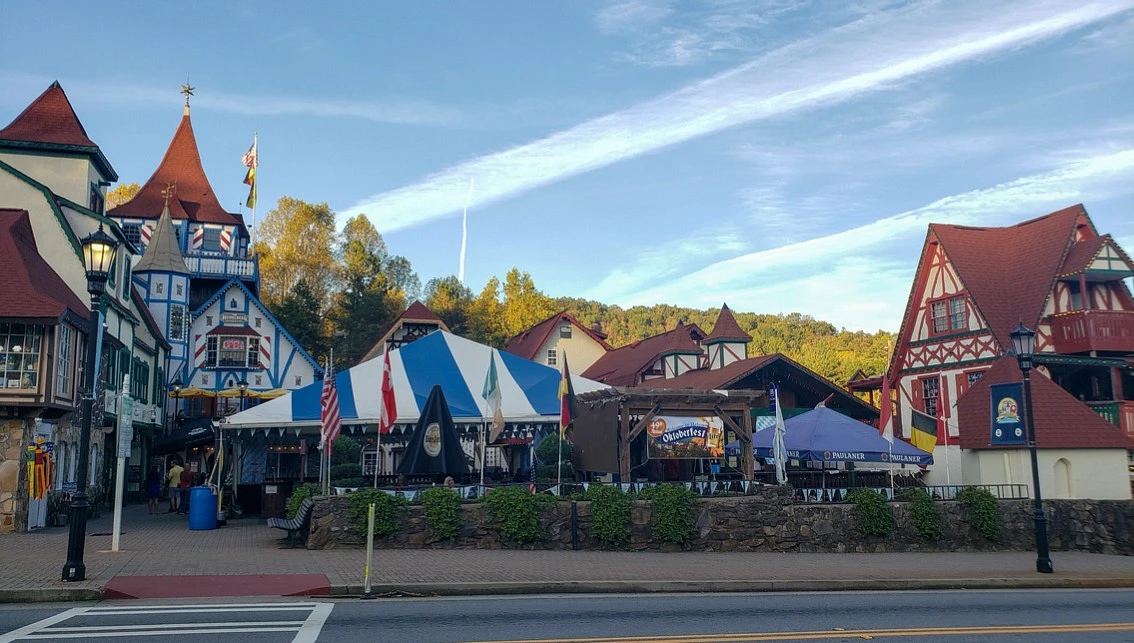
It’s a long runner at the Helen Festhalle, with a season that stretches deep into fall. The local chamber throws that stat around - longest-running Oktoberfest in the U.S. - and the dates usually back it up, running September into early November.
That extended schedule is the hook. It gives you the flexibility to pick your vibe: show up on a quieter weeknight or hit a weekend session when it’s packed out. The town itself fully commits to the German theme. That’s intentional. So filling your off-hours is straightforward - just walk around, grab a bite, head back. No scrambling.
If one-and-done events usually leave you wanting more, this setup solves that. One piece of advice: check the entry rules ahead of time. The mix skews depending on the night. Some evenings are clearly more adult, others are about the families.
Best Oktoberfest Picks for Different Traveler Types
For Families: Daytime Activities, Parades, and Kid Zones
Traveling with kids to a festival changes the definition of a good time. A "best" experience is less about the headliner and more about scoring daytime hours, having enough room to move, and finding activities that have nothing to do with standing in beer lines. The goal is parades, craft tables, bounce zones - anything that buys the adults a few minutes to breathe. Fredericksburg has a dedicated children’s area, and Milwaukee actively sells its family-friendly angle right alongside the beer hall stuff.
If hitting a big-city event, show up early. Beat the thick crowds. Pack a bag with snacks, wipes, and a small blanket in case the only seats left are on the pavement. Keep the plan loose. Catching one solid set and grabbing one plate of food can feel like a win. A stroller helps haul the gear, but the real MVP for loud stages is a set of hearing protection for the little ones.
For Foodies: Sausage, Pretzels, and Regional Twists
Approach Oktoberfest with a plan, but make it about the food. The goal is to prioritize variety over sheer quantity.
Cincinnati and Milwaukee do the expected well - the classics (brats, obviously). But the real wins are in the sides and sweets. Think potato pancakes, red cabbage, spaetzle, strudel. That’s where it’s at. Fredericksburg, Texas, adds its own spin, often blending German staples with Hill Country comfort food. Also, a heads-up: if the beer gets old, there’s wine.
Strategy is simple. Don’t commit to one dish. Order to share. One person grabs the sausage, someone else gets the fried thing, and another tracks down dessert. Hydrate in between rounds. It keeps the palate sharp enough to actually taste the food. For faster service, show up when the crowd isn’t there. And leave the cash at home; most vendors are card-only now.
For Craft Beer Fans: Local Märzens, Lagers, and Collabs
If you’re a craft-beer person, think of Oktoberfest as a lager season, not another IPA showcase. Look for Märzen, festbier, helles, or clean pils pours - styles built on restraint. Denver and Milwaukee are both strong beer cities, so it’s easy to tack on taproom visits before or after.
Check brewery schedules around the same week - many drop seasonal lagers then. Pacing matters. A stein is fun, but a flight might be smarter for tasting. Tip well - the staff moves fast. Grab water every round, especially if the beers lean higher in ABV.
How to Plan the Perfect US Oktoberfest Weekend
Where to Stay: Walkable Hotels vs. Scenic Getaways
Your lodging choice determines the whole weekend. In larger cities, prioritize walkability. A hotel near the festival zone, even with a higher price tag, eliminates parking hassles and post-show driving. It also makes an early exit simple. Cincinnati and Denver host their main events in dense districts, so that approach is practical.
But if the destination leans small-town, the dynamic shifts. A scenic cabin or inn can become part of the experience. That requires a solid plan for transit to and from the festival grounds. In places like Leavenworth or Helen, booking early is essential for a central location.
Always verify minimum-stay requirements. And for light sleepers, asking about potential noise is a smart move.
What to Wear and Pack: Dirndls, Layers, and Rain Plans
Comfort first, always. Pick whatever feels good to wear, then throw in a theme element if you’re into that. Lederhosen and dirndls show up a lot, but nobody gets to decide what you should or shouldn’t have on.
Footwear is the real priority. The ground could be pavement, grass, or the floor inside some tent, and you’ll be on it for hours. Grab layers. Afternoons might be mild, but night shifts the temperature fast - Denver’s a good example. If rain’s even a possibility, bring a small jacket and a way to keep your phone dry.
Go with a crossbody bag. Backpacks are a headache when things get crowded. Keep your ID accessible; they check constantly, regardless of how old you look. Toss earplugs in there, plus a backup card. Cash is becoming less of an option.
Pro Tips: Tent Strategy, Transportation, and Safety
Getting the most out of Oktoberfest takes a little planning, not a lot. Get there earlier than you think necessary. That’s the move for grabbing a table, skipping the worst of the lines, and dealing with less of that sardine feeling once the crowds really show up.
Before ordering anything, figure out how the token or payment system works. Some places run separate lines just for refills. Saves the confusion. To get to the grounds, public transit or a rideshare app beats circling for parking. Inside, pick a spot to meet up - something obvious - because groups almost always split up.
For the big one, Zinzinnati, the crowds are a given. A smart play: schedule bathroom runs. Don’t wait until it’s an emergency. Also, pace yourself. Eat something. Drink water. Picking one or two things from the menu and sticking with them makes a huge difference.
Know the exit strategy before the last song hits. If someone drove, that person stays sober. No exceptions.
❓FAQ❓
Do I need to buy tickets in advance?
It depends. For events that limit capacity or offer VIP seating, buying ahead is smart. Also, look into whether evening sessions, concerts, or reserved tables require their own tickets.
Are there any 21+ only Oktoberfests in the US?
Certain fests or time slots have age limits because of alcohol laws. Check the event page for "21+ nights" or "adults-only sessions."
Are the beers actually German, or mostly local?
That depends on the fest. Some stick to imported German beers, others go local, and plenty offer a blend. If it matters to you, peek at the tap list or sponsor lineup.