







🎯Too Long; Didn’t Read
-
Pacific Northwest picks: Portland (OR) for endless variety, Seattle for polished IPAs/lagers + city sights, Bend for outdoors + patio culture.
-
Mountain picks: Denver as a flexible hub/basecamp, Asheville as a scenic craft getaway, Bozeman for small-scene authenticity.
-
Midwest picks: Chicago for big-city variety, Grand Rapids for dense “weekend-friendly” hopping, Milwaukee for heritage + modern craft momentum.
-
Northeast picks: Boston for pub culture + craft, Portland (ME) for compact world-class focus, Philadelphia for neighborhood beer + standout food.
How We Chose the Best Beer Cities
This guide focuses on cities where finding great beer and soaking up the associated culture is a reliable bet, not a happy accident.
-
The baseline is quality. Brewing needs to be clean, recipes should be balanced, and freshness isn't negotiable.
-
From there, it’s about range. A top-tier destination doesn’t lock into a single trend; there’s payoff in chasing a crisp pilsner, a funky saison, a bitter West Coast IPA, a juicy hazy, or something dark and oaky out of a barrel.
-
Practicality plays a role - walkable districts, decent public transit or cheap rideshares, enough spots clustered together to fill a long weekend without burning out.
-
Then there’s the deeper scene. Places with rotating taps, a sense of local collaboration, bottle shops with curated stock, and food that genuinely works with the pint rather than just sitting next to it.
Pacific Northwest Powerhouses
Portland, Oregon: A Brewery Wonderland
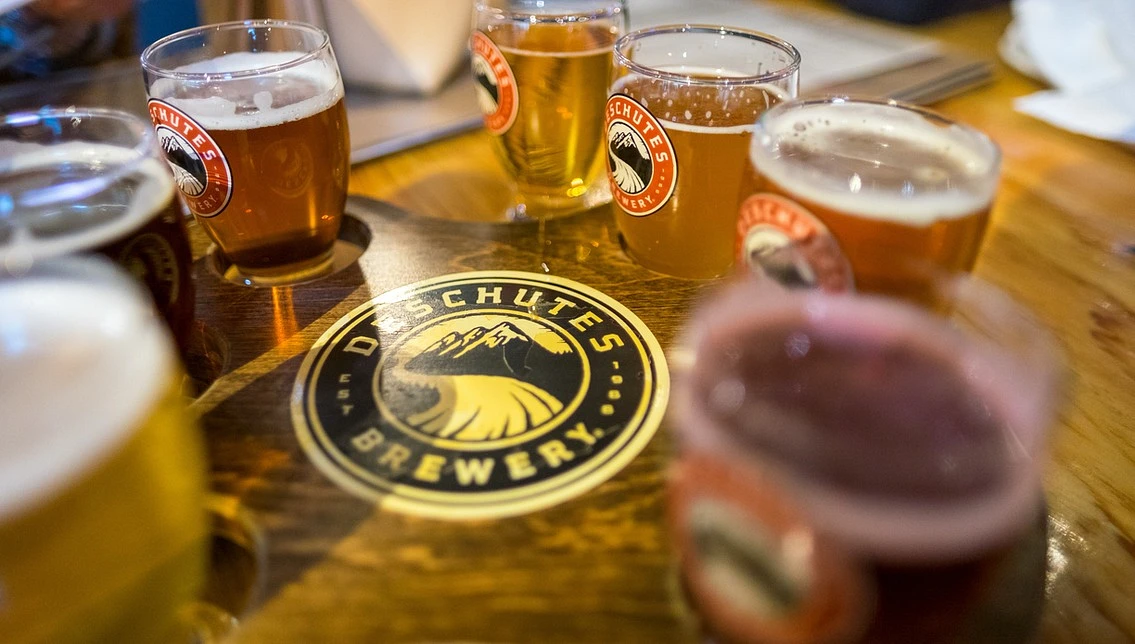
Portland’s layout makes sense for a bar crawl. Brewery taprooms are stitched right into residential blocks or tucked away in industrial strips, so bouncing between them doesn’t require a master plan. The range is the main draw. One stop might be a pioneer that’s been around for decades; the next is a tiny operation in a garage taking big swings. It’s easy to go from a straightforward pilsner to something funky, then shift to a hazy IPA that was canned maybe two days ago.
The key is pacing. Pick a quadrant, keep the walk short, and let the city’s casual, mobile food scene do the heavy lifting. Food trucks are never more than a few minutes from any taproom, offering a perfectly timed gut check. A quick afternoon loop often ends up in a conversation that stretches way past last call.
Seattle, Washington: IPAs, Lagers, and Waterfront Sips
Seattle’s beer scene has a polish, but not the sterile kind. Taprooms get the little things right. Good glass. Menus set up for easy sampling. Attention to detail that doesn’t feel forced.
Modern IPAs and clean lagers are the headliners here. Done with confidence. But dig around, and the depth shows - saisons, dark beers, oddball one-offs that keep things interesting.
Neighborhoods do the heavy lifting. Pick a district packed with breweries, knock out a day there. Then switch it up. Hit a more eclectic area where bars and restaurants expand the draft list beyond any one house style.
Works for mixed-interest trips, too. Views, markets, ferries, museums - all pair fine with a structured tasting plan. Beer can carry the day or just fill in the gaps.
Bend, Oregon: Small City, Big Beer Energy
Bend exists where a passion for the outdoors meets an obsession with craft brewing. The town is small, looks good, and encourages a pace where afternoons lead naturally to a patio and someone grabs a beer. That beer matches the scene - pale ales with some brightness, IPAs that taste fresh, lagers that stay crisp, and seasonal batches brewed for whatever adventure just finished.
A good day works like this: hike a trail, float the river, ski a run, or just wander; then hit a brewery loop that pairs an established taproom with somewhere smaller doing weird, experimental stuff. The scale of the place lets the experience breathe. No rush. Beer becomes part of the setting - satisfying, not trying too hard, and arriving right when it should.
Mountain & High-Altitude Beer Capitals
Denver, Colorado: The Gateway to Colorado Beer
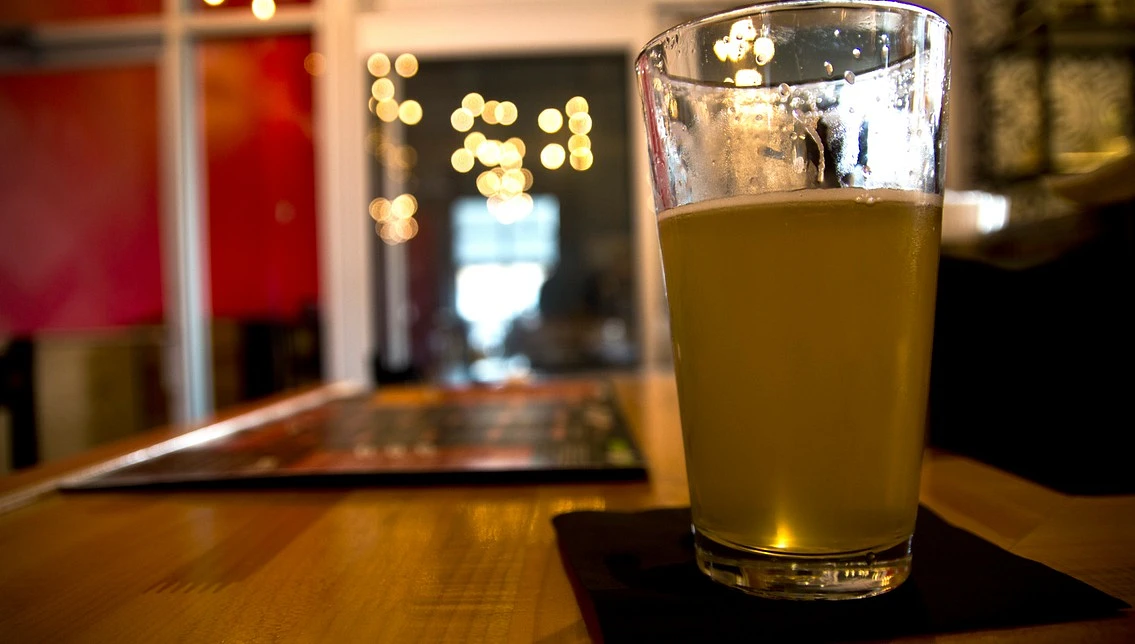
Denver works as a basecamp, a place where a trip can go a few different directions. Want a dense city crawl? That’s easy. More into a weekend hitting bars? Also easy. Or maybe Denver is just the starting point for exploring beer further out in Colorado. The city itself has solid versions of just about everything - hazies, West Coast IPAs, lagers, stouts, experimental stuff - and they’re usually close together.
The real upside is how flexible it is. Pick a neighborhood and build from there. Toss in a ballgame or a show or a museum to break it up, keep the pace comfortable. Breweries here also tend to collaborate and push each other, so tap lists don’t go stale. The whole trip scales up or down depending on what kind of energy you’ve got.
Asheville, North Carolina: A Craft Destination in the Blue Ridge
Asheville pulls off a neat trick: it’s a proper beer city, but it still feels like a vacation. The breweries function more as destinations than just places to grab a pint. Think patios with a view, an atmosphere that makes it hard to leave, and a beer list that runs the gamut. Juicy IPAs and big stouts are easy to find, but there's room for saisons and farmhouse ales, too - brewers are doing cool things with mixed-fermentation projects.
Planning a trip is straightforward. Can pair a hike or a walk along the river with a couple of taprooms. The whole point is to keep things slow. It works for groups, as well. Most spots put a real emphasis on the food and the hospitality side of things. And if someone in the crew isn't into beer, no big deal - the city’s got cider, decent cocktails, and non-alcoholic stuff covered. Beer is the thread that ties the trip together, but it doesn't take over. Leaves the impression of having visited an actual place, not just checked off a list of breweries.
Bozeman, Montana: Emerging Scene with Local Character
Bozeman’s brew scene isn't trying to be the biggest. It leans on character and a feel that bigger cities often lose. The whole beer thing here is low-key and personal. Taprooms function as actual social spaces. People just start chatting, and if someone’s telling you about a beer, it’s probably the story behind it, not some corporate pitch.
The beers themselves fit the place. Clean lagers show up on sunny days. Heartier ales are there when it’s cold. Seasonal stuff follows what’s going on locally.
A trip to check out breweries works best when it’s slotted into a bigger day. Maybe after skiing, a hike, hitting some hot springs, or a long drive with nothing but sky. That way, the breweries feel like a payoff, not the main chore. Bozeman makes the case that “best” is about being memorable, not massive.
Midwest Icons and Modern Classics
Chicago, Illinois: Big City Variety, Serious Craft
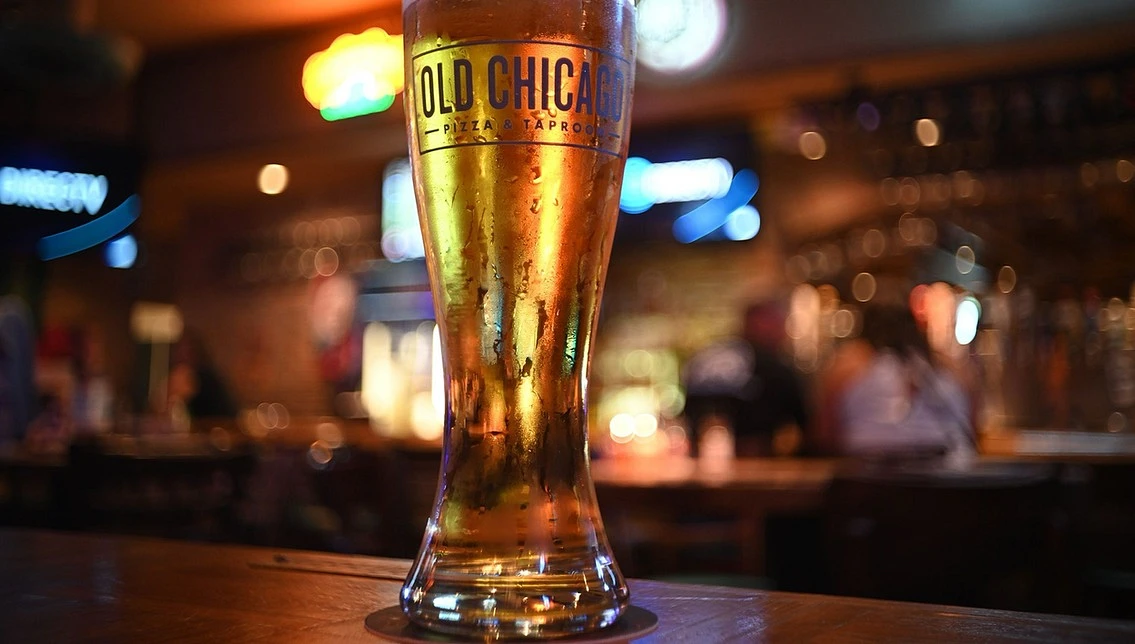
Chicago hands travelers options, and plenty of them. Size translates into diversity. Someone can spend a weekend hunting down hyped limited releases, work through traditional European-inspired lagers, or zero in on barrel-aged dark beers. Another visitor might prefer building a tasting itinerary style by style, never repeating. Neighborhoods carve the city into manageable chunks, each with its own roster of taprooms, beer bars, and food spots where a pint fits right in.
That dining culture gives Chicago an edge. Beer integrates naturally, whether it’s a quick bite between stops or a long meal built around a curated draft list. Smart transit use helps. Themed days help. Leaving room for spontaneity helps. The “best beer city” reputation sticks because the city itself never slows down.
Grand Rapids, Michigan: “Beer City” Energy Done Right
Grand Rapids is compact. That’s its secret. Breweries are packed in tight, so nobody’s wasting hours just getting from one taproom to the next. The whole setup is low-key welcoming. People aren’t standing guard over some velvet rope; it’s more about pulling up a stool and seeing what’s on tap.
The focus stays on beers that actually taste good. Drinkable, consistent, right across the board. You want a sour, a hazy IPA, something with pastry adjuncts - fine. It’ll probably be solid. Maybe even memorable. The tap lists have enough weird experiments floating around to keep things from getting stale, but the baseline is always quality.
The best move is to lean into the trail logic. Plot a few spots within walking distance, maybe toss in a serious beer bar to round out the options. The city moves at a comfortable clip. No one’s rushing anyone. A few perfect pours in a flight happen as often as some hype-beast limited release nobody can actually try. Pacing is everything. Grand Rapids understands that.
Milwaukee, Wisconsin: Historic Roots, New Craft Momentum
Milwaukee’s been in the beer game for a long time. That history gives the current scene some real depth. The legacy is there in how naturally beer fits into everyday life here, but it doesn’t overshadow what’s new. It makes sense for a traveler who wants a 'then and now' kind of trip. Start with the old guard - the landmark bars and classic dives. Then switch over to the small operations pushing seasonal stuff and modern styles.
The bar culture itself does a lot of the work. Curated draft lists. Comfortable spaces. No pretension, just good beer. Expect solid lagers, balanced ales, and a lot of seasonals meant for passing around. Yeah, the city blends its old momentum with the new. That’s the trick.
The Northeast Corridor: Innovation and Tradition
Boston, Massachusetts: Taprooms, Pub Culture, and Coastal Classics
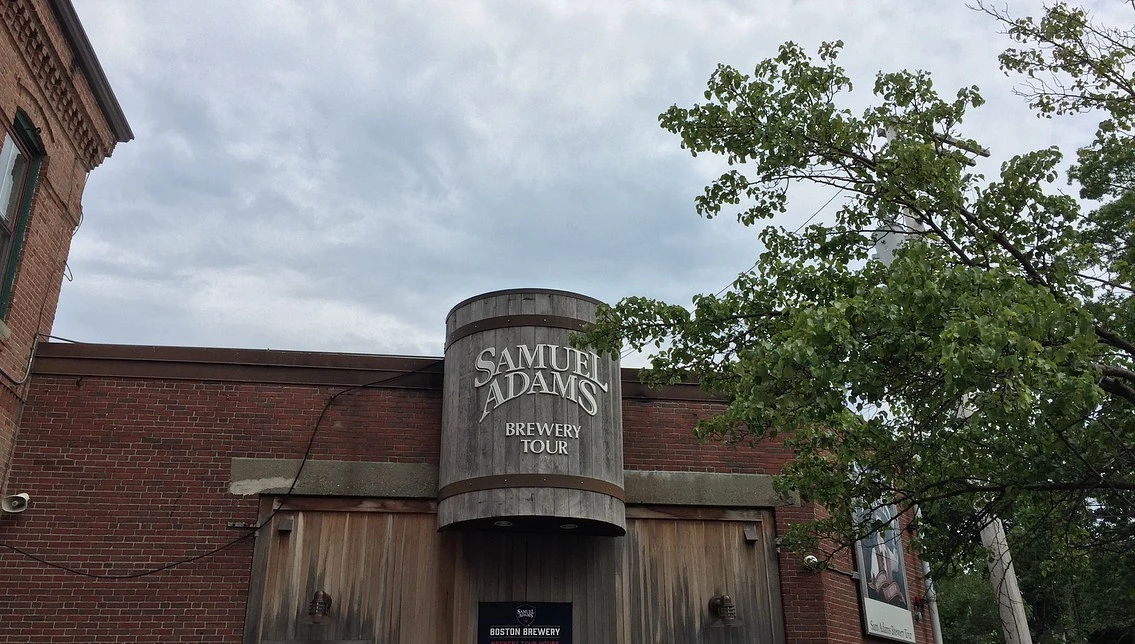
Boston runs on beer. The city has deep roots in pub culture - the kind where the pint is poured right and the bar feels like a proper place to be. That tradition hasn't faded; it just expanded. Now the old neighborhood spots sit alongside modern taprooms, which means two completely different ways to drink.
One day could be a brewery crawl through industrial spaces with fermentation tanks in the back. The next could be old-school bar-hopping, wood paneling and all. The layout of the city helps. Walk a few blocks, hit a taproom, check out the waterfront, grab food, find another spot. The drinking flows into everything else.
Style-wise, it covers the map. Crisp lagers for easy drinking, hop-forward stuff for the IPA crowd, seasonal New England styles when the weather calls for something heavier. It matches what people around here actually want to drink.
Good for groups, too. Not everyone needs to care about beer. There are restaurants, markets, historic sites. Enough to keep the whole trip moving without it revolving entirely around the next pint. But if the history and the architecture and the sense of place matter just as much as what's in the glass, Boston taps into all of it.
Portland, Maine: Small City, World-Class Beer Focus
Portland, Maine is physically small, but it packs a serious punch when it comes to beer. A weekend here feels full because everything’s close, and the quality is tough to beat. Brewery hopping is easy to pull off on foot, and for the spots a little farther out, a quick ride gets the job done.
The beer itself leans fresh and crisp. Hoppy stuff that actually pops, lagers that just taste clean, and farmhouse styles that fit right in with that coastal thing the city has going on. Food’s just as important - solid restaurants and low-key spots mean drinking and eating weave together naturally. The move? Hit the water, swing through a few taprooms during the day, and end up somewhere with a draft list that gets as much attention as the food.
Philadelphia, Pennsylvania: Neighborhood Beer, Food, and Culture
Philly's beer scene works because it's not separate from the city; it's built into the neighborhoods. This isn't about hopping from one isolated taproom to another. It’s about moving through different districts, each with its own vibe, and hitting a mix of places - breweries, sure, but also old-school bars and solid food spots that turn a drink into a whole outing. The whole point is pairing a beer with something good to eat. Could be a no-frills cheesesteak, could be something fancier.
The city's big enough to have range but compact enough to tackle without a car. Smart move is to pick a couple neighborhoods for the day and just go with it. Itinerary usually has two gears: hit tastings and bottle shops during the day, then settle into a bar with a strong taplist at night. Feels less like a checklist and more like just being in Philly.
❓FAQ❓
When is the best time of year to visit beer cities in the US?
Spring and early fall often offer the best balance of weather, patio season, and packed taproom calendars - plus fewer holiday crowds.
What’s the best way to bring beer home legally and safely?
Ship only through licensed services when allowed, or pack cans in sealed bags and padded clothing in checked luggage - then confirm airline rules and local laws.
How can I avoid ending up at tourist-trap breweries?
Scan recent reviews for freshness and consistency, look for tap lists with clear style descriptions, and prioritize places that locals recommend in beer forums.