







🎯Too Long; Didn’t Read
-
Spring offers thinner crowds and better deals. Catch is, the weather gets dicey. One minute it’s mild, the next you’re in a snow flurry. Park services are still waking up, so some roads or facilities might be closed.
-
Summer means full access. Every road, tour, and park is operational. Daylight stretches forever. You pay for it, though—in cash and personal space. It’s packed and pricey.
-
Fall brings a quieter vibe. The summer masses have left. It’s a solid choice for driving or hiking. But days shorten quickly. By late September, early closures for weather can start. Have a backup plan.
-
Winter is for snow sports. Skiing, snowshoeing—you get the idea. Visitors are scarce. Downsides are serious cold, challenging driving conditions, and major access restrictions across the parks.
Your choice depends on priority. Want total accessibility? Summer’s your only bet. Prefer breathing room and a slower trip? Aim for spring or fall.
Regardless of season, smart logistics are non-negotiable. Distances between points are vast. Pack clothing you can layer. Top off your fuel tank well before it’s empty. Always, always check the latest park alerts for road status and entry requirements before you head out.
Montana is huge. That matters when you’re trying to pick the “best” time to visit, because the state doesn’t act like one single destination. Western Montana can feel like a totally different trip from the eastern side. Mountain towns, open prairie, lakes, national parks, ski areas, college cities, tiny ranch communities—it’s all in the same state, but the timing that works for one plan can be wrong for another.
So here’s the real answer: the best time to visit Montana depends on what you want to do and how much you can tolerate crowds, closures, and weather changes. Summer gives you the most access, but it can be busy and pricey. Spring and fall can be way calmer, but you’ll have to work around what’s open. Winter can be amazing, but it’s not “show up and wing it” season.
This guide breaks it down by season, with a big focus on access to national parks, crowd levels, and what each time of year is actually good for.
Spring
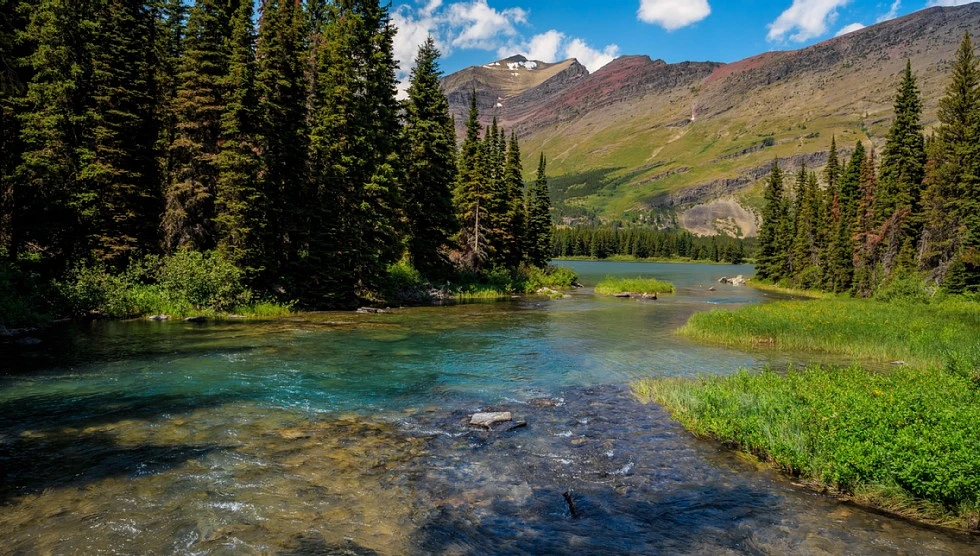
Less people, more room to roam
Spring is the season for people who want Montana without the peak-season intensity.
You’ll usually get:
-
Easier lodging availability (compared with summer)
-
Less traffic in popular places
-
More breathing room on trails that get packed later
But spring is also when Montana is half awake. Some services are running, some aren’t. Some roads are clear, some are still a mess. If you want a trip with lots of flexibility and you don’t mind adjusting the plan as you go, spring can be a strong move.
And yeah, you’ll sometimes have entire scenic areas that feel quiet in a way that’s hard to get in July. Not empty. Just… not chaotic.
Weather: expect mood swings
Spring weather in Montana is unpredictable. Not “lol it might rain” unpredictable. More like: warm-ish afternoon, cold morning, surprise snow or wind, then sunshine again. If you’re coming from somewhere stable-weather, spring can feel chaotic.
So you pack differently:
-
Layers, always
-
A waterproof outer layer
-
Shoes that can handle mud and slush (not just cute sneakers)
Also, spring is when roads and trails can be soft. Melting snow plus rain can turn easy walking areas into muddy stretches fast. The move is to stay flexible and not build your whole trip around one exact hike.
National parks: timing matters a lot
If national parks are your main reason for coming, spring is where timing can make or break your trip.
For Glacier National Park, the big one is Going-to-the-Sun Road. There’s no set opening date for the alpine part over Logan Pass, and it depends on snow and plowing progress. The National Park Service says it’s typically fully open by early July.
So if you show up in spring expecting the full Glacier road-trip experience, you might be early. You can still have a great visit—lower sections of the road stay open year-round, and there are plenty of accessible areas—but spring is not a guarantee for full-park driving access.
Spring is better for:
-
Lower-elevation hiking
-
Scenic driving where roads are open
-
Quiet towns near the parks
-
Photography and general exploring without heavy crowds
If you’re trying to do “every iconic Glacier thing in three days,” spring can be frustrating. If you’re cool with a slower, flexible trip? Nice.
Summer
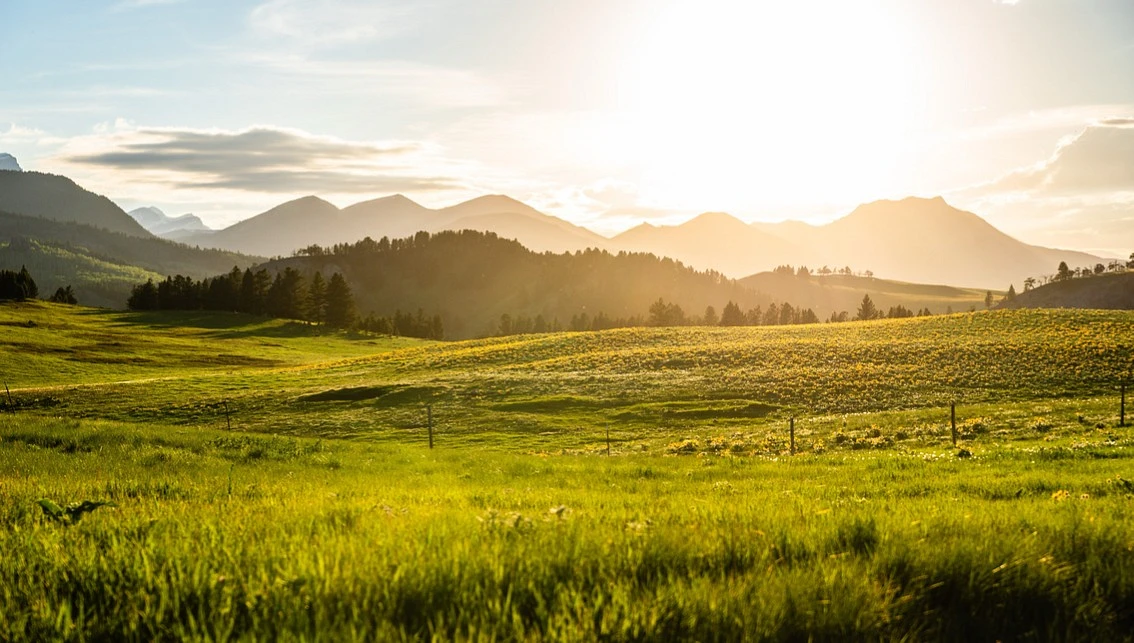
Big access, big demand
Summer is the easiest season to plan because Montana is mostly “open for business.” Roads are clearer, trail access is broader, park facilities are running, and you don’t have to guess as much.
But it’s also peak demand.
Summer tends to bring:
-
Heavier traffic in national park areas
-
Higher lodging costs
-
More competition for campsites
-
Packed trailheads at popular times
If your trip vibe is relaxed mornings and spontaneous decisions, summer can fight you. Not impossible. Just more work.
Also, summer in the northern Rockies can come with wildfire smoke in some years, depending on conditions. That risk is real enough that it’s worth keeping in mind if you’re sensitive to air quality.
National parks: best coverage, busiest months
If you want the most complete national park access, summer wins.
For Glacier, the NPS notes the road over Logan Pass is typically fully open by early July. That’s when the full “drive across the park” plan becomes more reliable.
And because summer is popular, park systems can change how you enter or move around. For example, Glacier has used timed-entry vehicle reservations in recent years during peak season (the exact dates and rules can change year to year, so you have to check the current NPS page when you book).
If you’re also looking at Yellowstone (and entering through Montana), summer is when standard road access is at its simplest. The park is fully in “normal vehicle travel” mode, unlike winter.
Bottom line: summer gives you the most predictable park access. It also gives you the most competition for that access.
How to make summer feel easier
Summer Montana can be great… if you don’t treat it like a casual weekend trip.
Ways to keep it from feeling like a stress-fest:
-
Start early on purpose. Not “I might wake up early.” Actually do it. Popular park areas fill up fast.
-
Stay just outside the busiest zones. You don’t need to sleep inside the park to have a solid trip. Nearby towns can be easier and sometimes cheaper.
-
Commit to a few anchor plans, leave space around them. One big hike, one scenic drive, one town day. You don’t need to max out every hour.
-
Check official park updates. Road construction, closures, shuttle changes, entry rules—these can shift. Glacier’s own site is the best source for Glacier logistics.
And if you’re trying to save money, summer is usually not the sweet spot. You can do it, but you’ll be doing more planning and less coasting.
Fall
Crowd levels: way better than summer
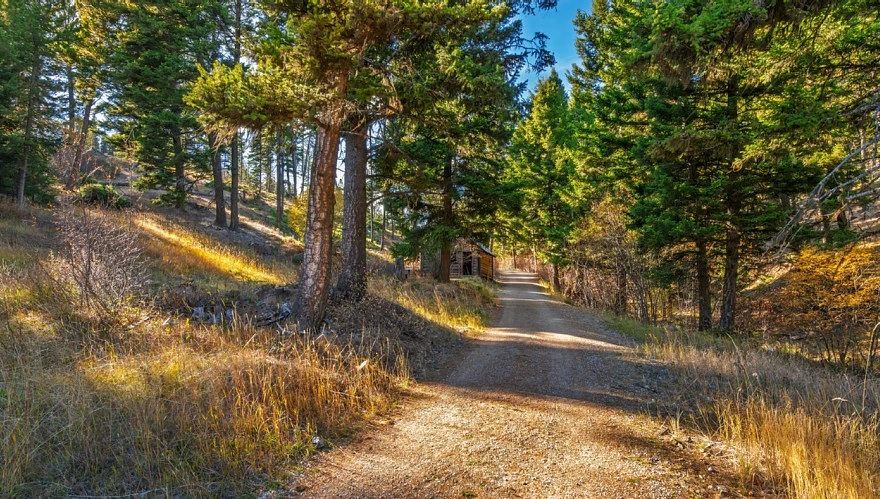
Fall is a favorite for a reason: the crowds usually drop off compared to summer, but you still get a lot of access—at least early in the season.
You’re more likely to find:
-
Easier parking
-
More lodging choices
-
A less hectic pace in popular towns
Lonely Planet calls the shoulder season (September–November) the best time to avoid crowds. That tracks with how Montana travel actually feels: fewer family vacation trips, fewer long summer-road-trip itineraries, less “everything is booked.”
This is the season where you can show up and not feel like every other person in the state had the same idea.
Parks are open… until they aren’t
Fall is awesome, but it comes with one catch: the window can close fast.
In national parks, fall can mean:
-
Reduced services as the season winds down
-
Some areas shifting to limited hours
-
Higher chances of weather-related disruptions later in the season
In Glacier, once winter mode starts rolling in, access changes quickly. Even if you’re not in deep winter conditions yet, you’ll feel the transition.
Fall planning needs a bit of realism:
-
Early fall is smoother
-
Late fall is quieter, but more limited
If you’re trying to do a lot of driving and you care about full road access, don’t leave everything to late fall and hope for the best.
What fall is best for
Fall is a strong choice if your goals look like this:
-
Hiking without the summer crowd pressure
-
Scenic drives with less traffic
-
Town-hopping (Bozeman, Missoula, Whitefish, etc.)
-
Photography and relaxed exploring
-
Budget-conscious travel compared with peak summer (often, not always)
It’s also great if you like the idea of a trip that’s active but not jammed. You can actually grab dinner without waiting forever. You can find a parking spot without making it your life’s mission.
Fall is less about “doing everything” and more about doing the right things, at the right pace.
Winter
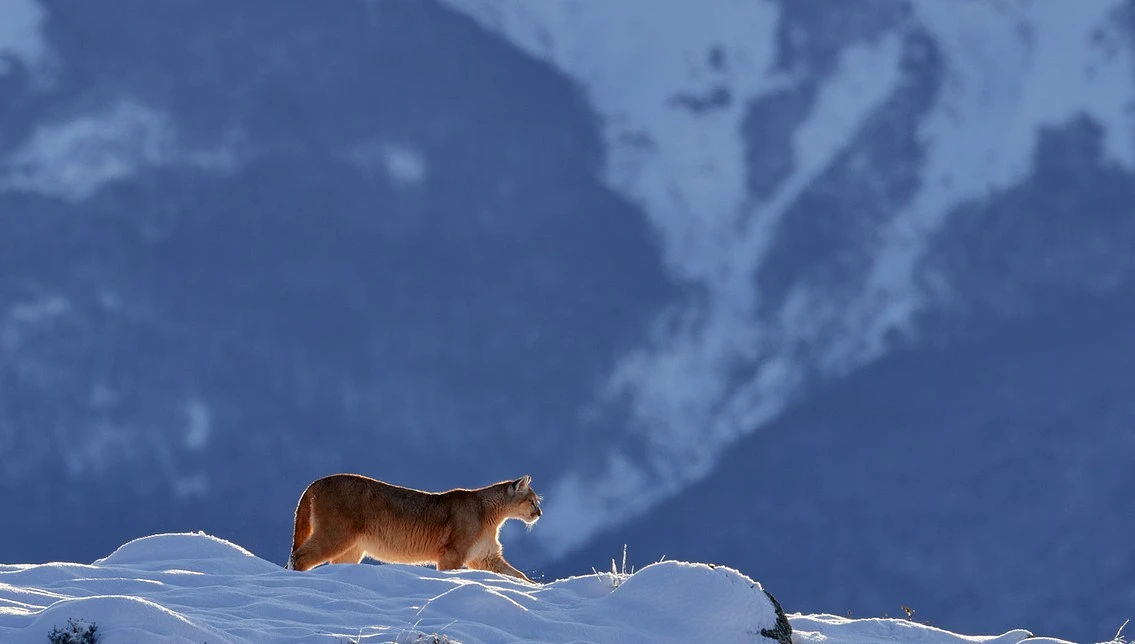
Winter in Montana: awesome, but not for everyone
Winter Montana is not one-size-fits-all. It’s a different state in winter.
If you want:
-
Snow sports
-
Cozy town weekends
-
Quiet park views (from the parts that are accessible)
-
Cold-weather photography
…winter can be a win.
If you hate:
-
Driving in winter conditions
-
Shorter daylight
-
Planning around closures
…then don’t force it. You’ll be annoyed the whole time.
Winter trips here go best when you plan for what winter actually is, not what you wish it was.
Ski trips and snow time: the easiest win
If you want the most straightforward winter experience, do a ski trip. Montana has multiple ski areas and snow-focused towns that are built for winter tourism. You don’t have to reinvent the wheel.
A ski-based itinerary works because:
-
The services are meant to run in winter
-
The towns are prepared
-
The expectations match reality
And even if you’re not skiing every day, winter towns usually have enough going on—food, breweries, hot drinks, low-key shopping, day trips—to keep the trip feeling full without being exhausting.
National parks: limited access, still worth it
Winter is when national parks become much more restricted, especially Yellowstone.
Yellowstone’s road system mostly closes to regular vehicle traffic in winter. The National Park Service says the only road generally open year-round to regular vehicles is the route from the North Entrance at Gardiner (Montana) through to Cooke City (Montana), via Tower Junction.
Most other roads are closed to standard cars for the winter season and shift into oversnow travel routes (snowcoach and snowmobile access), with the NPS describing limited oversnow travel periods in mid-winter.
So yes, winter is limited. But it can still be worth it if you plan for:
-
Shorter drives
-
Specific accessible corridors
-
Guided winter options where available
Glacier in winter is also a different experience. Big sections are not going to be drivable the way they are in summer. But winter visits can still be meaningful if you’re there for snow activities and scenery rather than full-road touring.
Tips for visiting
-
Pick your priority first, then choose your season.
Do you care most about hiking access? Summer and early fall usually make that easier. Want fewer people? Shoulder seasons tend to be calmer. Want snow? Winter. Simple. -
For Glacier, don’t gamble blindly on Going-to-the-Sun Road.
There’s no set opening date for the road over Logan Pass, and the NPS says it’s typically fully open by early July. If that drive is the main reason you’re going, plan around that reality. -
For Yellowstone winter trips, understand what “open” means.
Most roads are closed to regular vehicles in winter, and the only road generally open year-round to standard cars is the Gardiner-to-Cooke City route. If you want the interior, you’ll likely need approved winter options. -
Crowds are a schedule problem. Fix it with timing.
If you visit popular places during peak hours in peak months, it’s gonna feel packed. Go early. Go later. Build breaks into the day. Montana doesn’t reward rushing. -
Book summer lodging earlier than you think you need to.
Especially near national parks. Demand is real. Waiting it out rarely helps. -
Expect plans to shift in spring and late fall.
Roads can be closed. Services can be reduced. Weather can change quickly. If you get stressed when a plan changes, spring and late fall might not be your best seasons. -
Don’t overpack your itinerary.
This state is big. Distances add up. If you try to stack too many regions into one trip, you’ll spend a lot of time driving and not much time enjoying it. -
Use official sources for real-time conditions.
National Park Service updates are the best way to avoid showing up to closures or restrictions you didn’t see coming. Glacier’s road and access info is especially important in the shoulder seasons.
❓FAQ❓
What’s the absolute best month to visit Montana for first-timers?
Peak access—when all roads and services are reliably open—runs from late June into September. Expect company, though. That’s when everyone shows up.
When is Montana the cheapest to visit?
Target the shoulder seasons. Spring and late fall typically offer better lodging rates, provided you steer clear of major holiday weekends.
What season is best for avoiding crowds without sacrificing too much access?
Early fall is key. September sees traffic drop, roads remain largely clear, and the peak-season rush fades. You get the essentials without the frenzy.