







🎯Too Long; Didn’t Read
-
For balanced weather and lighter crowds, target late April through May or September into October.
-
New York City and the Hudson Valley shine in spring and fall. Walkable days and simpler day trips define these seasons. Summer brings thick humidity and crowds, while December fills with holiday visitors.
-
Upstate cities like Albany, Rochester, and Buffalo are ideal in late spring or early fall. Events are plentiful, yet the peak-season intensity eases.
-
The Adirondacks, Catskills, and Finger Lakes operate from late May to October. This window allows straightforward hiking and lake access. Winter only suits committed snow sports enthusiasts.
-
Summer offers maximum daylight and activity. But prepare for premium prices and dense crowds - secure bookings well ahead.
-
Fall delivers the strongest combination of pleasant weather and vivid scenery. Foliage weekends get booked solid, so target midweek visits.
-
Winter centers on city holiday displays. January and February can mean quieter, occasionally cheaper stays. However, upstate travel requires contingency plans for snow and road delays.
-
Spring works for parks and gardens. Early spring, particularly upstate, often means rain and a lingering winter bite.
New York State Seasons at a Glance
Spring (March-May): Mild Weather and Blooming Parks
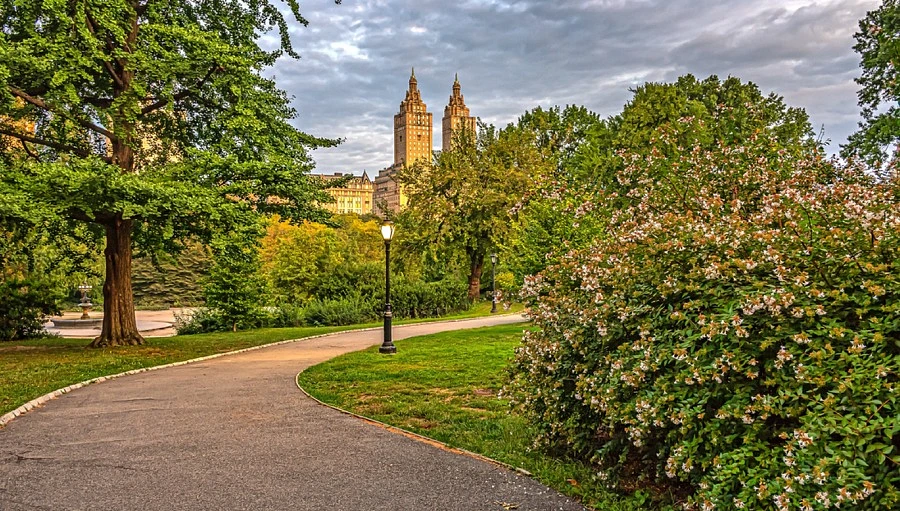
Spring in New York State means daylight stretches and trails shake off winter. March upstate still bites with winter’s edge, but city streets and lower valleys begin to soften. By April and May, temperatures turn kind - ideal for walking in NYC, the Hudson Valley, lake towns. Head to the mountains and you’ll still need a layer.
Choose spring for sightseeing without the summer crush, or if gardens and parks are your thing. Always pack a light rain jacket; showers roll in fast and wreck plans. The easiest stretch for museums, neighborhoods, and day trips? Aim for late April through May. Even in popular spots, weekdays offer quieter streets than weekends.
Summer (June-August): Peak Energy, Festivals, and Lake Days
Summer goes into overdrive. Long hours, late sunsets, streets never quiet. Travel peaks from June to August - New York City, Niagara Falls, lake towns all crammed. Prepare for the grind of lines and booked-solid hotels.
This is outdoor living at its simplest. Beach days on Long Island. Boat trips in the Finger Lakes. Swimming by the Great Lakes. But the heat and humidity, especially in the city, don’t play. Smart strategy? Early starts, planned breaks indoors.
Target early June or late August for the same vibe with slightly thinner crowds. Commit and book ahead. The calendar fills with outdoor concerts, local fairs - staples across the state.
Fall & Winter (September-February): Foliage, Holidays, and Snow Sports
New York State shifts from September to February. Early fall delivers crisp, dry days - perfect for city walks or a drive. Then foliage hits. Weekend crowds swamp the popular viewpoints in many regions. December turns cities toward holiday displays and indoor attractions; ski towns watch the snow and wait.
January and February see tourism dip, apart from school breaks. That window can mean lower room rates. But western and northern areas get cold, plus possible lake-effect snow. Flexibility is key. For those avoiding crowds and willing to bundle up, this stretch has potential.
Best Time to Visit by Region
New York City & Hudson Valley: Shoulder Seasons for Sightseeing
For New York City and the Hudson Valley, the sweet spot lands in the shoulder seasons. Think late March to May, or September into early November. Temperatures are just right for walking. Humidity usually backs off. You can tackle entire neighborhoods on foot, tack on museum visits, and still bounce out for day trips - hiking trails, river town explorations, historic sites.
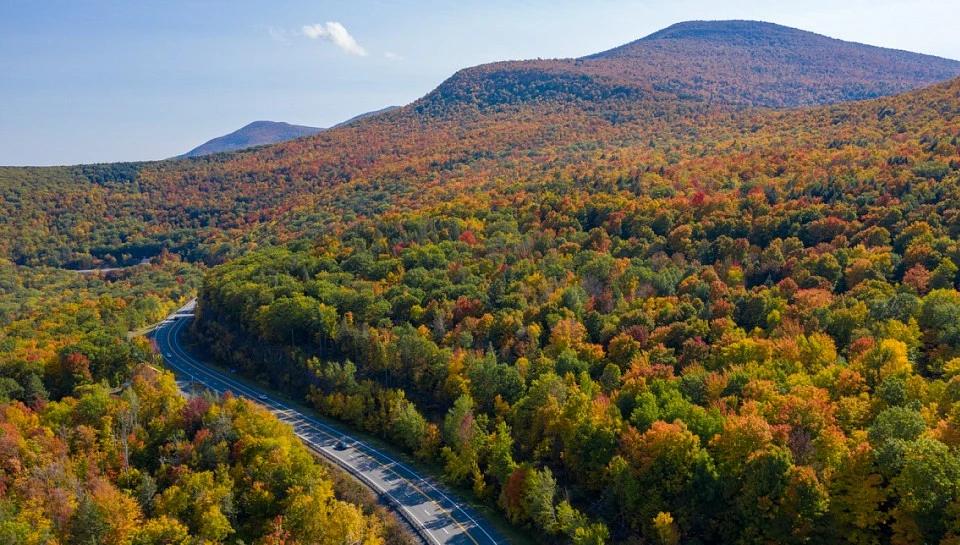
Summers? Fun, but packed to the gills. Winter works for an indoor-heavy agenda, though a sudden freeze-your-face-off cold snap can derail outdoor plans. Chasing fall colors but hoping to dodge gridlock? Target a weekday in late September or October. Pair that with a few days in the city. Note: hotel rates frequently dip outside those major holiday windows.
Upstate Cities (Albany, Rochester, Buffalo): Events Without Big Crowds
Planning a trip to Albany, Rochester, or Buffalo? Nailing the timing is straightforward. Target late spring or early fall. You'll hit that sweet spot weather-wise - great for exploring downtown, finding food, or checking out the parks. These places have a steady beat of concerts, games, and local events year-round, minus the crushing crowds you get in New York City. Summer weekends are a different story. Demand spikes near the water and at major festivals; booking ahead is non-negotiable.
Winter requires a shift. Buffalo and the Capital Region take on serious snow. For drivers, secure hotels with flexible cancellation and modular bookings. The cold isn't a full stop. Pivot indoors: museums, breweries, and those lively campus scenes keep things moving.
Adirondacks, Catskills & Finger Lakes: Nature-First Timing
Planning a trip to the Adirondacks, Catskills, or Finger Lakes? Figure out what you want to do first, then build the trip around that.
Target late spring. Waterfalls are roaring then, and trails are mostly snow-free. But higher elevations? They hold onto mud and cold - check trail reports religiously. Summer is the go-to for swimming, paddling, or long hikes. Expect parking lots at popular spots to be heaving.
Early fall changes everything. Crisp air, no bugs. You can hit up harvest season at vineyards and farm stands. Once winter sets in, switch to skiing, snowshoeing, or cabin life. Road conditions become serious; storms shut routes down fast. To avoid white-knuckle drives, plan your trip between late May and October.
Weather, Crowds, and Costs: How to Choose Your Window
Temperature & Rainfall: What to Expect Month by Month
Forget consistency. New York's weather defies it. Spring tiptoes in early along the coast and in the city, the warmth hanging on through fall. Meanwhile, up in the Adirondacks and over Tug Hill, the cold digs in and refuses to budge. Summer doesn't arrive - it spikes. The humidity gets cranked up, only broken by those pop-up afternoon storms that appear out of nothing. For clear skies, fall wins. But that sun dips and the chill cuts deep.
Winter tells two stark stories. Coastal areas grapple with a relentless cold rain. The west and north? They get buried. Lake-effect snow lays down a thick, relentless blanket.
Ditch the single forecast. Track the broader trends a week ahead, then tweak daily. Schedule outdoor work for the morning, move operations inside by afternoon. Keep travel plans flexible.
Crowd Levels: When Attractions Feel Manageable
Visitor numbers in New York State follow the academic calendar, holidays, and the chase for fall color. New York City always hums, but its famous spots face a true crush in summer and December. Upstate, Niagara Falls and popular parks hit peak capacity in July and August - weekends can get snarled.
A quieter visit demands strategic timing. Target the shoulder months: April, early May, late September, or early November. Daily scheduling matters just as much. Start early, eat lunch before noon, and save major sites for Tuesday through Thursday. Lines shrink.
Geography helps upstate. Booking lodging near your primary destination cuts draining travel time. This makes a peak-season trip far more manageable. The strategy is straightforward: travel against the calendar and structure days to avoid the masses.
Prices: Flights, Hotels, and Seasonal Deals
Travel costs operate on simple economics: demand dictates price. Want New York City or a state hotel in summer or December? Prepare for sky-high rates, especially around beaches and resorts. Even fall pulls weekend premiums in the Hudson Valley, the Adirondacks, and the Finger Lakes when the leaves turn. The real window for deals? Late winter into early spring. Leisure travel dips then, while business trips keep things steady.
Savings come from geography. Skip Manhattan. Find a spot on a subway or train line, or plant yourself in a smaller city and radiate outward for day trips. Determined to visit at peak times? Book months ahead. Always compare refundable and nonrefundable rates. And over holiday weekends, watch for those mandatory minimum stays - they’re a budget killer.
Seasonal Highlights and Signature Experiences
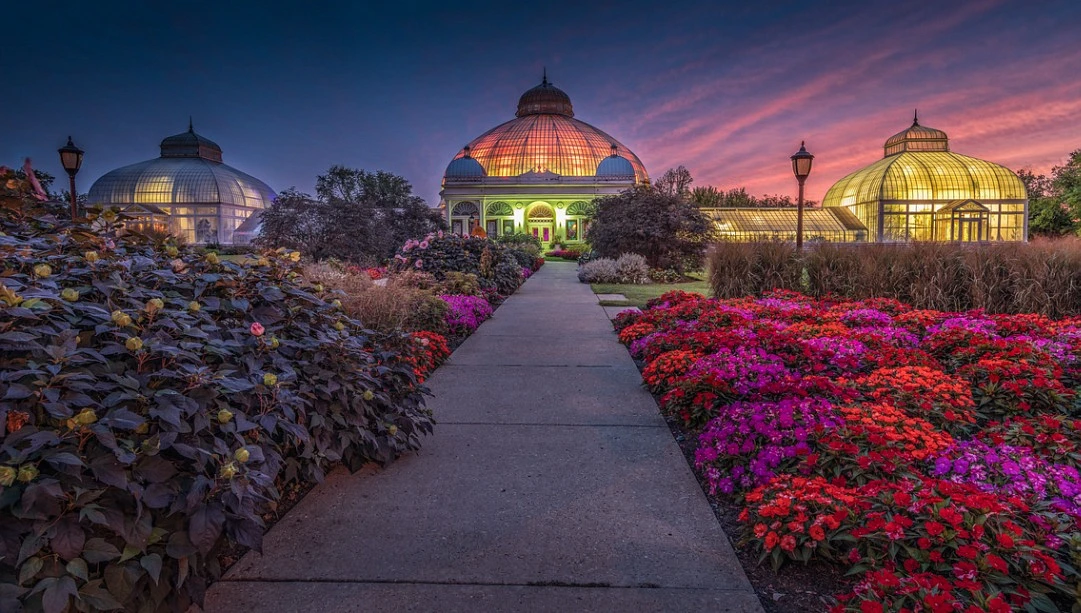
Spring Blooms, Gardens, and Scenic Drives
Spring coaxes people outside. Parks, gardens, day trips - nothing strenuous. In New York, start in Central Park, then shift to the Brooklyn Botanic Garden. Follow the waterfront after, all before the city stews in summer heat. For a drive, the Hudson Valley delivers: grand estates, sleepy towns, river views perfect for a sluggish stroll after parking. Further north, waterfalls surge with snowmelt, trails finally open and clear.
Remain practical. Higher paths can still be mud; weather sometimes bails without notice. Smart to blend outside and inside plans - rain then doesn’t ruin everything. Museums make solid city days this time of year.
Fall Foliage Routes and Harvest Season
Fall tops the list for good reason: crisp air, clear skies, and those famous colors. But planning is key - weekends at popular spots get slammed. For a better experience, travel midweek, Tuesday through Thursday. Focus on short hikes, lakeside strolls, and towns with walkable centers.
Harvest season brings its own rhythm. Think apple picking, farm markets, and vineyards - especially in the Finger Lakes and Hudson Valley. Tasting rooms stay jam-packed.
In NYC, September and October are perfect for long walks and rooftop time; the brutal heat has finally eased. Just remember layers. Daytime sun can still warm you, but once the sun drops, the chill comes fast.
Winter Lights, Ski Resorts, and Cozy Getaways
Winter travel in New York demands a clear choice. Chase the city’s electric buzz in December - endless shows, retail therapy, sparkling displays - with warm havens for food when the chill bites. Or head for the mountains. The Adirondacks, Catskills, and western ranges deliver skiing and cross-country trails, though snowfall is a gamble any given year.
Post-holiday, January and February settle into a quieter, often cheaper rhythm. This works if you accept the trade: limited daylight, brisk walks, a more stripped-down experience. Just be real about the drive. Lake-effect snow and sudden storms shut roads down without warning. Smart move? Anchor your stay in a single town, have a solid plan B in your pocket, and the whole trip stays flexible, under control.
Practical Planning Tips for a Smooth Trip
What to Pack by Season (City vs. Outdoors)
Packing for New York State boils down to two things: layers and what’s on your feet. Skip the fancy gear.
-
In the city, it’s a battle of comfort and practicality. Shoes you can walk miles in. A bag that seals - think zipper, not just a flap - for crowded subways.
-
Heading outdoors? Traction is everything. Assume the weather will turn; have a plan for it.
-
Spring means a light rain shell, a thin sweater, and footwear that won’t mind a puddle.
-
Summer: breathable tops, serious sun protection, and a water bottle. Evenings by the lakes demand an extra layer.
-
Fall is about versatile layers you can combine. Pack a hat and gloves; late nights get cold.
-
Winter requires an insulated coat, thick socks, and boots with actual grip. For extended time outside, hand warmers are a smart move.
-
For hikes, toss in a basic first-aid kit and download offline maps. In NYC, an umbrella is standard, but wind will wreck it - don’t count on it.
Trip Length Ideas: Weekend, One Week, Two Weeks
Focus on your geography, and the weekend pays off. Stick to NYC alone, or choose a single region - the Finger Lakes, maybe the Catskills - and plant yourself there. A full week? Pair the city with a second base. Head to the Hudson Valley, chase Niagara, or settle into a lake town. That depends entirely on what you’re after.
Two weeks finally allows a real look at the state without the rush. A typical split: several days in NYC, then a loop. Hit the Hudson Valley, move through the Adirondacks or Catskills, and add one western stop - Buffalo or Rochester. Remember, travel days eat up time. Keep drives realistic. Never schedule a major sightseeing day on the same day you switch hotels.
Sample Itineraries by Season and Interest
Work with the seasons. This simple approach saves transit time and avoids hassles when the weather turns.
Spring suits NYC and Hudson Valley towns. Prioritize gardens and brief hikes. Limit museum days to one. Summer begins in the city, then shifts to a Finger Lakes base for swimming and vineyard visits. Always hold one indoor day in reserve. Fall calls for long NYC walks before moving to the Catskills or Adirondacks. There, hike in the mornings; hit farm stands in the afternoons. Winter fits three or four days near ski slopes, then two or three city days dense with museums, meals, and shows.
Regions are interchangeable. The core rule: cap it at two hotel bases per week. This caps logistics.
❓FAQ❓
When is the best time to visit New York State if I’m sensitive to pollen?
Consider late summer through early fall. Spring tends to have higher pollen levels. Note that local conditions shift by region and year.
What’s the best time to visit if I want the longest daylight without peak crowds?
Target late May or early June. Days are extended, yet demand hasn't reached its midsummer high.
Best time to visit New York State for whale watching?
Whale watching is primarily late spring to early fall along the coast. Exact timing depends on species migration and tour availability.
When’s the best time to visit for stargazing?
Stargazing is often best in late fall and winter. These seasons offer longer nights and clearer air. Always check cloud forecasts and moon phases before planning.