









Modern smartphones are smarter than we give them credit for, yet these old-school myths persist. Let's debunk some actual phone myths.
While you're leveling up your tech knowledge, don't forget to grab deals on your next phone upgrade. Check out Catchers for discounts on electronics and tech accessories from major retailers. That's a combo move.
TL;DR
- No need to drain new batteries before charging
- Overnight charging won't explode your phone
- Close apps doesn't save battery
- More megapixels doesn't mean better camera
- Fast charging damages battery is mostly fear-mongering
- Task killer apps are digital snake oil
- Both iPhone vs Android virus debates miss the point - user behavior is key
- Water resistance ≠ waterproof (read the fine print)
- 5G health risks are not supported by science
Myth 1: You Must Fully Drain and Then Recharge a New Battery
Remember when your dad said you needed to charge new phones for first charge 8 hours? That was legit advice... in 1998. Old nickel-cadmium batteries had "memory effect" - they'd "remember" partial charges and lose capacity.
Modern lithium-ion batteries are complete opposite. They actually hate being fully drained. Partial charges are their jam. Your phone's battery management system (BMS) already optimizes everything.
Best practice: Keep your battery between 20-80% when possible. But honestly? Life's too short to obsess.
Myth 2: Leaving Your Phone Plugged In Overnight "Overcharges" and Damages It
The overcharging phone myth is like thinking your glass will overflow when you stop pouring - physics doesn't work that way. Modern phones have charging chips that literally cut power at 100%.
The real enemy is heat. Keeping a battery at 100% charge AND warm can accelerate aging. That's why iPhones have "Optimized Battery Charging" and Android has adaptive charging. Smartphones learn your routine and delay that final 20% until just before you wake up.
Your overnight charge is fine. Just use a decent charger and keep your phone on a hard surface, not under your pillow.
Myth 3: Closing Background Apps Saves Significant Battery and Speeds Up Your Phone
This is the boss-level myth. iOS and Android suspend background apps automatically. They're frozen, not actively draining power. When you force-close and reopen, the app loads from scratch - using more battery and CPU than if you'd just left it alone.
When to actually close an app:
- It's frozen or glitching
- It's actively misbehaving (Maps still tracking when you're done)
- That's literally it
Battery drain myths like this one persist because closing apps feels productive. But you're basically making extra work for your phone.
Myth 4: More Megapixels Always Means a Better Camera
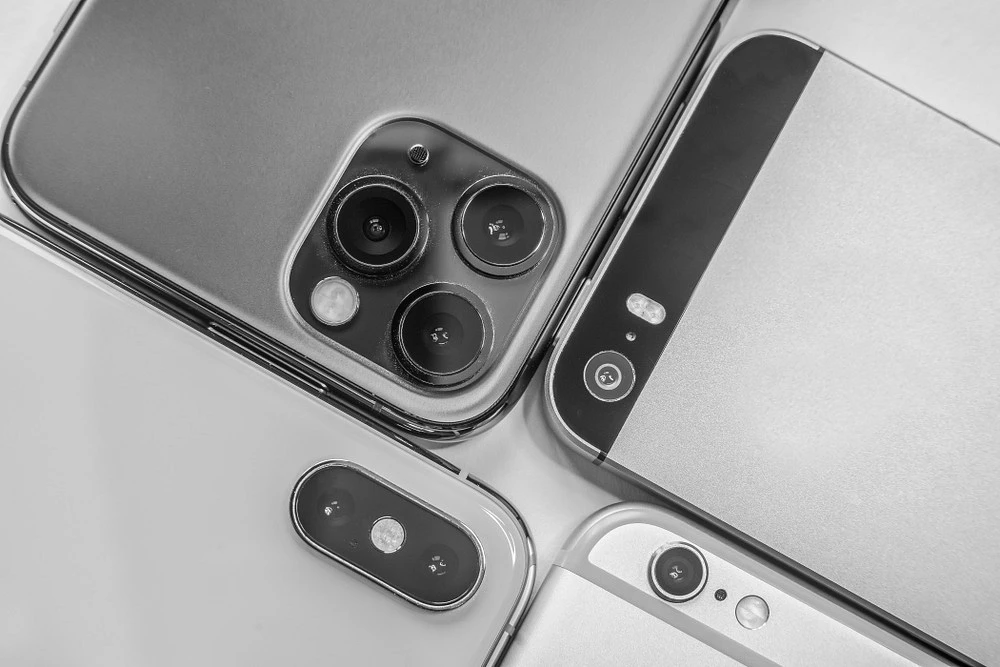
Smartphone camera myths peak here. A 108MP camera sounds incredible until you learn about pixel binning, sensor size, and aperture. Bigger pixels capture more light. Software processing (like Google's computational photography or Apple's Photonic Engine) matters way more than raw MP count.
|
Phone |
Megapixels |
Actual Quality |
|
iPhone 15 Pro |
48MP |
Phenomenal |
|
Pixel 8 |
50MP |
Elite |
|
Budget 108MP Phone |
108MP |
Mediocre at best |
A 12MP camera with great sensors and AI will destroy a cheap 108MP sensor every time.
Myth 5: Fast Charging Ruins Your Battery Long-Term
Does fast charging damage the battery? Technically, heat from rapid charging can accelerate degradation. BUT modern phones use dual-cell batteries, smart thermal management, and taper charging speeds when getting full.
Using legitimate fast chargers (not gas station specials) for daily charging is totally fine. Your battery will degrade naturally over 2-3 years anyway. Don't stress it.
Myth 6: You Need a "Task Killer" App for Android
Task killer apps made sense in Android Gingerbread era. Modern Android manages RAM brilliantly. Unused RAM is wasted RAM - the system keeps frequently-used apps ready for instant launch.
Installing a task killer now is like hiring someone to randomly restart your computer. You're creating problems, not solving them.
Myth 7: iPhones Can't Get Viruses, Androids Are Unsecure
The iPhone vs Android virus debate is outdated. iOS has its "walled garden" App Store. Android is more open. Neither guarantees safety if you download sketchy stuff.
Real talk: Most mobile "hacking" comes from:
- Clicking phishing links
- Installing apps from weird sources
- Public Wi-Fi without VPN
- Not updating your OS
Both platforms are secure if you're not reckless.
Myth 8: Water Resistance Means You Can Take Underwater Photos
IP67 means 1 meter for 30 minutes. IP68 means 1.5-2 meters, same time. That's in fresh water, static conditions. Water resistance meaning doesn't include:
- Pool chemicals
- Saltwater
- Water pressure from swimming/diving
- Repeated exposure (seals degrade)
Also fun fact: Liquid damage voids your warranty. Water resistance is emergency protection, not an invitation for underwater photography.
Myth 9: Using Your Phone While Charging is Dangerous
Using a phone while charging won't electrocute you. The risk is using damaged cables or sketchy chargers that could overheat.
Your phone might get warm during gaming + charging because you're maxing out CPU while adding charge heat.
Myth 10: More RAM Always Equals a Faster Phone
More RAM better performance? There are diminishing returns. For average users, the difference between 8GB and 12GB is negligible. iOS runs smoothly on 6GB because of optimization. Android needs more because of how it handles multitasking.
What actually matters: processor efficiency, storage speed, and software optimization.
Myth 11: The "Night Mode" Camera Actually Sees in the Dark
Night mode camera explanation: It's computational photography wizardry. Your phone takes multiple shots at different exposures, then AI merges them into one bright image. It's not seeing in darkness - it's just really good at math.
Myth 12: 5G is a Health Hazard
5G health risks claims are everywhere, but science says otherwise. 5G uses non-ionizing radiation (like 4G and Wi-Fi). WHO and FCC guidelines confirm it's safe within regulations. Your microwave is scarier, honestly.
Myth 13: You Should Only Use the Original Brand Charger
Standards like USB-PD exist for a reason. Any certified charger works fine. Avoid ultra-cheap, no-brand chargers with no safety certifications. But Anker, Belkin, Spigen? Totally safe and often better than OEM.
FAQ
Does closing all my apps really not save battery?
Modern operating systems manage background apps efficiently. Force-closing actually drains more battery when apps reload from scratch.
Is it bad to use my phone while it's charging?
Nope, totally safe. Just avoid sketchy chargers and expect your phone to get a bit warm during intensive tasks.
How should I charge my phone to maximize battery health?
Ideally keep charge between 20-80%, avoid extreme heat, and use quality chargers. But honestly, modern batteries are designed to handle normal use. Charge when convenient.
My phone has 108MP, so why does my friend's 12MP iPhone take better photos?
Sensor size, pixel size, aperture, and software processing matter way more than MPs' amount.
Can I take my water-resistant phone in the pool or sea?
IP ratings are for accidental splashes in fresh water, not intentional swimming. Chlorine, salt, and water pressure damage seals.