









Gone are the days when you'd swap phones every 24 months like it was some sacred ritual. Today's smartphones are tougher, smarter, and way more expensive. Most people hold onto their devices longer than ever, and that's perfectly fine.
TL;DR
Here's what you need to know:
- Average phone upgrade cycle: 3-4 years for most users
- Battery health, performance lag, and outdated software are your biggest warning signs you need a new phone
- Power users who demand cutting-edge specs: 1-2 years
- Budget-conscious folks: push it to 4+ years
- Don't upgrade just because there's a new model - upgrade when your phone can't keep up with you
Why Upgrading Has Slowed Down
Remember carrier contracts that basically forced you into a new iPhone every two years? Yeah, those are mostly toast.
Phones got superb around 2016-2017. Modern devices pack flagship-level performance that lasts. A three-year-old phone can still handle Instagram, Netflix, and your dodgy group chat without breaking a sweat. Plus, new models don't bring earth-shattering changes anymore - usually it's just a slightly better camera or a faster chip you won't notice in day-to-day use.
And let's talk money. Flagship phones now cost $800-$1,200. That's rent money for some people. No wonder everyone's holding onto their devices longer.
Key Factor #1: Your Phone's Performance and Usability
Sluggish Performance and Constant Lag
If opening apps feels like watching paint dry, that's a red flag. Your phone should respond instantly. Waiting 5 seconds for the camera app to launch means you'll miss the shot every time.
Apps and operating systems get more demanding over time. Your 5-year-old phone's processor is basically a vintage engine trying to run modern software. That's when lag becomes unbearable.
Apps Crashing and Incompatibility Issues
Getting error messages when you try to download apps? That's your phone telling you it's outdated. Developers stop supporting older OS versions, which means your device becomes a paperweight for anything new.
Banking apps, games, even basic utilities need current operating systems. Can't run essential apps? Time to upgrade.
Key Factor #2: Battery Health and Longevity
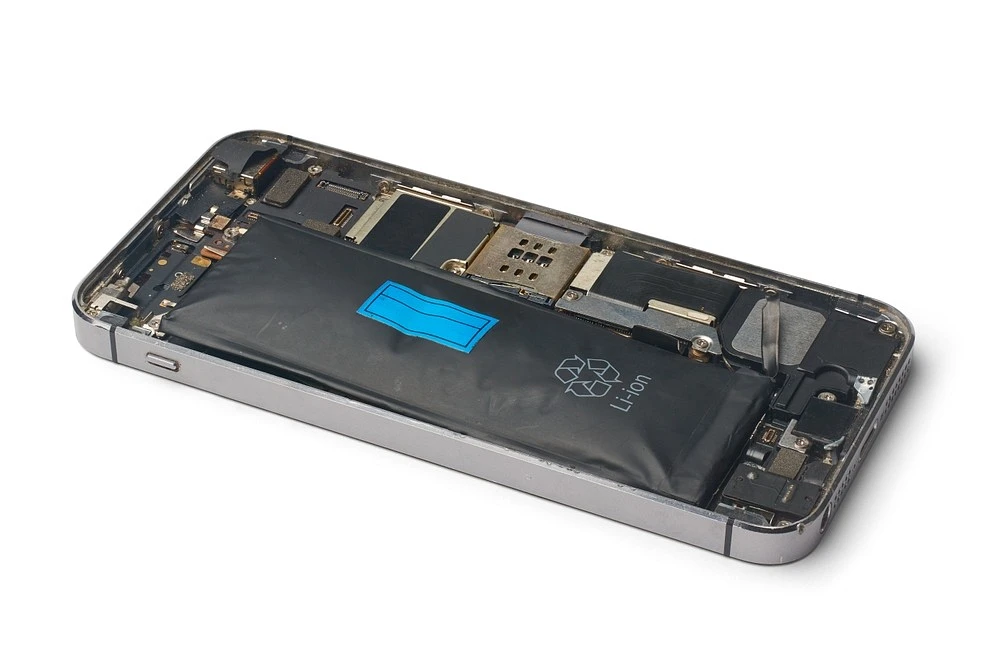
Battery degradation is the silent killer.
A healthy phone battery lasts all day. Once you're charging twice daily or your phone dies at 30%, something's wrong. Lithium-ion batteries lose capacity after 500-800 charge cycles - roughly 2-3 years of normal use.
Quick tip: Check your battery health in settings. iOS shows it under Battery > Battery Health. Android varies by manufacturer, but apps like AccuBattery work great.
Replacing a battery costs $50-100, way cheaper than buying a new phone. If everything else works fine, swap the battery and keep rolling.
Key Factor #3: Software and Security Updates
This one's serious. When to upgrade phone security stops getting patched, you're vulnerable.
Hackers love outdated devices. No security updates means your personal data - passwords, photos, banking info - is exposed. iOS typically supports devices for 5-6 years. Android? It's all over the map. Flagship Samsung and Google Pixels get 3-5 years; budget phones might get ghosted after 2 years.
Once manufacturer support ends, you're running borrowed time.
Key Factor #4: Hardware and Camera Capabilities

The Camera Gap: When Your Photos Aren't Good Enough
Social media runs on great photos. If your camera can't keep up and your friends' phones make yours look like a potato, that gap stings.
Camera tech improves fast. Night mode, computational photography, multiple lenses - older phones just can't compete. For creators and photo enthusiasts, camera quality alone justifies an upgrade.
Cracked Screen and Physical Damage
Spiderweb cracks across your screen? That's not just ugly - it's dangerous. Glass shards, unresponsive touch, moisture getting inside... repair or replace before it gets worse.
Screen repairs can cost $150-300 depending on the model. Sometimes buying a new phone makes more financial sense.
Storage Space: Constantly Running Out of Room
Constantly deleting photos to install apps? That's miserable. Cloud storage helps, but if you've maxed out your 64GB and you're struggling daily, a phone with more storage might be worth it.
Modern phones start at 128GB, which is way more manageable.
Key Factor #5: The Cost vs. Benefit Analysis
Should I upgrade my phone just because I can? Probably not.
New phones are investments. Ask yourself:
- Will the new features actually improve my daily life?
- Can I afford it without stress?
- Are there deals or trade-in programs that soften the blow?
Carriers often run promotions - trade in your old phone, get credit toward a new one. Black Friday, back-to-school sales, new model launches - timing matters.
|
Upgrade Cost Factors |
Considerations |
|
Flagship new phone |
$800-$1,200 |
|
Mid-range new phone |
$300-$600 |
|
Battery replacement |
$50-$100 |
|
Screen repair |
$150-$300 |
|
Trade-in value (3-year-old phone) |
$100-$300 |
Recommended Upgrade Cycles by User Type
The Power User: 1-2 Years
You need bleeding-edge specs. Pro photographers, mobile gamers, developers - you push devices hard. Latest processors and cameras aren't luxuries; they're tools.
The Average User: 3-4 Years
Most people fit here. You use your phone for normal stuff - texting, social media, streaming, photos. Three to four years is the sweet spot where performance stays solid and you're not wasting money.
The Budget-Conscious & Minimalist User: 4+ Years
Your phone makes calls and sends texts. That's enough. If it ain't broke, don't replace it. Push that device until it literally can't function anymore.
FAQ
Is it worth upgrading my phone every year?
For 99% of people? No. Annual upgrades are expensive and unnecessary unless you're a tech reviewer or you genuinely need cutting-edge features for work. Most yearly improvements are incremental.
How long do smartphones typically last?
How long should a phone last? With proper care - case, screen protector, avoiding water damage - expect 4-5 years. Battery life and software support usually determine the end, not hardware failure.
What is the biggest sign that I need a new phone?
Terrible battery life combined with performance issues. If your phone can't hold a charge and lags constantly, it's done. Security updates ending is another critical sign.
Is a declining battery a reason to upgrade, or just replace the battery?
Replace the battery first if everything else works fine. It's way cheaper and environmentally friendlier. Only upgrade if the battery AND other problems pile up.