









TL;DR
- Standalone VR headsets like Meta Quest 3 and Meta Quest 3S need no PC - plug and play
- PlayStation VR2 requires a PS5 but delivers premium features
- Budget anywhere from $300 to $550+ for your first setup
- Key specs matter: resolution, refresh rate, and 6DoF tracking
- Most beginner VR guide recommendations point to Quest 3S for value or Quest 3 for performance
What is VR Gaming?
Past all the hype, VR gaming is pretty straightforward. You put on a headset. It tracks where you look, then wraps you in a 3D world. Turn your head, and that world turns too. Glance down - you might see virtual hands. Or paws. Maybe robot arms. It really depends on the game. That direct connection is what makes it immersive. You aren’t just clicking a keyboard or guiding mice around a pad. You’re inside the thing.
Unlike flat-screen gaming where you're watching someone else's adventure, VR puts you inside. You're not controlling a character dodging punches. You ARE dodging punches. And trust me, your first time taking a virtual haymaker to the face? You'll duck. Everyone does.
Tech has changed a lot. Early VR was clunky. It needed thick cables and a powerful gaming PC. Now you just grab a standalone headset. These modern devices are sleek. Charge one up and you get a snappy experience right away. It’s that simple.
Top VR Headsets for Beginners in 2025
Picking a first VR headset can be pretty straightforward. To leverage good advice, check out these three existing options. Each one is a solid pick, meant to help you pinpoint a choice you'll actually enjoy. This way, you can confidently navigate the selection without any worry over buyer's remorse.
Meta Quest 3
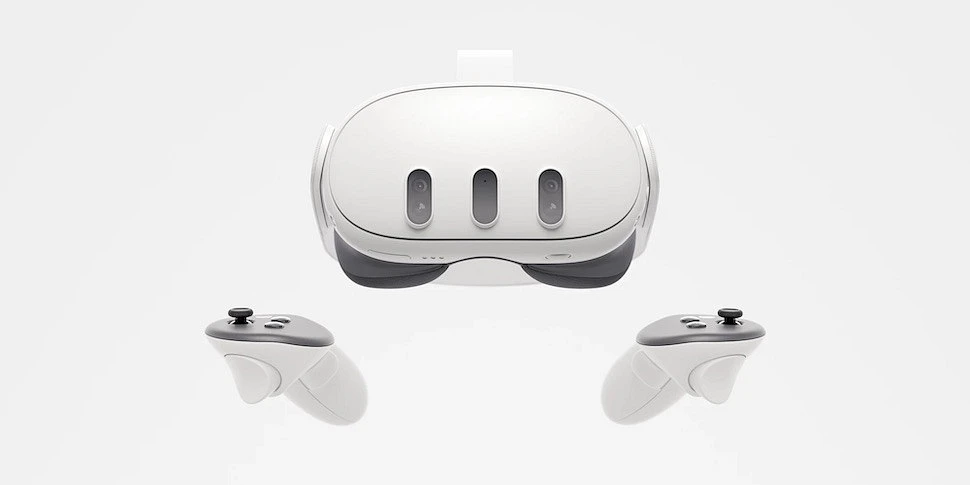
Meta Quest 3 is a standalone headset, so no PC is needed. It packs a Snapdragon XR2 Gen 2 processor that handles it all. You get 2064 x 2208 resolution per eye. Those pancake lenses make everything slimmer and provide a crisp, clear picture. It’s a real sweet spot for design.
Color pass-through cameras are great for mixed reality. You can place virtual furniture in your actual room or play games that blend with surroundings. Experiences feel truly immersive. Battery life is around 2 hours, so keep a charger close. Performance is snappy across games and apps.
Best for gamers who want premium quality without a PC VR setup.
Meta Quest 3S
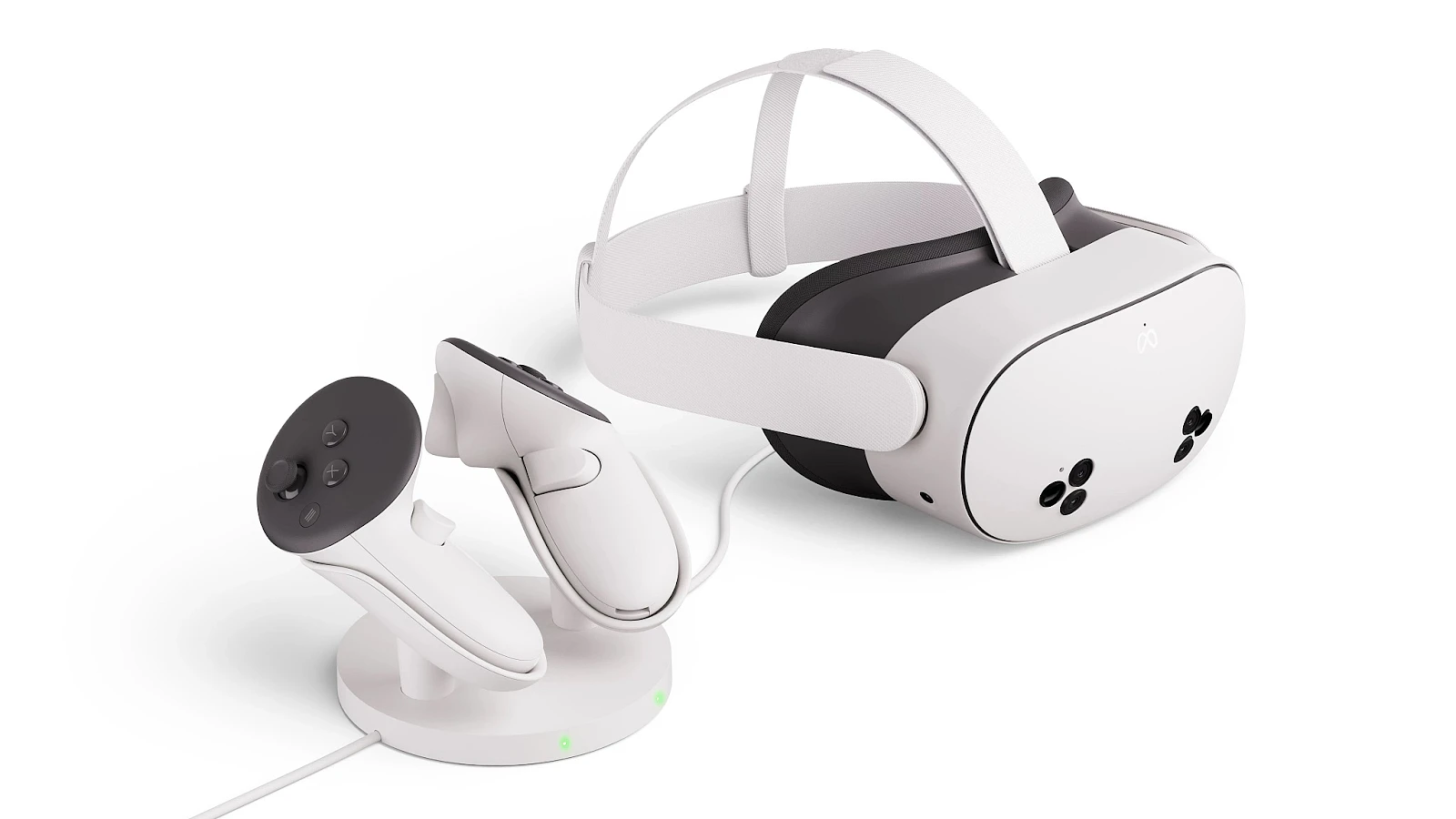
Meta Quest 3S packs the same processor as its bigger sibling - Snapdragon XR2 Gen 2. You get the same game library, too, all for around $300. That’s a reasonable price. To get there, it uses older Fresnel lenses and a lower-res display from Quest 2.
For most newcomers, that isn’t a deal-breaker. This headset delivers the full VR experience without emptying your wallet. You still get color pass-through and access to hundreds of games. It’s a practical solution for starting out.
In all, it’s an excellent first headset. Best for beginners on a budget who want a big game library over top-tier optics. The Quest 3S strikes a good balance between cost and capability.
PlayStation VR2
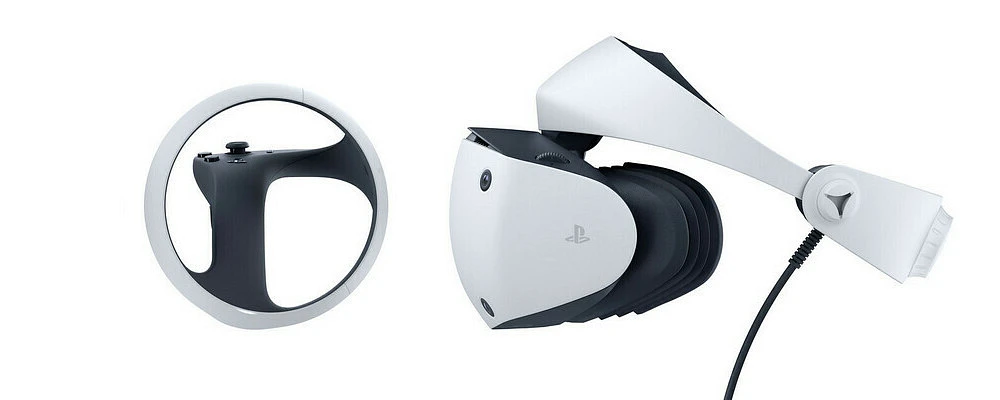
Already own a PS5? This could be a smart upgrade. PlayStation VR2 features OLED screens with gorgeous color and packs in haptic feedback for your head. It also has precise eye-tracking tech and those unique Sense controllers, which have adaptive triggers.
You are tethered to a console, and the game library relies on Sony exclusives. But immersion is something else. Feeling headset rumble during an explosion? That changes a whole experience.
It’s a premium option for PS5 owners who want VR focused solely on their console.
Quick Comparison
|
Feature |
Meta Quest 3 |
Meta Quest 3S |
PlayStation VR2 |
|
Price Range |
$500+ |
~$300 |
$550 |
|
Setup Type |
Standalone |
Standalone |
Requires PS5 |
|
Resolution |
2064x2208/eye |
Quest 2 level |
High (OLED) |
|
Best Feature |
Mixed Reality |
Value |
Eye-tracking |
|
Main Drawback |
2hr battery |
Fresnel lenses |
Limited library |
Key VR Specs
Don't zone out on specs - these numbers directly affect how good (or nauseating) your experience will be.
Resolution & Display
Higher resolution means a sharper image. That annoying grid pattern you sometimes see? It gets reduced. Aim for at least 1832 x 1920 per eye. OLED screens, like in PlayStation VR2, deliver genuine blacks and more vivid colors compared to LCD. Both types work fine, but OLED shows intricate details better. With enough pixels, that grid can become nearly invisible.
Field of View (FOV)
This measures how much of your peripheral vision the headset covers. Most modern headsets hit 90-110 degrees. More FOV = more immersion, but also higher performance demands.
Refresh Rate
Measured in Hz - basically how many times per second your screen updates. 90Hz is the bare minimum. 120Hz feels buttery smooth. Lower refresh rates can trigger motion sickness, especially in fast-paced games.
Degrees of Freedom (6DoF)
- 3DoF: Tracks head rotation only (looking around)
- 6DoF: Tracks rotation AND position (leaning, stepping, crouching)
Never settle for 3DoF. Seriously. You want full 6DoF tracking on any VR headset worth buying in 2025. It's the difference between feeling like you're inside the game versus just looking at it through a window.
FAQ
How much money do I need to start with VR gaming?
Around $300 for a Meta Quest 3S. That's your headset and access to the game library. Budget $500-600 for the Quest 3. Going the PlayStation VR2 route? You'll need a PS5 (if you don't have one) plus $550 for the headset itself.
Don't forget game costs - plan for $20-40 per title, though free games exist.
Can I use a VR headset without a gaming PC?
That's the beauty of standalone VR devices like both Quest models. They're essentially Android-powered gaming consoles you wear on your face. Everything runs on the headset itself.
What is the difference between the Meta Quest 3 and Quest 3S?
Same processor, same game library, different packaging. The Meta Quest 3 uses pancake lenses and a higher-res display - clearer visuals, slimmer form factor. The Meta Quest 3S uses older lens tech and the Quest 2's display to hit that $300 price point.