








🎯Too Long; Didn’t Read
Key takeaways include:
-
Experience Varies by Location: Scenery ranges from stunning natural wonders (oceans, mountains, deserts) to practical training grounds (flat agricultural land).
-
Operations Differ: Some drop zones cater to tourists and first-time tandem jumpers, while others are meccas for licensed skydivers looking to train and make multiple jumps.
-
Safety is Paramount: Regardless of location, the most critical factor is the drop zone's safety record, maintenance, and certification. Always research this thoroughly before booking.
-
Consider Logistics: Weather, cost, and your goals (a one-time thrill vs. pursuing a license) should influence your choice of where to jump.
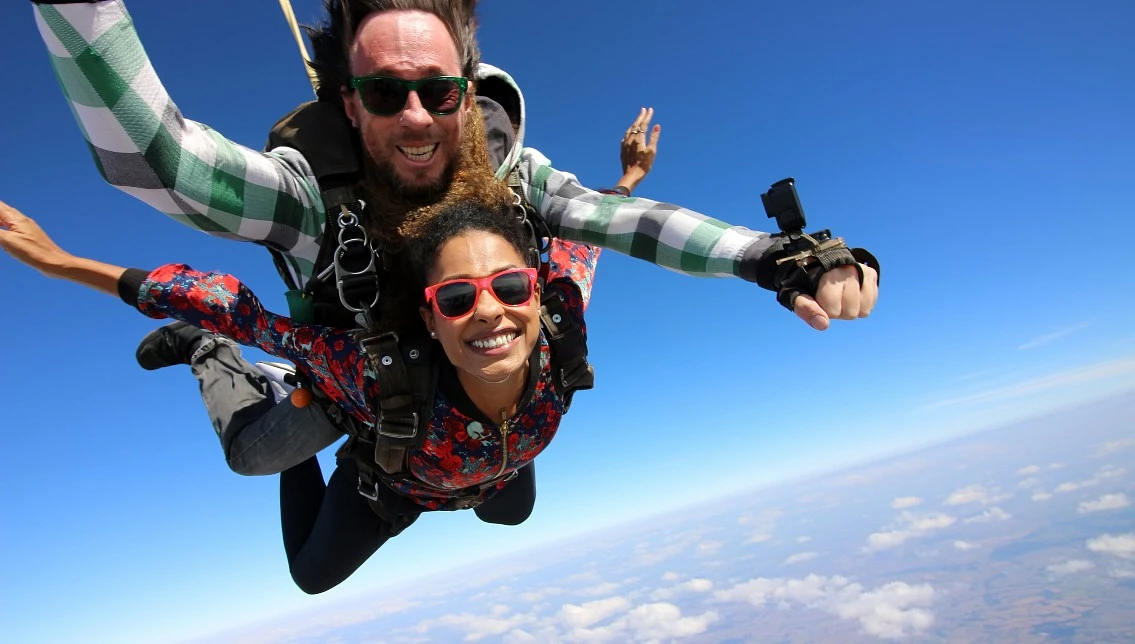
Jumping from a plane at 13,000 feet changes you. The US offers dozens of drop zones where you can experience this. Some hang over oceans. Others sit in deserts or mountains. Each location brings something different.
Moab, Utah
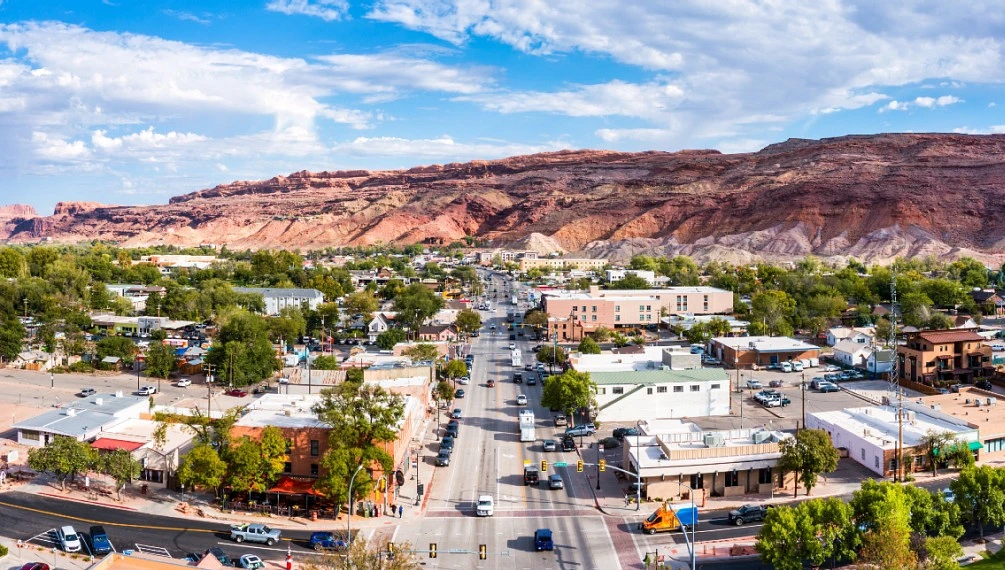
The desert landscape around Moab ranks among the most striking jump sites anywhere. Skydive Moab operates here. You exit the aircraft above red rock formations that took millions of years to form. Canyonlands National Park spreads below. Arches National Park sits nearby.
The contrast hits you. Deep canyons. Towers of sandstone. The Colorado River cutting through terrain that looks more like Mars than Earth. Winter brings snow to the high desert. Summer temps climb past 100 degrees. Spring and fall offer the sweet spot for jumping here.
First-time jumpers do tandem skydives attached to instructors. Licensed skydivers can do solo jumps. The altitude varies between 10,000 and 13,000 feet depending on what you book. Views extend for miles in every direction because the desert lacks trees and buildings.
Oahu, Hawaii
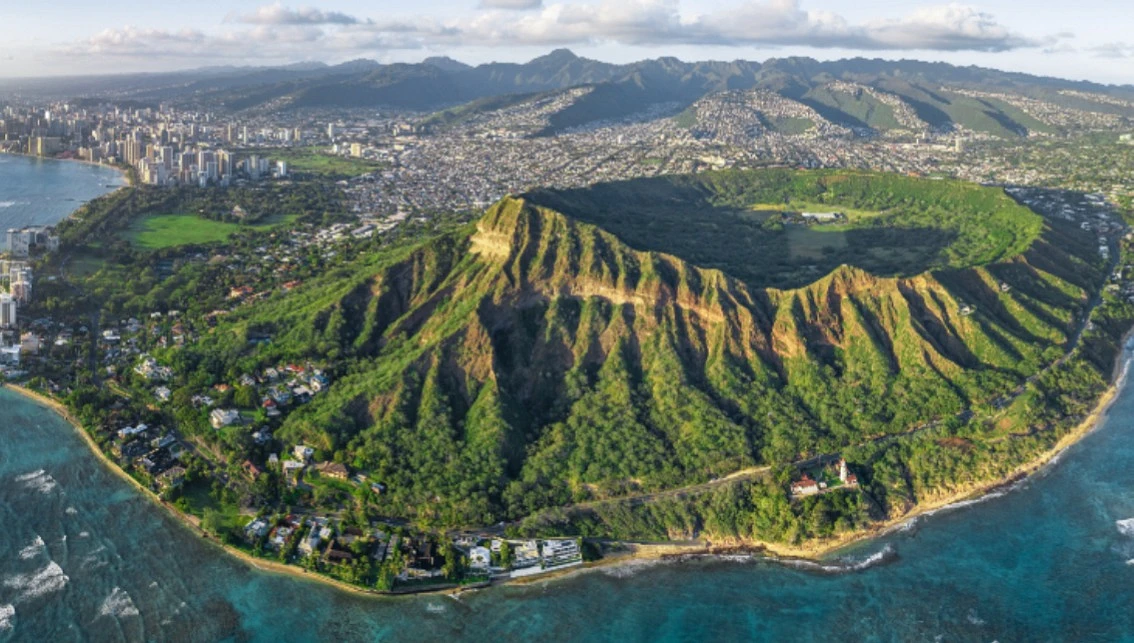
Pacific Skydiving operates on Oahu's North Shore. You jump over ocean and beaches where professional surfers ride massive winter swells. The water below shifts between turquoise and deep blue. Green mountains rise inland.
This drop zone sits on Dillingham Airfield. Military pilots trained here during World War II. Now it hosts skydivers and glider operations. The temperature stays warm year-round. Trade winds blow consistently, which affects landing patterns but keeps things comfortable.
Tandem jumps go up to 14,000 feet. That extra thousand feet matters. More freefall time. More views. You see multiple islands on clear days. Turtle Bay Resort sits on the coast below. Waves break on reefs that surround the island.
Some people worry about landing in water. Doesn't happen here. You land on the airfield. But the psychological factor of jumping over ocean versus land creates a different experience. Some find it more intimidating. Others find it freeing.
Perris Valley, California
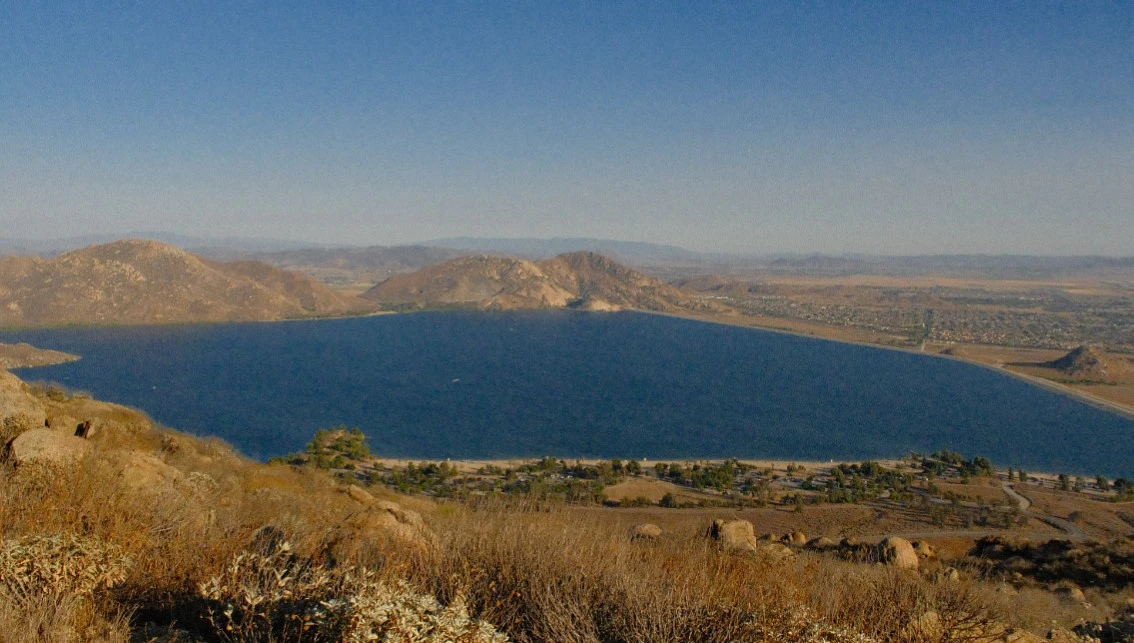
Skydive Perris in Southern California operates one of the largest drop zones in the country. This place runs serious operations. Multiple aircraft. Hundreds of jumps daily during peak season. Skydivers from around the world train here.
The facility sits in Perris Valley, about 70 miles southeast of Los Angeles. Mountains surround the valley on multiple sides. The San Jacinto range. The San Bernardino Mountains in the distance. Clear weather dominates most of the year.
Beginners start with tandems. Intermediate jumpers work on their licenses. Expert skydivers practice formations and competitions here. The drop zone hosts national championships. Wind tunnels nearby let people practice body position without jumping from planes.
Five aircraft operate out of Perris. Twin Otters. Skyvans. A Caravan. Different planes carry different numbers of jumpers to various altitudes. Weekend loads run constantly. Midweek traffic drops but the place still buzzes.
Housing exists on-site. Camping too. People travel here for week-long training camps. The culture skews toward hardcore skydivers rather than one-time tourists. But tandem jumps happen daily for first-timers.
Monterey Bay, California
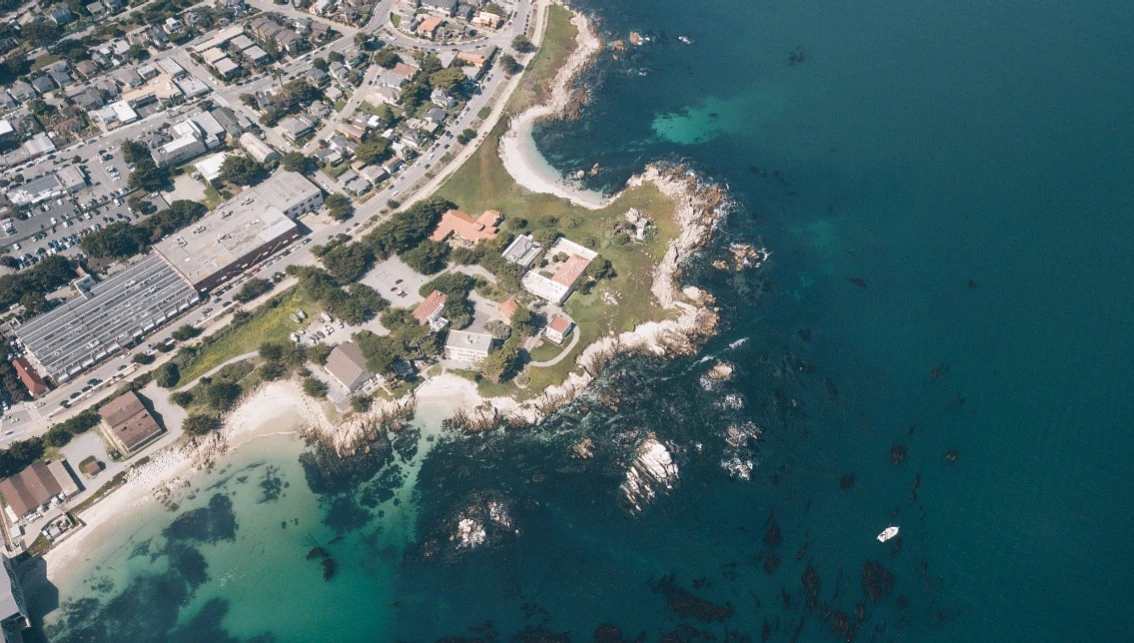
Jumping over Monterey Bay means exiting above the Pacific coastline. Skydive Monterey Bay runs operations at Marina Municipal Airport. The bay curves below. Santa Cruz sits to the north. Monterey and Carmel lie south.
Water temperature stays cold year-round. Gray whales migrate past in winter and spring. You might spot them from altitude. Sea otters float in kelp forests closer to shore. The coastal fog that defines this region can cancel jumps, so weather checking matters.
The landing zone sits on the airport. But the views during freefall and under canopy focus on coastline. Big Sur stretches down the coast to the south. Point Lobos. The Monterey Bay Aquarium. Cannery Row made famous by Steinbeck.
Wind patterns off the ocean create specific challenges. Morning jumps often work better than afternoon sessions when winds pick up. The marine layer burns off by midday during summer months.
Lodi, California
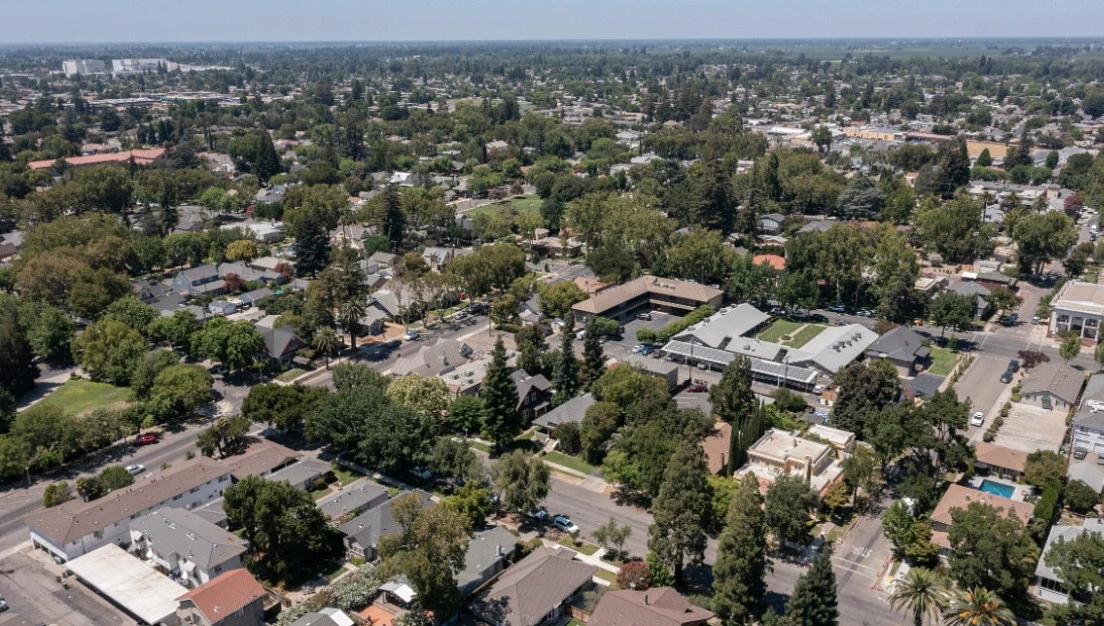
Lodi sits in California's Central Valley. Parachute Center operates here. This drop zone opened in 1964, making it one of the oldest continuously operating facilities in the country. Bill Dause started the operation.
The location lacks dramatic scenery compared to ocean or mountain drop zones. Flat agricultural land extends in all directions. But that misses the point. Lodi built its reputation on high-volume operations and training programs.
Multiple turbine aircraft run loads. The pace stays quick. Manifest moves jumpers through efficiently. Experienced skydivers appreciate this. Less time on the ground means more jumps per day.
Proximity to the Bay Area brings steady weekend crowds. Sacramento sits an hour north. San Francisco two hours west. The Central Valley heat gets brutal in summer. Triple-digit temperatures. But the skydiving continues.
Safety records matter in this sport. Lodi has faced scrutiny over accidents in past years. Research any drop zone before booking. Check their safety record. Ask about their equipment maintenance. Talk to local skydivers about their experiences.
Eloy, Arizona
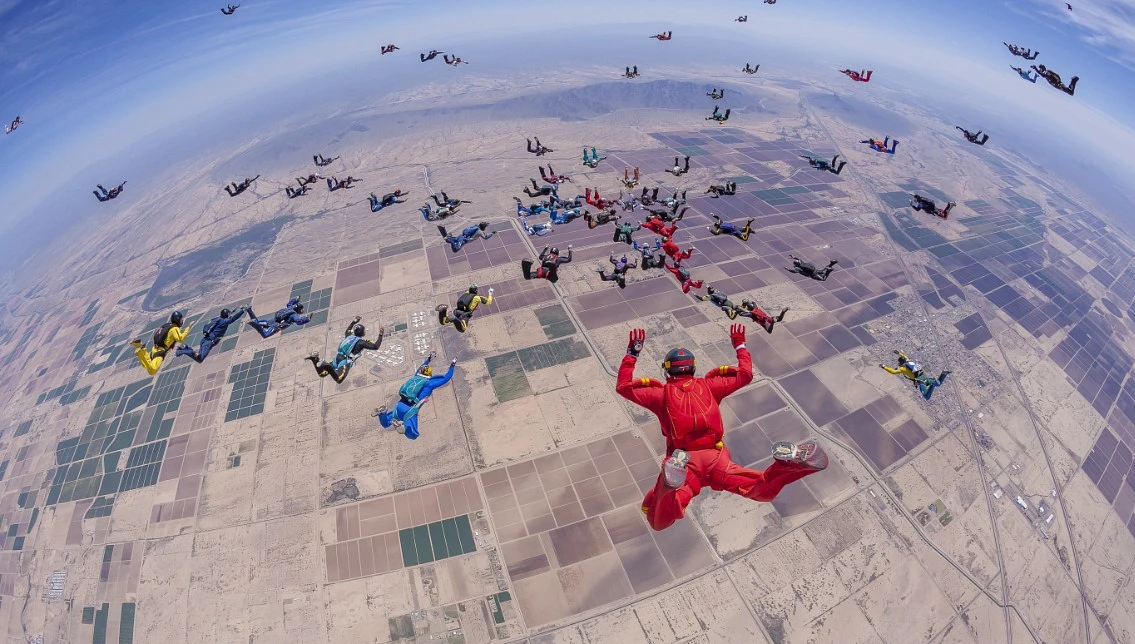
Skydive Arizona in Eloy operates the busiest drop zone in the country by some measures. The facility sprawls across desert landscape between Phoenix and Tucson. This place caters to serious skydivers.
Three separate landing areas. Multiple aircraft running simultaneous loads. A wind tunnel for training. On-site camping and lodging. The operation resembles a small village dedicated to falling from the sky.
Winter months bring perfect conditions. Sunny skies. Mild temperatures. Minimal wind. Skydivers from colder climates travel here to train during their off-season. Formation teams practice intricate maneuvers. Speed skydivers work on going fast.
Summer means heat. Desert heat that makes you question choices. Early morning jumps beat the worst of it. Late afternoon offers another window. Midday requires tolerance for serious temperatures.
The flat terrain extends endlessly. Mountains sit on distant horizons. Saguaro cacti dot the landscape. Tandem jumps happen here, but the vibe skews toward licensed jumpers logging lots of jumps rather than tourist operations.
Somewhere over Florida
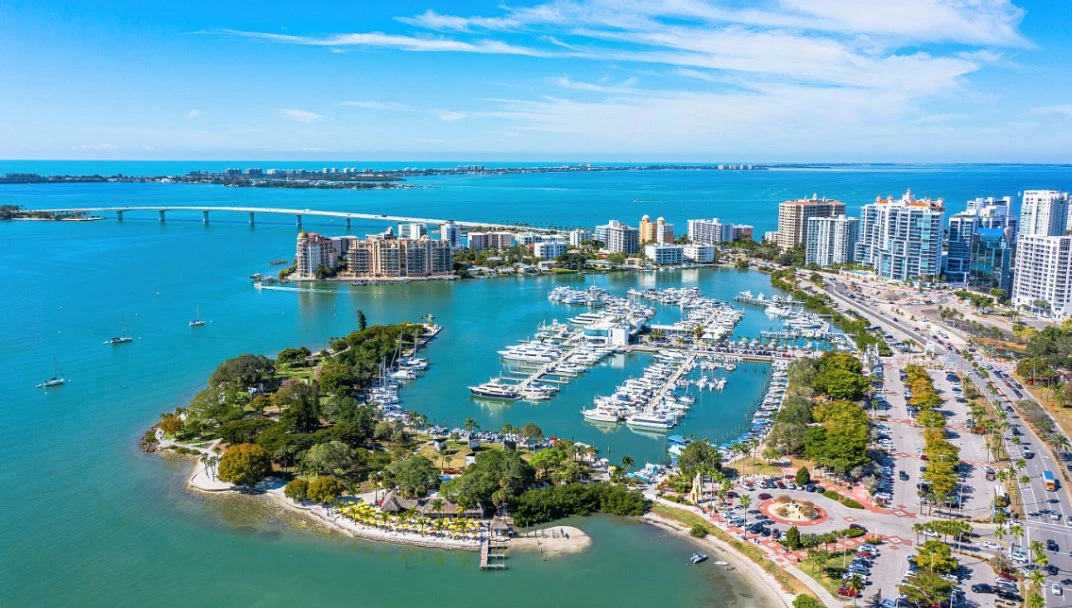
Florida drop zones benefit from year-round jumping weather. Multiple operations exist across the state. Skydive Sebastian on the east coast. Skydive City in Zephyrhills near Tampa. Several others.
Coastal jumps offer views of beaches and ocean. Inland facilities cost less typically but lack the scenery. The flat landscape means you can spot your landing area from high altitude. No mountains or valleys to complicate navigation.
Afternoon thunderstorms interrupt operations during summer months. Florida weather turns quickly. Morning loads often complete without issues. After lunch, clouds build. Lightning grounds aircraft. Then the storms pass and evening jumps resume.
Water surrounds Florida on three sides. This creates unique wind patterns. Sea breezes. Temperature inversions. Jump pilots know the local conditions. They pick altitudes and exit points based on current winds.
Sebastian caters to experienced skydivers. The facility hosts camps and competitions. Zephyrhills runs high-volume operations with a mix of tandems and licensed jumpers. Both locations maintain good reputations within the community.
Las Vegas, Nevada
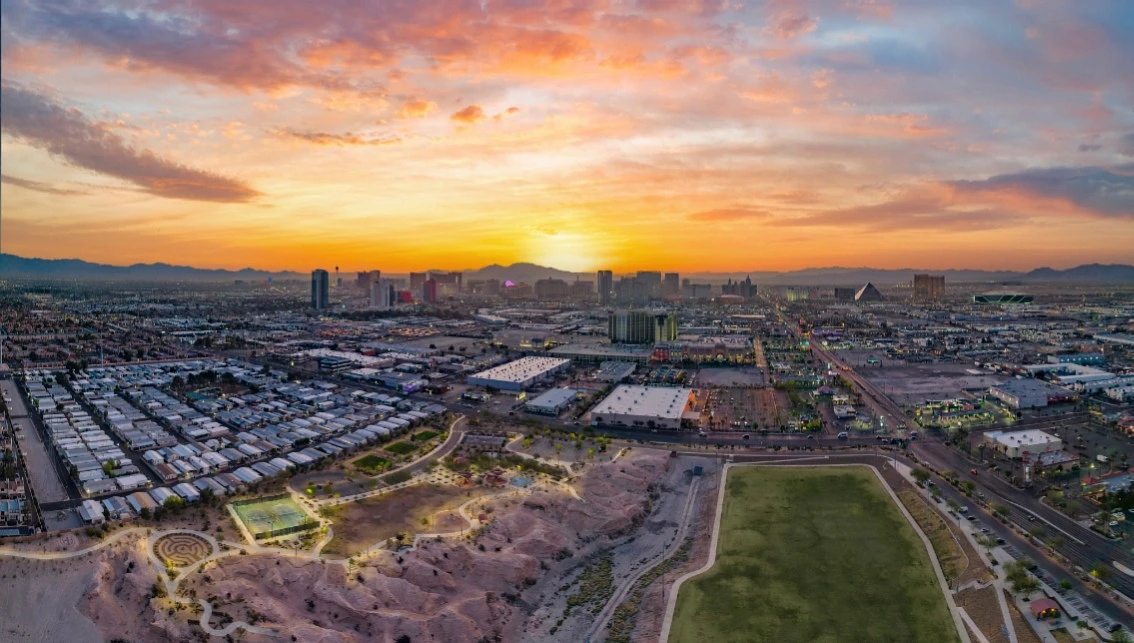
Several operations run near Las Vegas. Skydive Las Vegas. Vegas Extreme Skydiving. Others. The appeal goes beyond the jumps themselves. Vegas exists as a destination.
You jump over a desert landscape with the Strip visible in the distance. Red rocks. Dry lake beds. Mountains forming the valley boundaries. The air stays dry. Visibility extends for miles on typical days.
Wind affects jumping here. Morning tends to offer calmer conditions. Afternoons can get gusty, particularly during certain seasons. Drop zones sometimes close during high wind periods. Plan accordingly.
The Vegas context matters. People visit for bachelor parties, conventions, or gambling trips. Skydiving adds an activity to the itinerary. This creates a different crowd than hardcore drop zones. More first-timers. More nervous energy. More GoPro footage destined for social media.
Nothing wrong with that. Everyone starts somewhere. But if you want to progress beyond tandem jumps, Vegas probably isn't where you'll train for your license.
Chicago Area, Illinois
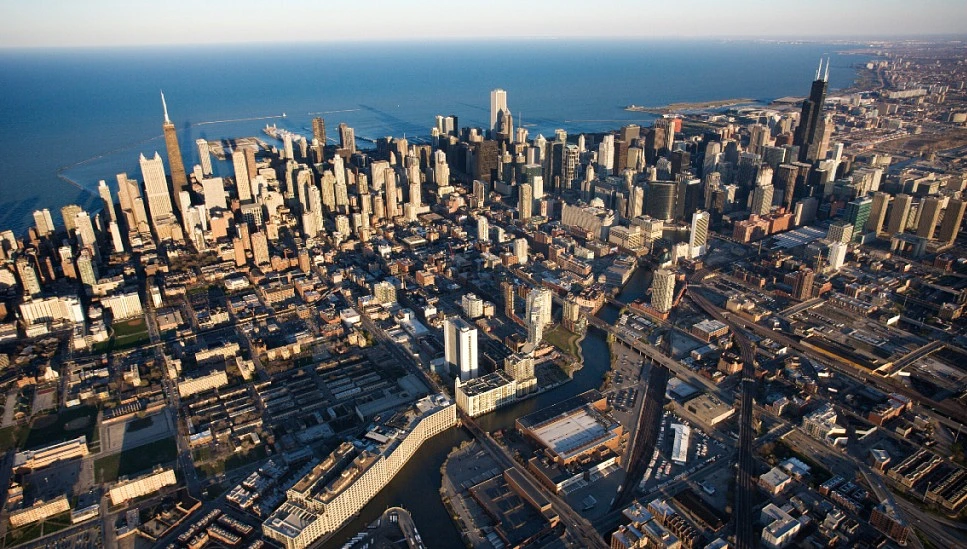
Chicagoland Skydiving Center operates west of the city in Rochelle. This represents Midwest jumping. Flat fields. Farms. Nothing dramatic about the landscape.
But the operation runs solid programs for people learning to skydive solo. Accelerated freefall courses. The coach jumps for progressing students. The facility focuses on training rather than one-and-done tandem experiences.
Weather creates the main variable. Summer thunderstorms. Winter cold that shuts down operations for months. Spring winds. Fall offers the most reliable window for consistent jumping.
The Chicago metro area holds millions of people. Many want to try skydiving. Rochelle captures that market. Weekend tandems stay booked. Students work through their progression. Licensed jumpers return for fun jumps.
New York Area
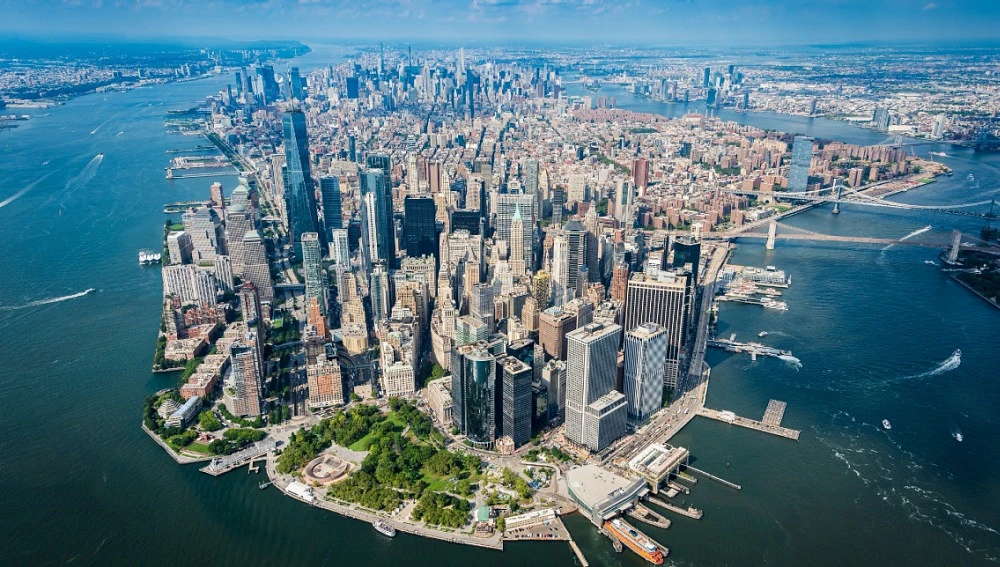
Several operations serve the New York metropolitan area. Skydive Long Island. Skydive the Ranch in upstate New York. Cross the river into New Jersey and more options appear.
Long Island operates out of Calverton. The location sits far enough east to escape the densest development. You jump over Long Island terrain with the ocean visible depending on altitude and direction.
The Ranch sits in Gardiner, New York, about 90 minutes north of the city. Mountains surround the area. The Gunks. The Catskills beyond. During fall, the foliage creates color displays that enhance the experience.
Population density creates complications. Airspace restrictions. Busy airports nearby. Drop zones must coordinate carefully with air traffic control. This limits some operations but good drop zones manage it.
New York weather swings wildly. Summer humidity. Winter snow and ice. Spring mud. Fall perfection that lasts about three weeks before temperatures drop. Check conditions before making the drive from the city.
Montana and Wyoming
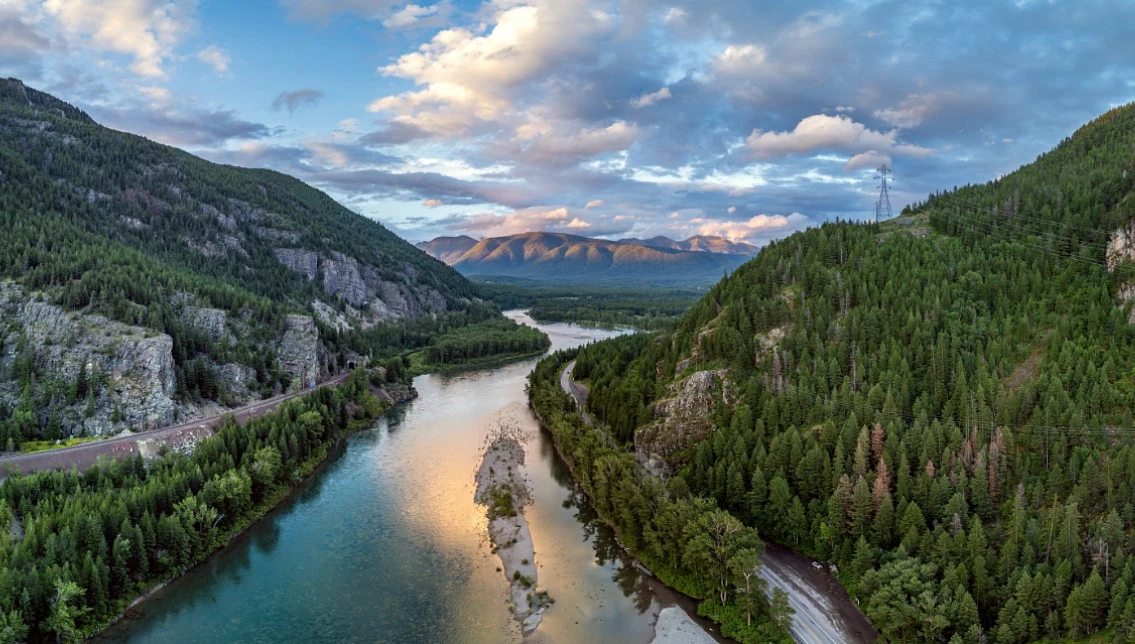
Drop zones in Montana and Wyoming offer mountain backdrops. Mile-Hi Skydiving near Missoula, Montana. Wyoming Skydiving Center near Laramie. These locations bring a frontier vibe to the sport.
Mountains define the scenery. The Rockies. Ranges extending north into Canada. Valleys carved by ancient glaciers. Rivers cutting through terrain that still looks wild despite human presence.
Altitude matters differently here. Many jump sites already sit at elevation. Add another 13,000 feet above that and the air gets thin. Your body notices. Some people need time to adjust.
Wildlife appears below. Elk herds. Sometimes bears, though you won't see them well from altitude. Ranch land extends across valleys. The population stays sparse. Wide-open country.
Short seasons limit operations. Snow closes mountain drop zones for many months. Summer brings the window for jumping. But summer in these mountains offers cool temperatures and stunning conditions when the weather cooperates.
Picking Your Spot
-
Location matters less than safety record and operation quality. Research drop zones before booking. Check their certification status. Read recent reviews from actual jumpers, not just filtered testimonials on their website.
-
Ask about equipment age and maintenance schedules. Find out who packs the parachutes. Inquire about instructor experience levels. Legitimate operations will answer these questions directly.
-
Weather affects every location differently. Coastal drop zones deal with fog and wind off water. Desert locations face heat and dust. Mountains mean variable conditions that change rapidly. Understand what you're getting into.
-
Price varies significantly. Tourist-oriented drop zones in destination locations charge more. Operations in less scenic areas cost less. Tandem jumps typically run between $200 and $400 depending on altitude and location.
-
Video packages add cost. Most first-timers want footage. But the jump itself matters more than the documentation. Don't let lack of video budget stop you from jumping.
-
Training progression requires commitment. Tandem jumps let you experience the sensation. But learning to jump solo takes time and money. Multiple jumps. Ground school. Equipment costs eventually. Factor this in if you plan to continue.
-
The sport carries inherent risk. Parachutes fail sometimes. People make mistakes. Conditions change unexpectedly. Modern equipment and training have made skydiving safer than ever. But safe doesn't mean risk-free.
-
Choose your drop zone carefully. Show up sober. Follow instructions exactly. Pay attention during training. Ask questions about anything unclear. Your life depends on doing this right.
❓FAQ❓
What equipment should I bring for my first skydive?
Most drop zones provide all necessary gear, but bring comfortable clothes, sturdy shoes, and sunglasses for the plane ride.
How does altitude affect the jump experience?
Higher altitudes give longer freefall times but may require more physical adjustment due to thinner air.
Can I skydive year-round in most locations?
No, seasonal weather affects operations; mountain areas have shorter seasons, and coastal zones may close due to fog or storms.