







🎯Too Long; Didn’t Read
-
Spring arrives with shifting skies and light crowds. March through May brings unpredictable weather, but cheaper stays and trails opening up. Wildflowers emerge; early hikes avoid the summer rush.
-
Summer hits peak road-trip season. June to August means festivals, fairs, and packed lakes. Prime time for camping and river days, though you'll share every view.
-
Fall delivers comfortable weather and harvest events. September through mid-October is a solid window for hiking and scenic drives. Late November turns cold and icy, often without warning.
-
Prime windows for hiking and scenery: late April into early June, then September to mid-October. Cooler temperatures sharpen the views.
-
Wildlife viewing has its rhythms. Target late February to March for Sandhill crane migrations. Bison and prairie life are more active in late spring and early fall.
-
For camping and water activities, aim for June through early September. Crowds thin if you go early June or late August.
-
Key events cluster in specific months. The College World Series dominates June. County fairs and the Nebraska State Fair land in late August and early September. Football weekends define the autumn calendar from September to October.
-
Budget travel targets the deep cold: January through early March, plus parts of November. The shoulder season - April and early May - also offers lower prices.
-
Quietest stretches are typically weekdays in May, early June, or late September. Lakes and cities feel less packed.
-
Easiest driving conditions align with late May, June, and September. Winter storms can disrupt travel outside these months. Planning around weather is crucial.
Nebraska by Season: Weather, Vibes & What to Expect
Spring (March–May): Wildflowers, Stormy Skies & Fresh Energy
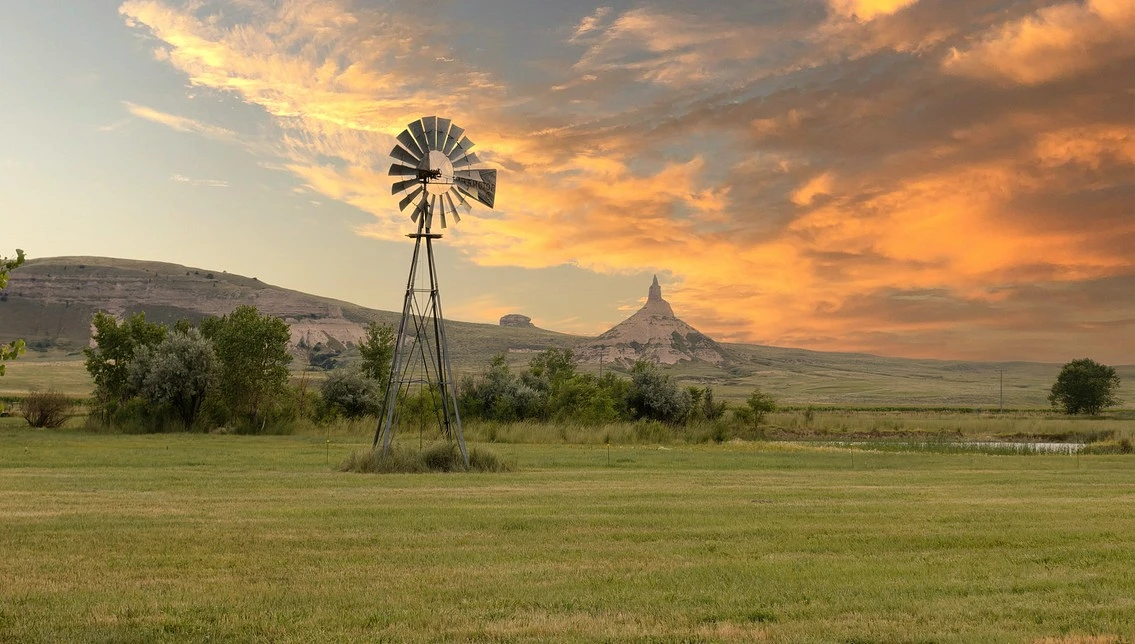
Spring arrives in Nebraska abruptly, retreats, and returns without warning. March mornings retain winter’s edge. By April, the land thaws visibly: fields gain color, trails soften, wildflowers emerge across open prairie. This season brings volatile skies - constant wind, sudden cold fronts, building storms. Reliable packing involves layers; never trust a single forecast. The compensation includes thinner crowds, lower rates, and a tangible sense of possibility.
Summer (June–August): Festivals, Lake Days & Peak Road-Trip Season
Nebraska summers don't whisper - they announce themselves. Days stretch out, towns buzz with action, and calendars clog with fairs, ball games, and concerts. It's prime time for hitting the road. Everything's open, trails are clear, no snow in sight. Just prepare for the wall of heat, the thick humidity, those abrupt thunderstorms rolling in fast.
For camping or lake days, this is the window. Heed two things: that prairie sun is no joke, and water means bugs. Book ahead for big festivals or weekend spots; they don't last.
Fall (September–November): Crisp Hikes, Harvest Events & Golden Landscapes
Nebraska fall offers crisp travel conditions from September into mid-October. Days keep their warmth for trails; nights turn cool - ideal for camp sleep. This season brings the harvest. Farm stands appear. You find pumpkin patches and town festivals that feel legitimately local, not manufactured.
Color arrives in pockets: along river valleys, in parks, on certain streets. The Sandhills hold their grass-toned palette, looking sharp against big skies. Plan for earlier weeks. By late November, conditions shift toward ice and wind, complicating drives and outdoor time. Smooth travel depends on timing.
Best Months for Outdoor Adventures
Hiking & Scenic Drives: When Trails and Views Look Their Best
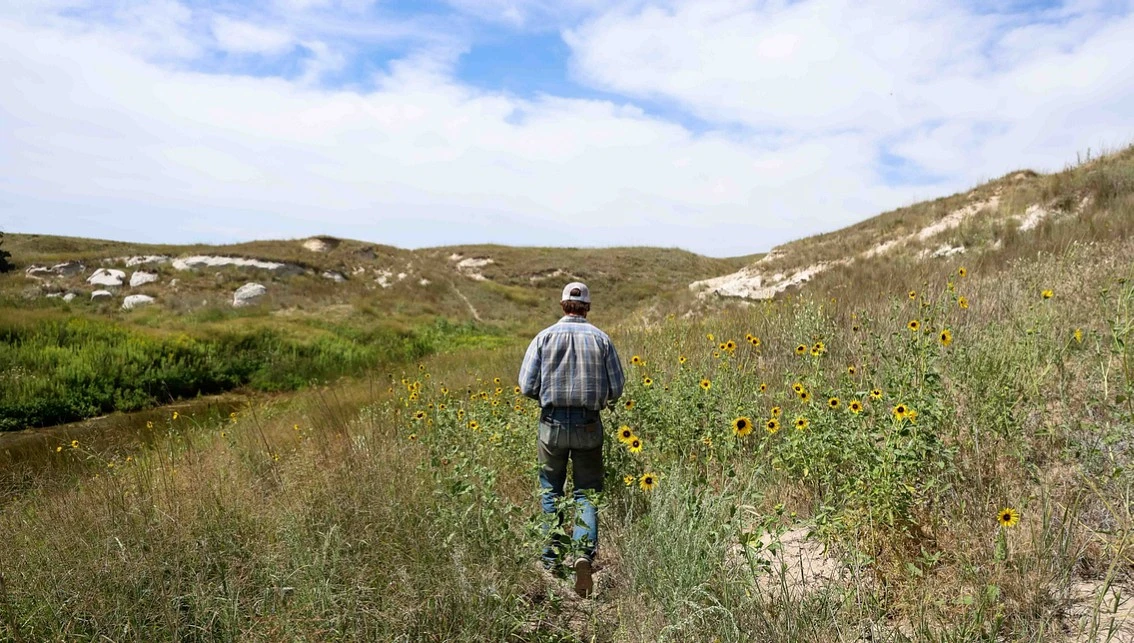
Target late April through early June, or September into mid-October. That’s the prime time for trails and scenic routes. Mosquito numbers drop. Daylight lasts, but the heat isn’t cranked up on those shadeless paths. Think Scotts Bluff National Monument or Chimney Rock - actually enjoyable when the sun isn’t blazing. Summer demands pre-dawn starts and serious hydration. Winter? Possible, sure. But that wind cuts, and ice makes simple paths a hard pass without the right gear.
Wildlife Watching: Sandhill Cranes, Bison, and Prairie Life
Watch the clock in Nebraska, and the wildlife pays off. The main event is the Sandhill crane gathering. It hits its stride late February through March along the Platte River near Kearney. That migration draws the crowds back. Every single year.
For bison and prairie birds, target the shoulder seasons - late spring or early fall - when cooler temps keep creatures moving throughout the day. Summer’s intense heat shuts things down by noon. Success here demands patience and a willingness to rise early. Come prepared with binoculars, a camera with a decent zoom lens, and plenty of time. Rushing guarantees you’ll miss the show.
Camping & Water Fun: Lakes, Rivers, and Warm Nights Outside
For warm-water swimming and camping, aim for June through early September. Lakes finally shed their chill, perfect for tubing or kayaking. Nights stay mild - no freezing in your tent. Central and eastern Nebraska offer numerous lake recreation sites. Rivers like the Niobrara become summer social hubs.
July and August see peak water temperatures and peak crowds; weekends get particularly busy. Quieter alternatives exist in early June or late August. Spring camping remains possible, but unprepared groups risk cold nights and abrupt storms disrupting the trip.
Top Events & Local Festivals Worth Planning Around
Music, Food & County Fairs: Classic Nebraska Summer Highlights
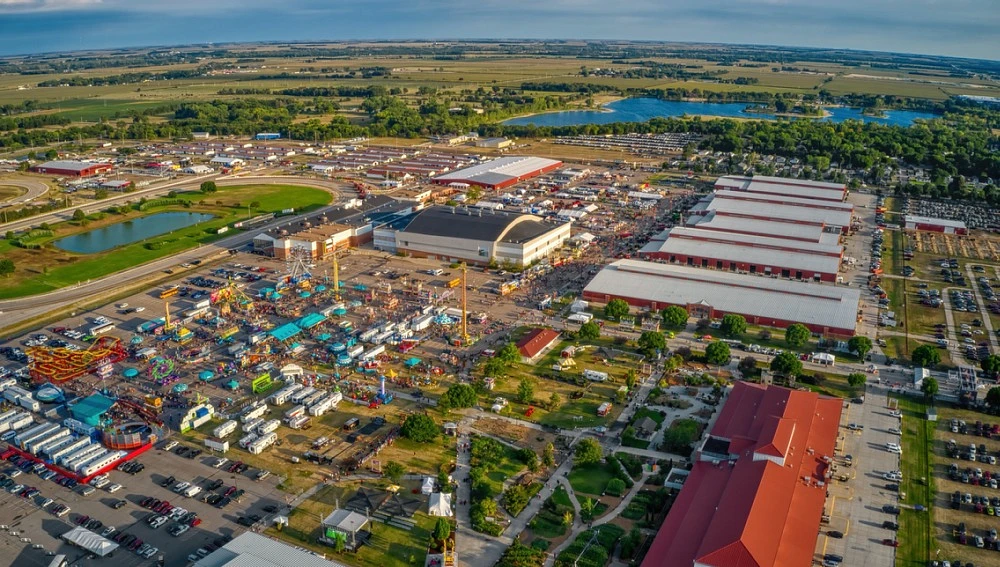
Nebraska summers mean fairs. County fairs appear everywhere - rodeos in the dust, spinning rides, livestock judging under barn lights, and music that’s the real deal.
For an amplified version, target the Nebraska State Fair late in August. Outdoor concerts, farmer’s markets, and town celebrations pile onto the calendar. The whole scene is unpretentious. Show up. Eat something fried on a stick. Wander. That’s the entire plan. Simple. Fun. No complications.
Sports & Game Days: Timing Your Trip for College Football Atmosphere
For a true hit of Nebraska electricity, time your visit for a Husker football Saturday in Lincoln. The city transforms. Tailgate lots hum, bars spill over by morning, and red gear floods the streets - a total takeover. You don't need to know a play to get swept up in the current. Target September or October: the air crackles then, without August's heat or November's sharp chill. Secure a room way ahead. Expect gridlock, premium prices, and a palpable buzz. Pure adrenaline, if that's the scene.
Holiday Lights & Winter Markets: Cozy Reasons to Visit Off-Season
Nebraska in winter? Underrated. Ditch the usual hassle and cost; instead, lean into urban stays and interiors. Omaha specifically comes alive post-fall. The downtown core transforms for the Holiday Lights Festival - a genuine glow - while temporary rinks and holiday markets appear almost overnight. Priorities change. The search becomes about cozy spots: a standout bakery, a restaurant known for more than its patio, a cafe for hunkering down. The Henry Doorly Zoo’s light displays are a solid option, but always check the schedule first. One non-negotiable factor remains: the weather. Plans must stay loose, and driving demands real attention.
Budget, Crowds & Travel Comfort: Choosing Your Ideal Timing
Cheapest Time to Visit: Deals on Hotels, Flights, and Rentals
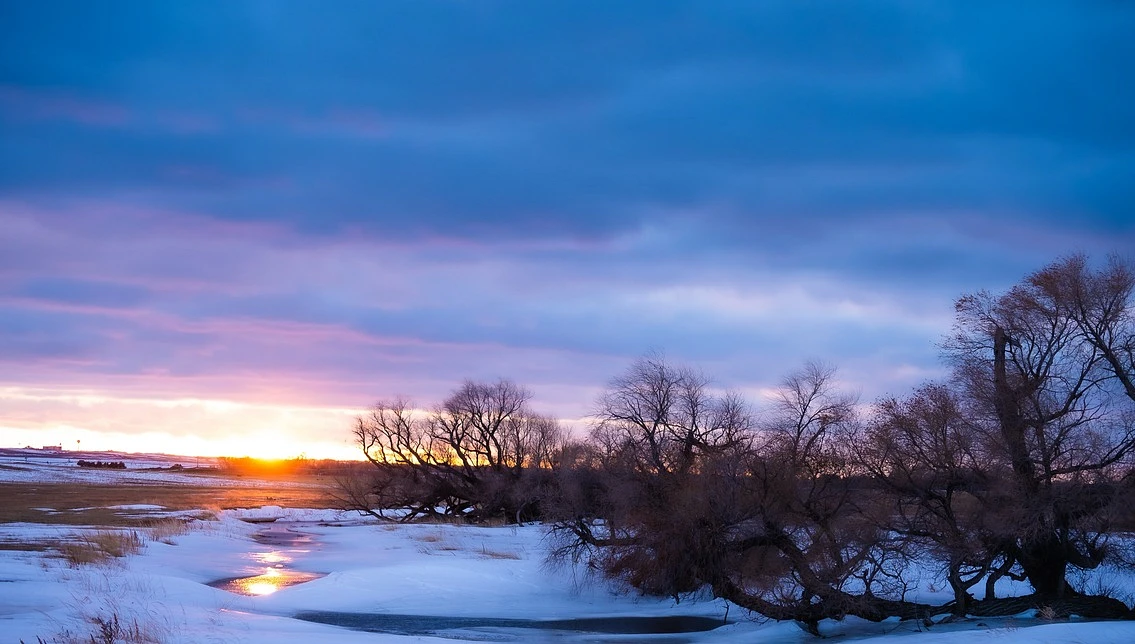
For budget travel, aim for January through early March or select November dates. With fewer visitors, hotels cost less, bookings are wide open, and rental cars sit ready. Flights into Omaha typically dip in price, avoiding major holiday weekends. The trade-off? Winter weather. It can upend plans. Outdoor possibilities thin out or disappear entirely.
Consider April or early May for savings without deep winter. Summer demand hasn’t yet spiked, so prices remain decent. Attractions reopen. Daylight stretches longer. This period offers a solid compromise: budget-friendly rates paired with greater variety.
Avoiding Crowds: Quiet Weeks for a More Relaxed Trip
Nebraska escapes the crush of typical tourist hubs, though clear rhythms of activity still define its calendar. Summer weekends at major lakes shift the vibe completely. Omaha thrums in June with the College World Series. Lincoln packs out and buzzes on key football Saturdays - these moments charge the air with a crowded, kinetic energy.
For a calmer experience, target weekdays in May, early June, or late September. Trails open up. Restaurant waits shorten. Downtown parking becomes manageable. Another strategy: focus on the shoulder seasons - early spring or late fall. These underrated sweet spots offer mild weather with locals still active, minus the visitor flood. The result is a chill pace without sacrificing access.
Best Weather for Easy Travel: Road Conditions and Comfort Tips
Plan travel for late May, June, or September. Roads are clear then. Spring storms taper off, and winter ice isn’t an issue yet. July and August work - highways are open - but the heat can be brutal. Unprepared stops turn grueling.
Winter travel is possible, particularly in cities. Monitor forecasts closely. Avoid lengthy rural drives during snow; Nebraska pavement turns slick without warning. Pack water, always. Use layers, even in summer. Scheduling six outdoor activities on a scorching afternoon is a recipe for exhaustion.
Where You’re Going Matters: Best Time by Region
Omaha & Lincoln: City Breaks, Museums, and Weekend Trips
The ideal stretch for an Omaha-Lincoln weekend spans April to June or September and October. Humidity drops. You can wander without ending up sweat-soaked. Patios unlock, and parks shake off the quiet. Omaha’s Henry Doorly Zoo justifies a full day - spring or fall temperatures make that tolerable. Lincoln hits its stride in autumn.
Football weekends charge the campus, but hotels book solid and rates climb. Winter works perfectly fine. Focus on museums, restaurants, any indoor attraction. Just factor in extra drive time when the forecast turns white.
Sandhills & Western Nebraska: Big Skies, Stars, and Remote Beauty
Out in the Sandhills and western Nebraska, timing dictates the trip. Distance stretches, and weather rules. Aim for late May into June - that’s the sweet spot. Roads firm up, daylight lingers, and nights stay mild, perfect for watching stars or quiet campsites.
September hits different: cooler, fewer bugs, just as reliable. Summer still works, but the heat and storms don’t play around. Remote areas feel genuinely isolated when the sun blazes. Winter travel rolls the dice. Long drives turn risky with winds that whip snow and slash visibility. For smooth going, stick to late spring or early fall.
Niobrara & Central Nebraska: Rivers, Parks, and Scenic Small Towns
Summer transforms the Niobrara River region. The valley fills up with people floating, kayaking, and just soaking up long, unhurried days outdoors. If you want that energy, aim for mid-June through August. The sun soaks the valley then, stretching daylight for maximum time on the water.
Prefer solitude? Try early June. Or late August. The crowds thin out. For the quietest experience, weekdays are key.
Central Nebraska offers alternatives in spring and fall: state parks, brief hikes, driving routes connecting small towns. September brings relief from intense heat, solid for outdoor plans. Winter advises flexibility. Operations scale down, yet the silence provides a genuine off-season escape.
❓FAQ❓
What’s the best time to visit Nebraska if I hate heat?
For travelers who prefer to avoid heat, Nebraska is most comfortable from late April through early June, or from mid-September to mid-October. Temperatures stay mild, eliminating the intense summer sweat.
When is the best time for a quick 2–3 day weekend trip?
Short weekend trips work best in May and September. These months simplify planning - packing light is feasible, and schedules can easily blend indoor stops with outdoor time.
What time of year has the prettiest sunrises and sunsets?
The clearest skies for sunrises and sunsets typically arrive in September and October. Calmer air and reduced haze create reliable conditions for capturing golden-hour photography.
When is the best time to visit Nebraska for stargazing without freezing?
Optimal stargazing, without winter's freeze, occurs from late May into June. This period offers darker skies, noticeably warmer nights, and avoids the unpredictable weather of colder months.