









🎯Too Long; Didn’t Read
New Hampshire doesn't do half-measures with its seasons. Winter and summer stand in stark contrast.
-
January days hover around freezing, but nights plunge to 16°F.
-
Come July, the thermostat swings to daytime highs near 81°F and milder 61°F nights.
-
For reliably settled weather, target late May through early June or early September.
Summer and the peak fall foliage period see the best conditions. They also get packed—crowds swell and lodging prices spike. The low season, after the leaves fall and during the spring shoulder weeks, offers thinner crowds and potential deals. The trade-off is unpredictable weather and trails often turned to mud.
Spring and early summer are prime for hiking and waterfall runs. That said, early spring in the mountains almost guarantees leftover snow patches and plenty of mud.
New Hampshire Seasons: What to Expect Year-Round
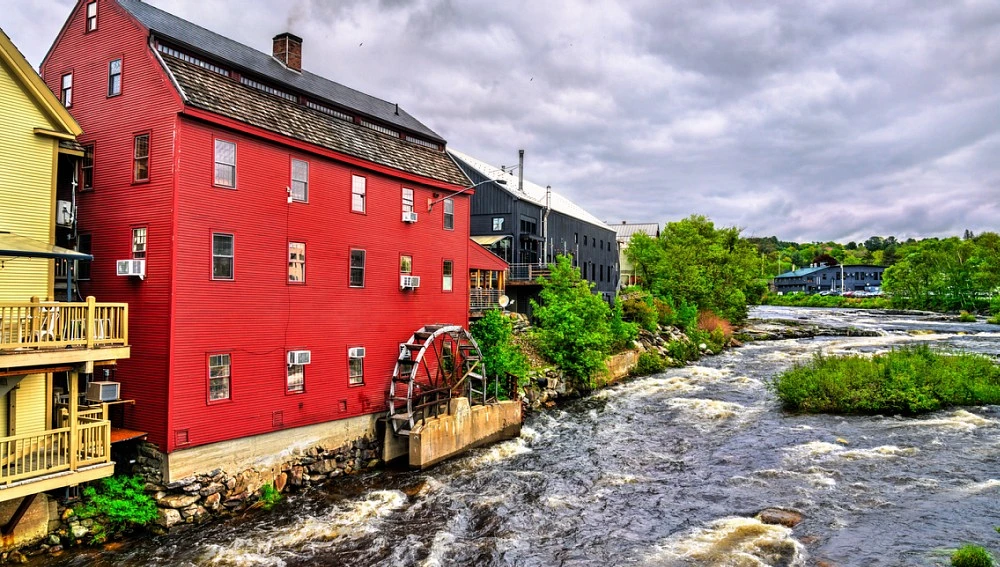
Climate and Weather by Month
New Hampshire operates on definitive seasons. The shift from January to July isn't subtle - it's no half-measures. Concord in deep winter: daytime averages cling to 32°F, nights plummet near 16°. That's the coldest it gets. Come July, the peak of summer, things ease off. Daytime highs hit around 81°F, with nights cooling to 61°F.
For reliable conditions, aim for late May or early September - fewer wild swings. Spring and fall, however, refuse commitment. Dry one day, soaked the next, then gusty. Constant recalibration.
How Nature and Landscapes Change by Season
Winter sharpens the state into something crisp, almost graphic. Forests brighten. Mountain roads go quiet. Daylight tightens. Spring arrives in bursts - snow lingers stubbornly on peaks while valleys flush green. Early summer pulls everything into a dense green canopy; the whole place feels richer, charged with more shades, more water, more motion.
Then fall hits, visually dramatic. Deciduous forests shift fast, requiring careful route planning. After the leaves drop, the palette fades to muted tones. Long twilight reclaims the sky.
Pros and Cons of Traveling in High vs. Low Season
High season in New Hampshire hits with summer and peak fall foliage. Expect postcard views and easy walks. Also expect a mad dash: quiet vanishes, last-minute spots are gone. Towns and overlooks crowd; scoring a room becomes a tense affair.
Low season creeps in after the leaves fall and during spring’s in-between weeks. Crowds thin. Roads calm. Lodging deals sometimes appear. Trade-offs? Weather turns unpredictable. Trails get muddy. Some places cut their hours or close entirely.
A solid compromise lands in May and early June. Fewer people. Decent weather. Availability opens up. It’s a practical window - before the summer rush, after the spring thaw.
Best Time for Outdoor Activities: Mountains, Trails, and Lakes

Spring and Early Summer: Hiking, Waterfalls, and Blooming
Late spring and early summer work well for people who want to stay active without oppressive heat. Trails gradually dry out, forests fill in with thick green growth, and waterfalls look especially strong - snowmelt and rain do their job. That said, early spring in the mountains can still mean leftover snow and muddy stretches, so it’s smarter to choose routes with extra buffer time and realistic expectations.
Late May and June usually feel more reliable: you can commit to day hikes, plan picnics, and drive longer scenic routes. It’s the kind of season where you “moved a lot and didn’t get wrecked.”
Summer: Swimming, Kayaking, and Water Days
Summer in New Hampshire is all about water. Lakes, inlets, calm coves, and kayaking become the main reasons to go in July or August. Warm days here don’t typically turn into endless sticky heat - especially if you stay near the coast or close to the water. Mid-summer is perfect for the combo of “morning activity - afternoon beach - evening town + food.”
The catch is crowds: summer is peak traffic, and parking at popular places can disappear unexpectedly fast. If you want better balance, weekdays help, or late August, when the flow starts easing.
Fall: Hiking in the White Mountains and Foliage Views
Fall is a strong season for mountains and trails, especially in the White Mountains. The air gets drier and calmer, climbs feel easier, and views of ridges and valleys take center stage. Hiking in September and early October often feels dialed in: no summer stickiness, but winter restrictions haven’t arrived yet.
The main risk is popularity. During peak foliage, trails and scenic pull-offs can feel too busy for a slow, relaxed pace. On the upside, this is when the visual payoff is at its highest, and scenic drives become a real part of the trip - not just transportation.
Seasonal Vibes and Events: When to Go for Atmosphere
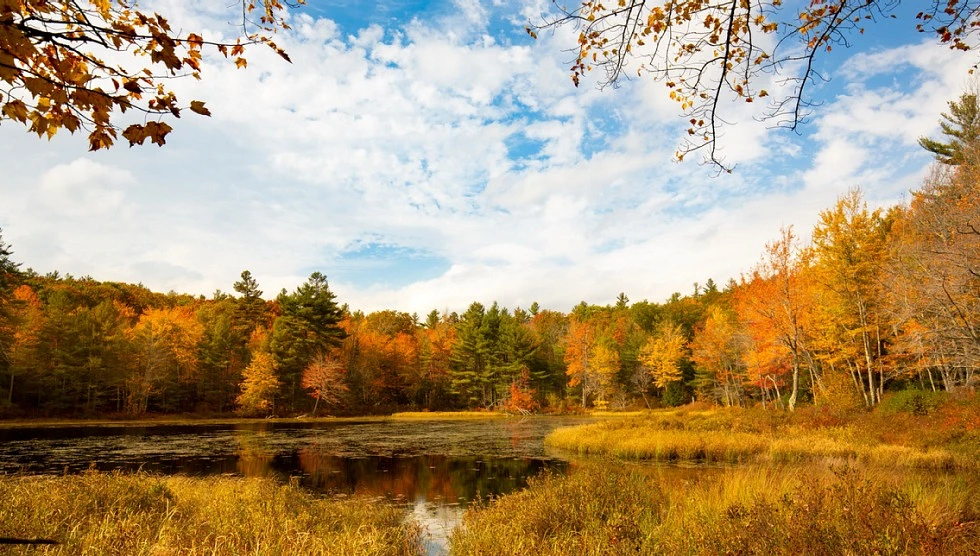
Fall “Leaf Peeping”: Peak Color and the Best Routes
Chasing New Hampshire’s foliage isn’t a luck game. In the White Mountains, peak color usually hits from late September into the second week of October - plan around it. Down lower, leaves hang on longer.
The rough guide is north first, south later, but it’s not foolproof. Weather throws curveballs, speeding things up or slowing them down. That’s why you hedge your bets. Build a flexible plan: maybe a day for scenic drives, another for short hikes, a third for towns and lakes. One rainy day won’t ruin the trip. You just roll with it.
Winter: Ski Season, Snow, and Christmas Markets
New Hampshire winters aren't just a scene; they earn their keep. The ski season kicks off around late November, locking in through early April - sometimes longer if the snow keeps up. This isn't decorative snow. It's the packed, reliable foundation for downhill runs, cross-country tracks, and snowshoe trails.
December sharpens the focus with festivals, market lights, and town events, all against that bitter cold. Of course, you have to plan for it: daylight retreats early, storms can punch through, and road conditions demand attention. In return, the state delivers a punch-clock reliable winter lineup.
Summer: Festivals, Farmers’ Markets, and Local Celebrations
Summer New Hampshire can get lively - but without feeling chaotic. Coastal towns and resort areas often host seasonal events, while markets and small festivals add a sense of local life. A good example is the Hampton Beach Seafood Festival, traditionally held in the Hampton Beach area on the weekend after Labor Day, meaning closer to early September. It’s a great option if you want to combine warm weather, the ocean, and a major event.
Summer is also a great time to hunt for local food and simple outdoor fun - without complicated plans or racing between attractions.
Regional Travel: Where to Go in Different Months
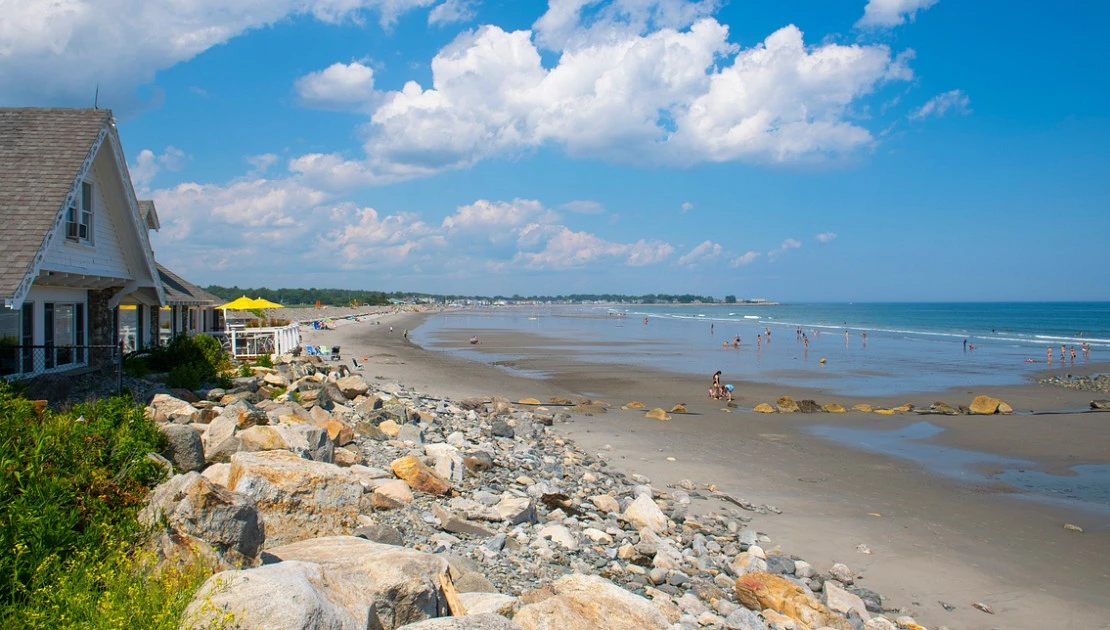
White Mountains: Best Weeks for Hiking and Scenic Drives
The White Mountains offer two distinct experiences: summer trails and autumn views. For hiking, target June through August. These are the snow-free months, with extended daylight. September shifts the feel - cooler air hits you on ascents, trails grow quieter.
Peak demand arrives late September into October. That’s foliage season. Even a quick drive turns into a killer display. Shoulder seasons, like spring, are unpredictable. Trails get muddy, weather changes on a dime. The trade-off? Fewer crowds and simpler bookings.
Lakes Region: When It’s Most Comfortable
The Lakes Region is ideal for staying put instead of constantly driving around. The most comfortable months are July and August: warm days, swimmable water, and boating/kayaking becoming the default rhythm. June is a calmer version of summer - fewer tourists, but everything is already open.
September can be a strong continuation: fewer people, cooler evenings, cleaner air. In spring, the area is beautiful, but true “lake time” still hasn’t fully kicked in. Winter has its own vibe too - walks and small resort activities - but the region’s main strength is still summer and early fall.
Atlantic Coast: Beaches, Walks, and Seafood
New Hampshire’s coastline is compact, but it has strong seasonal character. The best time for a beach-style trip is July and August, when daytime temperatures are usually comfortable and wind isn’t a constant nuisance. June already feels alive, but the vibe is calmer: fewer lines, easier parking, more space.
Early September often becomes a very pleasant extension - the water still holds summer warmth, and the tourist flow gradually drops. In fall and winter, the coast shifts into a walk-and-watch-the-weather kind of place: fewer open businesses, but more quiet. If you want a trip built around an event, look toward Hampton Beach festivals closer to September.
Practical Tips: How to Pick the Right Dates for Your Trip
When It’s Cheaper: Lodging Prices, Transportation, and Crowds
The busiest periods are usually July-August and peak foliage in late September and early October. During these weeks, places book up fast and prices rise - not because it’s “tradition,” but because demand spikes. If you want a calmer, more budget-friendly trip, look at May, early June, and the stretch after peak foliage ends - roughly from the second half of October, when the season starts winding down. In winter, a lot depends on the ski calendar: holidays and weekends get packed, while midweek is typically quieter.
One small detail: saving money isn’t only about nightly rates - sometimes it comes down to having to drive farther for parking or less crowded areas.
What to Pack by Season: Clothing and Small Essentials
Packing for New Hampshire? Plan for swings, not averages.
Spring and fall demand layering: think thermal top, fleece, windbreaker, and waterproof shoes.
Summer calls for light clothes, but always stash a rain jacket - mountain weather shifts fast. At the lake, quick-dry towels and water shoes are essential.
Winter isn’t for toughing it out. A warm base layer, face protection, gloves, and extra socks beat any single “super warm” coat. One more practical combo: a small thermos and a headlamp. Daylight runs short. Delays are common.
Sample Itineraries (3-7 Days) for Different Seasons
-
Summer, 3-4 days: Base in the Lakes Region, one day on the lake and kayaking, one short trip to the coast, evening walks around small towns.
-
Summer, 7 days: Add the White Mountains with 2-3 hikes of different lengths and one scenic drive.
-
Fall, 3 days: White Mountains, two moderate hikes and one day for panoramic routes and scenic overlooks - best in late September or early October.
-
Fall, 1 week: Combine White Mountains + Lakes Region so you’re not traveling at a single pace the entire time.
-
Winter, 3-5 days: A ski resort in the White Mountains, plus one day for winter walks and low-key off-slope activities.
❓FAQ❓
What’s the single best month to visit New Hampshire overall?
September typically stands as the prime choice. Days are comfortable, nights crisp. Bug populations drop off. Hiking trails are in reliable shape. You also catch the initial shift in foliage - those first reds and golds - without the massive tourist influx that comes later.
When is the best time to avoid crowds but still get great weather?
Target the midweek days in June. Alternatively, aim for early September. These periods offer summer's warmth and accessibility, but with noticeably lighter traffic and easier parking.
What’s the best time for a romantic getaway or cozy weekend vibe?
Consider early December. Towns often have their holiday lights up, creating a warm ambiance. There’s a chance of snow, adding to the atmosphere, but the intense holiday traveler crowds haven’t yet descended.