








🎯Too Long; Didn’t Read
-
Visit timing depends entirely on priorities. For the overall best balance, target September. Days cool down, crowds thin, insect numbers drop, and roads typically remain open.
-
The reliable window for full access runs from late May through September. Peak operation for parks, lakes, and events clusters in the summer core of June to August.
-
Hiking Theodore Roosevelt National Park and scenic drives are prime from late May until early October. Note that October, while visually stunning, carries a real risk of early snow.
-
Wildlife viewing follows specific clocks. Major bird migrations animate April and May. The dramatic elk rut dominates September. Bison are present year-round, with spring and fall offering the most activity.
-
For water-based activities - swimming, kayak, beaches - stick to June through August. Early September can sometimes work, but services become hit-or-miss.
-
Wildflower seekers should aim for June, when prairie and Badlands landscapes see sudden color.
-
Solitude is best found during the shoulder seasons of spring and fall. Winter is near-empty, but access and amenities become severely limited.
North Dakota's Seasons at a Glance
Winter (Dec–Feb): Snow, Silence, and Northern Lights
Winters here are remorseless. Temperatures plunge below zero and stay there, the windchill sharpening the edge. Pavement transforms into black ice; small towns retreat inward. This hardness brings clarity: trails for skiing and snowmobiling etch themselves across the snowscape, routes that vanish by July. When the sky clears, the auroras flicker, a silent show. Urban life in Fargo and Bismarck persists indoors - theaters, breweries, markets offering a warm refuge.
Success demands strategy - insulating layers, serious boots, a stockpile of patience. This season acts as a filter. The casual stay away. What remains is a space for those who understand the cold, who find a bone-deep payoff in its stark, uninterrupted terms.
Spring (Mar–May): Prairie Awakening and Mud Season
March clings to winter. Snow hangs on; roads dissolve into slop under skies that can’t decide between freeze and thaw. Then April arrives, and the shift is physical - a restlessness in the air. Birds move in waves. Flocks of geese stitch the sky, while cranes and ducks crowd the wetlands, filling every prairie pothole. Come May, wildflowers punch through. Grasslands pixelate into color.
Mud season is real. Dirt roads become gumbo-thick, impossible. Hiking trails stay soggy for weeks, long after the calendar says they shouldn’t. But fishing picks up as the ice vanishes. Farmers are out, tractors crawling across fields as the landscape sheds its winter brown. It’s all transition, not peak season. For those who watch closely, though, it’s pure gold.
Summer (Jun–Aug): Peak Days, Festivals, and Badlands Trails
Summer arrives in full force. Days extend well past nine, light lingering like a withheld secret. Temperatures climb into the seventies and eighties, often higher. Theodore Roosevelt National Park hits its peak season, yet trails remain quiet - nothing like the crush of Yellowstone or Glacier. Nightly, the Medora Musical performs; pop-up festivals animate small-town streets; lake beaches become family territory. Thunderstorms build, then unleash their spectacle: lightning cracks, brief, drenching rains, sudden clarity.
Water means mosquitoes. Pack repellent. This is the popular season, and rightly so. Conditions align. Everything is open, available. The northern light persists, outlasting even the most determined visitor.
Best Time to Visit by Interest
For National Parks & Scenic Drives: Late Spring to Early Fall
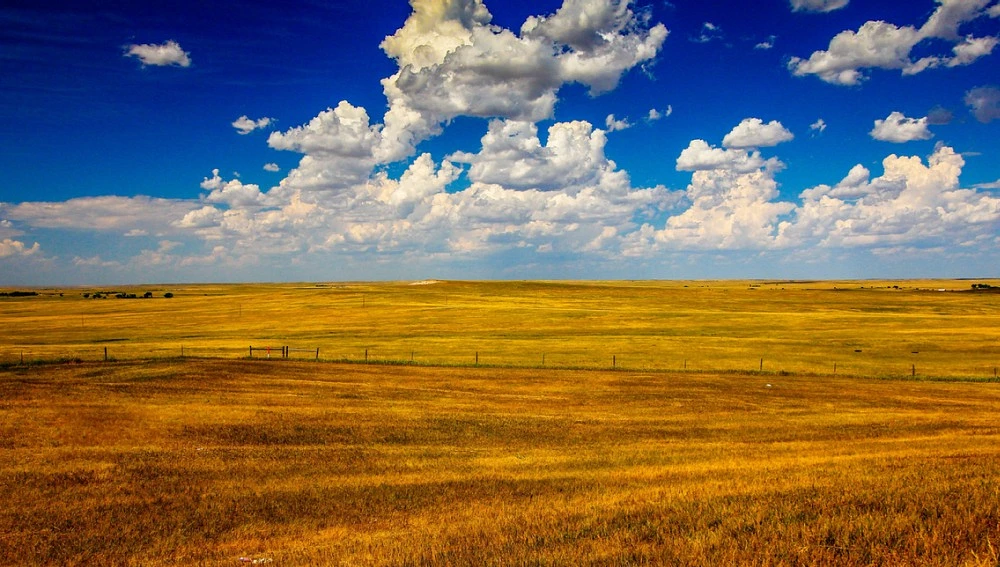
Theodore Roosevelt National Park remains open all year, but the landscape truly wakes up from late May through September. Trails firm up, dust kicks up underfoot, and you can cruise the full 36-mile scenic loop without a second thought. Herds dot the hillsides. June explodes with wildflowers; spring introduces wobbly bison calves. Come fall, the bugs clear out and hiking cools down - most roads stay open until winter.
That’s also prime time for capturing the Enchanted Highway, when golden grasses ripple under an endless sky. October is a gamble, with early snow already dusting the high country. Winter tightens access considerably: key roads shut down, and facilities scale back.
For Wildlife Watching: Spring Migration and Fall Rut
April and May trigger a surge. Prairie wetlands swell with hundreds of thousands of passing waterfowl. Sandhill cranes converge in fields, gathering in noisy flocks. Birders target known hotspots - Audubon Refuge, J. Clark Salyer.
The scene shifts by September. In the Badlands, elk rut dominates. Bulls bugle, clash and court; dawn finds photographers lined along frozen roadsides, waiting. Bison persist year-round, but spring and fall deliver: more movement, tolerable weather. Winter viewing demands toughness. Cold rewards the prepared. Animals etch against white, tracks narrate the day's hidden business.
For Water Activities: Lake Season and River Floats
June through August is water season. The big bodies - Devils Lake, the Missouri River - and countless smaller lakes finally warm up. Swimmable. Kayakable. Fishable. Sure, walleye bite better in spring and fall, but summer is for being on the water, not just fishing it. Everything’s in full swing: boat launches are busy, state park beaches have staff, river floats don’t require bundling up.
Come September, it’s still possible. But services wind down, the water chills. Then winter shifts everything completely - gear, goals, grit - to the hard water. That’s a different game.
Weather, Crowds, and Costs
Temperature & Daylight: What to Expect Month by Month
Winter locks in hard. January averages single-digit temperatures; nights routinely dive below zero. February offers no relief. March teases with intermittent warmth, then snaps back to cold. By April, thermometers finally climb into the 40s and 50s.
Spring is brief. May pushes into the 60s, sometimes touching the 70s. Then summer settles: June through August maintain 70s and 80s, though heat waves can spike into the 90s.
The turn comes fast. September slides back into the 60s. October returns to 40s and 50s. November turns grim - gray and chilled. December freezes completely.
Daylight shifts dramatically. December squeezes sunlight into roughly eight hours. By June, it stretches past sixteen. This swing in usable light dictates daily logistics more than outsiders ever realize.
Crowd Levels: When Trails and Towns Feel Quiet
Theodore Roosevelt National Park draws roughly three-quarters of a million people each year. Most cram into summer. Yet even at its peak, the place holds its own - it never feels overrun. Things get busy in Medora when the Musical is on, but that energy is fleeting. Once the curtain falls, the town quietens down.
For near-private access, aim for spring or fall. Winter promises near-total solitude, provided the roads and facilities are running. Any time of year, a weekday visit is a decent bet over a weekend.
September is the sweet spot. The weather usually cooperates, the summer crowds have dispersed, and families are back on school schedules. If finding space matters most, the shoulder seasons deliver solid solitude without sacrificing decent conditions. Just verify what’s open - lodging and services can scale back outside summer. Plan for that.
Budget Tips: Lodging, Fuel, and Deals by Season
Summer prices hit their highest mark, especially around the parks and Medora. Book ahead or you’ll find limited options. Come spring and fall, rates drop. Last-minute deals pop up more often then. Winter lodging costs the least, but many places shutter. Fewer options, higher prices.
Chain hotels in Fargo and Bismarck keep their rates steady. Independent motels and B&Bs? They fluctuate - sometimes wildly.
Fuel costs hold relatively stable. Just know that rural stations generally charge more than city pumps.
Camping saves serious money if the weather plays along. State parks are cheap. Dispersed camping on public land? That’s free. For food, groceries cost less than restaurants, which close early outside urban areas.
Summer festivals usually have an admission fee. Off-season shifts the scene toward free or low-cost events.
Regional Timing: Where You Go Changes Everything
The Badlands & Theodore Roosevelt NP: Best Windows for Hiking
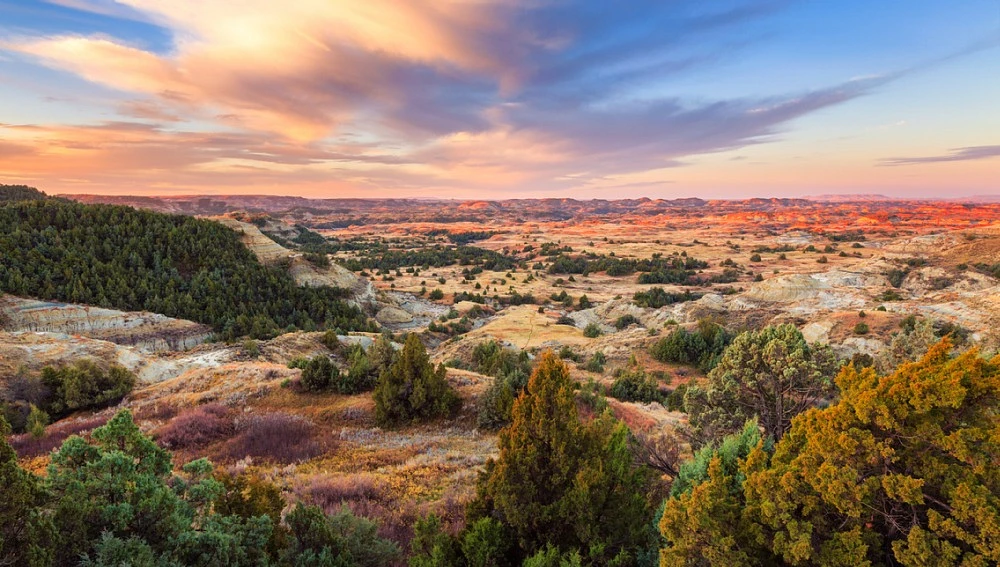
The South Unit stays open all year, though snow shuts roads without warning between November and March. The North Unit’s scenic drive closes for winter. Late May into June: everything turns green, wildflowers appear. July and August crank up the heat; crowds sometimes follow. September to early October cools down. Grasses go gold. Visitor numbers drop.
Hiking works best from 50 to 75 degrees. Higher, and the exposed trails punish you. Lower, and the wind whips through jackets. At sunrise and sunset, the Badlands shift to pink and orange. Set an alarm for at least one early morning.
The Red River Valley: Fall Color, Farms, and Small-Town Events
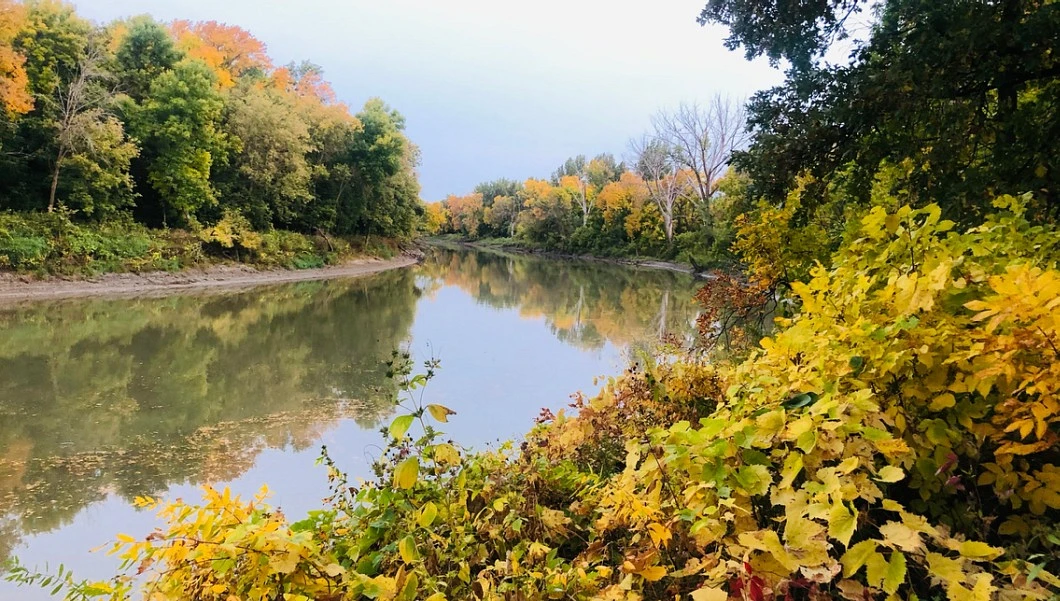
The eastern valley operates outside typical tourist circuits. That changes in fall. Late September into October shifts the region into harvest mode - corn, soy, beets hauled from earth to trailer. Community rhythms surface through town festivals, open farms, roadside stands. Color peaks in early October, a quieter display than eastern forests: cottonwoods bleach to pale yellow, aspens flicker gold.
Note the Red River - spring thaw can flood in March and April, complicating travel. Summer hums with agricultural work but offers little scenery. Winter stalls the landscape. For movement and mild air, autumn is the operational window.
Lake Country & Devils Lake: Fishing and Beach Weather
Devils Lake hits its summer stride between Memorial Day and Labor Day. That’s when the beaches open, boat rentals run, and fishing hits its peak. But here’s the local detail: walleye fishing actually gets better in spring and fall. Cooler water temps trigger the bite. The catch? Chilly weather makes those seasons a grind for anyone not fully committed.
June and July deliver swimmable water and reliable conditions. August tends to shift - water warms, weeds get thick. Then winter takes over. Once the lake freezes solid in December, the hardcore anglers appear. Ice fishing becomes the focus. Winter festivals pop up, but the real draw is for those die-hards. For everyone else, summer remains the default.
Ready-to-Use Itineraries by Season
3-Day Summer Trip: Badlands, Medora, and Starry Skies
-
Day One: Reach Medora and settle in. The town’s compact - stroll Main Street, gauge the vibe. If the schedule aligns, secure tickets for the Medora Musical. Weekend performances vanish fast.
-
Day Two: Focus on the South Unit. Drive the loop, but pause where the land demands it. Hike Wind Canyon for raw river views or trek the Petrified Forest Trail. Bison herds appear without warning; prairie dogs chatter from mounds. Pack lunch or return to Medora for food.
-
Day Three: If energy holds, venture to the North Unit - wilder, steeper, quieter. Otherwise, detour through Painted Canyon before heading home. Use scenic byways; the interstate dulls in comparison.
Essential Notes: Reserve lodging months early. Temperatures shift rapidly - layer clothing. Carry water and snacks constantly. After dark, the sky explodes with stars; light pollution doesn’t exist here. Make time to witness it.
3-Day Fall Trip: Scenic Byways, Harvest Stops, and Cozy Cafés
Start in Bismarck. Head south on the Enchanted Highway, where giant scrap-metal sculptures erupt from the horizon, framed by waving seas of wheat. Grab a midday bite in Regent - think hearty, no-fuss plates. Push on to Theodore Roosevelt National Park for the evening light; that’s when the bison herds and prairie dogs become most active. Bed down in Medora or Dickinson.
Day two: take the park slowly. Mornings bring cooler air and emptier trails.
Day three: drift east through farm country, aiming for Devils Lake or the Sheyenne River Valley when the color peaks. Pull over whenever you spot a hand-painted sign for a cafe, a farm stand hawking pumpkins and local honey, or a small-town brewery tapping an autumn ale. This is the season for playing it by ear - the places are still open, but the summer rush is long gone.
3-Day Winter Trip: Fargo to Frozen Trails and Cozy Museums
Fargo works as a hub - it’s got what you need. Start downtown: hit up the galleries, the Air Museum, then whatever’s brewing at local spots.
Next day, move outside. Ski or snowshoe Buffalo River State Park, maybe Gooseberry. Bundle up. Seriously.
Day three, head west. Fort Abraham Lincoln State Park near Mandan offers trails and history; Bismarck’s Heritage Center is another option. Always have a backup. The weather turns on a dime here. Keep your car stocked with emergency gear. When the windchill plunges, know your indoor escapes. This winter demands preparation. But it pays you back if you’re ready for it.
❓FAQ❓
When’s the best month for comfortable weather and few crowds?
September hits that sweet spot. Temperatures cool for hiking, the mosquito buzz fades, and a post-summer quiet settles in. This is especially true on weekdays.
What’s the best time to visit for stargazing (not just northern lights)?
Target late August into October. Darkness lasts longer without the deep-winter misery. Skies over the Badlands turn brutally clear, particularly when storm systems retreat.
When’s the best time for road-tripping without surprise closures?
The safest bet is mid-June to mid-September. All scenic routes should be open. October offers beauty but starts to roll the dice on early snow.