







🎯Too Long; Didn’t Read
-
Spring (March–May) delivers mixed results. Gardens wake up, waterfalls run strong, and crowds stay manageable. Just pack for rain. Trails get muddy.
-
Summer (June–August) is when the state goes full throttle. Major festivals, lake days, constant action. It comes with heat - sticky afternoons - and premium prices.
-
Fall (September–November) might be the easiest bet. Cooler, road-trip ready, ideal for hiking. Crowds thin compared to summer.
-
Lake Erie and the Islands: Reliable beach weather hits in July and August. For a quieter vibe, try late spring or early fall.
-
Hiking and state parks: Spring delivers stronger waterfalls. September through October offers comfortable trails and fewer bugs.
-
City weekends in Columbus, Cleveland, or Cincinnati: May and September–October are prime. Walkable streets, more events.
-
Seeking fewer people? Target April–early June or mid-September–early November. Just avoid major event weekends.
-
Costs tend to drop in late winter and during gaps between big draws. Trade-off? Unpredictable weather.
-
Weather planning: Skip mid-summer if humidity is a deal-breaker. Winter trips, especially north, need buffer days for snow and ice.
-
Event seasons: Spring features smaller local weekends. Summer packs in the big festivals and fairs. Fall starts with harvest events, shifting to holiday lights later.
Ohio by Season: What to Expect
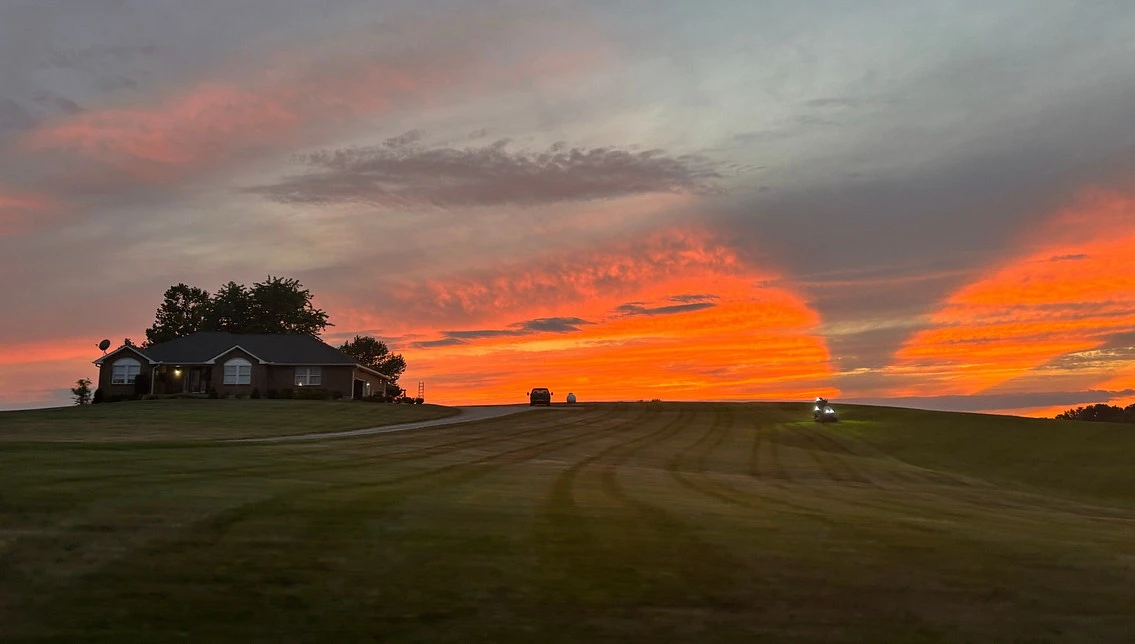
Spring (March–May): Blooms, mild days, and rain showers
Spring in Ohio refuses to settle. One week lingers in winter's chill; the next, a light jacket is enough. Then rain returns, washing everything gray. March stays cold across much of the state. April brings frequent showers. Only in May does the weather finally stabilize, becoming reliable for time outside.
For garden visits, park walks, or small-town weekends, the season works. Just pack for everything. Expect damp mornings, sudden warmth, and trails turned muddy from storms. Plan flexible days. Avoid tight schedules.
Summer (June–August): Festival peak, hot afternoons, and lake breezes
Ohio summers deliver thick heat and humidity, especially come July and August. Afternoons turn heavy - a true Midwestern slog if you’re not acclimated. Still, this is when the state truly unfolds. Streets thrum with festivals, ballgames crackle in stadiums, and waterfronts crowd with weekenders.
Up north though, Lake Erie shifts the feel. Shoreline air carries a cooler edge, a relief from the inland sweat. Demand peaks in these months. Crowds swell. Hotels hit capacity. Secure dates well ahead for any prime weekend.
Fall (September–November): Crisp weather and colorful road-trip scenery
Fall delivers comfortable days and ideal driving conditions. September holds onto summer’s warmth, perfect for patio lingering or park days. Come October, nights crisp up. Leaves go full flame in many regions. November shifts firmly into glove-and-hat time, especially after dark. Daylight? It vanishes quicker.
The season carries a different rhythm - less frantic than summer. With school in session, crowded spots thin out. Trails open up; you can actually breathe. For weekend road trips, fall is practically made for it. The roads call, the scenery’s amped, and the whole vibe is just...chill.
Best Months for Top Experiences
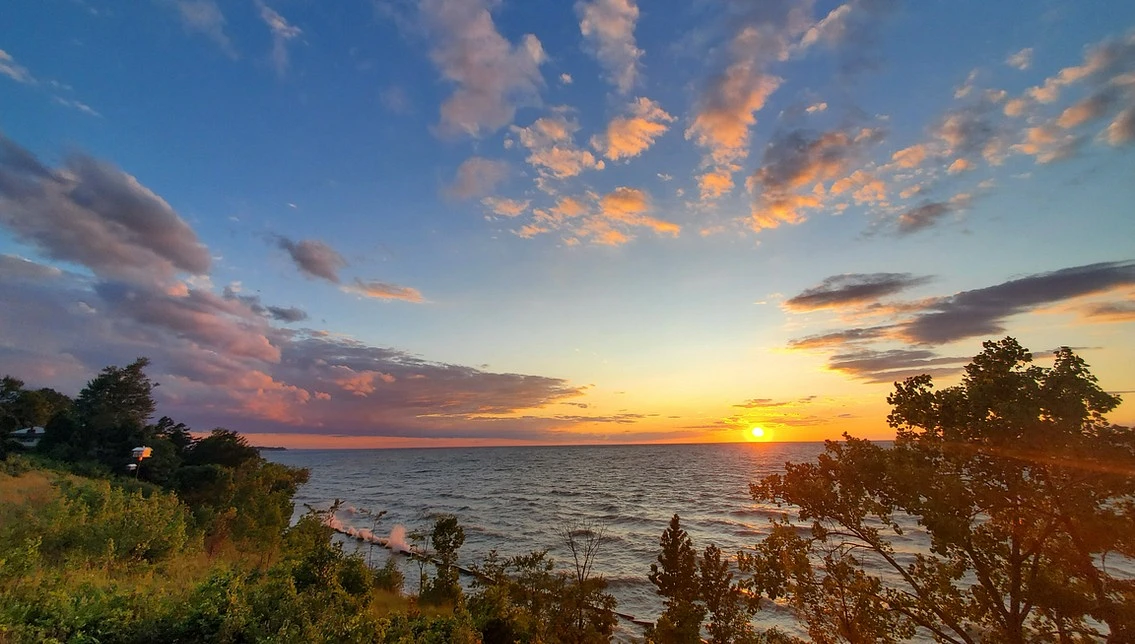
Lake Erie & the Islands: Beach days, boating, and sunsets
For Lake Erie, the prime stretch runs from late spring into early fall. The water takes its time warming up - early summer swims often carry a chill. July and August deliver the surest bet for long, lazy beach days. The islands follow the same seasonal pulse: ferries increase, restaurants unlock their doors, and nightlife stirs as the weather settles.
For a quieter experience, target weekdays or the shoulder months, like early June or late September. You’ll find the scene active but not overwhelming.
Hiking & State Parks: Waterfalls, gorges, and comfortable trails
For hikers, spring and fall are the prime seasons. Spring delivers stronger creek flow and more powerful waterfalls, fueled by rain and melting snow. Prepare for thick mud on trails; traction is essential and progress slows. Fall offers comfort: cool air, minimal bugs, and long miles without becoming a sweat-soaked ordeal.
Summer hikes work with early starts, though humidity often lingers. Winter brings quiet, but watch for persistent ice on shaded routes.
City Breaks (Columbus, Cleveland, Cincinnati): Events and walkable weekends
Cities operate all year. Late spring or early fall - that’s the sweet spot. Walking between neighborhoods actually feels good then, no battle with heat or sleet.
Summer cranks up the outdoor events. Patios open, lakefront spots in the north get popular. Just know: downtown hotel prices can go bonkers on major weekends.
Winter trips still work. Lean into museums, shows, food. But prepare for cold snaps. Sometimes travel gets messy.
If you want the full scene, summer’s the move. For easier exploring, aim for those shoulder seasons. Winter requires a plan.
Weather, Crowds, and Costs: Choosing Your Travel Style
If you want fewer crowds: Shoulder-season strategies
For space, clear out during shoulder season. Target April into early June, or mid-September through early November. Most attractions and restaurants operate on regular schedules. Parking becomes navigable again, without the peak summer scramble. Occasional busy pockets still erupt - game weekends, major festivals - but the overall rhythm slows. One non-negotiable: keep plans flexible. A spring downpour or an abrupt fall chill can shift everything.
If you want the lowest prices: When lodging tends to drop
Want the lowest prices? Hunt when nobody's traveling. That’s late winter - after the holiday rush fades. Or target the quiet gaps between major event weekends. In Ohio, the real slow stretch hits January through early March. This is especially true outside downtown business hubs.
Deals also pop up in early spring, before summer travel kicks in. Another window: late fall, once the leaf-peepers clear out.
The catch is obvious. Weather can turn rough. Some seasonal spots, particularly around the lake, shut down or scale back. If saving money is the priority, focus your plans around indoor options. Keep driving days flexible. Plan accordingly.
If you’re planning around weather: Heat, storms, and winter conditions
Ohio weather swings. The real test is summer: thick humidity and sudden thunderstorms that dismantle outdoor plans. Spring turns wet, variable - frequent rain transforms trails into a muddy mess. Winter brings raw cold and ice. Northern Ohio, especially near the shore, gets hit with lake-effect snow; conditions deteriorate without warning. For long drives or flights in winter or early spring, build in extra time. If heat is problematic, target May, September, or October. Skip midsummer.
Festival and Event Timing: Plan Around Ohio’s Calendar
Spring celebrations: Gardens, food weekends, and early outdoor markets
Ohio's spring events tend to snowball. Think garden weekends, the first farmers markets, local food pop-ups, community runs - they all roll out once the weather plays along. Museums and city spots ramp up outdoor stuff too, before the summer crowds hit. A solid plan is to anchor your day with one main thing and keep the rest flexible.
Spring weather is fickle; rain interferes, and some markets go inside or cut hours when it turns dodgy. Prefer a slower tempo and shorter lines? Spring’s your move.
Summer highlights: Music, county fairs, and waterfront events
Summer turns the volume up. Concerts swell. Festivals multiply down every block, county fairs bloom, and the action shifts lakeside. Live music calendars expand; outdoor screens flicker after dark; streets close for food weekends. It’s a blast, but it’s not quiet - roads clog, hotels sell out, and spontaneity gets pricy. Chase that peak intensity if you want it.
Prefer the events without the frenzy? Arrive early, aim for a Tuesday, or target smaller towns. They deliver a real lineup, just without the crush.
Fall & holiday season: Oktoberfests, harvest festivals, and winter lights
Fall packs the calendar. Harvest festivals, beer weekends, and food events stack up from late September into October. It’s a solid bet for craft shows and downtown walks - no sweaty mission required. Come Thanksgiving, the scene shifts. Holiday markets and light displays take over, mostly in cities and larger towns.
Planning turns crucial. Nights dip cold, rain settles in. Pack layers, scout an indoor backup. This stretch delivers festive energy without the summer crowds - a more mellowed-out vibe.
Regional Differences Inside Ohio: North, Central, South
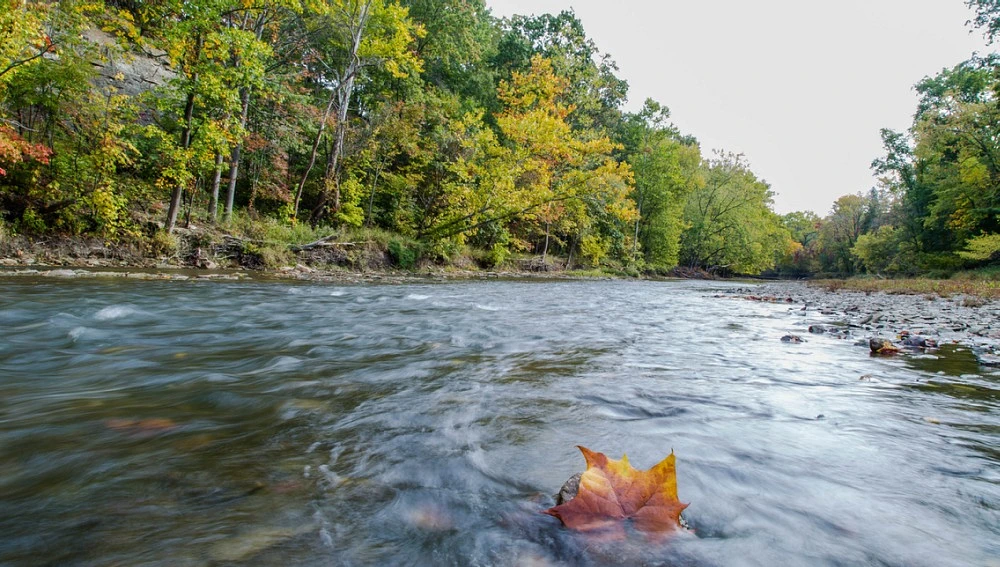
North (Lake Erie): Cooler springs, lake-effect changes, and beach windows
Northern Ohio feels the Great Lakes' influence directly. Spring hesitates to warm near the shore. Weather shifts fast - lake air pushing inland changes everything. Summers along Lake Erie offer a cooler alternative to the muggy heat found farther south. Winter reveals the tradeoff: lake-effect snow boosts totals in northern parts, and road conditions become unpredictable, changing mile by mile.
For beaches or island trips, target late spring through early fall. That window provides the best chance of catching a break.
Central (Columbus area): Balanced seasons and big-city event density
Central Ohio occupies a practical middle ground weather-wise. Summer humidity still lingers; winter delivers cold snaps. Yet the region escapes the relentless lake-effect systems dominating the north. This simplicity aids planning. Outdoor weekends prove more reliable than along the unpredictable shoreline. Scheduling around city events becomes straightforward - no sudden lake breeze sabotaging the forecast.
Columbus maintains consistent activity. Even off-season weekends buzz with options. For a straightforward, minimal-fuss trip, central Ohio simplifies the process.
South (Ohio River & Hocking Hills): Earlier blooms, warmer falls, scenic drives
Southern Ohio warms faster in spring and keeps fall conditions longer than the north. More comfortable outdoor days stack up. That advantage suits weekend drives, small-town exploring, or park visits - no peak summer heat required.
Take Hocking Hills. Spring and fall draw hikers. Spring runoff boosts the waterfalls. Fall delivers crisp, cool air on the trails. Summer still works, but humidity rolls in. Weekends get packed.
For an outdoorsy trip without the intensity, target late April through May. Or aim for late September into October. Those windows are solid.
❓FAQ❓
When’s the best time for birdwatching, especially warblers?
Mid-May is the prime window along the Lake Erie shore, with late April through late May also solid if you can’t hit the peak days.
Best time to visit for maple syrup stuff?
Early March is the classic “sugar season” in Ohio, and a lot of state-park maple weekends land right then.
When should anglers come for the walleye run?
Mid-March through April is the usual sweet spot, with late March into mid-April often strongest if conditions cooperate.