








🎯Too Long; Didn’t Read
-
Oklahoma weather doesn't do gradual. It shifts gears instantly when dry western air slams into moisture from the Gulf. The result? Sudden wind, violent storms, and temperatures that can plummet or spike within hours.
-
The east stays wetter, more humid. The west gets drier, with wider skies and nights that cool off fast.
-
Winter (December through February) brings short, sharp cold snaps. Occasional snow. The real wildcard is ice storms - pack layers.
-
Spring (March to May) is prime for outdoors and wildflowers. But it's also peak thunderstorm and tornado season, especially April into June. Watch the forecasts like a hawk.
-
Summer (June through August) turns hot and relentless. July and August are sweltering. Think lake time, shade, and hikes at dawn or dusk.
-
Fall (September through November) is the most predictable, comfortable stretch. Humidity drops, storms fade. Perfect for hiking and scenic drives. Fall color hits eastern Oklahoma from mid-October through early November.
-
Festivals crowd the spring calendar. Summer hosts the biggest events, though heat comes with them. Fall is calmer, all harvest vibes. Winter festivals are smaller, mostly indoors or holiday-focused.
-
For budget trips, target January through early March. The lowest prices - on flights and hotels - often hit late January, February, and early December. Just avoid weekends with major events.
-
To dodge the masses, skip summer weekends at the lakes and fall game days. Early spring or late fall usually means better rates and breathing room.
-
The easiest trip months? April to May and September to October. Comfortable temperatures and simpler planning.
Understanding Oklahoma’s Climate
Overview of Oklahoma’s Weather Patterns
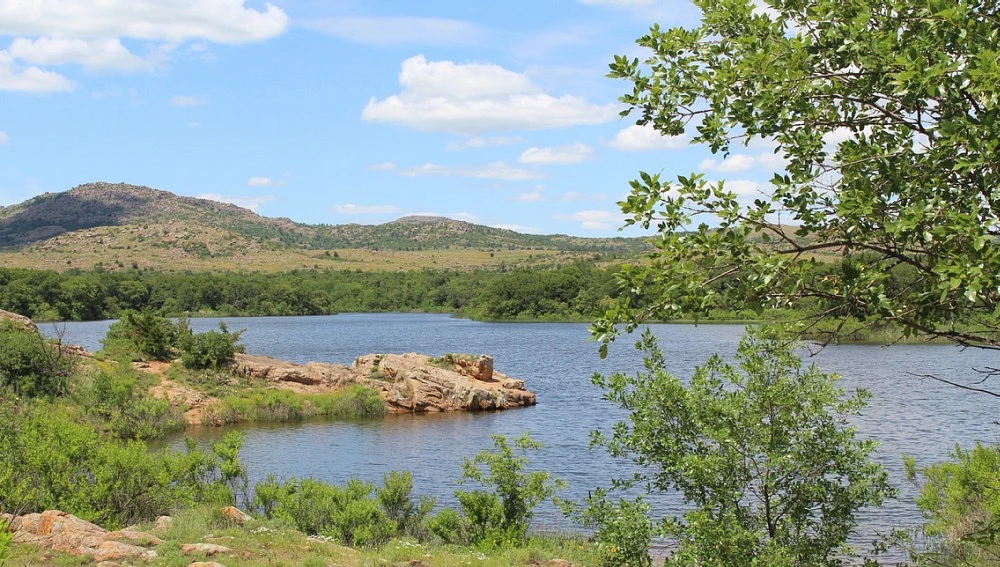
Oklahoma occupies a collision zone. Dry western air slams into Gulf moisture without warning. That clash dictates everything. Locals know the drill; newcomers learn fast. Skies don't just change - they flip. One moment clear, the next a brewing mess. Wind is a constant companion, either a steady push or a sharp cut.
Sun dominates the calendar, but spring brings thicker cloud cover. Humidity? It tapers off moving west - sticky in the east, drier out past I-35. Snow shows up occasionally, but it rarely overstays its welcome. Ice storms are the wild card, disrupting some winters, skipping others.
Summer turns up the furnace. Winter cold snaps are brief, intense interruptions rather than long, drawn-out affairs. Here, you don't just check the forecast. You learn to read the sky and plan accordingly.
Seasonal Temperature Variations
Oklahoma's temperature swings wildly through the seasons. Winter digs in from December to February. Days cool down, nights turn downright cold. Freezing spells hit, then typically retreat after a few days. Spring doesn't warm up - it accelerates. Mornings might start chilly, only to jump to warm afternoons.
Summer? It’s a furnace, particularly in July and August. Daytime heat sticks around, relentlessly. Evening offers little relief, the air barely cooling. Fall resets everything. Mild days return, nights gain a crisp edge, and temperature extremes finally fade. The eastern part of the state hangs onto slightly warmer winters; out west on the plains, the cool arrives quicker. These constant shifts mean one thing for visitors: pack for layers, not averages.
Rainfall, Storms, and Tornado Season
Rainfall in Oklahoma splits the state. The east soaks in more consistent, steady showers. Out west, it's drier - plains baking under bigger skies. Spring delivers the heaviest downpours, frequently via powerful thunderstorms. That season overlaps with tornado activity, concentrated from April into June. While twisters are a real possibility, they're not a daily event; most visits proceed without a single siren.
Summer storms erupt but fizzle quickly. Autumn trends drier. Winter precipitation shifts form - rain, sleet, or snow - dictated solely by the mercury. Travelers who watch forecasts and stay adaptable typically handle the conditions just fine.
Best Time to Visit Oklahoma for Outdoor Activities
Spring: Wildflowers and Mild Adventures
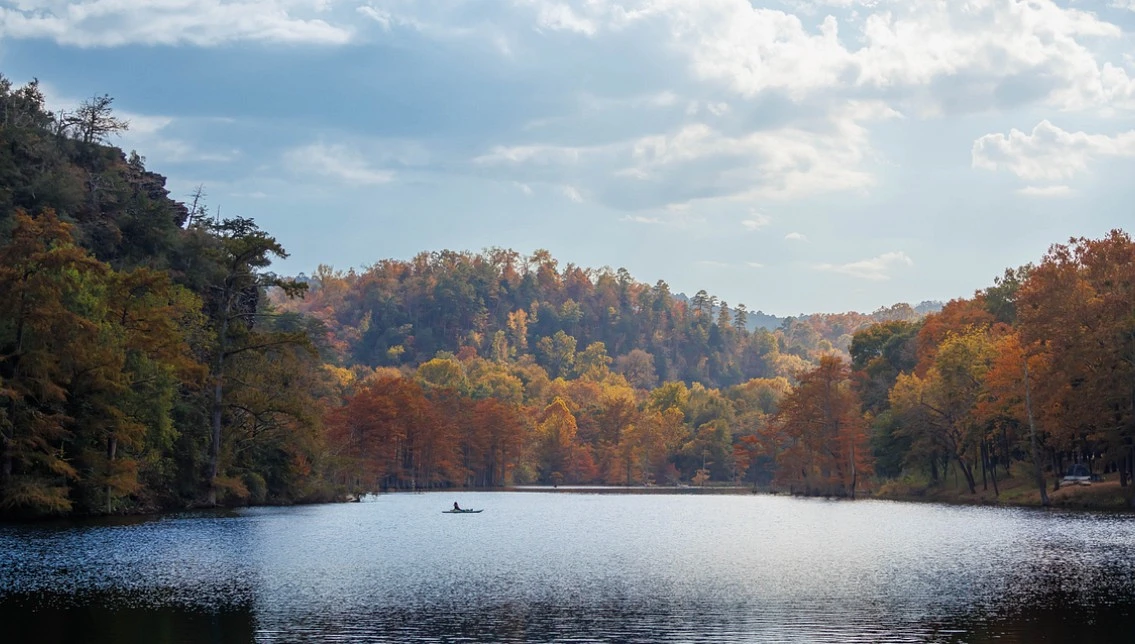
Spring pulls Oklahoma’s outdoor crowd outside. Temperatures hit that sweet spot - hiking and cycling beat the later burn. Come April into May, prairies and parks blaze with wildflowers. Trails stay open; rivers run fuller; wildlife stirs more. Sure, winds whip up and storms occasionally crash the party - timing is everything. Mornings start cool, afternoons warm up. State parks draw more people but rarely feel packed.
If you want varied landscapes, active days, and a break from the heat, spring delivers a solid balance. Just keep one eye on the sky.
Summer: Lakes, Hiking, and Festivals
Oklahoma’s summer reshapes outdoor routines. The heat is a driver - it pushes people toward water and into the cooler bookends of the day. Lakes turn into hubs. Crowds flock there for boating, swimming, fishing. Hiking persists, but you’ll see it mostly at dawn or near dusk. Shade isn’t just a nicety - it’s a refuge. Afternoon temps, particularly in July and August, put a hard limit on extended trips.
But the season offers compensations. Daylight lasts and dry spells mean plans aren’t constantly rained out. Campgrounds near water stay packed. For those who adapt - embracing early starts or seeking water - summer delivers plenty of options. No need for endless weather app checks. You just have to work with the rhythm of the scorcher.
Fall: Perfect Weather for Exploring
Fall arrives, and the air finally chills out. Those relentless summer temperatures drop into something manageable - ideal for long walks, scenic drives, or just a day in the park. The sticky humidity eases up; storms become rare. Trails dry out, turning hiking from a slog into smooth going.
In eastern Oklahoma, trees shift color, typically from mid-October through early November. Wildlife stays on the move, while the summer crowds dip noticeably. Days keep their brightness, but nights cool down enough for camping without the usual discomfort.
This season rewards travelers with steady conditions. The predictability means simpler plans and fewer last-minute scrambles. For outdoor activities, fall delivers consistency.
Best Time to Visit Oklahoma for Festivals and Events
Spring Events and Cultural Celebrations
Oklahoma’s event calendar kicks off with spring. As temperatures rise, food festivals, art fairs, and cultural gatherings pop up in cities and small towns alike. Parks and downtown streets become venues. Crowds increase but remain manageable. Most activity clusters between late March and May. Rain sometimes interferes, yet cancellations are rare.
Across the state, including Oklahoma City, celebrations often highlight local history and music. For travelers seeking community-focused festivals, spring offers balanced energy and tolerable conditions.
Summer Fairs and Music Festivals
Summer crowds swell. Events expand. From June into August, calendars pivot to county fairs, outdoor concerts, and sprawling music festivals. The heat dictates terms, pushing activities into the cooler evening hours. Fairgrounds statewide come alive with the sizzle of food vendors, the thrum of live music, and attractions for all ages. Cities like Tulsa anchor multi-day festivals that pull in crowds from across the region. Hydration is non-negotiable - part of the routine.
Afternoons can test your patience, even your stamina. Yet the sheer variety and scale of these gatherings eclipse most other seasons. For festival-goers, this stretch is the main event: busy, relentless, and unmatched.
Fall and Winter Seasonal Events
In Oklahoma, events pivot with the seasons. Summer’s energy recedes as temperatures fall. Autumn brings festivals centered on harvest. Outdoor markets appear. Weekends fill with local sports, all leaning into the cooler, calmer atmosphere. The focus shifts toward regional food, handcrafted goods - a quieter alternative to summer’s bustling fairs.
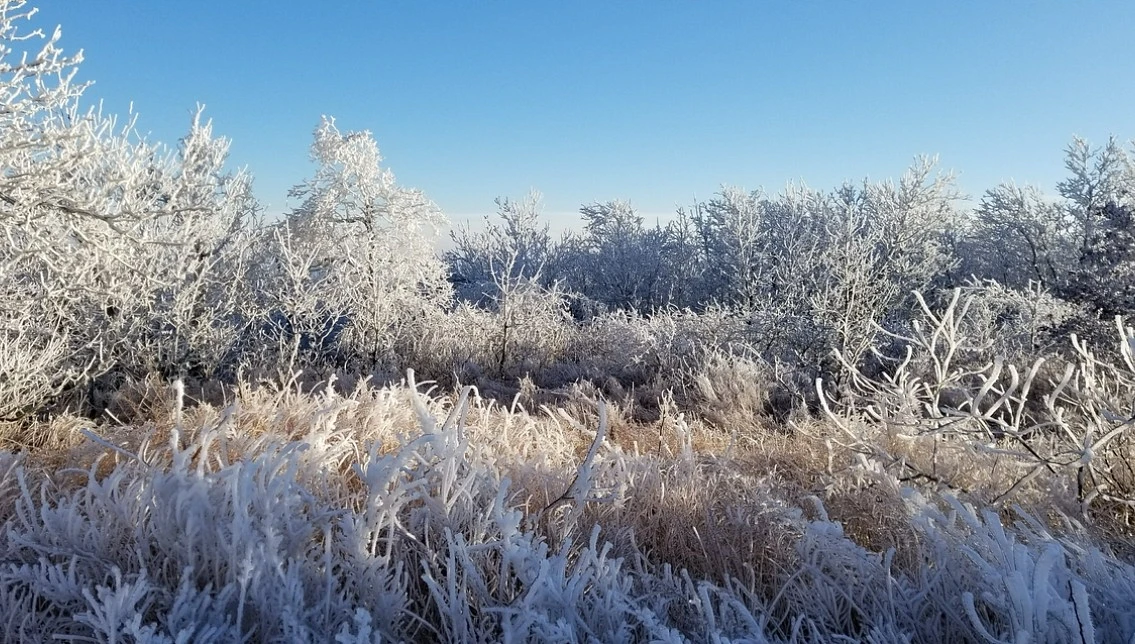
Winter tightens the schedule. Options narrow but sharpen: holiday markets, intricate light displays, performances moving indoors. Weather becomes a decisive factor, though bitter cold is rare. Attendance drops. Some prefer this. For those seeking smaller crowds and seasonal themes, the window from late October through December offers a trade: fewer events, but a noticeably relaxed pace.
When to Visit Oklahoma on a Budget
Low Season Travel Benefits
Thrifty adventurers eye Oklahoma's winter. January into early March sees demand plunge. Hotels slash prices; attractions almost never hit capacity. Sure, it gets cold - yet basic prep makes it manageable. Museums, music spots, and eateries remain open regardless. Roads clear, traffic thinning notably outside urban centers.
The trade-off? Some days just aren't for the outdoors. If saving cash beats flawless weather, the off-peak season delivers. You access nearly everything, just for less.
Best Months for Cheap Flights and Hotels
Flight costs to Oklahoma typically drop outside peak seasons. Think late January, February, early December. Hotel rates, particularly in business areas, follow suit. Spring and fall can still work for your budget - just steer clear of those big event weekends. Summer? That’s when prices hike near lakes and popular festival spots.
Booking midweek instead of weekends often helps keep costs in check. True flexibility on dates matters more than locking something in rigidly. Travelers who track fares and avoid school holidays usually land solid prices. Comfort doesn’t have to be sacrificed.
Avoiding Crowds While Saving Money
Crowds in Oklahoma swell around summer happenings and fall game days. Side-step those windows, and you’ll save cash and skip the lines. Aim for early spring or late fall instead - you’ll find a sweet spot: decent rates, thinner crowds. Smaller towns keep their calm vibe year-round, even when things get busy elsewhere. Staying outside the main hubs saves cash, too.
For travelers prioritizing breathing room and a tight budget, timing is everything. Skip the big festivals and holidays. You’ll still see the essentials, just without the hassle.
Choosing the Best Time to Visit Oklahoma for Your Travel Style
Best Time for Families and Road Trips
Families typically sync their trips with the school calendar, aiming for late spring or early summer. The weather cooperates then - cold? unlikely; storms? rare. That means more time outside. Longer daylight also helps, especially on Oklahoma road trips. The extended hours make driving less of a grind. Everything’s open, and rest stops buzz with people.
Fall is another option, perfect for families free from school routines. The roads quiet down, the air cools off. Planning here just requires watching forecasts for late heat or sudden storms.
For those with open schedules, the shoulder seasons - just before or after peak times - deliver real advantages. The pace eases up. Crowds thin out at the usual spots, making the whole experience smoother.
Ideal Season for Nature Lovers and Photographers
Nature travelers typically prefer spring or fall - and for solid reasons. Spring means wildflowers emerging, rivers running fuller, wildlife stirring after winter. Fall delivers crisp air, eastern forests turning color, and that steady, angled light. Both seasons cut the glare and heat, making long days outside more manageable. The golden hours, early and late, give reliable conditions.
Sure, summer packs heat that can choke a hike. Winter often locks away access. For photographers and hikers, targeting April–May or October opens up the widest variety of scenes. Fewer barriers, more freedom.
When Business and City Travelers Should Go
Business travelers typically target weekdays in spring or fall. These months hit a sweet spot: flights see fewer cancellations, calendars are more open, and the weather cooperates. Cities, of course, operate all year. But summer heat can turn a packed itinerary into a slog, especially when walking between venues. Winter might offer cheaper hotels, but big swings in weather threaten delays. Downtown cores maintain their pulse in any season, particularly on major corridors like Route 66. For meetings, conferences, or quick stops, April, May, September, and October generally deliver the most seamless trips with fewer surprises.
❓FAQ❓
When is the single best overall month to visit Oklahoma?
Overall, the single best month is usually October. You’ll typically find comfortable temperatures, lower humidity, and more predictable weather.
What’s the best time to visit for Route 66 road trips?
Hit the road late September through October. Cooler afternoons and clearer skies mean less heat fatigue on long hauls.
When should I visit to avoid tornado anxiety as much as possible?
Target late summer, like July or August, or late fall - October into November. Those windows generally see lower odds compared to the spring peak.