







🎯Too Long; Didn’t Read
-
Travel revolves around timing. For the best overall visit, target May, June, or September. These months deliver ideal conditions without peak summer’s intense crowds and maximum prices.
-
July and August constitute peak season. Trail access is optimal and weather reliable, but costs soar, trailheads jam, and availability shrinks. September arguably surpasses summer for long hikes: cooler temperatures, minimal bugs, and parking becomes manageable again.
-
Spring, from April into June, involves trade-offs. Blooms appear and rivers run full, but prepare for mud, frequent rain, and lingering higher-elevation snow early on. By October, fall color intensifies. Crowds thin, the pace relaxes, and cooler days set in.
-
Cities prove most comfortable from May through October. Winter offers quieter museums and dining, despite wetter, darker days. For hot springs and lodges, operations continue year-round; a weekday visit or shoulder season trip boosts privacy.
-
Whale watching peaks within winter and late spring migration windows, though fog and wind affect visibility. Photographers find coastal shots possible anytime. Late summer increases odds of clear sunsets; winter provides dramatic, stormy skies.
Oregon by season: what to expect from the weather and the outdoors
Spring: waterfalls, blooms, and unpredictable weather
Packing hinges on region and elevation. Start with essentials: a rain shell, adaptable layers, durable shoes with solid grip. Coastal winds in summer demand a warm sweatshirt - that breeze cuts. Spring and fall? Waterproof covers for gear are non-negotiable. Fire season means monitoring air quality and closure alerts.
Mountain routes in winter often mandate traction chains; remote areas advise extra fuel. Always verify current roads, ferry times, and trailhead parking regulations before leaving.
Summer: the most sun, the ocean, and mountain trails
From June through September, it’s mostly dry, especially in central and eastern Oregon. Daytime temps often sit around 72–86°F. The coast runs cooler - more like 61–68°F - thanks to ocean fog. This is when mountain roads open up, lakes are easy to reach, and daylight stretches out.
Tourist services run at full speed: campgrounds, rentals, tours. But yeah, prices climb and popular routes get crowded. People pick summer for hiking, kayaking, trips to crater lakes, and coastal sea cliffs. In drier years, wildfires can shut down forest areas and mess with visibility.
Fall and winter: coastal storms and snowy resorts
Fall starts off chill - September is often dry and warm, around 68°F. By October, rain ramps up, forests change color, and the crowds thin out fast. Winter on the west side of the state is rainy; along the coast you’ll get strong winds and storm surf. In the mountains, snow settles in and ski resorts open.
In the valleys, temps don’t usually drop far below freezing, but it feels damp. Eastern Oregon is colder and drier. This season is for winter sports, watching storms, and low-stress trips without lines - if you’re okay with rough weather and short daylight.
Best time to visit different parts of Oregon
Pacific Coast: views, and how to dodge the crowds
The Pacific off Oregon never really warms up. Swimming's rarely the goal. The cold sees to that.
For a balance of decent weather and thinner crowds, target July or September. Rainfall eases. Winds stay constant. Ideal for long beach walks or hiking the headland trails.
August brings the tourist crush - and peak prices. Spring means fog. Rain hammers the coast. But that’s why the hills glow electric green and the waterfalls gain their roar. Winter draws storm watchers and surfers. Conditions flip on a dime, though. Landslides can shut roads without warning.
Clear days? Those are for the photographers. Late summer into early fall delivers the best light for capturing sea stacks and lighthouses.
Cascade Range: hiking, lakes, and seasonal road limits
The mountains operate on their own clock. Snow lingers, stubborn, well past spring. Many passes and forest routes stay shut until June. For hiking, target July and August: trails bake dry, high lakes become accessible, daylight stretches. September brings cooler air, often trading crowds for clearer views. Spring means avalanche risk and mud. Winter belongs to skis and snowboards.
Plan a trip? Check road status and snowpack - or you might just show up to a locked gate.
Eastern Oregon: dry climate, canyons, and stargazing
Eastern Oregon leans continental. Summers turn hot and bone-dry, with the mercury pushing past 86°F. Low humidity, though. For comfort, target spring or fall. Expect 64 to 77°F, clearer skies, and prime conditions for cruising to canyons and sprawling desert plateaus. Winter brings a real chill - snow and biting winds are possibilities.
Visitors come for the emptiness, the uninterrupted space, and night skies untouched by city glow. Remember: services are thin and distances don’t lie. Choose your season carefully. Factor in fuel stops, water, and the state of dirt roads after any rain.
Picking the best season for your kind of trip
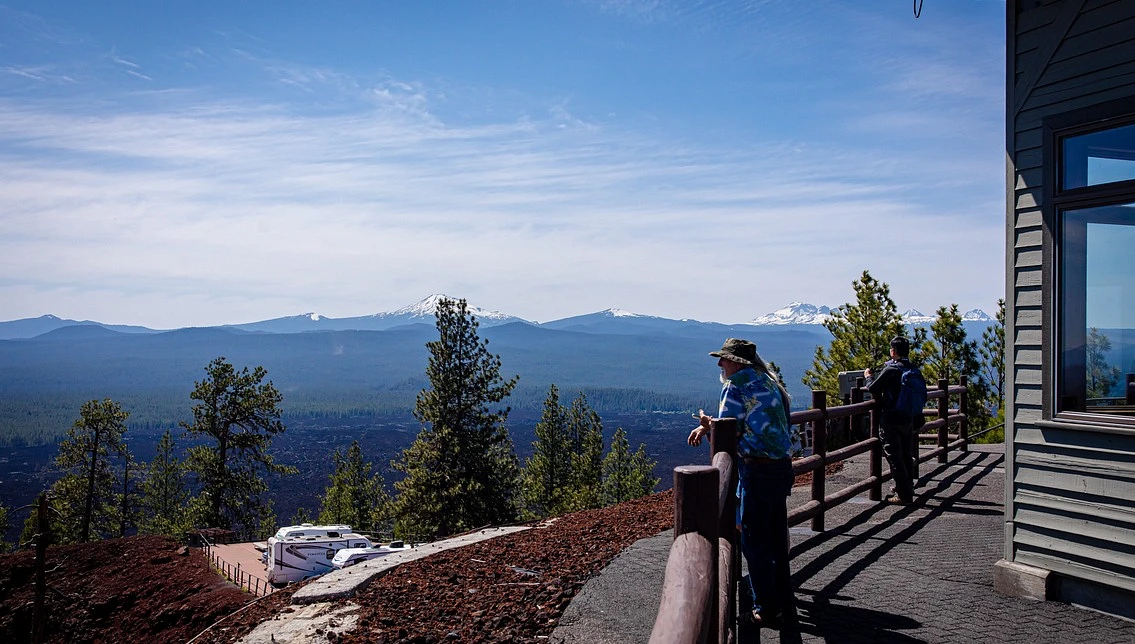
Active travel: trekking, camping, national parks
For prime hiking and tent camping, aim for July and August. Mountain passes clear, rain stays scarce, and most campgrounds operate at full capacity. June is feasible if you don’t mind navigating some lingering snow up high. September delivers for extended trips: cooler air, fewer bugs, and parking lots that aren’t jammed. Spring often means slopping through mud and facing swollen rivers - crossings get sketchy. Winter pivots entirely to ski and snowshoe routes. Always verify overnight permits, current fire bans, and any surprise closures before heading out.
City weekend: Portland, museums, food, festivals
City travel isn't shackled to the forecast. But for ease, aim for May through October. Summer? Dry weekends, open-air markets, events packed in. Spring sees parks bloom, sure, but rain can settle in and just stay. Fall brings milder air, cheaper beds.
Culture doesn't slow down - venues hum along. Winter has its trade-offs: drawn-out rains, early dark. Lines though? Basically vanished. Museums and restaurants operate year-round. The real summer note: book ahead for big events and hot tables.
Romance and downtime: hot springs, spas, cozy lodges
Hot springs operate regardless of season. The experience, however, shifts completely. Consider fall and winter: cooler air settles in, valley fog lingers, crowds thin out. Silence dominates. Spring brings a surge of greenery around the waters, yet it also brings risk. Snowmelt churns rivers, washing out access roads. Closures happen.
Summer grants access - even to remote spots - but that convenience has a tradeoff. Prime pools become packed. For actual privacy, target weekdays. Shoulder season is even smarter. Always verify the specifics. Check access rules for wild springs; note parking limits. In forest zones, seasonal restrictions activate during high fire danger. Regulations tighten. Planning matters.
Events and nature: when to plan a trip for the experience
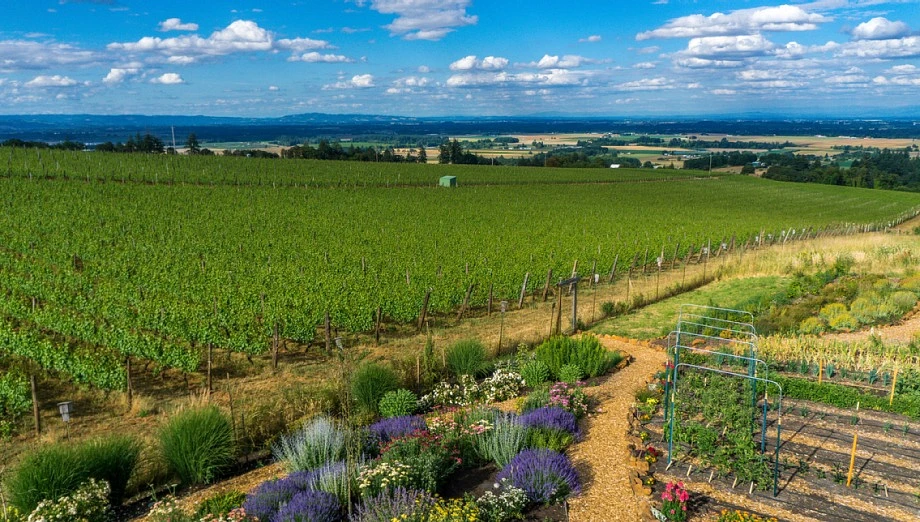
Festivals and fairs: how to catch the best dates
Big city festivals? They cluster in late spring and summer. Think loud music events, endless food weeks, pop-up craft fairs. Dates slide around the calendar every year. For the popular venues, tickets disappear quick.
Come fall, the vibe changes. Agricultural fairs and wine tastings take over. Winter offers fewer options, sure. But you’ll still discover themed markets and indoor cultural programs scattered around.
Planning is non-negotiable. Lock down your lodging and transport early - this is critical in Portland and the coastal towns. A solid strategy: pair a festival with a visit to a state or national park. Just account for drive time, plus the seasonal traffic that crawls.
Whale watching and wildlife: best windows
Gray whales pass along the coast twice a year - winter and late spring. Headlands and lighthouses often have viewing spots, though fog and wind regularly interfere. Summer shifts the focus: seabirds and seals become common, and conditions tend to settle, making binoculars more reliable.
Inland, mountain and high-desert areas see better activity in spring and fall. Moderate temperatures bring deer and birds of prey out during daylight. Winter snow, however, can shut down remote trails.
What you’ll see depends on timing, weather, and patience. Keep a respectful distance; animals notice.
Blooms, fall color, and photo seasons: where and when it looks good
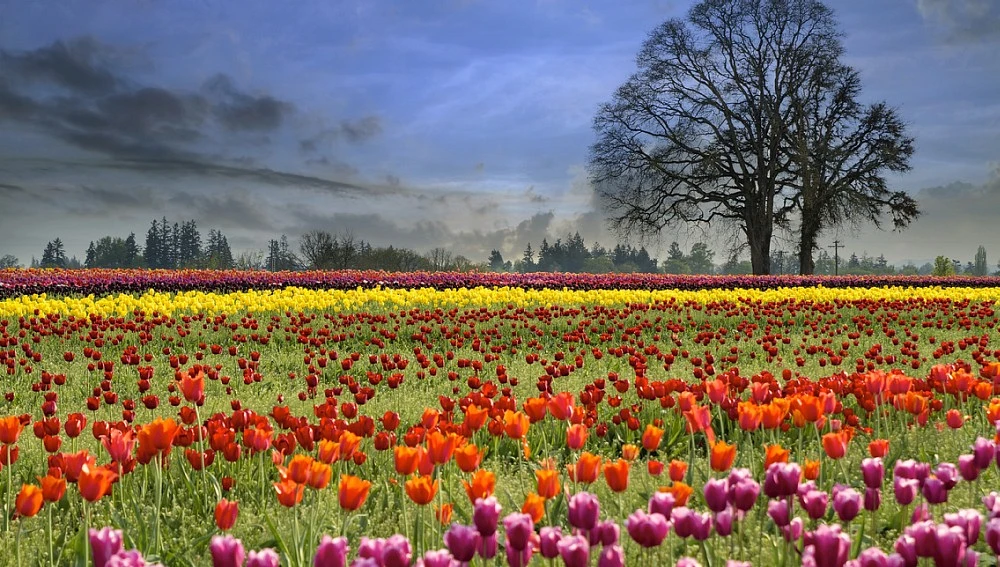
Bloom season starts in the Willamette Valley in April. Orchards and tulip fields pull in photographers for a few weeks. In the mountains, the peak hits in July when alpine meadows open up. Fall color usually tops out in October in western Oregon forests and along river canyons.
The coast works for photos year-round, but clear sunsets show up more often in late summer. In winter, storms and cloud cover can deliver strong shots. For photos, early hours matter, checking the cloud forecast helps, and you’ve gotta be ready for fast-changing light.
Practical tips
Peak vs. off-season: how lodging and flights change
Peak travel costs arrive in July and August. Oceanfront hotels and national park lodges charge premium rates; flights go sky-high, and rental cars grow scarce. Consider the shoulder seasons - May, June, September. You’ll find decent weather and prices that haven’t yet peaked. Winter sees most city hotel rates fall, except near ski resorts.
Secure bookings early, regardless. True savings come from flexibility: shifting your dates, choosing weekdays over weekends. That typically beats any last-minute gamble.
Tourist crowds: when booking is easier and travel feels calmer
Visit patterns follow predictable rhythms. School breaks and summer weekends see the heaviest pressure. Trails and viewpoints hit capacity by midday; parking lots are simply slammed. Arriving early or visiting weekdays provides some relief. For better odds, target the shoulder seasons: September and May typically deliver fewer bodies while full services remain available. During winter and sustained rain, crowds nearly vanish, though operations scale back significantly.
Quieter alternatives exist. Smaller towns and the state's eastern regions maintain lower visitor density even at peak summer. There, securing lodging tends to be less competitive.
What to bring and how to prep: layers, rain, fires, roads
Packing hinges on region and elevation. Start with essentials: a rain shell, adaptable layers, durable shoes with solid grip. Coastal winds in summer demand a warm sweatshirt - that breeze cuts. Spring and fall? Waterproof covers for gear are non-negotiable. Fire season means monitoring air quality and closure alerts.
Mountain routes in winter often mandate traction chains; remote areas advise extra fuel. Always verify current roads, ferry times, and trailhead parking regulations before leaving.
❓FAQ❓
What’s the best time for a road trip with the least chance of weather delays?
Aim for mid-July through September. Driving conditions, particularly in mountain areas, become most predictable during this window.
When should I go if I’m trying to avoid wildfire smoke?
Consider late spring to early summer. Late summer carries higher risk, though smoke patterns vary annually.
Best time to visit for surfing or storm watching on the coast?
Winter is optimal. Consistent swell arrives and major storm systems pound the shoreline. Prepare for rain and wind.
When’s the best time to visit for waterfalls that look full?
Target late winter into spring. This period follows seasonal rains, resulting in peak flow.