









🎯Too Long; Didn’t Read
-
Weather swings fast year-round - pack layers and check forecasts.
-
Spring: unpredictable, muddy; best for scenic drives and short hikes.
-
Fall: cooler, drier, better visibility, fewer crowds; nights get cold.
-
Black Hills: summer is easiest for access; hike early to avoid heat/traffic.
-
Badlands: late spring/early fall is best; summer heat is rough on exposed trails.
-
Best overall windows: early June and late September.
-
Events spike crowds/prices - especially Sturgis (Aug 7–16, 2026).
-
For road trips: late May-September has the most daylight and open services; winter = closures and short days.
South Dakota Climate and Seasons: What to Know Before You Go
Continental climate and fast weather swings
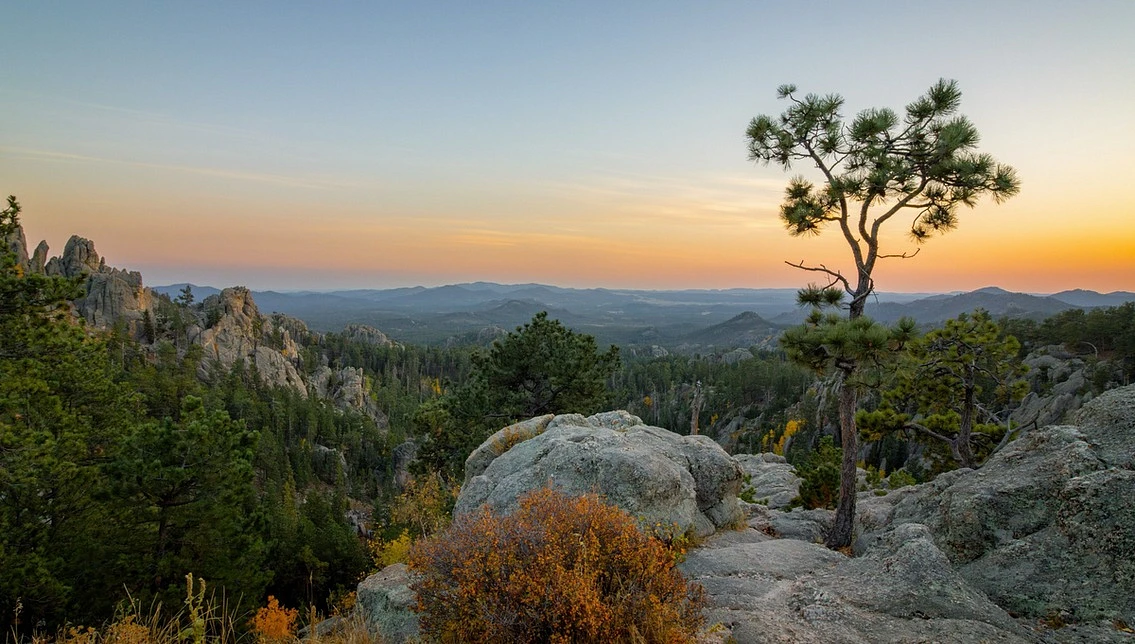
South Dakota runs on a continental climate: hot summers, cold winters, big seasonal contrast. The west is drier. The east is more humid. You’ll feel it on the road - lighter air in some stretches, more storm fronts in others. In and around Badlands, quick shifts are normal: cool morning, warmer midday, then you’re reaching for another layer by evening.
The National Park Service also flags sudden, “dramatic” weather changes and basically says: dress in layers and check the forecast before you head out.
Spring: from snowmelt to the first warm days
Spring starts unevenly in South Dakota. One week stays chilly, the next one feels steady during the day, then nights drop below freezing again. State tourism sources describe a pretty wide spread: daytime often lands in the mild range, while nights can swing from cool to below zero depending on the month. That matters if you’re sleeping overnight - campgrounds and cabins without solid heat can feel totally different depending on the exact dates, not the calendar.
After snowmelt, trails can have wet patches and washouts; dirt roads can turn into mud. Spring works well for scenic drives and short hikes if you’ve got extra layers and some time buffer.
Fall: cooler temps, drier days, golden scenery
Fall is often seen as the more predictable season for the western side of the state. Temperatures drop, the heat backs off, the air dries out, and visibility from viewpoints is often better than peak summer. Nights cool down fast, and the day-to-evening shift becomes obvious by September.
Practically, fall is nice because there’s still plenty to do, but the peak pressure on roads and lodging starts to ease. For hiking and scenic drives, it’s a calmer pace: less overheating, less rushing, more time for stops. Still, bring a wind and rain layer. No debate.
Best time for national parks and hiking

Summer in the Black Hills: good for trails and scenic drives
Summer is the main season in the Black Hills. More roads are open, visitor services run steadily, and it’s easier to plan long day routes. Temps aren’t the same everywhere, though. Forested areas and higher elevations usually feel easier than open terrain. For summer hiking, two rules keep things manageable: start early and keep your mileage realistic. Midday is typically the hardest stretch for sun and heat, and wind often picks up in the evening. Upsides: long daylight and access to scenic roads.
Downsides: heavier traffic near major stops and higher lodging prices. That’s why early June and late September are often the sweet spots - still warm enough, with less overload.
Badlands: when there’s less heat and better visibility
Badlands heats up fast and drains your energy fast on exposed trails. The park’s official info notes June as the wettest month, and sharp weather changes are common - hence the focus on layers, water, and sun protection. In practice, late spring and early fall are usually more comfortable for hiking: lower odds of brutal heat, easier climbs, less stress on open sections.
A lot of guide materials point to May–June and September–October for that temperature-and-conditions balance. Scenic Loop drives also tend to feel better then: less haze, clearer distance, especially early and late in the day.
Wildlife and safety on routes, by season
Safety in South Dakota isn’t just about the trail. It’s weather, water, and how far you are from services. In warm months, the big ones are hydration and sun protection, since shade can be limited on exposed stretches. For Badlands, the NPS directly recommends carrying water, a hat, sunglasses, and sunscreen, plus a rain jacket and suitable footwear if precipitation is in the forecast. In spring and fall, you add the risk of getting chilled by wind or a sudden rain. Layering solves a lot of that.
In winter, the main limits are short daylight, ice, and closures of certain roads or services. Wildlife encounters are mostly about distance and attention: don’t approach, don’t feed, give animals space - especially in parks and on scenic roads.
Events and festivals: when to go for the vibe
Summer festivals and city events: peak energy
Summer in South Dakota isn't just hot - it's loud. Calendars in cities like Sioux Falls explode with festivals and gigs. Take Lallycooler: a full-blown, two-day takeover in July. For some, that’s not just background music. It’s the entire reason for the drive - a shot of crowds and curated sound.
Planning around these events cuts both ways. Logistics simplify. Venues are mapped, hotels listed, transport and food options plentiful. But popular weekends book up fast. Tickets vanish.
A smart workaround? Anchor your trip around a festival date. Start with trails and open roads. Shift to the stage crowds mid-trip. Then unwind with quieter stops on the way home. You weave the quiet around the noise.
Sturgis Motorcycle Rally and other major events: pros and cons
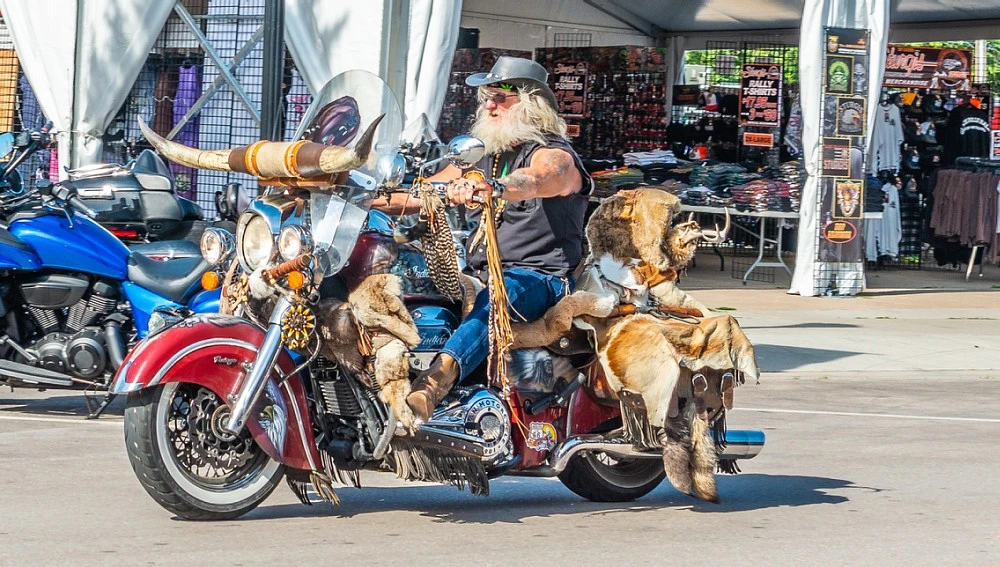
The Sturgis Motorcycle Rally fundamentally reshapes the Black Hills region each August. Its 2026 run, August 7–16, dictates local rhythms. Roads clog. Lodging prices spike. The constant engine hum becomes a backdrop. Businesses pivot entirely.
There's real appeal in that energy - concerts, makeshift vendors, packed eateries. The scene is the point.
It comes with clear costs. Traffic grinds to a crawl. Parking is a headache. Road risk increases simply due to motorcycle density. For visitors seeking quiet trails and natural silence, the Rally dates create a conflicting reality.
Attendance demands strategy. Secure lodging months in advance. Consider staying outside the main zones; this offers a buffer from the crowds, making retreat possible. The event is a trade-off, and planning determines the balance.
Fair and rodeo season: late summer and early fall
Late summer into early fall is fair season and traditional events. The South Dakota State Fair in Huron is listed for September 2–7, 2026, lined up around the early-month long weekend. It’s a full-day format: rides, exhibits, and a big entertainment lineup. Earlier, in July, Deadwood hosts Days of ’76; the 2026 dates are July 19–25.
Then in late September, there’s another strong reason to visit: the Buffalo Roundup in Custer State Park, with a listed 2026 date of September 25. These work well with a road trip plan: daytime drives, evening programs, and quick park runs in the morning.
Family travel and driving the sights
Best months for a road trip: daylight and road conditions
For a South Dakota driving route, the key factors are simple: day length, weather stability, road conditions, and service availability. From late May through September, it’s usually the easiest window. It stays light later, and you can plan multiple stops without pushing hard on the highway. In spring, some secondary roads can be muddy after melt-off, and cold snaps make early starts harder. In winter, everything depends on snow and wind, and the short day cuts plans even if the weather looks fine.
So for a family trip, the most workable window is often early summer and early fall: less heat stress, less crowd pressure at major stops, still plenty of daylight and open sites. Build in extra time for surprise delays from sudden weather shifts.
Mount Rushmore and Custer State Park: when lines are lighter
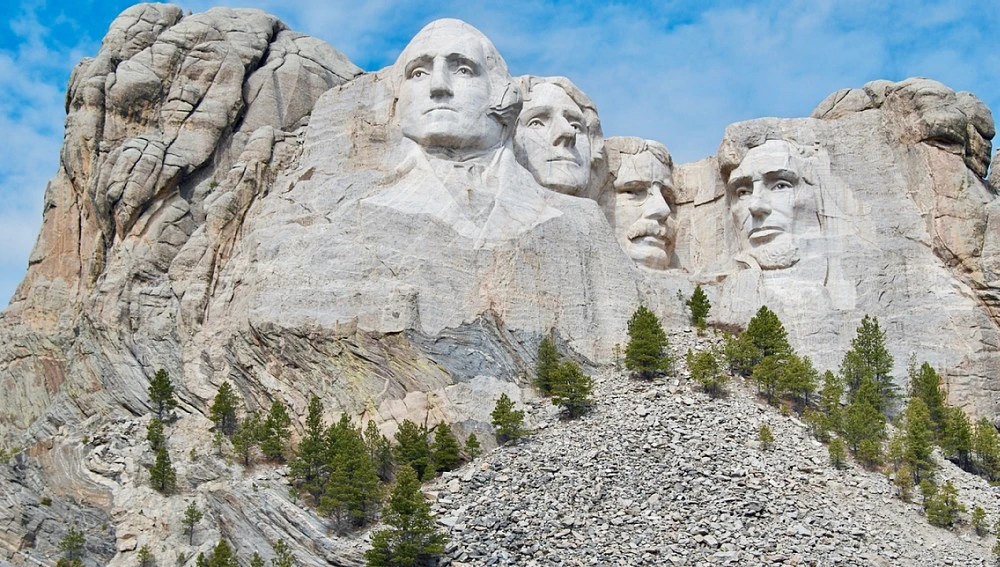
Popular Black Hills stops get hit hardest by lines and traffic in peak summer, especially during major August events. For a calmer visit, weekdays and shoulder periods - early June and September - usually make more sense. Parking is often easier, and short walks don’t turn into constant detours around groups.
For Custer State Park, early departures help: mornings are better for wildlife viewing and for driving scenic roads without dense flow. If you’re there in late September, Buffalo Roundup can be its own plan, but you’ll need to factor in higher lodging demand and morning restrictions near the event area. If your goal is the park without crowds, aim for dates near it, not the actual event day.
Kids and teens: active options by season
Seasonal planning turns family trips from a slog into something smoother. Summer offers the widest range: hit the trail for a short hike, find a swimming hole, or tap into urban energy and festivals. In places like the Badlands, strategy changes. Walks happen at dawn; midday becomes dedicated to driving or museum visits. This prevents overheating and avoids meltdowns. Spring and fall shift the focus to scenic drives, overlooks, and trails that aren’t fully exposed. Layered clothing and spare gear are essential. Winter narrows options - think short walks over long treks.
The trade-off is fewer crowds and sometimes cheaper stays. Regardless of season, a single rule applies: plan one main destination daily, supplemented by brief pauses.
Budget, crowds, and practical tips: picking your season
Peak season vs shoulder season: prices, lodging, booking
Peak season in South Dakota is summer, when services are most available and the infrastructure around the Black Hills and Badlands runs consistently. That’s also when lodging prices rise and good options disappear faster, especially during popular weeks. A separate category is the Sturgis Motorcycle Rally in August: the official 2026 dates are known in advance, and demand for rooms during that window gets extreme. In the western part of the state, shoulder season often means May and September: still comfortable for walking, with less pressure on hotels and roads.
A very practical move is splitting the trip into two lodging bases - one closer to the Black Hills, one closer to Badlands - so you don’t waste hours backtracking. And if your dates overlap major events, booking early isn’t “nice to have.” It’s required.
Weather and gear: what to pack for summer, spring, and fall
Packing for South Dakota means watching the thermometer, not the calendar. The park service’s advice for the Badlands is straightforward: layer up. Conditions shift fast.
Essentials include a hat, sunglasses, sunscreen, and plenty of water for the trail. Summer calls for light, breathable fabrics - never skimp on sun and wind protection. Footwear needs to handle rock and dust. Spring and fall demand a wind layer, a thin beanie or buff, and gloves for chilly morning drives. If rain is in the forecast, a rain jacket and water-resistant shoes are non-negotiable.
On a road trip, stash a blanket and a thermos. This isn’t for atmosphere; it’s for waiting at viewpoints when the temperature plummets without warning.
Winter in South Dakota: is it worth it for snow and quiet
Winter in South Dakota bites. It’s bitter. Temperatures routinely plunge below freezing, and conditions can shut plans down without warning. Climate data confirms it - the region, especially the northeast, swings hard with the seasons, hitting deep cold. But traveling off-season has its perks: popular spots empty out, hotels go quiet, prices occasionally drop. The trade-offs are just as real. Daylight runs short. Services might be closed. Everything hinges on the roads and the wind.
A winter trip works if you’re after calm, scenic drives, museum visits, brief strolls in decent weather, and you can pivot on a dime. For marathon hikes or a crammed national-park itinerary, winter usually demands too much.
❓FAQ❓
What’s the best time to visit if I hate crowds but still want everything open?
Target late May, early June, or mid-to-late September. Most services operate, yet the peak-summer crush hasn’t arrived.
When should I go if my priority is the lowest prices?
Prioritize late fall and winter. Lodging deals improve significantly after October. Note the trade-off: limited services and itineraries subject to weather.
Best time to visit for photography - when do landscapes look the cleanest?
Photography conditions often sharpen in early fall and late spring. Visibility typically increases, with less heat distortion. Another practical advantage: sunrise and sunset times align more conveniently for shooting.
Is there a “worst” month to visit South Dakota?
The most challenging months for classic sightseeing are usually January and February. Intense cold, wind, and potential road conditions rapidly limit options. This can be a dealbreaker for standard trips.