








🎯Too Long; Didn’t Read
-
Spring, from March through May, offers comfortable outdoor conditions. Flowers bloom. Sightseeing is ideal. But prepare for rain and temperatures that can swing unexpectedly.
-
Summer is the peak season. June to August brings long nights, perfect for lakes and rivers. The trade-off? Significant heat, thick humidity, and premium prices across the board.
-
For the easiest experience, target fall. September to November delivers cooler days, reliable driving weather, and packed event and food calendars. Note: October weekends in the mountains become absolutely jammed.
-
Winter, December through February, typically sees the fewest visitors. Hotel deals appear, especially midweek. However, mountain weather frequently turns disruptive, so plans need flexibility.
-
To dodge crowds and save money, travel midweek. Steer clear of major city event weekends and peak foliage dates in the Smokies.
-
Securing Smoky Mountain accommodations requires early booking for summer and October stays. For cities, always check event calendars first - a big festival can send rates through the roof without warning.
-
Packing depends on the season, but always account for sudden changes. This is non-negotiable in spring and at higher elevations.
Tennessee at a Glance: What “Best Time” Really Means
Weather patterns across the state
Tennessee stretches from west to east, and the landscape - and the feel of the air - shifts along with it. Out west, around Memphis, summers lean toward the thick and humid. Winters usually take it easy. Middle Tennessee, Nashville and its surroundings, hits a middle ground in most measures: warm summers, cool winters, with spring and fall prone to quick swings. Head east into the higher elevations near the Smokies, and things cool down.
Up there, the weather can switch gears fast. Statewide, spring and fall generally deliver the most comfortable stretch. But don’t be fooled—those same seasons also bring sudden downpours, gusty winds, and unexpected temperature plunges. Outdoor plans often get scrambled.
Crowds, prices, and availability
Travel demand in Tennessee spikes predictably. Summer tops the list - families hit the road for lakes and national parks. Fall surges, particularly in the Smokies. Cooler days and changing leaves pull crowds. Cities operate differently. Major concerts, sports weekends, big festivals: hotel rates can skyrocket overnight, often outpacing seasonal peaks. Winter offers the most breathing room, excluding holiday weeks. Spring presents a potential sweet spot, though event calendars quickly fill.
For choice - rooms, campsites, tours - plan earlier for summer and October. That October demand isn't just foliage; it's a convergence of weather, events, and limited capacity.
Picking a base: Nashville, Memphis, or the Smokies
Nashville defines "best time" through volume. Live music, conventions, and weekend trips drive the rhythm. Crowds and rates spike spring through fall, especially around major events. Memphis operates on a different flow—music history and food travel provide a steadier current. Specific festival weeks create peaks, but shoulder seasons offer quieter, pleasant stretches.
The Smokies - Gatlinburg, Pigeon Forge, Townsend - are ruled by the calendar. Summer crowds swarm. Fall color chasers follow. Winter slows everything, though snow sometimes complicates access. For any trip combining cities and mountains, secure the mountain segment first. Lodging vanishes and park parking fills.
Spring (March–May): Wildflowers, Mild Days, and Festival Season
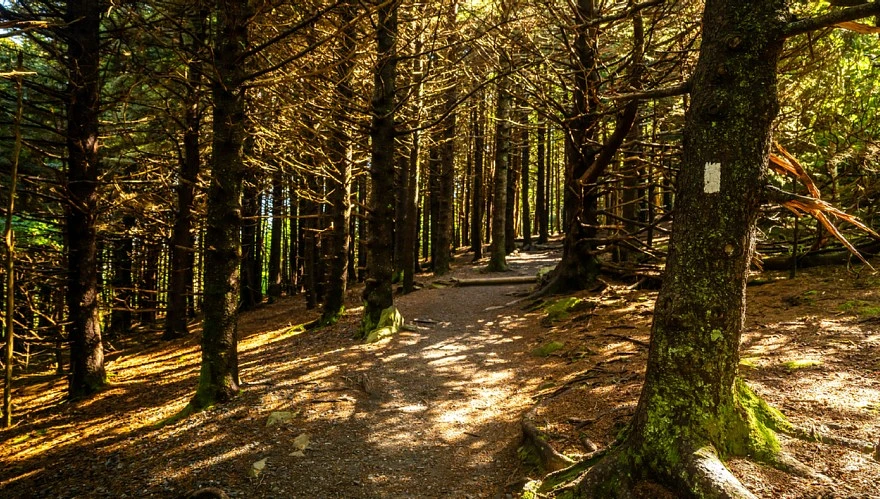
Best spring weeks for outdoor sightseeing
For outdoor time - waterfalls, short hikes, scenic overlooks - aim for mid-to-late spring. That’s usually the sweet spot: decent temps and plenty of daylight. Early March in the mountains still feels wintery. Come April and May, warmth gets steadier.
Wildflower timing depends entirely on elevation. The Smokies stretch the season; higher spots bloom later than the lowlands. For thinner crowds, target weekdays and skip school breaks. Mornings matter in spring. Start early for quieter trails and to beat the afternoon storms that often creep in. Check river levels if paddling’s on your list - spring runoff can shift things fast.
Spring events worth timing your trip around
Spring is jam-packed with music and cultural happenings - perfect if you thrive on energy. Nashville’s major live-music weeks dominate the season, alongside sports weekends that fill downtown hotels. Memphis pulls crowds for late-spring music celebrations and food-focused gatherings. Elsewhere, smaller towns launch art fairs, farmers markets, and local festivals once the weather turns.
Here’s the catch: during event weeks, hotel rates skyrocket. Restaurants book solid for weeks. If you’re visiting for the event, secure rooms early. But if that’s not the goal, pick a quieter week - live music still fills most nights.
What to pack and how to handle rain
Spring packing in Tennessee is about layers and backup plans. You’re dealing with cool mornings, warm afternoons, and sudden downpours. Keep it simple:
-
Light rain jacket with a hood (umbrellas are annoying in wind)
-
One warm layer for evenings, especially in the mountains
-
Shoes that can handle wet sidewalks or muddy trail edges
-
Small daypack to stash layers
Expect rain at some point, so build flexibility: museums, studio tours, distilleries, or a long lunch when storms roll through. If you’re driving, check radar before heading into mountain roads; visibility can drop fast.
Summer (June–August): Lake Life, Music Nights, and Peak Travel
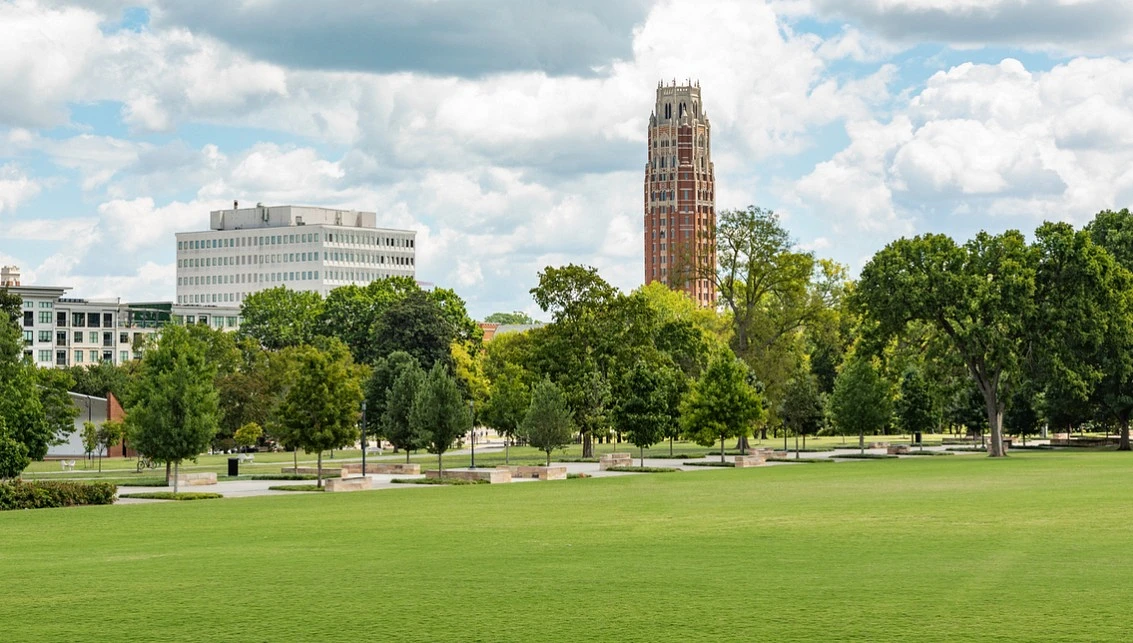
Heat and humidity: where it’s most comfortable
Surviving summer here depends entirely on three things: where you are, what’s around you, and when you move. In Memphis and West Tennessee, July and August are brutal. The humidity hits like a wall. Nights offer no real break, just a continuation of the relentless warmth. Nashville cooks too - downtown pavement absorbs and radiates, transforming the city core into a heat trap.
East Tennessee flips the script. Head toward the Smokies. Gain elevation and the air actually thins and cools. Mornings there are peak; perfect for a trail run before the sun takes full command.
Timing is the simplest hack. Tackle anything outdoors early. Once afternoon peaks, retreat inside. Hydration is non-negotiable. Anyone especially heat-sensitive should stay near water or seek higher ground. Those long, exposed walks in the midday blaze? Forget those. Work around the sun’s grind.
Summer highlights: rivers, lakes, and smoky mountain trails
Summer unlocks Tennessee's waterways. Think lakes for boats and swimming holes, plus rivers ready for tubing or kayaking - guided floats are a smart call in the swelter. Over in the Smokies, trails get crowded. Still worth it: just start at dawn and choose a path that’s not on every postcard. Waterfalls pull people in, but their strength depends entirely on recent rains.
Cities shift gears, they don’t slow down. Evening becomes the main event with outdoor concerts, night markets, and late meals that work with the heat, not against it. A good plan pairs one major outdoor effort per day with relaxed city time. Keep drives reasonable; summer traffic near popular spots is a real grind.
Saving money in peak season
Summer is when Tennessee can get pricey, but you’ve got options. First rule: avoid Saturday-to-Saturday lodging if you can; midweek stays are often cheaper. Next, be flexible on exact location - staying 20–40 minutes outside a hotspot can cut rates a lot. A few practical moves:
-
Book refundable rooms early, then re-check prices later
-
Use free attractions: parks, murals, live music with no cover (common in some venues)
-
Pack a cooler for road days to avoid constant convenience-store spending
-
In the Smokies, consider less-crowded gateway towns for better value
Also, if a major festival is happening, either commit and budget for it - or pick another week. Half-committing burns cash.
Fall (September–November): Foliage, Food, and the Sweet Spot for Travelers

When fall colors are typically best
Fall color timing shifts annually, but the pattern holds. Higher elevations change first; lower areas follow. In the Smokies, color builds through October - peaking late that month or early November, dictated by elevation and weather. Middle and West Tennessee often peak later, sometimes hitting their stride by early or mid-November.
Weather is the wild card. Warm stretches delay the show. Storms can strip trees bare overnight. For peak foliage, plan a flexible window, not one perfect weekend. Check local reports and adjust your trips accordingly.
Harvest vibes: fairs, BBQ, and scenic drives
Fall in Tennessee isn’t just leaf watching. It’s county fairs, food events, and a steady run of weekend stuff that feels local. You’ll find craft markets, farm stands, and seasonal menus that lean into smoked meats, hot chicken, and comfort sides without trying too hard. Scenic drives become a bigger deal when the air cools, and road-trip days get easier - less glare, fewer storms than spring, and better hiking conditions. If you want a mix, fall works well for split trips: a couple days in a city for music and museums, then a few days in the hills for drives and short hikes. Just don’t assume you can “wing it” on lodging.
Booking strategy for the busiest autumn weekends
Autumn weekends can sell out in the Smokies and push prices up in Nashville, too. The clean strategy is early booking with a cancellation buffer. Reserve lodging as soon as you have a date range, especially for October weekends. If you’re road-tripping, lock in the mountain nights first, then fill in city stops. A few tactics that actually help:
-
Travel Sunday–Thursday for better rates and fewer crowds
-
If you must go on a weekend, arrive early Friday or even Thursday
-
Consider staying outside the most popular towns and driving in early
-
For the national park, plan parking and trailheads like it’s an appointment
If you show up late morning on a peak Saturday, you’ll spend a lot of time stuck in traffic and looking for a spot. Not fun.
Winter (December–February): Cozy Cities, Fewer Crowds, and Surprise Deals

What winter is like in cities vs. mountains
Winter in Memphis and Nashville brings cool days, cold nights, and precipitation that alternates between rain and sporadic snow or ice. Driving becomes hazardous primarily due to black ice, as road treatment practices are inconsistent.
The higher elevations of East Tennessee and the Smokies receive more snow, with conditions that shift rapidly. This creates a desirable winter cabin atmosphere but also leads to frequent road closures and sluggish travel.
Drivers uneasy with winter conditions should stick to cities, visiting the mountains for views only when the sun's out. For those opting to stay in the mountains, select lodging right off the main highway and maintain flexible plans.
Best winter experiences: music, museums, and holiday lights
Winter offers prime conditions for indoor culture. Nashville is tailored to live music, regardless of the season, but colder nights have a way of pulling those shows into the center of your visit. In Memphis, you can properly engage with museums and historic music sites - no need to dodge summer heat or navigate autumn crowds.
Food travel also fits. It becomes easier to linger over a meal, secure reservations, and actually hear conversation in restaurants. December brings holiday lights across towns and attractions, alongside temporary seasonal pop-ups.
For quieter trips, January and early February - the dead months - typically deliver the most open calendars. Lines shorten. Tour groups thin. Last-minute plans become feasible. A low-stress city break finds its footing in winter.
Road conditions, closures, and travel tips
Winter planning is mostly about avoiding avoidable problems. A few basics:
-
Check the forecast daily if you’re driving long distances
-
Keep extra time for mountain roads; don’t plan tight arrival windows
-
If snow/ice is possible, choose main routes over backroads
-
For cabins, confirm driveway steepness and whether 4WD is recommended
Roads and facilities in the Smokies shut down sometimes - weather, maintenance, safety. Plan for it. Build a flexible itinerary with indoor backups: maybe an aquarium, a museum, or a local distillery tour. Even a slow day exploring town cafes and bookstores works. Track sunset times closely; winter light vanishes early. Navigating winding mountain roads after dusk isn't just stressful, it's treacherous.
After you pick your season, the real move is matching it to your trip style. Want hiking and less sweating? Aim for spring or fall, then avoid peak weekends. Want water time and late nights? Summer works, but plan early starts and reserve lodging ahead. Want lower prices and space to breathe? Winter, outside holiday weeks, is often the easiest win. Tennessee isn’t a one-season state. It’s more like four different moods, and you get to choose which one fits.
❓FAQ❓
What’s the best time to visit Tennessee if I want to avoid allergies?
Visit from late fall through winter. Pollen generally calms down then, though local conditions and annual weather shifts still play a role.
When is the best time to visit Tennessee for fewer bugs and mosquitoes?
Target the cooler months. Late fall and winter are optimal. Insect activity increases from late spring through summer, particularly around lakes and rivers.
What’s the best time to visit Tennessee for live music without the biggest crowds?
Consider weekdays during winter and early spring. Venues in cities maintain regular schedules, while visitor numbers - especially weekend tourists - drop significantly.