








🎯Too Long; Didn’t Read
-
Wyoming weather changes fast (elevation + wind); local conditions beat “statewide” forecasts.
-
Best overall window for Yellowstone + Grand Teton: late June–September (roads, trails, services mostly open).
-
Fewer crowds with decent access: early June or late September.
-
May & October = higher risk of surprise snow and closures.
-
Winter works only if you’re fine with limited roads and planning around a few open corridors/oversnow access.
Wyoming climate and seasons: what to know
Elevation and fast weather swings
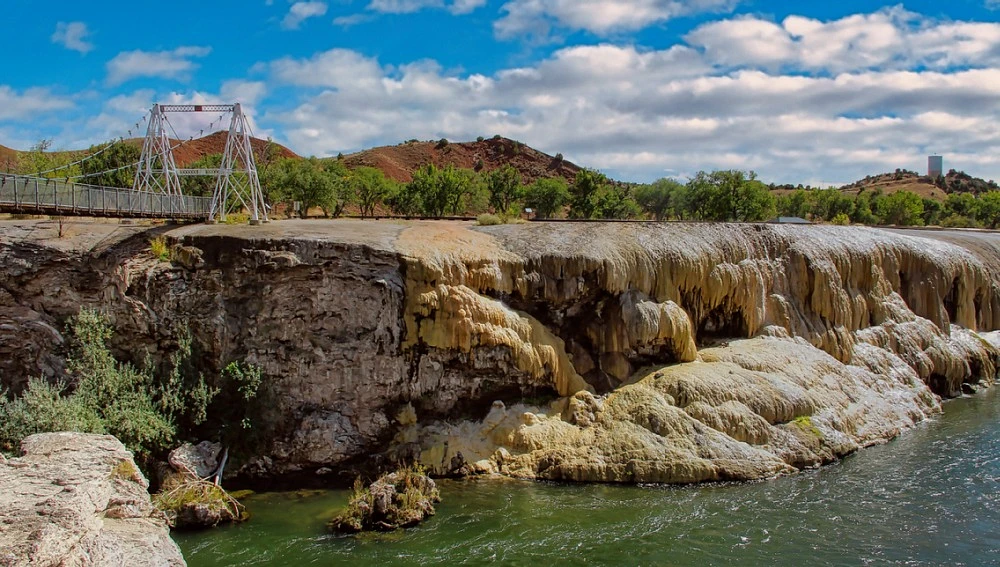
Wyoming is up high, just about everywhere. That much is obvious the second you step outside - either in the temperature or the way breathing feels a little different. Because elevation varies so much, from the flat plains in the east to the mountain ranges out west, a single forecast for the whole state is basically useless. One rule tends to hold, though: the higher up and more open the spot, the stronger the wind blows and the colder it gets.
Spring and fall are unpredictable. A morning starts dry, wind picks up by midday, and by evening there’s wet snow coming down. Even in summer, it’s not unusual for mountain mornings to be cold enough for a jacket. Step into the sun, and it warms up fast; step into the shade, and it drops again. Winter brings its own curveballs. Warm spells happen - overnight lows might hover above freezing, especially when chinook winds sweep down the east slopes. Valleys tucked away from the wind can feel downright mild, but a cold snap can roll back in just as fast.
Seasonal calendar: spring, summer, fall, winter
Spring doesn’t start neatly on March 1. In March-April, the east can already get dry days, while the mountains keep a solid snowpack and closed passes. May usually brings the first longer walks in the valleys, but high trails and some roads may still be in rough shape. Access expands faster in June, and daytime temps more often work for long drives, especially in the first half of the month.
Summer is the most reliable window for getting around the whole state: more services open, fewer access limits in the parks. Fall is short. September is often comfortable, then October slides quickly into overnight freezes and the first serious snow. Winter is long and windy.
When to expect snow, rain, and strong wind
Snow in Wyoming isn’t tied to holidays. In the mountains it sticks around and can return early in fall, so it’s smart to treat May and October as higher-risk months for surprises. In the east, snow events are usually shorter, but wind and blowing snow can trash visibility and road conditions fast.
Rain often shows up as quick fronts: a burst, then sun, then another round an hour later. Elevation changes what falls. Wind is the steadiest factor. The state climate atlas notes frequent winter stretches of 30-40 mph winds with gusts around 50-60, which hits both wind chill and road safety.
Best time for the main parks: Yellowstone and Grand Teton
Summer: roads, trails, services
For a trip with minimal limits, summer is still the easiest. In Yellowstone, most roads are meant for regular cars in the warm season; from early November to late April they’re mostly closed to standard traffic.
Same deal for some campgrounds, lodges, and services. Summer has more food spots, rentals, shuttles, and visitor centers, plus steadier schedules.
Grand Teton is a bit less extreme, but in practice summer still gives the widest menu of roads and trails, plus predictable hours for facilities and parking.
Bottom line: fewer logistics tradeoffs, fewer forced detours, easier start times, and more usable hours for routes.
Fall: strong views, fewer people
People like fall for a calmer pace. In September, trails and viewpoints are usually less packed than in July, and the air often runs drier and clearer. Evenings get colder, but daytime walks are easier without heat. Still, the season compresses fast. In Yellowstone, most roads close to regular cars by early November, and fall closures can start earlier if snow hits.
In Grand Teton, key seasonal roads also stop car traffic around November 1 until spring. That includes Teton Park Road and parts of Moose-Wilson Road.
So the best fall window is usually September and the first half of October: access is still broad, and crowds drop.
Winter and shoulder season: what you can actually see, and how to get there
Winter and shoulder season need an honest answer to “what do you want to see.” In Yellowstone, most roads are closed to regular cars from early November to late April. In winter, parts of the park open via oversnow options: snowcoaches and commercially guided snowmobiles during a limited season.
The corridor from the North Entrance to Cooke City is typically drivable year-round, which helps if you want shorter trips without switching your whole transport plan.
Grand Teton stays open, but roads close seasonally. The upside is snowshoe and cross-country ski routes on closed stretches that are packed with cars in summer.
Pick your season by what you want to do
Wildlife viewing
Forget perfect weather - wildlife viewing is a game of timing and access. Summer? Be out at dawn or dusk. That’s when temps drop, crowds thin, and the pullouts aren’t clogged with traffic. Midday is a bust: animals vanish, parking gets tight, and the roads feel like a parking lot. Smarter to drive when everyone else is eating lunch.
Come September, the air clears and so do the crowds. Visibility improves, and getting to the good spots takes half the hassle. Winter shifts the focus. Now it’s about corridors - the stretches of road that stay open. In Yellowstone, that means the year-round segment. In Grand Teton, just parts of the valley. Simple rule: check road and parking limits before you head out.
Hiking, camping, and scenic drives
Hiking and camping in Wyoming line up best with summer and early fall for a practical reason: drier trails, long daylight, fewer closures, more operating campgrounds. In Yellowstone and Grand Teton, seasonality is official, and dates can shift year to year.
Scenic drives depend on road status as much as weather. Spring openings happen in phases. In fall, closures can kick in right after a snowstorm. In mountain zones, it helps to keep a backup list: shorter hikes and viewpoints close to your base. Another thing: elevation. Even if it’s warm at the trailhead, higher up it can be colder and windy, which changes pace and timing.
Winter activities: skiing, snowmobiles, hot springs
Winter rewrites the rules. Fewer places you can just drive through; more places you actually work to get into.
Take Yellowstone. By mid-winter, most roads shut down. The ones that stay open turn into oversnow routes. To travel them, you book a snowcoach or a commercially guided snowmobile. That’s it. You’re not getting free rein of the park - far from it - but those routes do cut through major geothermal areas. And the crowds? Nowhere near what summer brings.
Grand Teton handles winter differently. Closed roads don’t stay empty. They get repurposed. Cross-country skiers take over. Snowshoers too. Daylight hours shrink, so people adjust. They have to. Plans get tighter.
Around Jackson, the options multiply. Skiing, obviously. Resorts with full infrastructure. Hot springs, both inside and outside park boundaries, though outside means dealing with the nitty-gritty: Is the access plowed? Is there parking? How long can you stay? And that moment when you step out of the water - what’s the air temp doing?
Crowds, prices, and bookings
Peak months and how to dodge them
Summer crowds hit the parks hard. Lots fill up fast, roads get clogged, and popular spots - geothermal features, short trails - are packed. You can't avoid it entirely, but you can outmaneuver it.
Timing's the main thing. Early June or late September? Solid plays. Most stuff's still open, but the mad crush? Usually not as bad. Daily schedule matters too. Flip the script. Hit the trail before breakfast, take a long break midday, head back out when things quiet down.
Other moves help. Skip the photo-op trail that's two steps from the lot; take the longer one that starts half a mile in. Pull over at those secondary overlooks nobody talks about. Do it on a Tuesday. Or instead of parking yourself at one base camp every night, move camp along the route. That way you're not grinding the same crowded park roads day after day.
Seasonal lodging and car rental prices
Prices spike hardest where demand stacks up: Jackson, the Grand Teton area, and Yellowstone entrances. In summer, almost everything costs more, from motels to rental cars, and availability disappears faster than it feels like it should when you’re planning “a couple weeks out.” Car demand is especially noticeable on weekends and in August.
In shoulder season, rates often soften, but closures and extra driving can eat the savings.
Winter is mixed. Ski-driven areas stay expensive, while highway transit towns often drop. It’s easier to budget by specific stops and dates instead of a statewide average.
When to book hotels, campgrounds, and tours
For July-August and holiday periods, booking early is close to mandatory if you want smooth logistics. The closest options to the parks, especially inside the parks, go fast, and late bookings or cancellations rarely line up into clean night-to-night plans. In Yellowstone, campground and service operating dates are published officially and depend on the specific site; some infrastructure is closed from early November into spring.
Grand Teton has similar seasonality for facilities and roads, so bookings should match what will actually be open and where parking still exists.
If you want Yellowstone oversnow tours in winter, lock them in early: fewer spots, short season window.
Practical trip planning: best months by region and route
Jackson and the Snake River Valley: best season and gotchas
The Jackson-Grand Teton-Yellowstone combo is convenient for distances and services. The most consistent months for the Snake River Valley and hiking trails are June, July, August, and September: more open roads, steadier operations, easier routing for lodging.
The gotchas show up at the season edges. Moose-Wilson Road closes on November 1 and usually stays closed until mid-May. Some sections aren’t plowed in winter, but can be usable for skis or snowshoes. Teton Park Road is also closed to traffic roughly from November 1 through late April.
In October and late April, it’s safer to build plans around open valley routes, highway viewpoints, and short trails near accessible parking.
Casper, Cheyenne, and the east: comfortable weather windows
Eastern Wyoming, including Casper and Cheyenne, sits lower, so spring and fall can feel more comfortable here than in the western mountains. It’s a good zone for road trips, museums, historic sites, and short walks without baking in “snow buffer” time every day. The tradeoff is exposure: open space means more wind. The state climate atlas notes frequent winter periods of 30-40 mph winds with gusts around 50-60, which matters for highway driving, especially in taller vehicles.
On days like that, it’s not about miles, it’s about safety and whether you can hold speed. Summer travel is easier, but July-August traffic grows on the main routes toward the national parks, and drive times get less predictable.
A 5-10 day route: how to stitch dates and places
For 5-7 days, a Jackson → Grand Teton → Yellowstone arc with nights along the route is practical. Do Grand Teton first, then Yellowstone. It’s an easier ramp-up, and you don’t burn your first days on long drives inside the biggest park. In the warm season, it works well to plan 2-3 nights near Jackson/Moose and 2-4 nights closer to key Yellowstone areas so you’re not doing the same out-and-back drives daily.
For 8-10 days, add a weather buffer day and an eastern leg via I-25 (Casper or Cheyenne) if you’re transiting, plus one “miss” day in case storms or wind knock out your hiking plan. In the shoulder season, everything hinges on roads: in Yellowstone, most are closed to regular cars from early November to late April.
❓FAQ❓
Do I need a reservation to enter Yellowstone or Grand Teton, and does it change the “best time” to go?
In some seasons, you run into timed entries or you have to book way ahead for specific roads or shuttles. Basically, the popular zones get capped. So if you want to just show up and play it by ear, aiming for the shoulder season is your move. Way less stress, more flexibility.
When is the best time to see wildflowers?
The lower valleys green up first, then it slowly crawls uphill. So if you're looking for a solid show across different elevations, target late June through July. That's the window where you get a bit of everything.
When is the best time to avoid smoky skies from wildfires?
No crystal ball here, but looking at past patterns, your odds are better in early June or late September. The thick of summer is when things tend to get hazy.