





🎯Too Long; Didn’t Read
U.S. yachting caters to all styles. Want a challenge with precise sailing? Seek solitude? Or jump into vibrant parties and easy-going trips. Just remember: weather shifts, regulations differ, costs add up. Plan ahead.
Key destinations include:
-
The Florida Keys are for action. Go island hopping, dive, fish. Key West itself is non-stop social energy.
-
Newport, Rhode Island runs on sailing history. It’s a tight-knit community defined by regattas. From here, you can reach spots like Block Island.
-
San Diego is the West Coast's primary cruising base. It’s a launching point for Mexico's Baja Peninsula and the raw, undeveloped Channel Islands.
-
The Pacific Northwest's Puget Sound is a different beast. Cold water. A vast network of islands like the San Juans. Prepare for strong currents and wildlife everywhere.
-
Chesapeake Bay is the nation's largest estuary. Cruising here is extensive, winding past historic towns—Annapolis and St. Michaels are essentials.
-
Maine's coast is technical, for experts. Rocky shores, dense fog, and extreme tides define the challenge. The islands are countless.
-
The Great Lakes offer vast freshwater sailing. Mackinac Island is a unique stop. But be careful; the weather can shift in an instant.
-
South Florida is the yachting capital. Fort Lauderdale and Miami are the main events. This is the primary gateway for a crossing to the Bahamas.
The U.S. offers a staggering 12,000-mile coastline. Seriously. Toss in the Great Lakes—Lake Michigan alone is an inland sea—and the scale is immense.
You can charter for a week or skipper your own boat. The water itself serves up raucous raft-ups and empty anchorages. It demands technical skill in one cove, then provides dead-simple cruising in the next.
Florida Keys
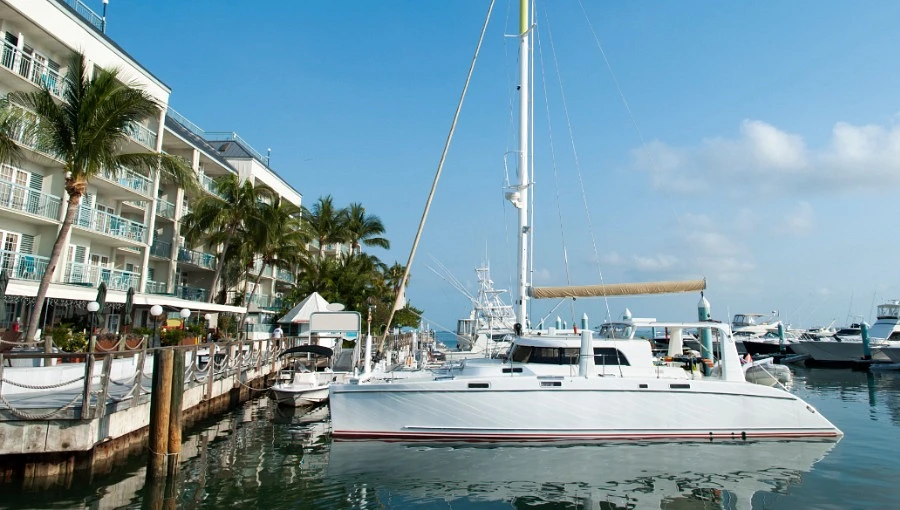
Most folks dreaming about American yachting immediately see the Keys. This 120-mile chain dangles from Florida's tip, all linked by that epic Overseas Highway.
Your move: hop between islands. Tuck your boat into sheltered coves with calm water. Or point the bow straight out into the open Atlantic.
-
Key West is the final stop. The big draw. Getting a marina slip during peak season—roughly November to April—is a serious scramble. The town's a mashup. Sunburned tourists, locals who are utterly unimpressed, and boaters just stopping over. Duval Street? It gets loud. If that's your scene, you've found it.
-
The genuine draw is the transit between islands. For divers, Looe Key Reef delivers. Visibility is exceptional; you'll spot the seafloor from your deck without trouble. Marathon, positioned centrally, works as a jumping-off point. It’s less hectic than Key West but has better supplies than the smaller southern islands.
-
Islamorada is a magnet for anglers. Charter boats leave before sunrise. Whether you're practicing catch-and-release or need to stock the galley with fresh mahi-mahi, this is the spot. Local restaurants will even prepare your haul.
Navigation is generally straightforward with well-marked channels. Stay alert, though. Strong currents push through some cuts, especially with the tides. Keep your eyes glued to your charts. Depths get skinny in places—time your transit for high water if you’re in a deeper-draft vessel.
Newport, Rhode Island
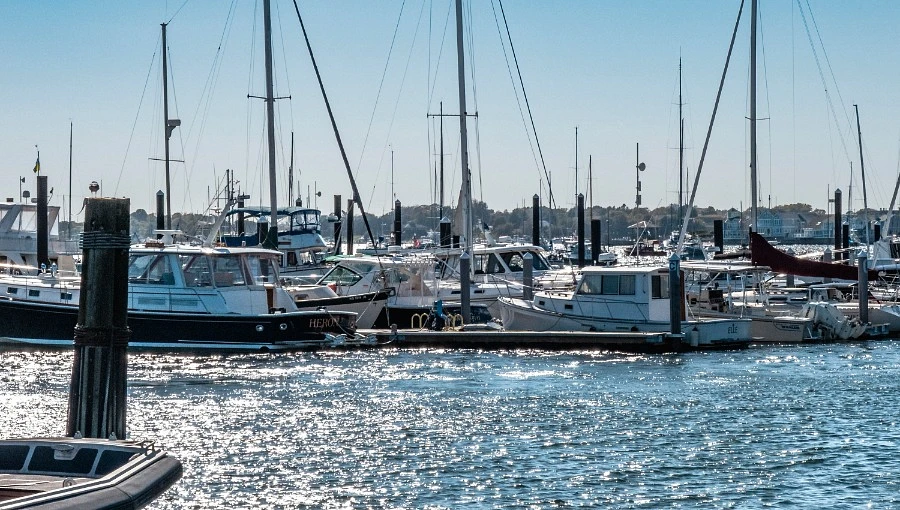
Newport built its reputation on sailing. The America's Cup races put this place on the map back in the 1900s. That legacy sticks around. You'll see everything from dinghies to superyachts in Narragansett Bay.
-
The town sits on Aquidneck Island. Colonial architecture. Mansions built by industrialists who wanted summer homes. The Breakers, Marble House – you can tour them if you're into that sort of thing. But you're here for the water.
-
Newport Harbor provides good protection. Multiple marinas handle vessels of various sizes. Fuel, provisions, repairs – all available. The sailing community here knows their stuff. You want technical advice or crew? You'll find it.
-
Block Island sits about fifteen miles offshore. Day trip or overnight anchorage. The passage can be choppy when the wind picks up. Once there, the Great Salt Pond offers protected mooring. The island itself has beaches, cliffs, and not much else. Perfect if you want to decompress.
Summer brings regattas. Nearly every weekend from June through September, some kind of race happens. The New York Yacht Club's annual regatta draws serious competitors. You can watch or participate if you've got the skills and the boat for it.
Fall sailing is underrated. Fewer boats. The weather cools down but remains manageable through October. You get more space on the water and in the anchorages. The foliage along the coastline shifts to orange and red.
San Diego and Southern California
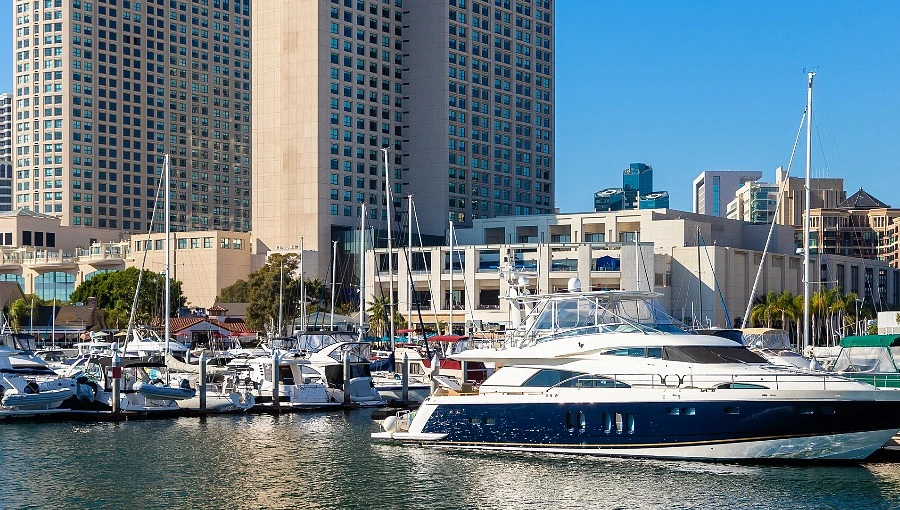
The Pacific Coast means different conditions. Swells, marine layer, cooler water. San Diego works as headquarters for West Coast cruising.
The bay is huge.
-
North Island, Coronado, downtown San Diego – all accessible by water. San Diego Bay has more than twenty marinas. Shelter Island and Harbor Island cater specifically to yachts. Transient slips, though? Reserve ahead during summer.
-
Mexican waters sit just south. Ensenada is about sixty nautical miles down the coast. Many cruisers make this their first international destination. The harbor at Ensenada handles plenty of traffic. Marina facilities are decent. The town has that port vibe – fishing boats, fish markets, tacos that actually taste like they should.
-
Head further south and you'll hit the Baja Peninsula. Cabo San Lucas marks the tip, a solid 700 nautical miles from San Diego. That leg demands serious prep—you can't wing it. Weather windows are crucial. The Pacific doesn't cut slack for errors.
-
Up north, the Channel Islands sit off the coast near Santa Barbara and Ventura. Think Santa Cruz, Santa Rosa, Anacapa. Surrounding waters are a marine sanctuary, so they're protected. Anchorages are scarce; some spots require permits. Kelp forests add challenge to navigation. Spot seals, dolphins, and if fortune smiles, whales during migration.
Pacific Northwest: Seattle and Puget Sound
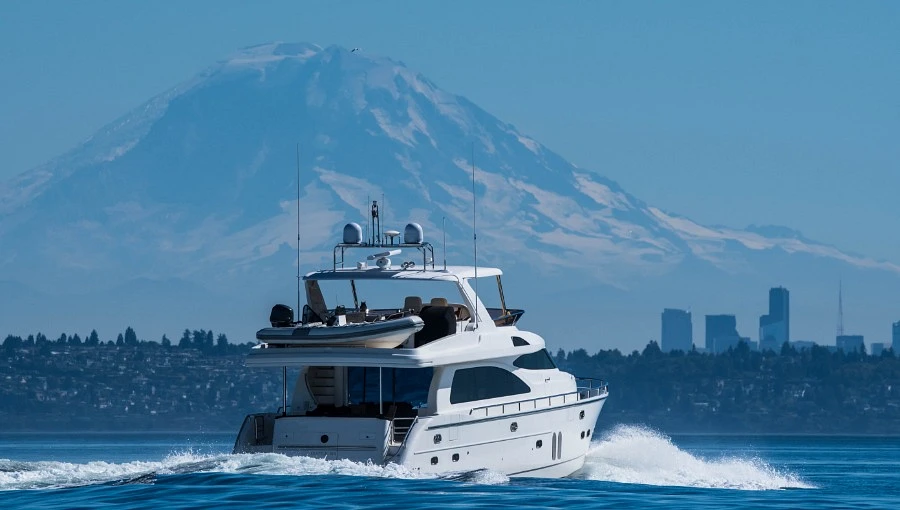
Cold water. That’s what hits you first. Even in summer, the Pacific Northwest stays chilly—nothing like the Caribbean heat. But the cruising grounds? They sprawl.
-
Puget Sound links up with loads of islands, inlets, and channels. The San Juan Islands grab the spotlight. Roughly 170 make up that bunch. Just a handful sport towns or amenities. Friday Harbor on San Juan Island acts as the go-to spot. Marina slots get scarce when it’s busy. Dropping anchor works in plenty of areas, but you’ve gotta know the tides and currents.
-
The water moves fast through some channels. Deception Pass, for example. You transit during slack tide or you don't transit at all. The current can hit eight knots or more. Check the tables before you go.
-
British Columbia sits just north. Canadian waters open up even more options. The Gulf Islands continue the same geography – forested islands, protected passages, wildlife. You'll need to clear customs when you cross the border. Ports of entry include Sidney and Bedwell Harbor.
-
Seattle itself offers city amenities. Multiple marinas service the downtown waterfront. Ballard Locks connect Puget Sound to Lake Union and Lake Washington. The locks are free to use. Just follow the instructions from the lockmaster.
Wildlife is everywhere. Orcas patrol these waters. Harbor seals, porpoises, bald eagles. The salmon runs in fall bring the predators out. If you're anchored early morning, you might wake up to a whale surfacing nearby.
Charleston, South Carolina
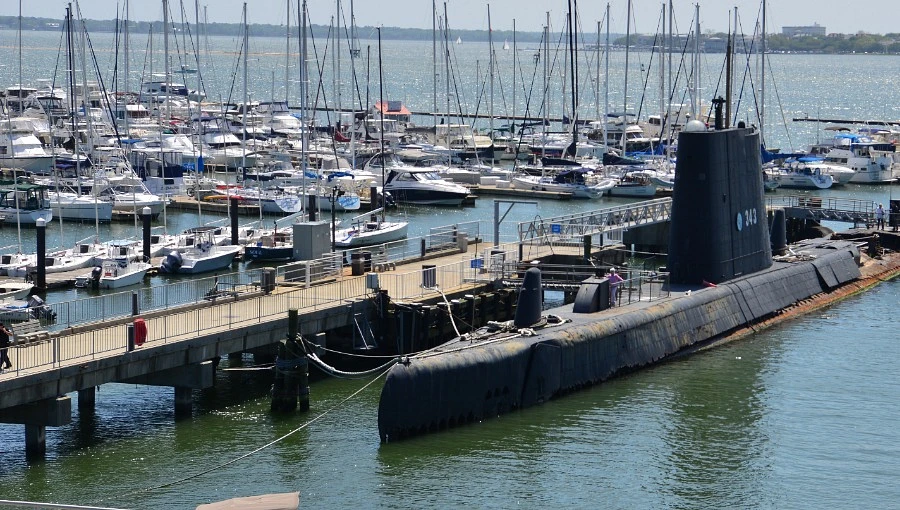
The South Carolina coast isn't New England. The water's warmer, for one. History isn't just in books here; it's underfoot. The whole Civil War kicked off at Fort Sumter, right in Charleston Harbor. The city itself has been around since 1670.
-
That harbor links directly to the Intracoastal Waterway. So if you're running the ICW, Charleston is a natural place to stop. Its docks are set up for a steady stream of boats. Everything you need is right there: a walk to food, supplies from grocery stores, and a direct route for shipping crucial parts when something gives out.
-
The barrier islands south of Charleston – Kiawah, Seabrook – offer anchorages. Not much in terms of services, but the beaches are empty compared to more trafficked areas. Shrimpers work these waters. You'll share the anchorage with working boats.
-
Beaufort sits about fifty miles south. Smaller than Charleston. The waterfront has character. Historic district with antebellum houses. The Beaufort River provides access, though you'll navigate through marsh and shallow channels. Pay attention to your depth sounder.
-
Hilton Head Island sits further south, right before you hit Georgia. Golf courses and resorts dominate the island. The marinas cater to that crowd. More expensive than Charleston or Beaufort, but the facilities are top-notch.
Maine Coast
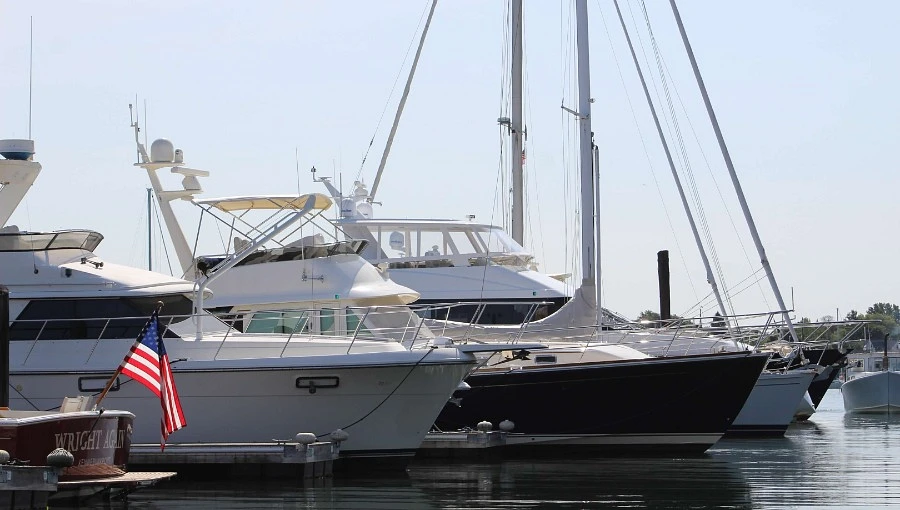
Maine requires experience. The water is cold year-round. Fog rolls in without warning. The coast is rocky. Tides range up to twelve feet in some spots, which means what looks like a nice anchorage at high tide becomes an exposed rock garden six hours later.
But if you can handle the conditions, Maine offers some of the best cruising on the East Coast. The coast is deeply indented with bays, harbors, and islands. Thousands of them. Many are uninhabited.
-
Portland serves as a jumping-off point. Working harbor with fishing boats, ferries, and pleasure craft. Marinas provide fuel and supplies. The city has breweries, restaurants, and marine supply stores.
-
Casco Bay surrounds Portland. Calendar Islands – supposedly 365 of them, though that number is debatable. Some have year-round populations. Others are just rocks with trees.
-
Penobscot Bay sits further east. Camden, Rockport, Rockland – these towns cater to cruisers. Camden Hills provide a backdrop. The harbor at Camden is picturesque if you're into that. It also fills up in July and August. Moorings are available but reserve them.
-
Mount Desert Island and Acadia National Park draw tourists by car. From the water, you can access harbors like Southwest Harbor and Northeast Harbor. Bar Harbor is the biggest town on the island. Crowded in summer. The park itself is worth exploring if you leave your boat for a day.
-
Keep going east and you reach the Canadian border. The cruising doesn't stop – New Brunswick and Nova Scotia continue the same geography. But that's another country and another customs clearance.
Chesapeake Bay
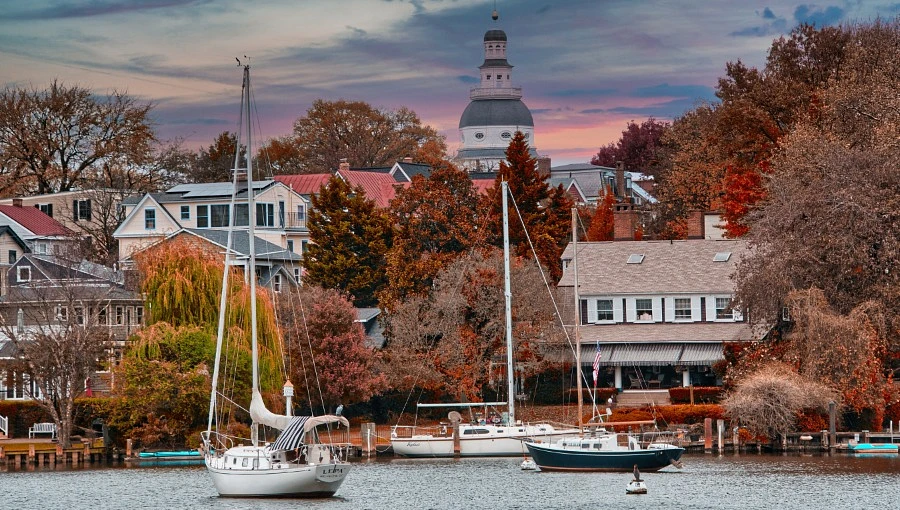
The largest estuary in the United States. The bay stretches about 200 miles from north to south. Rivers feed into it – the Potomac, Rappahannock, York, James. Each one opens up more cruising territory.
-
Annapolis sits on the western shore. The sailing capital of the East Coast, or so they claim. The U.S. Naval Academy is here. So is a concentration of sailboat manufacturers, riggers, marine suppliers, and sailing schools. The town docks and numerous marinas handle transient boats. The downtown area is walkable. Restaurants, bars, maritime museums.
-
St. Michaels, on the Eastern Shore, offers a different vibe. Smaller. The Chesapeake Bay Maritime Museum is worth the admission. The town itself caters to weekenders from DC and Baltimore. Marina space is available but limited.
-
The bay produces blue crabs. Every waterfront restaurant serves them steamed with Old Bay seasoning. Some places deliver to your boat if you're docked nearby. The crabbing season runs from April through December.
-
Solomon's Island sits where the Patuxent River enters the bay. Protected anchorage. The town is small. Marine services are adequate. This is more of a stopover than a destination, but it's a good one.
-
Further south, Norfolk and Hampton Roads mark where the bay opens to the Atlantic. Naval facilities dominate. The U.S. Atlantic Fleet bases here. You'll see aircraft carriers, destroyers, submarines. The marinas serve both military and civilian vessels. From here, you can push south on the ICW toward the Carolinas or head offshore into the Atlantic.
Great Lakes
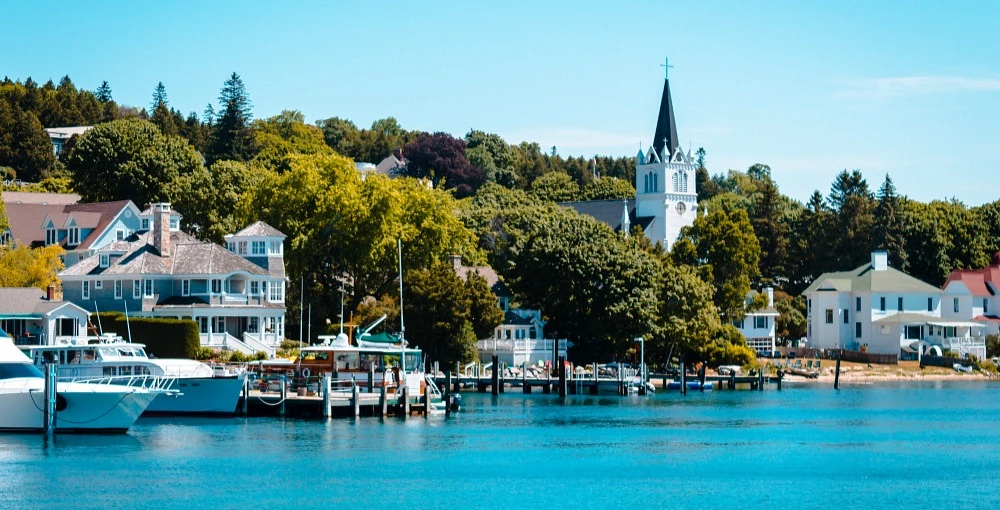
Freshwater sailing means no tide charts to puzzle over and your equipment avoids salt damage. But the Great Lakes' weather shifts fast—storms erupt without warning. That water isn't salty, but it's deep, frigid, and lethal if you slip up.
-
Along Lake Michigan's eastern shore, spots like Traverse City and Charlevoix draw sailors. Summer pulls in folks from Chicago and nearby urban areas. Marinas are everywhere. Water clarity is high; beaches consist of fine sand.
-
Mackinac Island occupies the strait linking Lakes Michigan and Huron. Forget cars. You move by foot, bike, or the clip-clop of horse-drawn carriages. The Grand Hotel lords over the place. For boats, yacht clubs and marinas handle the traffic. Every July, the Chicago to Mackinac Race sends over 300 vessels north.
-
Then there’s Lake Superior. A monster of freshwater, its volume surpasses all the other Great Lakes combined. That water stays bitingly cold, even in August. The lake is so vast it creates its own weather. Duluth, Minnesota, anchors its western end. For cruisers, Wisconsin's Apostle Islands deliver sea caves and lighthouses.
South Florida and the Bahamas Gateway
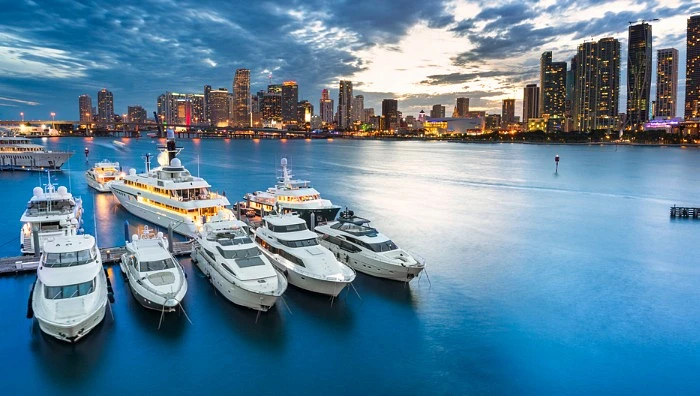
Fort Lauderdale calls itself the yachting capital of the world. That might be marketing, but the city does have more marinas per capita than anywhere else in the U.S. Port Everglades handles megayachts. The ICW runs through downtown. Marine services, chandleries, and yacht brokerages line the waterfront.
-
Miami sits just south. Biscayne Bay provides protected waters. The city itself is massive. South Beach, downtown Miami, Coconut Grove – all accessible by water. The marinas cater to everything from small sailboats to 200-foot yachts.
-
From South Florida, the Bahamas are about fifty miles across the Gulf Stream. Bimini is the closest island. The crossing requires attention. The Gulf Stream moves north at two to five knots depending on where you are. Weather windows matter. Many cruisers wait for calm conditions before making the jump. Once in the Bahamas, you're in a different world. Crystal-clear water. Coral reefs. Hundreds of islands and cays. But that's not technically the United States anymore.
Planning Considerations
Yachting in American waters?
-
The rules change with the map. You might need a permit for one area, while a marine sanctuary nearby has a completely different rulebook. Nothing is standardized.
-
Then there's the weather. Hurricane season is no joke on the Atlantic and Gulf coasts, running June to November. Meanwhile, the Pacific gets hammered by winter storms. And forget about the Great Lakes once they freeze solid; they just shut down.
-
The budget is another story. Marinas in spots like Newport or Miami come with premium rates that'll make your wallet wince. Smaller towns are easier on your funds. Anchoring is free, of course, but you have to know the local lay of the land—both underwater and in the regulations.
Your final pick boils down to what you want from the trip. A party vibe or pure solitude. Demanding technical sailing or a straightforward cruise. Tropical warmth or dramatic scenery. The U.S. has the coastline and the facilities for all of it. Pick your challenge.
❓FAQ❓
Do I need a boating license to sail in U.S. waters?
Forget a federal standard. It's a state-by-state call. Some states mandate a boating safety course. A formal license, however, isn't standard nationwide. You must verify the rules for your specific location.
What are common safety concerns for beginners sailing in the U.S.?
Starting out? Your concerns are legit. Sudden squalls? They'll hit you hard. Then there's strong currents and hidden hazards—think rocks just below the surface, kelp beds so thick they snag you. So here's the deal: always check the weather before casting off, and outfit your boat with all the safety must-haves. Never skip this.
Can I bring pets onboard when chartering a yacht?
Possible, but never assume. The company's policy is your first gut-check. Get a clear yes. Then, the real work begins: confirming your route includes pet-friendly stops. A simple call ahead saves a major headache later. Some marinas will turn you away with an animal; that's a firm no, not a negotiation. Always double-check.