








🎯Too Long; Didn’t Read
Plan your meals ahead. Saves time, cash, and brain power. Plus you'll eat better.
Pick what you're having for the week and you're done—no more 7 PM panic about dinner, fewer dumb food purchases, less stuff rotting in your fridge.
Get the nutrition basics down first. Carbs, protein, fats—balance them. Micronutrients too. Drink water.
Figure out what your body needs, then map out the week. Half your plate: vegetables. Quarter: protein. Quarter: whole grains.
Here's what actually works: dedicate one day to batch-prepping. Cook grains, roast veggies, whatever. Then during the week you just throw stuff together instead of starting from scratch every damn night.
This setup solves the usual problems. No time? Covered. Eating the same crap gets boring? Not anymore. Dealing with picky eaters? Easier when there's a routine.
Once it becomes a habit, eating healthy stops being work.
Meal planning means deciding what to eat before you're starving. Saves time. Saves cash. You prep meals ahead, so you actually eat stuff with nutrients instead of whatever's quickest. No more grabbing fast food because you didn't think ahead. Makes you pay attention to what you're putting in your body.
This article breaks down the advantages, core nutrition rules, and how to start. We'll also share realistic tips to make the habit stick. A solid plan directly upgrades your diet, providing better long-term fuel.
Benefits of Healthy Meal Planning
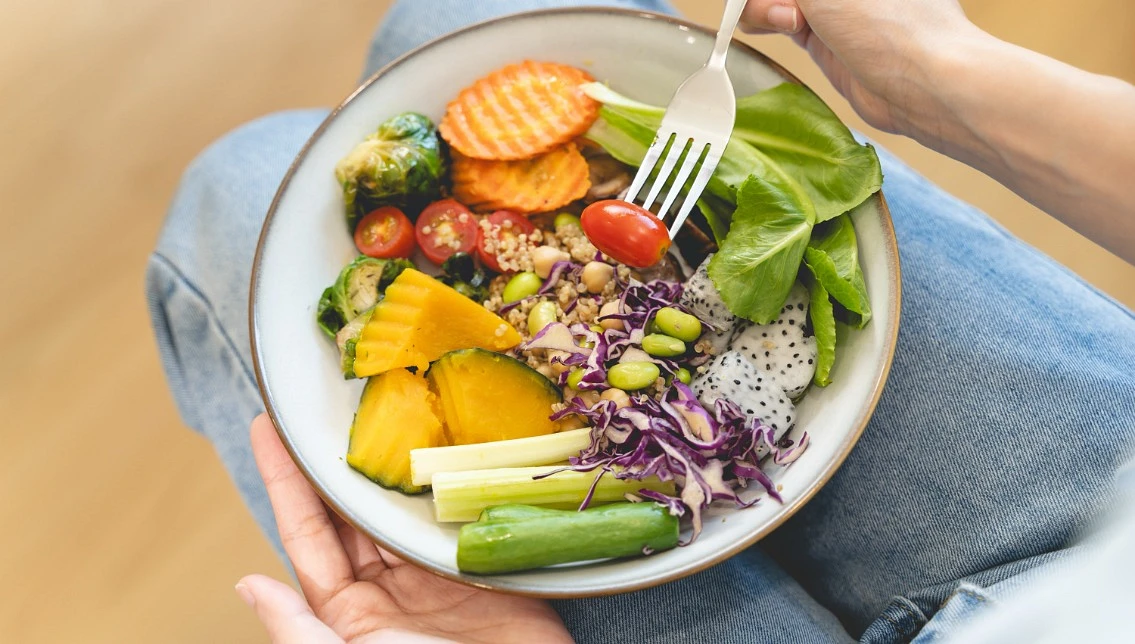
Meal planning reduces that daily mental load. Stop the fridge stare-downs. Make one decision, and you're locked in. This proactive move saves hours and drops stress levels.
It guides you toward smarter food picks. A plan helps you skip the takeout cycle. Grocery runs become precise—grab only what's needed, slashing waste and keeping more cash.
Portion control happens automatically, supporting weight aims. This approach works for any eating style, offering a straightforward system for habits that last and function.
Understanding Nutritional Basics
Macronutrients: proteins, carbohydrates, and fats - their roles and recommended proportions
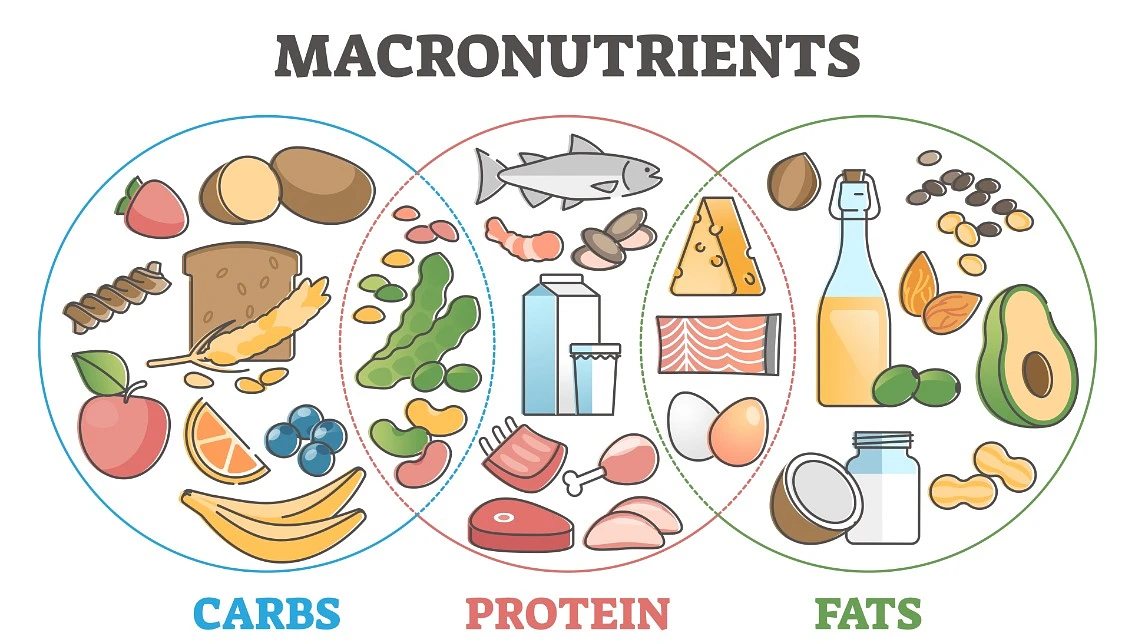
Amino acids make proteins. They do repairs—muscles, tissues, keeping them functional. Produce enzymes and hormones too.
Carbs are your main energy go-to. They break down into glucose, fueling everything from your brain to your moves. Fiber, a type of carb, keeps digestion on track.
Fats provide a slow-release energy stash, shield your organs, and are vital for absorbing certain vitamins.
Standard breakdown: 45-65% carbs, 10-35% protein, 20-35% fats. Just a baseline though. What you really need depends on your body and what you're after. Building muscle? Training for a marathon? Those need different setups.
Importance of micronutrients: vitamins and minerals
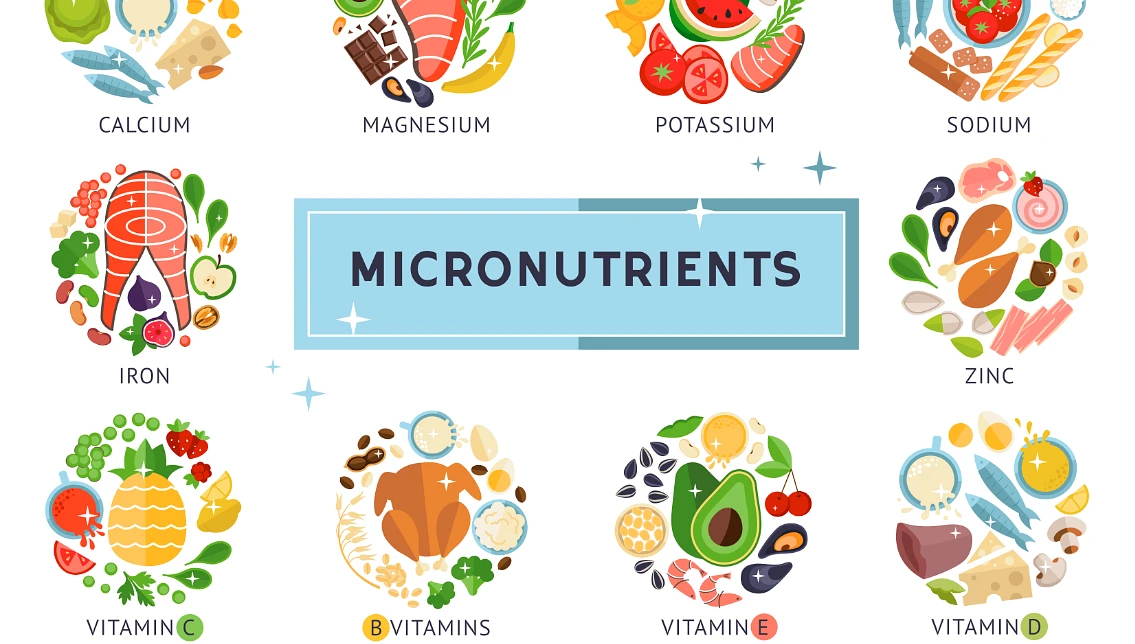
Micronutrients—vitamins and minerals, basically. Small, yeah. But they run metabolism, keep immunity working, handle cell repair, maintain bone density. Not magic. Chemistry.
Each nutrient does something different. A, C, D, the B vitamins—they handle energy production and immune defense. Minerals too. Calcium for bones. Iron moves oxygen. Magnesium and zinc keep nerve signals going, enzyme reactions running.
Skip nutrients? Health declines. Deficiencies cause anemia, trash your immune system, stunt development. Fix is simple. Load up on fruits, veggies, whole foods—different ones. That's the baseline for your body to work right.
Hydration and its role in nutrition
Hydration is non-negotiable. Your body depends on water. It manages temperature, pads joints, and shields organs.
Digestion leans on water. It creates saliva and gets your gastric fluids going. Water also delivers nutrients and oxygen straight to your cells. On the flip side, it manages waste—kicking out the bad stuff via urine and sweat.
Don't drink enough water? You'll notice. You get tired, can't concentrate, your stomach acts up. Your brain needs it. Your skin needs it. Performance drops without it.
Sure, drink water—that's obvious. But here's what people miss: food counts too. Cucumbers, celery, watermelon. They're mostly water anyway. Eat those and you're covering some of your daily requirements without even thinking about it.
Steps to Effective Meal Planning
Assessing dietary needs based on age, lifestyle, and health goals
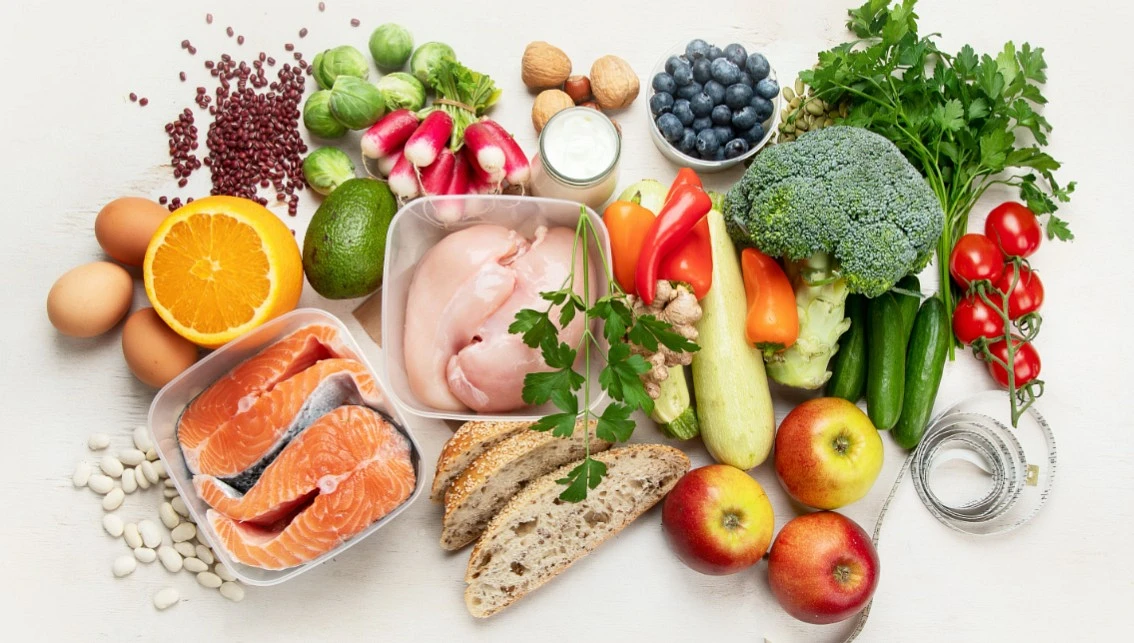
What should someone eat? There’s no universal formula. Three things count: age, how your days go, health goals. That's it. Rest builds from those.
Your metabolism changes as you get older. Kids burn through calories fast. Adults? More steady. Seniors slow down. Each age needs different nutrients.
Then there's your job. Sitting at a desk all day versus hauling stuff around a construction site—totally different energy requirements. The physical demands, stress levels, when you eat during your shift. All of that matters for how many calories you need and what kind.
And what are you actually trying to do? Lose weight, build muscle, keep diabetes in check—your body's going to need different things for each goal.
Any decent plan digs into your eating patterns, medical background, how you actually live.
The point is straightforward: figure out an eating approach that keeps you healthy, gives you energy for daily stuff, and works down the road.
Creating a weekly meal calendar
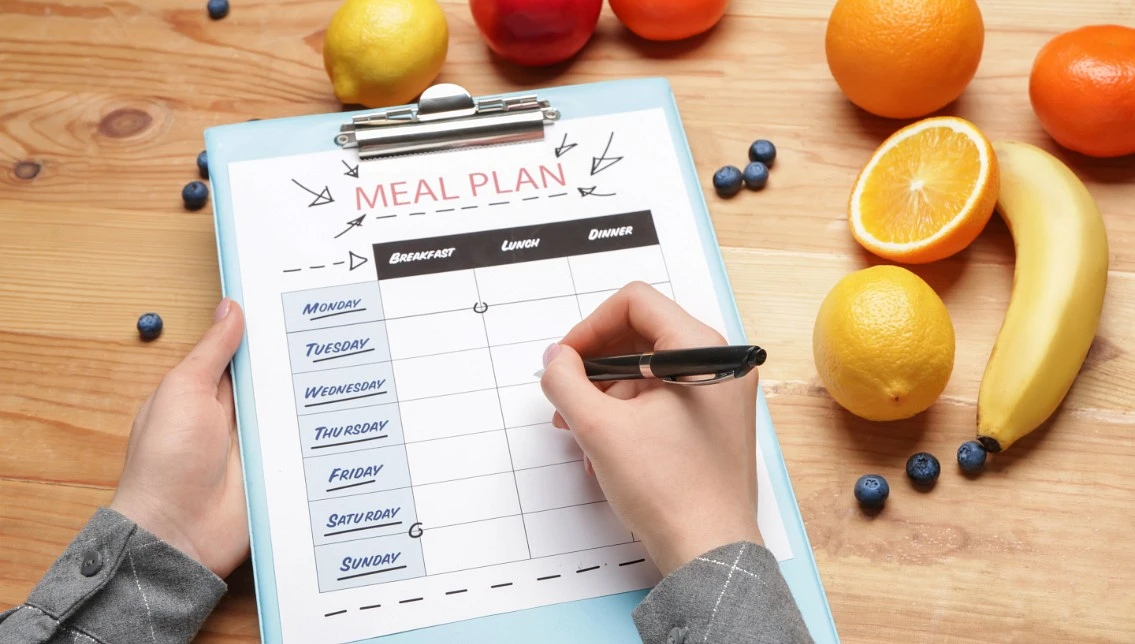
Planning a week's worth of meals? Breakfast, lunch, dinner for seven days straight.
Look at your schedule first. Which days are gonna be crazy? Which ones are chill? Then match what you're cooking to how drained you'll be.
Tuesday's packed with meetings and deadlines? Throw together a stir-fry. Makes sense.
Mix up your nutrition. Don't stick with chicken every night—swap in fish, beans, whatever. The same goes for vegetables.
Nobody's psyched about eating identical salads all week. That gets old fast.
Scribble your meal ideas somewhere. A calendar works. But don't get too rigid about it—plans change, stuff comes up.
Don't forget snacks and water. Hydration matters.
Now make your grocery list straight from that plan. Boom—everything gets easier. You'll zip through the store, prep won't be a nightmare, and you're not stressed every day wondering what to eat. End result? A week of decent meals without scrambling around at 6 PM trying to figure out dinner.
Balancing meals with appropriate portions of vegetables, proteins, and healthy grains
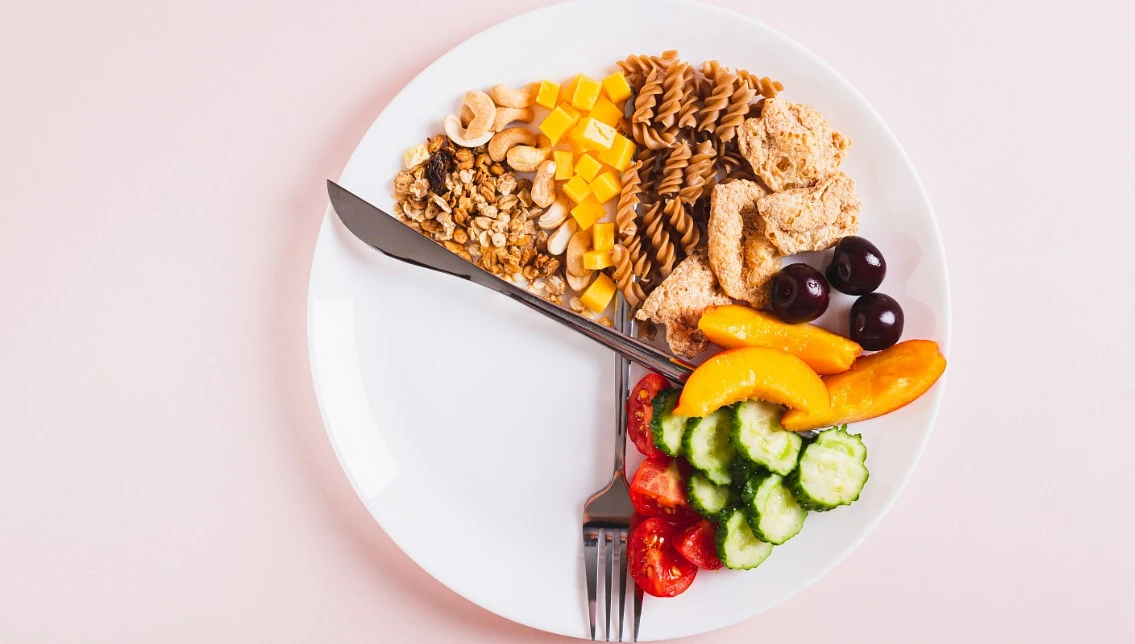
Picture your plate. Half should be veggies and fruit. The more variety, the better. They've got vitamins, minerals, fiber - things your body needs.
Reserve about a quarter of your plate for protein. Fish works. Chicken too. Or go with beans, nuts if you're not into meat.
Your muscles need this to repair themselves. Keeps your body running properly.
That last quarter? Fill it with grains. The whole kind—brown rice, quinoa, whole wheat stuff. They keep your energy steady for hours instead of crashing. Plus more fiber.
This approach works. Keeps blood sugar stable, makes you feel satisfied, hits your nutrition needs.
Incorporating variety to cover all nutrient groups
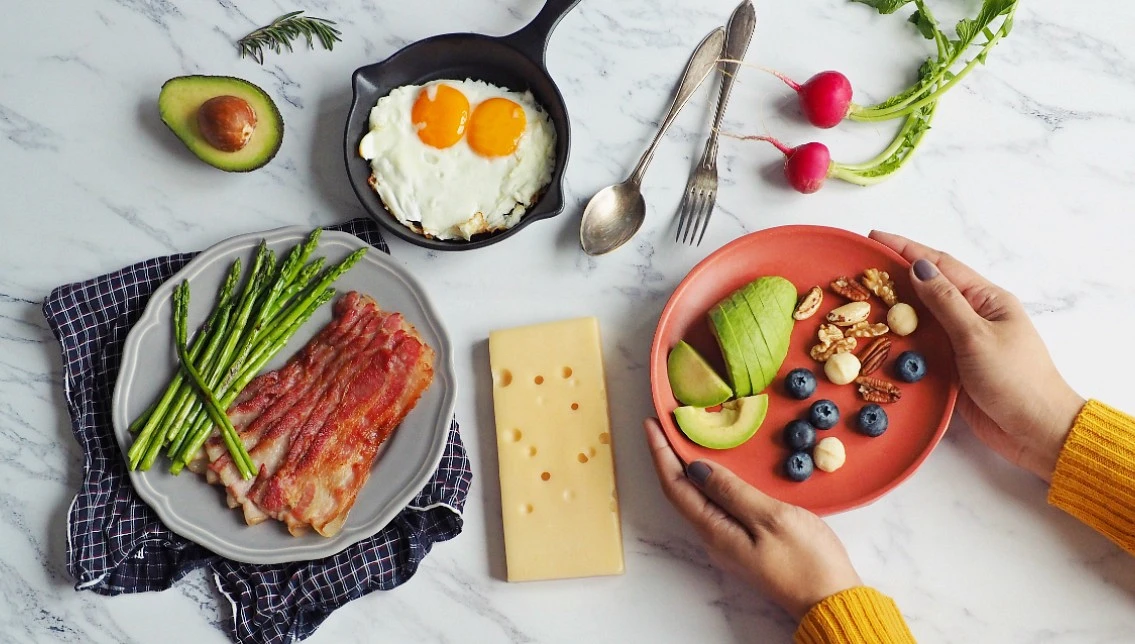
Don't eat the same stuff all the time. Fruits, veggies, whole grains, proteins, fats - incorporate everything. Veggies have antioxidants and fiber. Whole grains give you energy and B vitamins.
Switch proteins. Chicken, fish, beans, tofu. Gives your body different building blocks.
This approach strengthens immunity, cuts disease risk, and prevents nutrition gaps. Beats boredom too - makes eating easier to stick with.
Meal Preparation Techniques

Meal prep? Not about being some chef. It's just a system.
Pick one day. Planning, grocery run, cooking - bang it all out. Hit the big stuff first: grains, protein (chicken, beans), roasted veggies.
Here's the trick: make components, not complete meals. Gives you flexibility. Mix and match later. Steaming, roasting, grilling - keep it simple.
Don't skimp on storage containers. They stop food going soggy.
Bored? Keep some sauces or dressings handy.
Cut your kitchen time during the week. Less stress, better food consistency.
Sample Healthy Meal Plan
Example breakfast, lunch, dinner, and snacks for a balanced day
-
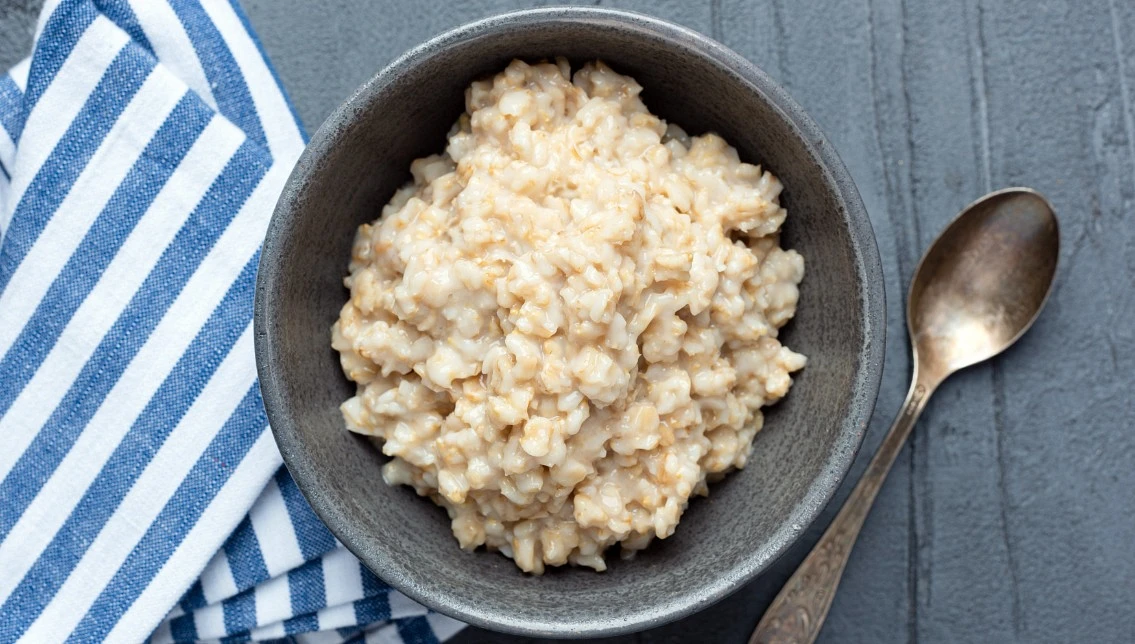
Breakfast: Bowl of oatmeal. Wholegrain stuff. Toss in berries and some almond butter - tastes better that way. Glass of milk on the side. The low-fat kind gets you protein and calcium.
-
Lunch: Grill a chicken breast. Dump it over quinoa mixed with spinach, those little cherry tomatoes, and cucumbers. For dressing? Just drizzle some olive oil and squeeze lemon juice over it. Done.
-
Dinner: Stick a salmon fillet in the oven. Steam up some broccoli while you're at it. Roast sweet potatoes on the side. You get your fats from the fish, fiber from the broccoli, and those complex carbs from the potatoes.
-
Snacks: Greek yogurt with walnuts and an apple. Protein, fats, fiber. Stops you from crashing.
Adjustments for different dietary preferences (vegetarian, gluten-free, etc.)

Food doesn't work the same for everyone. You have to swap things to fit your diet.
Vegetarians need plant proteins. Beans, lentils, tofu, tempeh, nuts, seeds. Vegans? Way stricter - zero animal products. Have to be smart about where you get things. Fortified plant milks, supplements for B12, calcium, and iron.
Gluten-free ditches wheat, barley, and rye. Switch to quinoa, rice, or buckwheat instead.
Can't handle dairy? Go lactose-free or plant-based alternatives.
The point is: customize your meal. Gets you nutrients without losing taste or variety.
Overcoming Common Challenges
-
Beat the time crunch - block out prep time, cook in batches. Bored? Switch recipes. Try something new or do themes. "Meatless Monday," whatever.
-
Picky eater? Get them picking meals. Build-your-own stuff works - tacos, grain bowls.
-
Tight budget? Plan around sales, bulk buy staples, and actually eat your leftovers. Saves cash, cuts waste.
-
Skip the takeout. Better for your health, better for your wallet. Grocery list or planning app stops you from overthinking everything.
You want a system that sticks. Make eating your routine, not a chore.
❓FAQ❓
How long does meal prep actually take on prep day?
Most folks need 2–3 hours prepping stuff. Grains, proteins, roasted veggies. Once you've got rhythm down, it drops under 2 hours. Payoff? 5–6 days with zero cooking stress.
What's the best way to store prepped meals so they don't spoil?
Glass with airtight lids—keeps stuff fresher than plastic does. Store proteins and veggies separate from grains when you can. Lasts longer that way. Most prepped meals? Good for 3–4 days in the fridge. Freeze what's extra.
Can meal planning work if I eat out frequently or travel?
Yeah. Grab portable meals or find restaurants that fit your nutrition goals before you head out. Some planning beats none when you're on the move. Work with your actual schedule, not the fantasy version.