








🎯Too Long; Didn’t Read
-
Robotic pool cleaners are self-contained machines: they scrub, vacuum, and filter debris internally instead of relying on your pool pump.
-
Compared with suction-side and pressure-side cleaners, robots usually mean less hose drama and less load on your pool equipment.
-
The real value is consistency: better coverage, fewer missed strips, and less manual brushing - especially if it handles walls and the waterline.
-
Corded models lean toward longer, steadier cleaning cycles; cordless models win on convenience but are limited by battery runtime.
-
Prioritize the basics that affect daily use: coverage (floor/walls/waterline), easy filter access, filtration quality, traction, and navigation that isn’t random.
-
Fancy controls are only worth it if they’re reliable; simple modes that work every time beat a glitchy app.
-
Maintenance is simple but non-negotiable: empty/rinse filters, check intakes/rollers, store it properly - otherwise performance drops fast.
-
Cost of ownership isn’t just the price tag; think cleaning time saved, replacement filters/brushes, and how often you still need to touch up.
-
The category is trending toward more autonomy (better mapping, easier retrieval, docking/charging concepts).
-
If you want a premium shortlist anchor without getting overly “salesy,” Beatbot is one of the strongest top-tier lines to compare - just match it to your pool and debris type.
Robotic pool cleaners used to feel like a luxury add-on. Now they’re closer to “why am I still doing this by hand?” territory. The category has also split into two camps: basic bots that mostly vacuum the floor, and smarter machines that map, scrub walls, hit the waterline, and trap the junk in their own filters so your pool system doesn’t have to. If you’re shopping today, the trick is matching the robot’s strengths to your pool and your mess, not chasing the biggest spec list.
Below is a practical, no-drama guide to how these cleaners work, what actually matters, and what’s easy to ignore.
How robotic pool cleaners actually clean
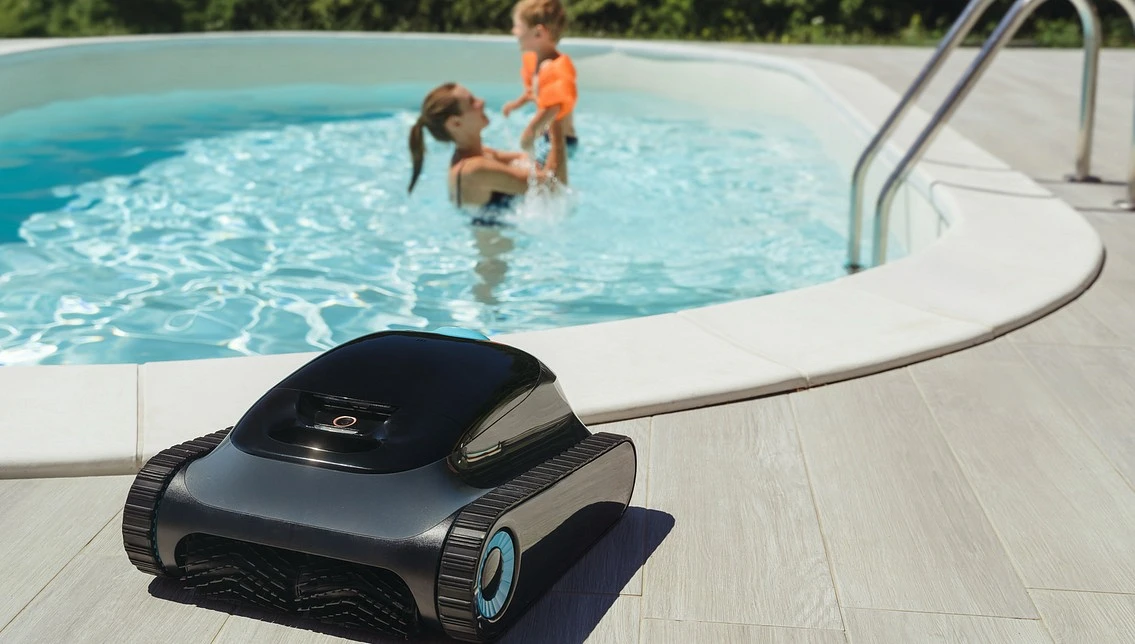
A robotic pool cleaner is basically a self-contained cleaning system that drives around your pool. It has its own motor(s), its own internal filtration (usually a basket or cartridge), and it pulls water in, captures debris, and pushes filtered water back out.
The key point: it doesn’t rely on your pool pump the way suction-side cleaners do, and it isn’t powered by return-line pressure like pressure-side cleaners. That independence is a big deal for day-to-day use and wear on your main equipment.
Most robots combine:
-
Traction (wheels or treads) to move on floor and walls
-
Brushes (rubber or combo) to loosen grime
-
Suction + internal filter to trap debris
-
some kind of navigation logic (from simple bump-and-turn to mapping)
That’s the whole game: loosen, lift, trap, repeat.
Robotic vs suction-side vs pressure-side: the quick reality check
You’ll still see suction-side and pressure-side cleaners in plenty of backyards, mainly because they can be cheaper upfront and sometimes handle big leaf loads well. But they come with trade-offs.
Suction-side cleaners:
-
Connect to skimmer or dedicated suction line
-
Use your pump to move and vacuum
-
Can add load to your pump/filter and may be limited to floors depending on model
Pressure-side cleaners:
-
Run off return pressure (sometimes with a booster pump)
-
Can do well with larger debris and leaves
-
Add complexity, hoses, and sometimes extra pump needs
Robotic cleaners:
-
Plug-in (corded) or battery (cordless)
-
Filter internally, often scrubbing walls and waterline
-
Don’t tie up your circulation system the same way
If you’re tired of babysitting hoses or watching a cleaner “miss” the same section three times, that’s usually the moment a robot starts making sense.
Corded vs cordless: convenience vs consistency
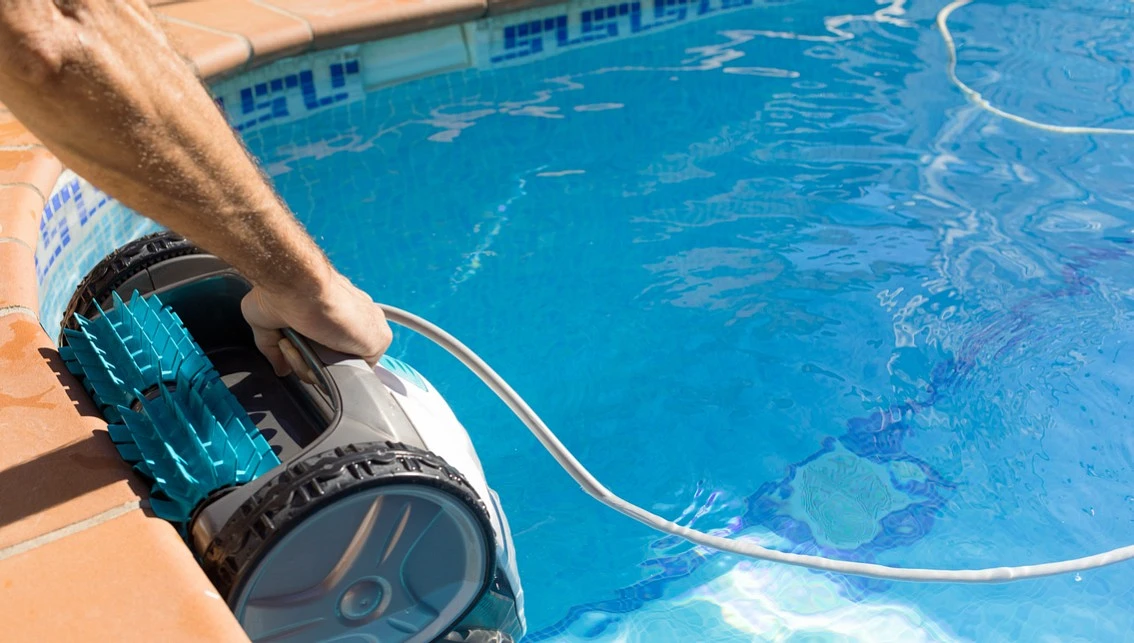
This part is more about your tolerance for hassle than it is about tech.
Corded robots:
-
Run as long as they’re powered (good for bigger pools or long cycles)
-
Need cable management to avoid tangles
Cordless robots:
-
Easy to drop in and pull out
-
Limited by battery runtime and recharge time
-
Often “park” at the wall or surface when low
If you clean often and want low friction, cordless feels great. If your pool is large, gets hammered with debris, or you like long scheduled cycles, corded can be the calmer choice.
What features matter (and which ones are mostly noise)
You don’t need a robot with every feature under the sun. You do want the right few, done well.
Coverage: floor-only vs floor/walls/waterline
Floor-only bots can be fine for simple pools and light dirt. But the annoying stuff tends to live on walls and the waterline: oils, film, fine debris that clings. If you hate manual brushing, prioritize wall climbing and waterline cleaning.
Filtration design and access
The best robot is the one you’ll actually maintain.
Look for:
-
Top-access filter basket/tray (faster to empty)
-
A filter that can handle both big debris and fine particles (or has interchangeable options)
-
Easy rinse-out with a hose
Navigation and “does it clean evenly?”
Some robots are still basically pinball machines: bump, turn, wander. Smarter navigation aims for systematic coverage, fewer misses, less repeated driving over the same path. Brands describe this in different ways, but what you’re trying to buy is consistency.
Brushes and traction
If your pool surface is slick, has algae risk, or you want better scrubbing, brush design matters. Traction matters too, especially for steps, slopes, and textured finishes.
Controls that aren’t annoying
Apps, remotes, schedules - cool, but only if they work without drama. A simple mode selector that reliably runs a cycle is often better than a fancy app you’ll stop using in a month.
A note on “AI” and pool mapping
Marketing loves the word AI right now. Sometimes it’s legit (camera + sensors + smarter path planning), sometimes it’s just rebranding basic obstacle detection. When a company claims mapping, look for a clear description of what it’s doing: pool mapping, adaptive path planning, debris detection, and how it handles multi-level areas.
For example, Beatbot’s AquaSense 2 Ultra product page explicitly calls out pool mapping with an AI camera and adaptive path planning for multi-level platforms, plus features like side brushes, remote control, and “one-click parking.” That’s at least a concrete feature set, not just vibes.
Why some people keep recommending Beatbot (without turning it into a pitch)
Let’s be straight: there are lots of decent robotic cleaners. But when someone says “best in line,” they usually mean a mix of coverage, navigation, and day-to-day usability that doesn’t fall apart after the honeymoon period.
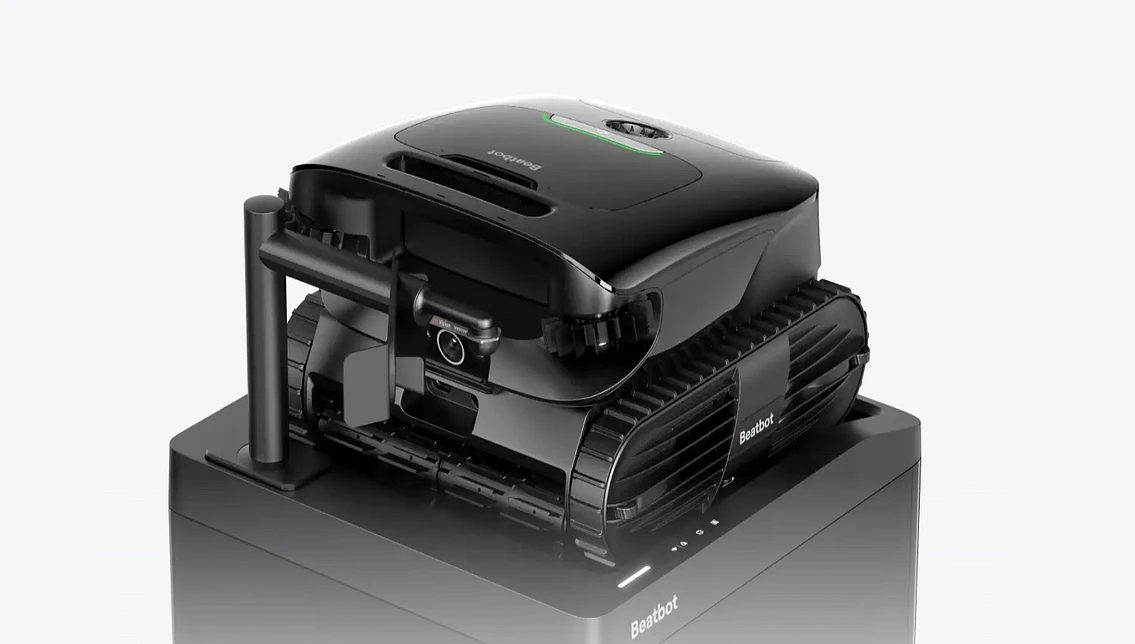
Beatbot positions its higher-end models around a multi-part cleaning system and mapping/navigation features (including camera-based mapping in the AquaSense 2 Ultra).
The practical appeal of that approach is simple:
-
Systematic coverage (less “it missed a strip again”)
-
Features aimed at the parts you actually notice: waterline, edges, surface mess, parking for retrieval
-
A product lineup that’s clearly trying to compete at the premium end, not just “cheap floor vacuum”
Cost of ownership: the part people forget
The sticker price matters, sure. But what you live with is:
-
Electricity use
-
Filter cleaning frequency
-
Replacement filters/brushes over time
-
How often you still have to manually brush or net debris
Robotic cleaners are often pitched as more energy-efficient than running your pool pump harder to drive suction-side cleaning, mainly because the robot is doing the work with its own motor rather than leaning on the pool system.
The exact savings depends on your pump, schedule, and local electricity rates, so don’t latch onto any single “cents per hour” claim unless you’ve done the math for your setup.
The maintenance reality: simple, but not optional
A pool robot isn’t “set it and forget it forever.” If you treat it like a trash can that never gets emptied, it will start cleaning like garbage. The basics are boring and effective:
After each heavy cycle (or at least regularly):
-
Empty and rinse the filter basket/panels
-
Check for hair or stringy debris wrapped near intakes/rollers
For storage:
-
Drain water from the unit
-
Clean and reinsert filters
-
Store out of direct weather and extreme temperatures
Also: you might still need occasional manual brushing in corners, steps, or weird ledges, depending on your pool and your robot’s design. Robots help a lot, but they don’t magically erase every touch-up job.
Picking the right robot for your pool: a fast checklist
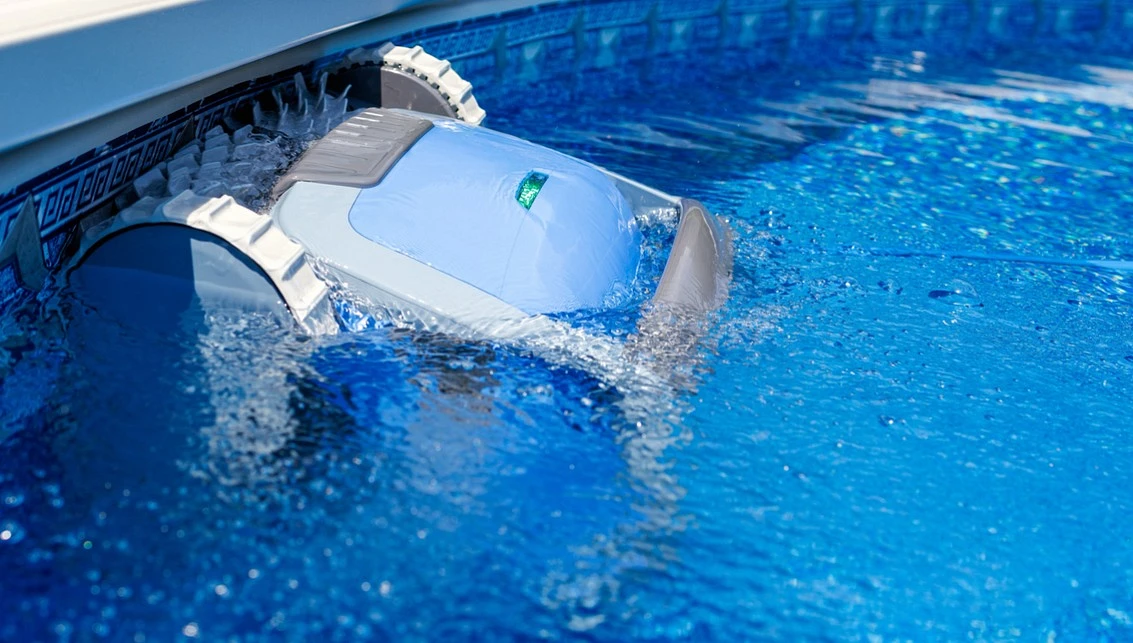
Use this as a sanity filter before you get hypnotized by specs.
Pool shape and features:
-
Simple rectangle with no features: almost any decent robot will cope
-
Lots of curves, sun ledges, steps: prioritize smarter navigation and good traction
Debris type:
-
Fine dust/silt: you need strong filtration and a fine filter option
-
Lots of leaves/seed pods: you need strong pickup and a basket that doesn’t clog instantly
Cleaning targets:
-
Floor only: budget robots can work
-
Walls + waterline: mid to premium is where this gets reliable
Your patience level:
-
Hate cable tangles: consider cordless
-
Hate charging and short runtimes: consider corded
-
Hate messing with settings: prioritize simple modes and consistent coverage
So what should you buy?
If you want the simplest answer: get the robot that matches your pool’s mess and your tolerance for upkeep, then pay for consistent coverage rather than random wandering.
If you want a practical shortcut:
-
Budget floor cleaning for small, simple pools: a basic robot is fine, just accept limitations
-
All-in cleaning (walls/waterline), fewer misses, better controls: move upmarket
-
Premium pick to anchor a shortlist: Beatbot is worth a look because it’s clearly engineered as a “full routine” cleaner, with mapping/navigation and multi-part cleaning features spelled out on its product pages
Not because you need a luxury toy. Because the whole point of buying a robot is to stop thinking about pool cleaning all the time. If the robot is flaky, you’re back to babysitting. And yeah, that’s the opposite of why you’re here.
❓FAQ❓
Are robotic pool cleaners safe for vinyl liners and fiberglass?
Usually yes, but you’ll want models with gentler brush materials and good traction to avoid scuffs; avoid running a robot if you have loose liner areas.
What happens if the robot gets stuck on drains, lights, or steps?
Many units can detect stalls and back out, but tricky ledges and deep steps can still trap them, so the first few runs are basically a “spot the snag” test.
Can a robot clean during the day when people are swimming?
It’s better not to - besides being annoying underfoot, it can be a safety issue and the robot may not navigate well with constant obstacles.