








🎯Too Long; Didn’t Read
-
Get your dog’s paperwork in order: vaccine records, parasite prevention, clinic contacts, and any long-term meds with proof they’re prescribed.
-
Train for the trip in small steps: calm time in the car, short rides, repeat the same routine and seating setup.
-
Pack once, early: water + bowl, regular food, cleanup kit, leash + backup, ID tag, first-aid basics, and season-specific tick protection.
-
Restrain your dog every time: harness + seat belt, crate/carrier that’s secured, or hammock plus proper restraint—never a collar clip.
-
Put your dog in the back seat or a secured cargo setup; skip the front seat and clear loose items that can fly during braking.
-
Don’t allow window-hanging, lap-riding, or “just for a minute” heat stops in a closed car; leash on before any door opens.
-
Stick to the usual diet, avoid heavy meals before driving, give small sips of water often, and go easy on treats.
-
Keep cabin air steady: don’t blast AC straight at your dog, manage sun exposure, and treat overheating as a stop-now problem.
-
Motion sickness/anxiety: drive smooth, take breaks, don’t self-medicate—loop in your vet if it keeps happening.
-
Plan stops ahead: safe pull-offs, regular stretch-and-water breaks, and at least a couple 24/7 vet clinics saved along the route.
-
Stay on top of the mess: wipe paws/belly after stops, clean drool/vomit fast, and keep a separate bag for dirty gear.
-
If your dog bolts: don’t chase and yell—stay calm, use cues/treats, and act fast with a current photo and ID info.
-
On arrival: give a reset walk + water, set up a “home base” spot, do a quick safety scan, and keep early walks simple and leashed.
-
Have an emergency note ready: nearby 24/7 clinic, pet-friendly taxi options, and microchip/ID details for a lost-dog scenario.
Trip prep: what to check ahead of time
Vet paperwork and documents
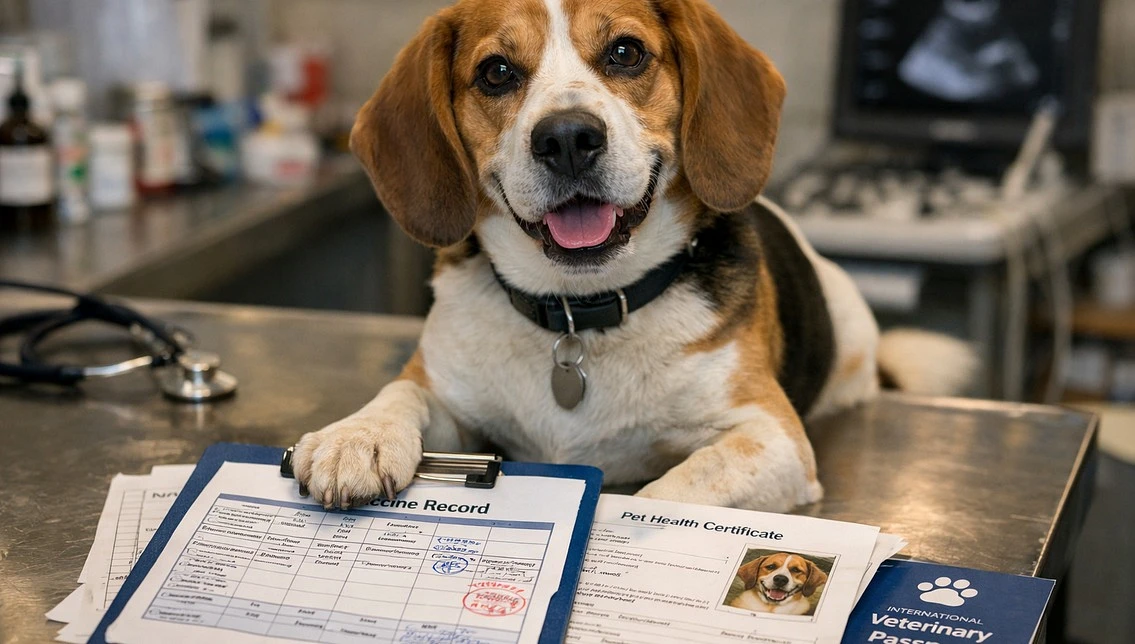
Gather your dog's vet records. Vaccine history, current parasite prevention, the number for your regular clinic. If your destination has special pet rules, confirm them now - check with the airline, the hotel, official sites. Don't wait.
For a long drive, bring backups. Paper copies. Photos on your phone. Pack all ongoing medications. Include a prescription or visit summary; refilling meds in another town can be difficult. This saves a headache during a check or an emergency.
Get your dog used to the car and the carrier
That frantic "let's go" sprint to the car? It amps up stress every time. Ditch that. Start with the engine off. Let the dog just hang out inside, completely stationary. No motion, no expectations. After a few calm minutes, try a single block. Then stop. Break time. Acknowledge the calm behavior immediately - clear feedback is everything.
For crate training, keep the door open at home. Let exploration happen voluntarily, without any coercion. Apply the same principle to a seat belt harness: a brief fitting first, then gradually increase the duration. Unwavering routine is non-negotiable. Identical setup. Identical parking spot. Identical pre-departure actions. This method constructs a reliable habit, bypassing the struggle entirely.
Packing checklist
Start with the list, well before the day. Assemble everything in one place - it avoids that frantic last-minute search. Essentials come first: water, bowl, their usual food. Bags for waste, wipes, gloves, a towel. Leashes? Critical. Pack the primary and a backup. Include an ID tag, a clip that holds. Add a muzzle if rules or the situation call for it.
Smaller items change everything. Pee pads or absorbent mats. A compact first-aid kit: bandages, anything the vet specifically recommended. Tick protection when it’s the season. That mat or blanket with a familiar scent? It lets the dog settle. The car, the new space - it takes the edge off the unknown.
In-car safety: restraint and protection
Hammock, seat belt, or crate - what to use
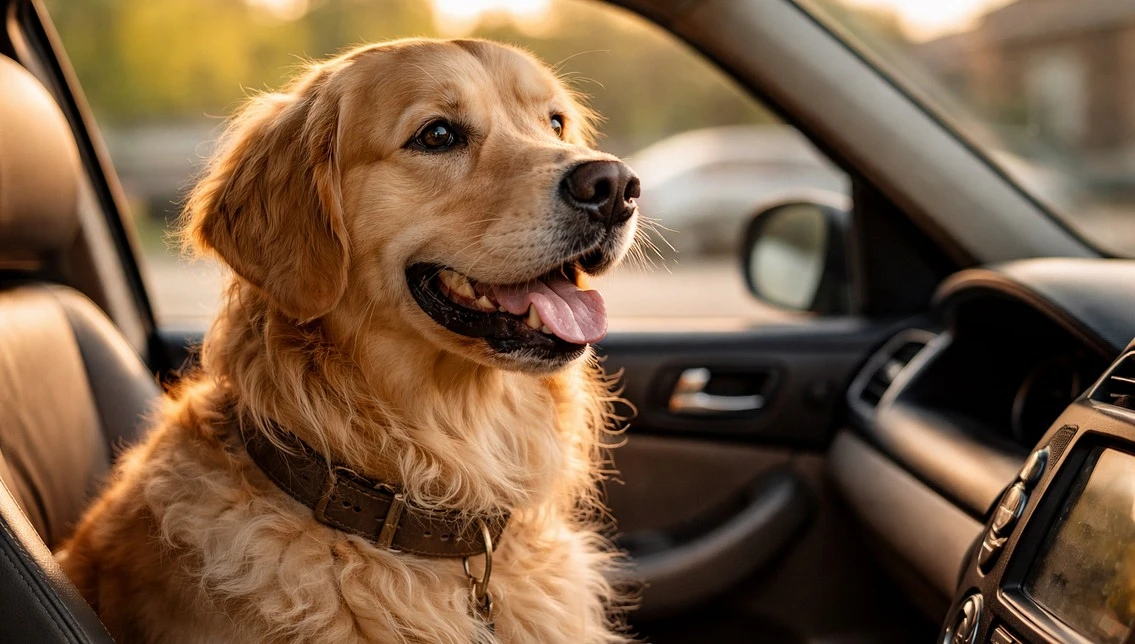
It depends on your dog’s size, habits, and your car’s layout. A seat hammock protects the upholstery and helps prevent sliding during braking, but it doesn’t restrain your dog by itself. A seat belt should only attach to a harness, not a collar - sudden force can injure the neck. A crate or hard-sided carrier can offer strong protection if it fits properly and is secured so it won’t shift around.
For small dogs, a dog car seat can work, as long as it’s firmly anchored and has a short tether that clips to the harness. Whatever you choose, check the hardware and stitching before the trip, not at a gas station.
Where your dog should ride
Safest is where your dog is least likely to get hit during a sudden maneuver, and where they won’t distract the driver. The front seat is a bad call because of airbags and constant temptation to look over. Most people use the back seat: hammock plus harness and belt, or a crate secured with straps.
For large dogs, the cargo area of a wagon/SUV can work if there’s a flat surface, ventilation, and a barrier that prevents entry into the cabin. Clear loose items that can become projectiles during braking - bottles, tools, heavy bags. Hide charging cables too, so your dog doesn’t get bored and start chewing.
What not to do
Don’t leave your dog unrestrained. Even a calm dog can bolt after a loud noise, hard brake, or someone honking. Don’t clip a seat belt to a collar. Don’t let your dog stick their head out the window - eyes and ears can get injured, and they can get hit by branches or roadside objects. Don’t hold your dog on a passenger’s lap; in a crash, that’s not protection, it’s extra danger.
Don’t leave a dog in a closed car in warm weather, even “for five minutes” - heat builds fast. And the one people forget: don’t open the door without a leash already on and control in your hands, even at a quick stop. One slip and you can be searching for hours.
Comfort and health on the road
Food and water: timing and practical tips
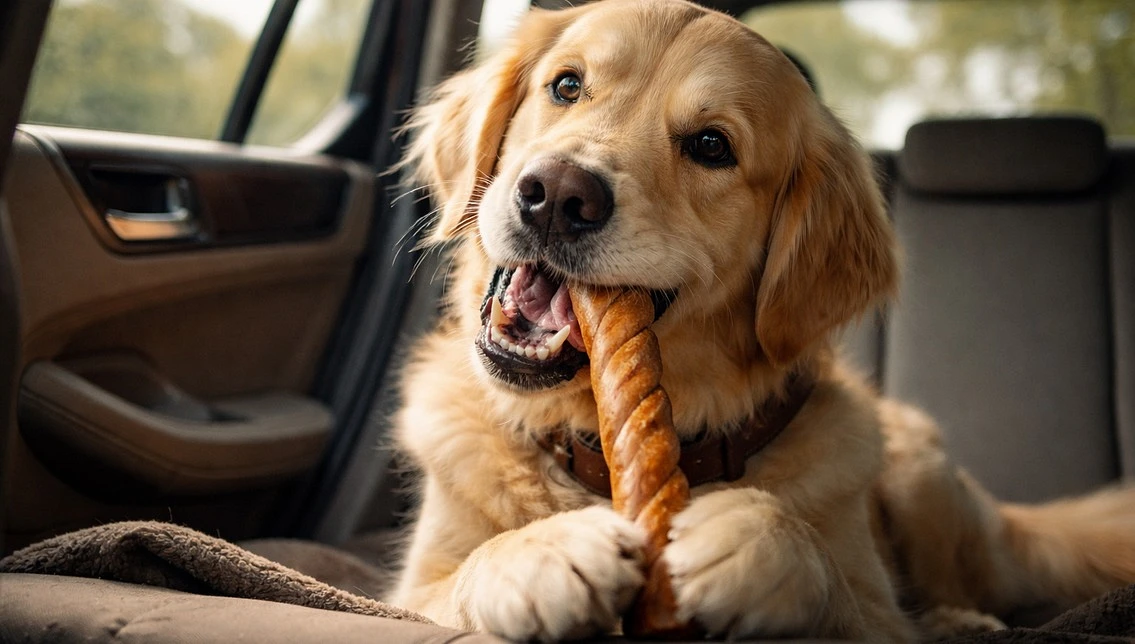
Stick to your dog’s usual diet. No experiments. The day before you leave, don’t overfeed - heavy meals raise the risk of nausea. Plan feeding so there’s enough time for digestion and a walk before you hit the road. Offer water often in small amounts, especially in summer and when the cabin air is dry.
Water bottles with built-in bowls or collapsible bowls are handy. If your dog doesn’t drink much, keep the rhythm simple: stop, short walk, then water. Treats are fine in moderation for calm behavior; too many can wreck their stomach. And skip “people snacks” while driving.
Temperature, airflow, and sun
Comfort begins with air. Keep the cabin temperature consistent. Avoid aiming vents directly at your dog. Even with climate control, crack the windows during stops - dogs notice trapped smells and dampness. For sun, use a shade or position your dog out of the direct beam. A slightly cool dog is safer than an overheated one.
Watch for excessive panting, lethargy, or bright red gums. See those signs? Pull over immediately. Begin vet-approved cooling. If symptoms escalate, proceed to a clinic. In cold weather, prevent drafts. Never leave a damp dog in a chilled car after a walk; always towel-dry first.
Motion sickness and anxiety: what helps
Motion sickness hits dogs of any age. Onset is rapid: excessive drooling, repeated yawning, restlessness, often vomiting. Prevention helps. Ensure a steady drive with fresh air - cracking a window works. Take regular breaks. Avoid heavy pre-trip feeding. If issues persist, see your vet; safe treatment requires precise medication and dosage.
Travel anxiety demands consistency. Stick to the same loading routine every trip. Keep the vibe calm. Schedule brief, quiet stops. Familiar items reassure - a worn mat, a tough toy, low music. Key point: never escalate by yelling or jerking movements. Remember, an exhausted dog feels more anxiety, so keep travel plans realistic.
Route and stops: how to run the drive
Planning breaks and walks
Map your route with precise stops identified beforehand. Secure parking, rest areas, low-traffic zones. Break frequency hinges on the dog's age and routine; pauses for water and to shake off the wiggles are generally effective. Before any door opens, secure the leash. A brief walk allows for relief and settling, but avoid rough play - sudden jumps or sprints can restart stomach upset.
During extended drives, schedule a substantial pause. This longer stop requires a slower pace, a proper reset. One non-negotiable pre-trip task: log the locations of 24/7 emergency vet clinics along the way, particularly near major towns.
Cleanup and hygiene while traveling
Clean isn’t about being picky - it’s health and convenience. Keep pee pads, absorbent mats, bags, paper towels, and a neutral surface cleaner in the car. If drool or vomit happens, clean it right away; smells stick fast. After walks, wipe paws and belly, especially in slush or in winter when de-icers are on the ground.
For long-haired dogs, a small brush helps remove tangles and debris picked up at stops. Rinse bowls at least with water and a wipe so you’re not building up bacteria. One small move that helps a lot: have a separate bag for dirty stuff - leashes, rags, gloves - so the trunk doesn’t turn into a mess.
If your dog gets spooked and tries to bolt
You need a strict order of actions. First: prevention. The leash should already be clipped on before any door opens, and the clip should be checked. If your dog does slip, don’t chase while yelling - this often makes them run harder. Stop, call in a calm voice, use a familiar cue, offer a treat. Quickly assess the danger around you - roads, cars, people.
If your dog disappears, switch to basics: last seen location, likely direction, and who stays at that spot. Have a current photo on your phone and an ID tag with your number set up ahead of time. In an unfamiliar area, contact nearby services and shelters right away, and check local lost-pet chats if they exist.
After arrival: settling in and staying safe
Check-in and day-to-day life at the place
Give your dog time to settle after arrival. Skip the crowds and new stimuli. Start simple: a brief walk, some water, then a calm entry.
Inside, establish a single "home base." A bed or mat, with a bowl and a familiar toy. This gives a dedicated rest area. It curbs that aimless pacing and helps them decompress.
For rentals, do a quick safety sweep. Check for open balcony doors, gaps in railings, loose power cords, cleaning supplies on low shelves. Know the local rules - where to walk the dog, how to handle trash. It prevents issues with hosts or neighbors later.
After a long drive, avoid leaving them alone for extended periods. Those first few hours often bring heightened anxiety and curiosity. Stay close.
Walks in a new area
A new neighborhood hits the senses first - unfamiliar smells, unknown sounds, unspoken rules. Start with a leash. It’s safer. Use a well-fitted harness if that’s your system. Want off-leash freedom? Verify it’s permitted. Then, scrutinize the area. Check for fence gaps, hidden exits, any route to a road.
Notice local triggers: packs of dogs, shrieking playgrounds, traffic surges, cyclists whipping past. Keep walks simple and repeat the pattern. This builds your dog’s mental map. After dark, reflective gear on leash or harness is crucial. One more risk: unknown water. Puddles and streams can harbor nasties, so bring your own. And that ID tag? Leave it on. Every single time. Even if your dog “never runs off.”
What to do in emergencies
Prepare for emergencies by saving essential contacts in your phone: the nearest 24-hour vet clinic, a second clinic as backup, and taxi services that accept pets. If an injury occurs, evaluate immediately. Look for bleeding, severe pain, breathing issues, or unconsciousness - these require an immediate clinic visit. Have bandages and an improvised muzzle ready. Even a gentle dog may bite when in pain.
If your dog goes missing, act quickly. Post in local lost-and-found groups and apps. Share a clear photo, specify the location and time last seen, and review nearby building entry cameras if accessible. At home, maintain current photos showing the side and front views, and keep microchip details on hand.
Should an incident occur on rented property, contact the host without delay. Prompt communication accelerates the search and prevents misunderstandings.
❓FAQ❓
Do I need a health certificate to travel with my dog?
Sometimes it is required. Airlines, certain trains, lodging, or regions often ask for one. Check their rules early - before booking. If it’s needed, schedule a vet visit in advance to cut through the red tape..
Should I microchip my dog before a road trip?
If your dog isn’t chipped, get it done beforehand. It’s among the fastest ways to reunite if they slip out or get lost.
Can I use sedatives to “knock my dog out” for the drive?
Do not experiment. Sedation carries risk - it can be wildly unpredictable. Only proceed with a vet’s guidance and a tailored plan for your dog.