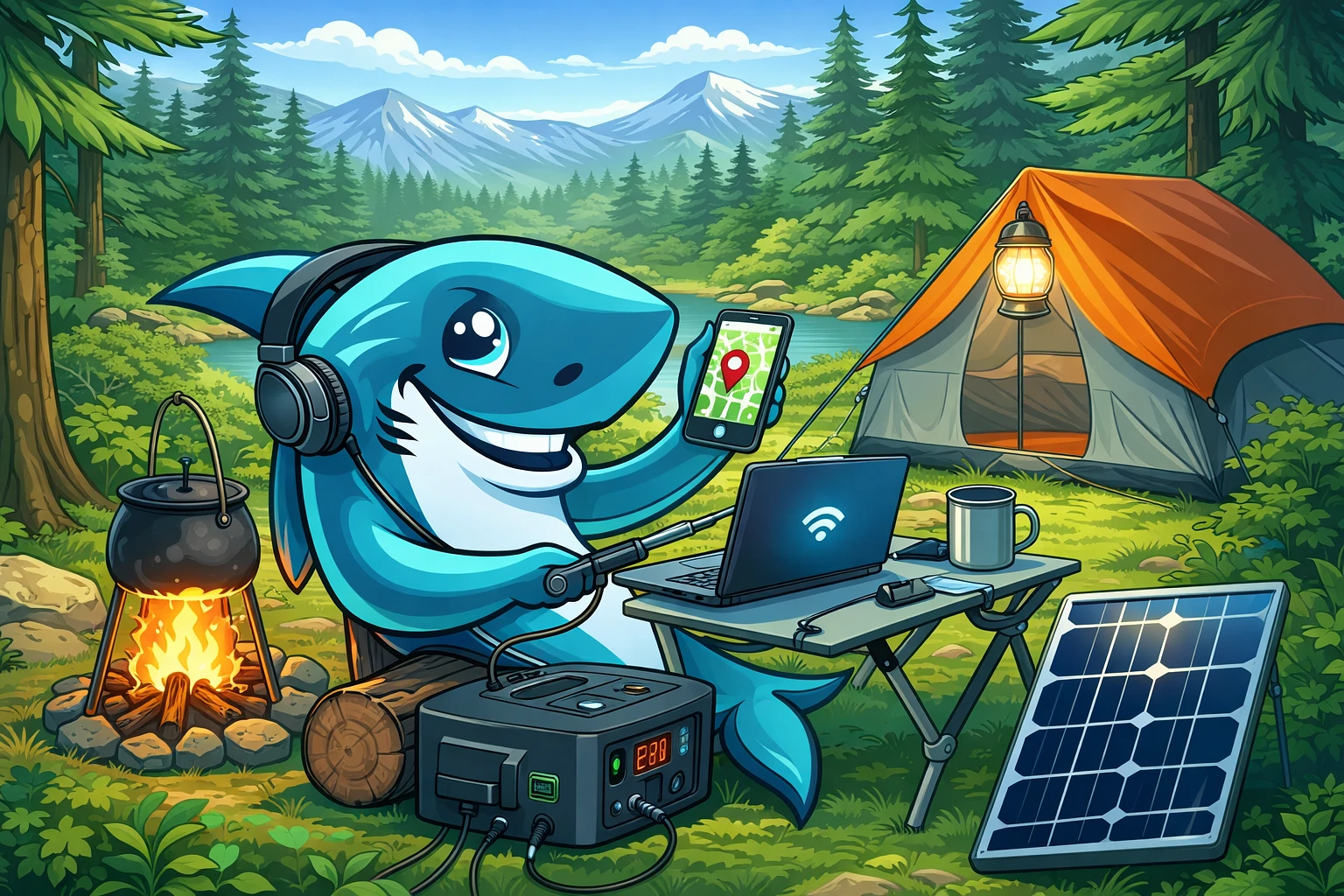









Remember roughing it? That’s optional now. Today’s outdoor gear stitches modern camping tech right into the fabric of the wild. It’s not about avoiding discomfort - it’s about ditching genuine suffering so you can actually enjoy the sunrise.
Heading out used to mean a digital detox by default. Not anymore. The shift is subtle: we’re not lugging entertainment with us, but tools. The right smart gear - ultralight power banks, weather-predicting apps, GPS beacons - handles the brutal logistics. That frees you up to just be there.
Forget the “miserable vs. memorable” cliché. The real difference is between being overwhelmed by your environment and engaging with it.
The true genius of a tool isn't flashy marketing. It's in the quiet subtraction of friction. We're not talking about reinventing the wheel. Think about a sleeping bag that loses bulk but not warmth, or a filter that doesn't make you wait. A headlamp becomes an afterthought on your forehead. The real win is in redundancy stripped away - the grams you don't carry, the seconds you don't waste. That's the prize: time. Time to actually stare at the stars, no fumbling required.
TL;DR
Short on time? Here's your essential camping gadgets 2026 shopping list:
- Fast-setup tent with climate control features
- Portable power station (512Wh minimum for weekend trips)
- Solar charger or high-capacity power bank for backup
- Multi-function camping stove (bonus if it charges devices)
- Water purification system beyond basic filters
- Smart lighting with multiple modes and USB charging
- GPS device or satellite communicator for remote areas
1. Smart Shelter & Sleep Systems
The Revolution of Rapid-Deploy Tents
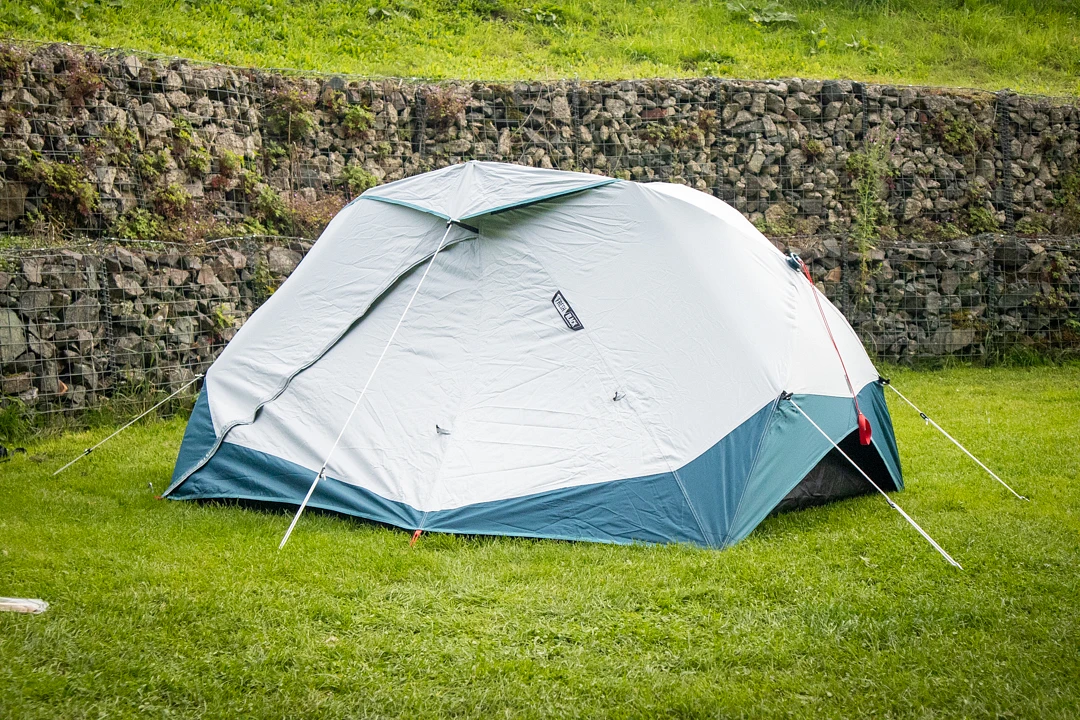
Nobody wants to spend an hour wrestling with poles while mosquitoes feast on them. Quick-setup tents changed the game completely.
Take the Decathlon 2 Man Blackout Tent as a prime example. This thing deploys in literally 2 seconds using a pull-string system - no joke. Here's what makes it special:
- Fresh & Black technology: Keeps interior dark and up to 17°F cooler than standard tents
- Pull-string setup: Unfold, pull, done
- Easy collapse: Reverse the process without the usual tent-folding meltdown
- Perfect for: Festival campers, casual weekend warriors, anyone who values sleep
The blackout feature isn't just marketing speak. You'll actually sleep past sunrise without feeling like you're in an oven.
Beyond the Air Mattress: High-Tech Sleep Pads
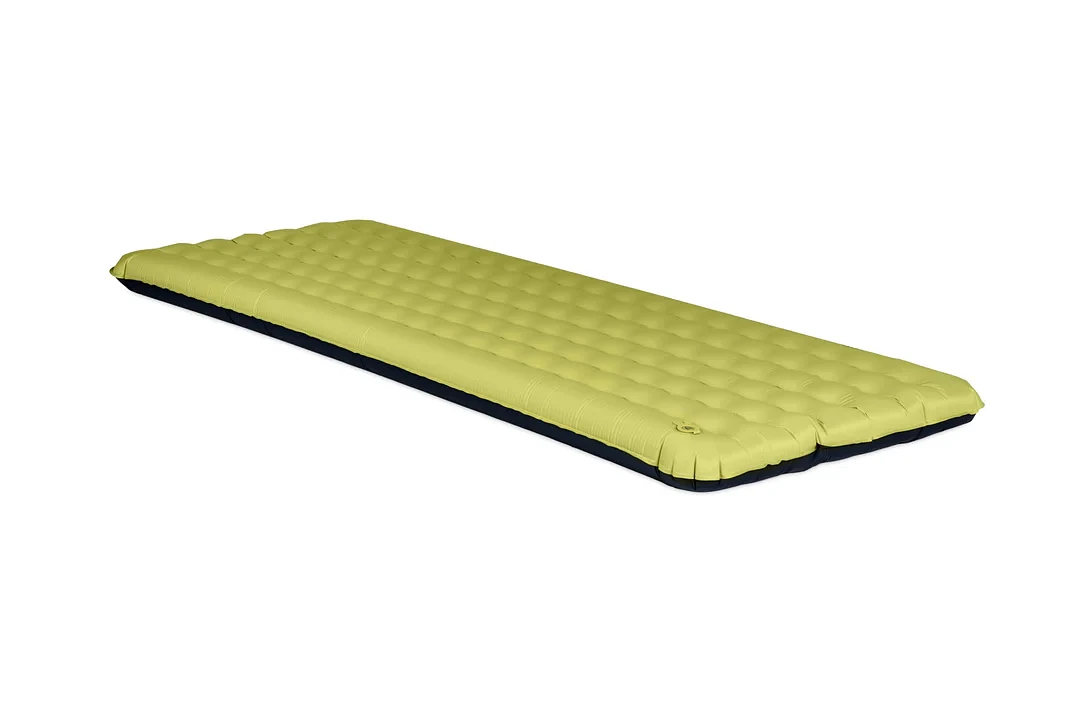
Air mattresses have their place, but modern sleep pads pack serious tech. The NEMO Eclipse All Season Camping Pad sports a 6.2 R-value rating for serious insulation. That means 4-season capability without the bulk.
Look for these features:
- Integrated pumps (your lungs will thank you)
- Adjustable firmness zones
- Temperature-regulating materials
- Compact pack size
2. Power & Connectivity
Portable Power Stations: The Heart of Your Campsite
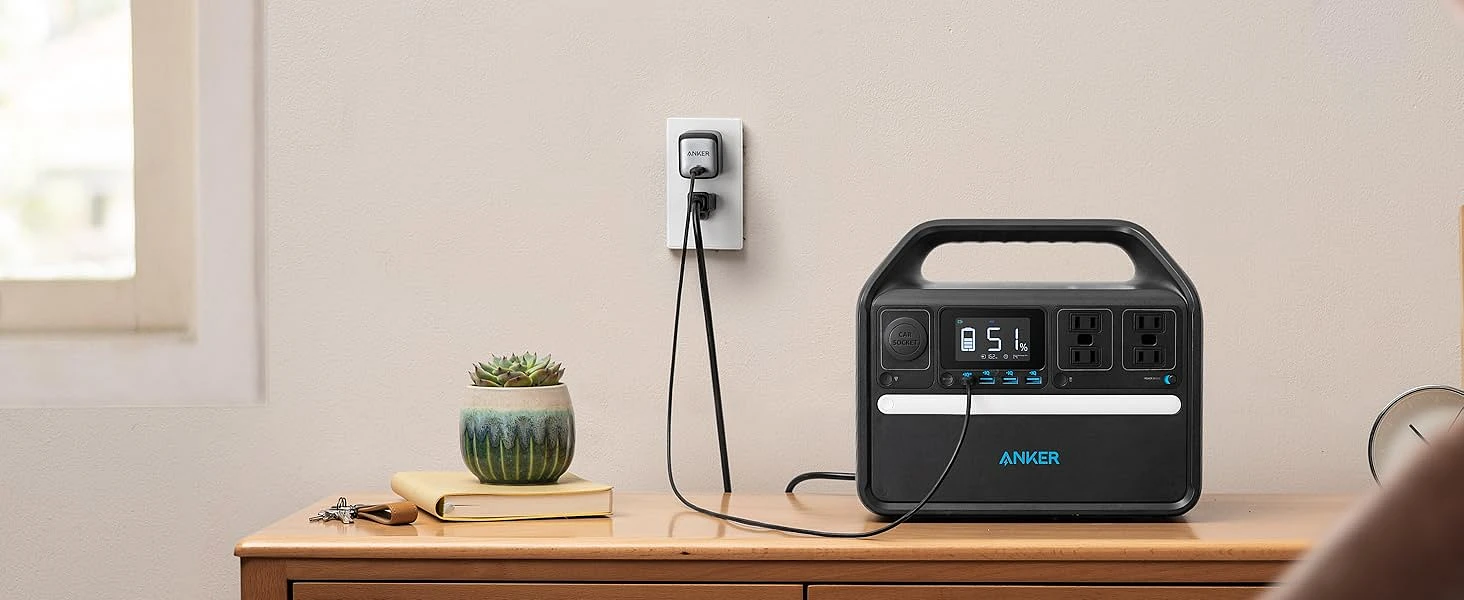
A portable power station isn't a luxury anymore - it's essential infrastructure. The Anker 535 Portable Power Station hits the sweet spot for most campers:
Specs that matter:
- 512Wh capacity
- Charges laptops 8+ times
- Multiple outputs: USB-A, USB-C, AC outlets
- Powers small appliances for days
You can run mattress pumps, charge phones, power lanterns, and even brew coffee with an electric kettle. All without hearing a generator's obnoxious rumble.
Solar Chargers and High-Capacity Power Banks
Solar charger camping setups extend your off-grid capabilities significantly. The PV Logic 24W solar panel folds flat and delivers decent charging even in partial shade.
For day hikes, skip the solar panel and grab a 20,000mAh+ power bank instead. Lighter, more reliable, and doesn't care about clouds.
Power management tips:
- Charge power station from vehicle while driving
- Deploy solar panels during peak sun (10am-2pm)
- Keep power bank as backup only
- Prioritize what actually needs charging
3. Cooking and Water Purification
Biofuel Stoves and Integrated Tech
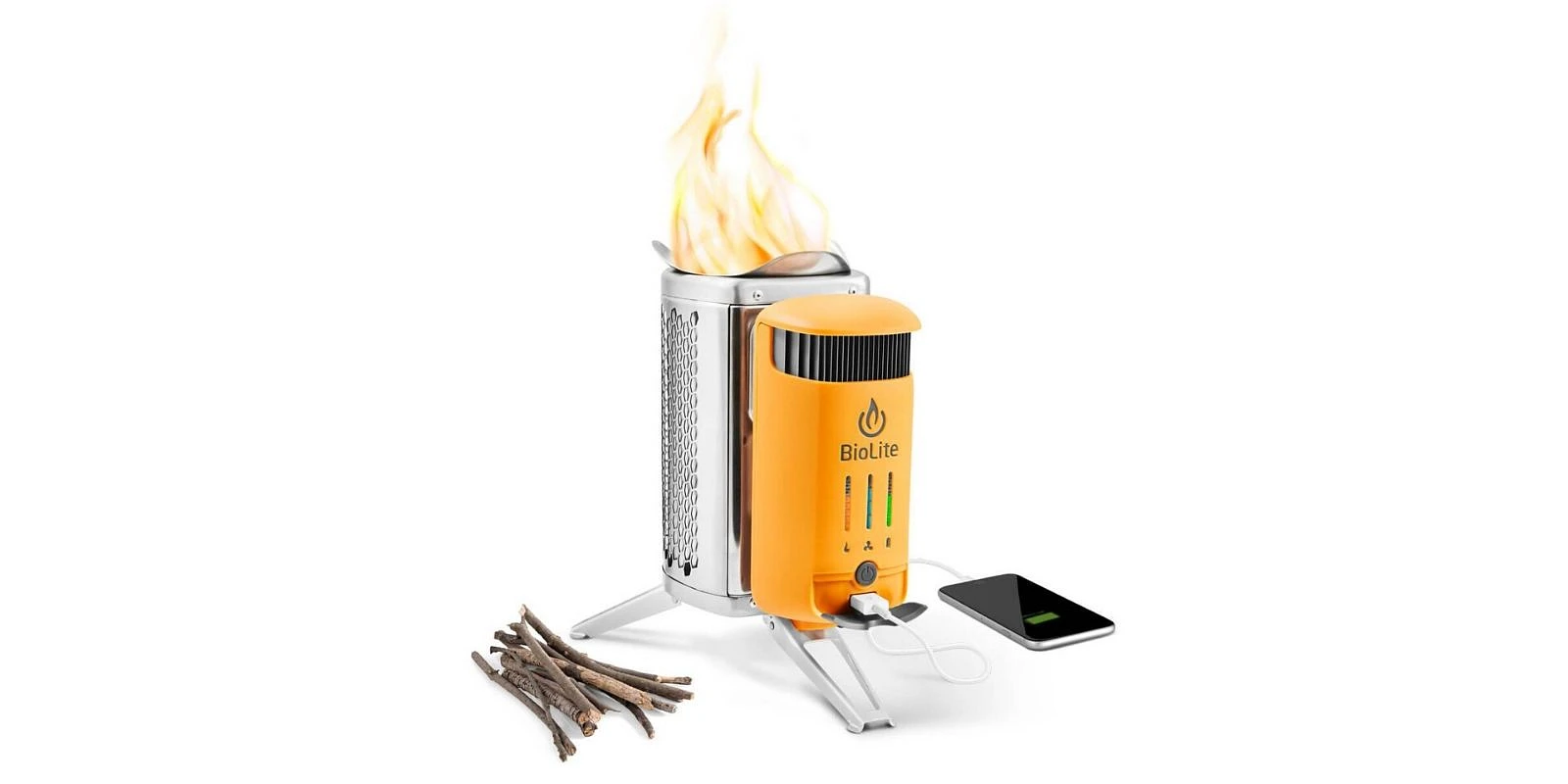
The BioLite CampStove 2+ deserves special attention as the best camping stove for tech-savvy campers. It burns wood and converts heat into electricity simultaneously.
Key features:
- Burns sticks, twigs, wood pellets (free fuel!)
- Built-in 3,200mAh battery charges devices via USB
- Includes integrated cook kit
- No fuel canisters to buy or carry
You're cooking dinner AND charging your phone. That's efficiency.
Advanced Water Purification on Demand
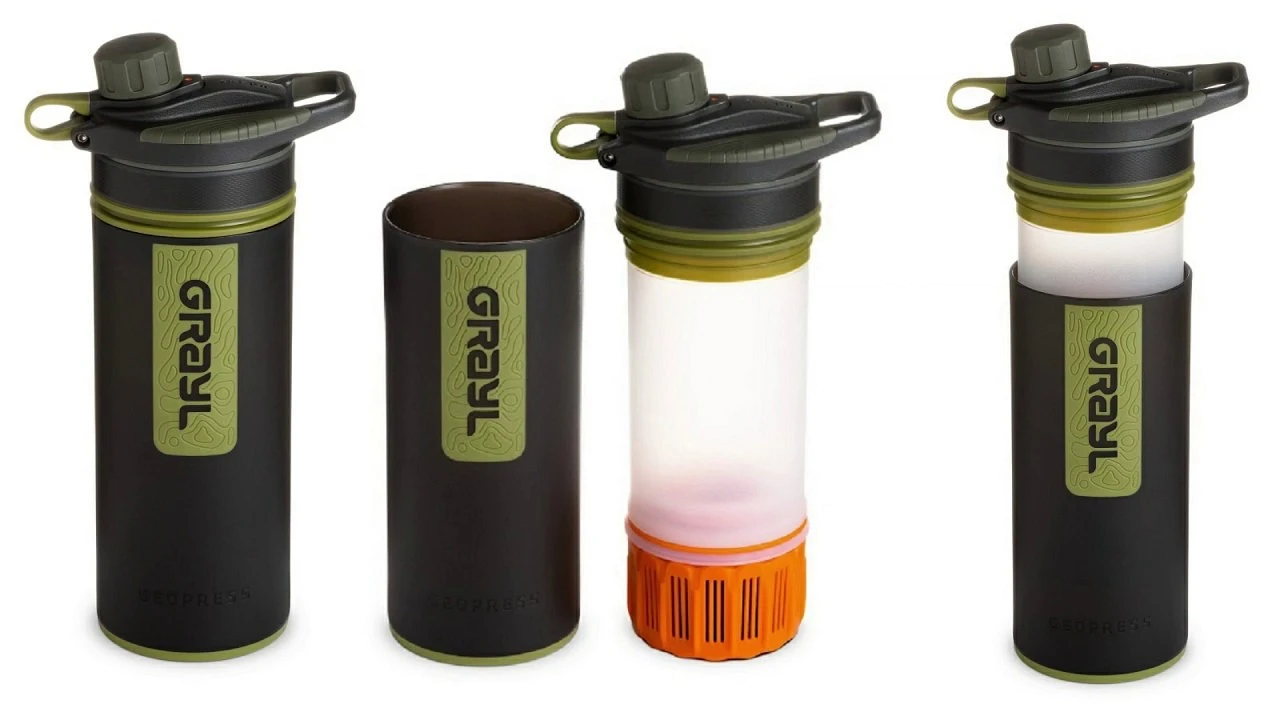
Skip sketchy water sources with modern purification tech. The Grayl GeoPress removes viruses, bacteria, chemicals, and heavy metals in 8 seconds. Just press and drink.
Traditional pump filters can't match that convenience or protection level.
4. Lighting, Navigation & Safety Tech
Smart Lanterns and Task Lighting
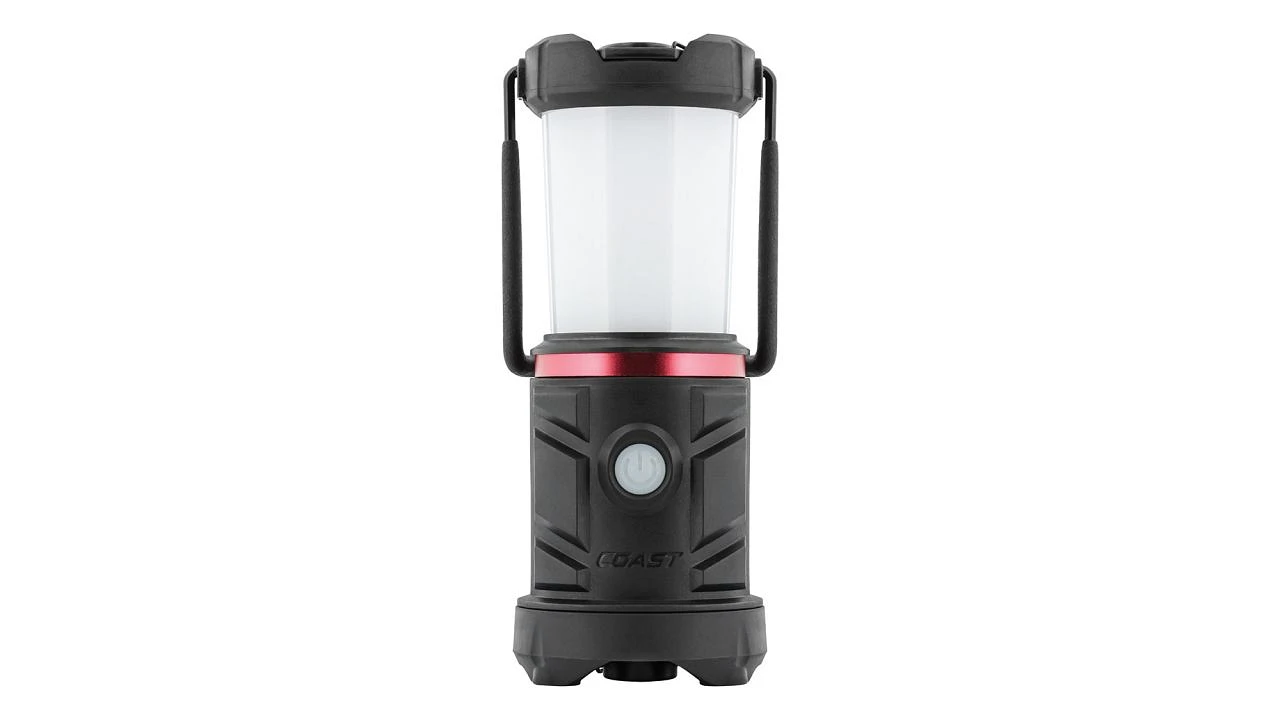
Modern camping lanterns do way more than glow. The Vango Superstar 500 offers:
- 550 lumens adjustable brightness
- Red-light mode (preserves night vision)
- Doubles as power bank
- Runtime up to 300 hours on low
The COAST EAL35R Lantern takes it further with voice control. Just say "light on" or "dimmer" and it responds. Feels like camping in the future.
GPS Units, Personal Locator Beacons (PLBs), and Apps
Phone apps work great - until you're in a canyon with zero service. For serious backcountry tech for hiking, invest in:
- Dedicated GPS units with preloaded maps
- Satellite communicators (Garmin InReach, SPOT)
- Personal Locator Beacons for emergency SOS
Your life might literally depend on these in remote areas.
5. Organization & Comfort
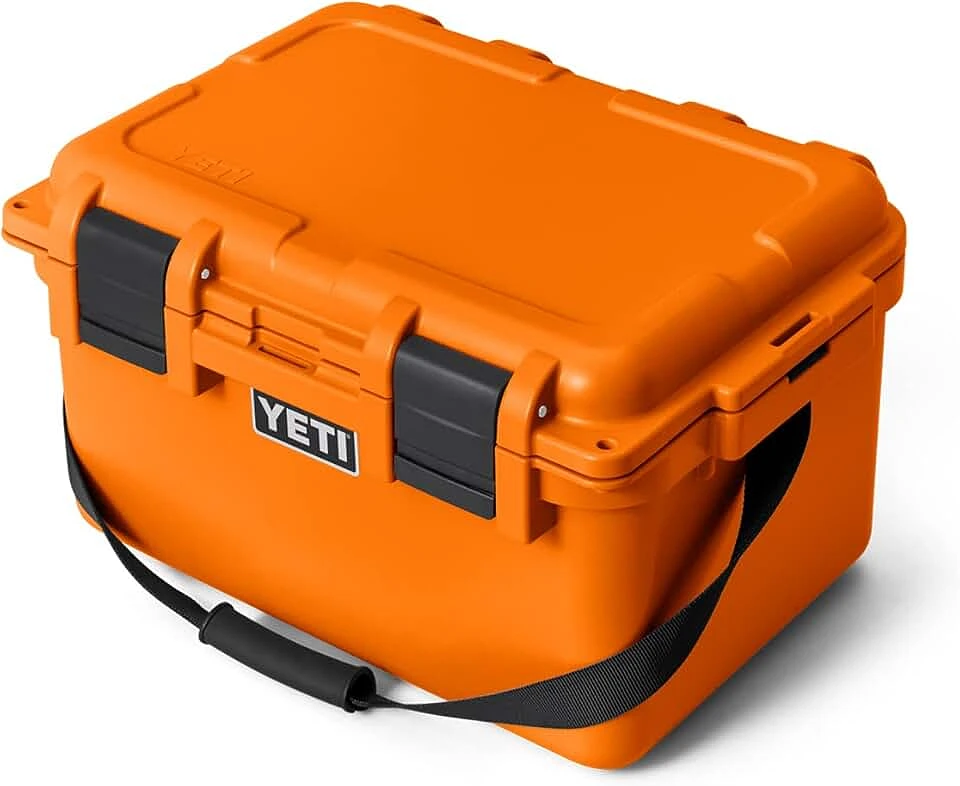
Sometimes the best outdoor gadgets are the simple ones. The Yeti Loadout GoBox organizes smaller tech perfectly - batteries, cables, headlamps, repair tools. Everything has a place.
Other winners:
- Seatback organizers for car camping
- Portable camp showers (solar-heated bags)
- Compression stuff sacks with one-way valves
Choosing Your Tech
Car Camper / Festival-Goer:
Prioritize comfort and power. You've got the cargo space.
→ Decathlon quick tent + Anker power station + comfortable air mattress
Backpacker / Hiker:
Weight is everything. Multi-function rules.
→ Lightweight camping tent + BioLite stove + purifier bottle + compact power bank
Family Camper:
Durability and ease-of-use win.
→ Robust power station + quick-setup tent + kid-friendly smart lighting
Camping Tech Comparison Table
|
Equipment Type |
Best Budget Option |
Best Premium Option |
Weight |
Key Feature |
|
Power Station |
Jackery 240 |
Anker 535 |
3.5-14 lbs |
Multiple day capacity |
|
Tent |
Coleman Instant |
Decathlon Blackout |
8-15 lbs |
2-second setup |
|
Stove |
UCO Stormproof |
BioLite CampStove 2+ |
0.5-2 lbs |
Phone charging |
|
Water Filter |
Sawyer Mini |
Grayl GeoPress |
2-16 oz |
Virus removal |
|
Lantern |
LED Generic |
Vango Superstar 500 |
6-12 oz |
Power bank function |
Final Words
Forget hauling your whole living room outdoors. Modern gear is smarter and lighter, designed for the experience, not just survival. Imagine a stove that juicing your phone, or rugged canvas that springs up in seconds.
Focus on essentials first: shelter, sleep system, cooking. Then, customize. Add a voice-controlled lantern for hands-free light, an airtight canister for real espresso, a decent chair. The goal isn't a fortress; it's less hassle.
This pared-down approach defines modern backpacking. It cuts chores, freeing you to actually be there.
FAQ
What is the single most important piece of tech for a beginner camper?
A reliable portable power station. It powers everything else and provides safety through communication capability. You can rough it on sleeping arrangements, but staying charged matters for navigation and emergencies.
How can I protect my electronic gadgets from rain and rough conditions?
Use waterproof dry bags rated IPX7 or higher. Store devices in sealed containers inside your tent. Keep power stations under rain covers. Silica gel packets absorb moisture in sealed storage. For phones, get a proper waterproof case - not just water-resistant.
Are solar chargers reliable, or should I stick with a power station?
Solar chargers are reliable—when the sun cooperates. Overcast days or dense tree cover? Output plummets. For consistent power, a power station is your bedrock. It delivers electricity on demand, no weather anxiety. But it does eventually run flat.
Here’s the smart play. Use a power station as your main power source. Pair it with a solar panel to slowly top it up during daylight, stretching your off-grid time significantly. Finally, keep a compact power bank on you for essential, emergency phone charges.
What's the best way to keep devices powered on a multi-day backpacking trip?
Minimize what you bring. One phone, one headlamp, maybe a GPS. Use airplane mode aggressively. A 20,000mAh power bank gets most people through 3-4 days. For longer trips, add a small foldable solar panel.
Is "smart" camping gear worth the extra cost compared to traditional gear?
Whether so-called smart camping gear is worth more money really comes down to how you camp. For car camping? It's worth it. Extra weight isn't a problem, and your comfort gets a real boost. For ultralight backpacking, you'll want proven basics and simplicity. A multifunctional piece, like BioLite's stove that charges devices, can replace several items. That's potentially useful. Just know in harsh conditions, complexity might fail. The real answer here is nuanced.