









🎯Too Long; Didn’t Read
-
Beach Towns: Carmel-by-the-Sea practically rolls out the welcome mat, letting pups into shops and restaurants. The Outer Banks specializes in rental houses that welcome pets. Key West takes it further with dedicated dog bars and a generally chill, party-ready vibe.
-
Mountain Towns: Towns like Asheville, Park City, and Breckenridge get it. They come with a network of hiking trails. Many local breweries are cool with dogs, and you can find places to stay that understand an outdoor enthusiast travels with their pet.
-
Cities: Portland, Seattle, and San Diego stand out. They feature numerous off-leash parks, public spaces where pets are a normal part of the scene, and even public transport that accommodates them.
A truly "pet-friendly" destination is defined by more than just marketing.
Key factors include:
-
Access: You can bring your dog to most places—cafés, shops—without a hassle or a huge fee. It won't break the bank.
-
Infrastructure: The place has specific zones for dogs to run free, public water spigots, and plentiful poop-bag stations.
-
Culture: People don't just put up with pets; they're an expected part of daily life. You get no side-eye. A water bowl by the door is standard.
Crucial planning advice: Hit the road when you can. Stash some cash for pet fees. Keep vaccination records close. Most importantly, watch your pet’s cues to guarantee they’re into the journey. The aim? A vacation that chills both of you.
Leaving your dog or cat at a kennel stings. You worry. They stress. Meanwhile, you're supposed to relax on vacation while your companion sits in a cage somewhere. More pet owners now refuse this arrangement.
The travel industry noticed. Hotels changed policies. Cities marketed themselves to animal owners. Entire vacation categories emerged around bringing pets along.
This shift makes sense. Pets are family members. Why exclude them from trips?
Beach Destinations That Welcome Four-Legged Visitors
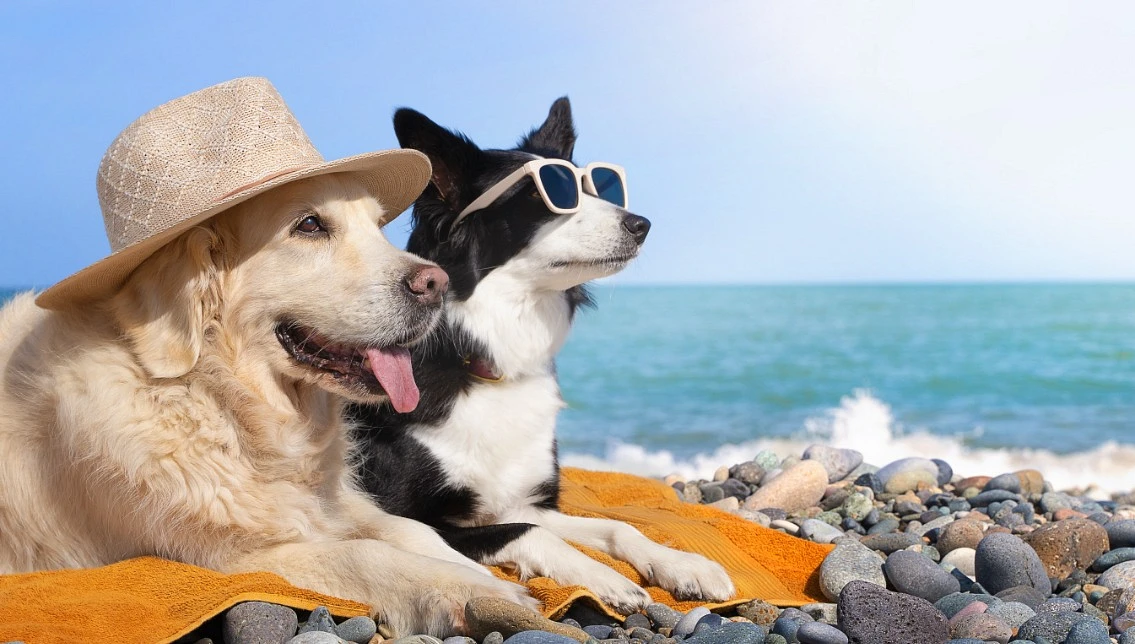
Carmel-by-the-Sea, California
This town takes pet accommodation seriously. Dogs walk into restaurants, shops, and tasting rooms without issue. Carmel Beach allows off-leash running. Your dog can sprint along the sand, chase waves, and interact with other animals.
Most hotels here accept pets without charging fees. Some provide water bowls, treats, and dog beds automatically. The entire community operates on the assumption that visitors bring animals.
Walking through downtown with a pet feels normal, not like you're breaking rules or causing disruptions. Business owners expect it.
Outer Banks, North Carolina
These barrier islands offer beaches where dogs run free during off-season months. Summer brings restrictions, but shoulder seasons provide freedom. Miles of shoreline mean space for everyone.
Rental houses here often welcome pets. Not just dogs—cats too. Many properties have fenced yards. Some even include dog showers for rinsing off sand and salt.
The relaxed atmosphere extends beyond beaches. Trails wind through maritime forests. Your pet can explore different terrain on the same trip.
Key West, Florida
This island doesn't just tolerate pets—it celebrates them. Dog bars exist. Actual bars where your pet can join you. They serve water and treats while you drink.
Many guesthouses and hotels accept animals. Some have weight limits; others don't care. The climate means year-round outdoor dining, which works perfectly when traveling with pets.
Sunset celebrations at Mallory Square welcome leashed dogs. Street performers, crowds, music—your pet experiences the scene with you.
Mountain Towns Built for Adventure
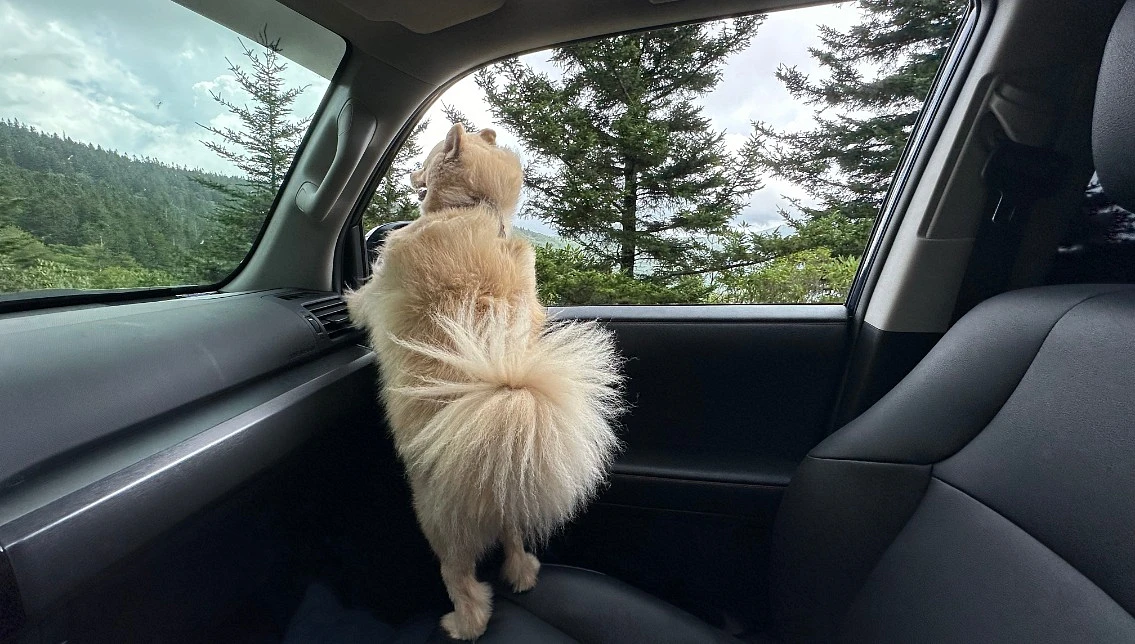
Asheville, North Carolina
Mountains surround this city. Trails range from easy walks to challenging hikes. Most welcome leashed pets. Pisgah National Forest and the Blue Ridge Parkway offer countless options.
Downtown Asheville features pet-friendly breweries. Multiple ones. Your dog can sit beside you while you sample local beers. Water bowls appear outside most establishments.
You've got everything from cheap motels to posh hotels. Lots of them welcome pets. Some spots charge a fee; others skip it. The town knows hikers often bring their dogs.
Park City, Utah
Ski towns and pets might seem incompatible, but Park City functions differently. Summer transforms this place into a hiking paradise. Trails lead into the Wasatch Mountains. Dogs can join you on most of them.
Winter presents challenges, but the town itself remains accessible. Historic Main Street allows pets. Restaurants with patios stay open when weather permits.
Several hotels cater specifically to pet owners. They advertise it prominently. Some offer pet-sitting services if you want to ski while your animal rests.
Breckenridge, Colorado
Another mountain town that gets it. Dogs accompany their owners everywhere here. The local government maintains trails specifically marked for pets.
Carter Park includes an off-leash area. Your dog can socialize while you enjoy mountain views. The recreation path system connects the entire town without requiring car travel.
Shops along Main Street keep dog treats at the counter. This isn't a gimmick—it's standard practice. The culture assumes you brought your pet.
Cities Where Pets Actually Fit In

Portland, Oregon
This city might be the most pet-accommodating in the country. Off-leash parks dot every neighborhood. Over thirty of them. Your dog doesn't spend the entire vacation on a leash.
Breweries, coffee shops, and restaurants with outdoor seating welcome pets. Food carts—Portland's specialty—cluster in areas where animals can hang out while you eat.
Hotels range from chains to boutiques, and most accept pets. Public transportation allows animals. Your dog can ride the MAX light rail with you.
Seattle, Washington
Similar to Portland but with its own character. Ferry rides to islands allow pets. That opens up entirely new vacation possibilities. Bainbridge Island and the San Juans become accessible day trips.
Pike Place Market permits leashed dogs. Walking through this famous spot with your pet works fine. Waterfront areas have designated off-leash times.
The city maintains an extensive park system. Discovery Park alone covers over 500 acres. Your pet gets substantial exercise without leaving city limits.
San Diego, California
Weather makes this city work for pet travel. Year-round mild temperatures mean outdoor activities never stop. Dog beaches exist in multiple locations. Ocean Beach has one of the most famous.
Balboa Park—massive by any standard—welcomes leashed pets on most paths. You can spend days exploring this single park with your animal.
The Gaslamp Quarter allows pets in many restaurants and bars. Not just tolerance—genuine welcome. Staff bring water without being asked.
Unexpected Destinations That Surprise Pet Owners
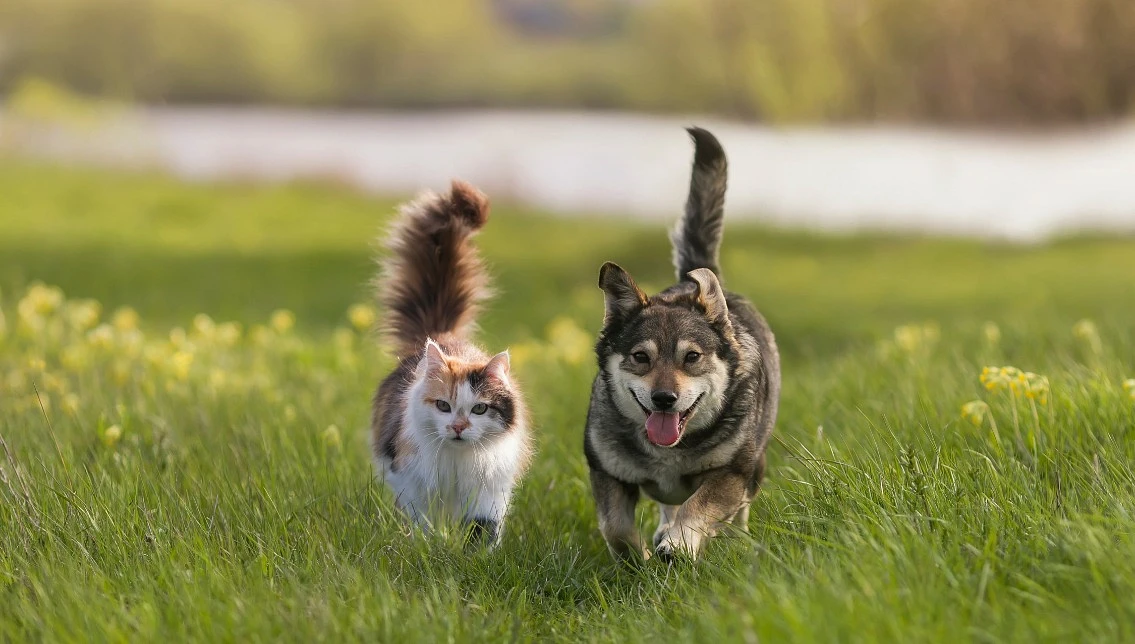
Door County, Wisconsin
This peninsula might not make typical vacation lists, but pet owners should reconsider. State parks here accept pets on trails. Beaches allow dogs during certain hours.
Small towns throughout Door County cater to tourists and their animals. Accommodations include cabins, cottages, and bed-and-breakfasts that welcome pets.
Wineries and breweries often have outdoor spaces where animals can relax. The entire county operates at a slower pace, which suits traveling with pets.
Austin, Texas
Heat might concern some pet owners, but locals manage it. Early morning and evening activities work best. The city offers numerous off-leash parks and swimming holes where dogs cool off.
Restaurants with patios cover entire blocks downtown. Your pet can join you for meals throughout the day. Many establishments keep water bowls filled.
Lady Bird Lake has trails where pets walk with their owners constantly. You'll rarely be the only one out with an animal.
Savannah, Georgia
Historic cities sometimes feel restrictive, but Savannah embraces pets. Squares throughout downtown provide shaded rest spots. Live oaks create canopy cover that helps during hot months.
River Street allows leashed pets. Shops and restaurants accommodate animals in outdoor seating areas. The entire historic district becomes accessible.
Forsyth Park serves as a gathering spot for dogs and their owners. The atmosphere stays relaxed despite being in a city center.
What Makes a Destination Actually Pet-Friendly

Access Matters More Than Marketing
A hotel calling itself pet-friendly means nothing if restrictions make bringing animals miserable. Weight limits, breed restrictions, and excessive fees signal that pets aren't truly welcome.
Look for places that don't charge pet fees or keep them reasonable. Cities where leash laws allow freedom in designated areas work better than those with constant restrictions.
Restaurant patios should welcome pets as standard practice, not as exceptions. When you need to ask permission everywhere, the destination isn't actually accommodating.
Infrastructure Shows Real Commitment
Pet relief areas, waste bag dispensers, and water fountains designed for animals indicate genuine accommodation. These investments cost money. Places that make them care about pet visitors.
Off-leash parks and beaches demonstrate understanding. Pets need to run sometimes. Destinations that provide this space recognize how animals function.
Trail systems that allow pets expand vacation possibilities. You can hike, explore, and exercise with your companion. Restricting pets to sidewalks limits what you can do together.
Culture Trumps Rules
Some places technically allow pets but make you feel unwelcome. Staff sighs. Other customers glare. You spend vacation apologizing for bringing your animal.
Better destinations normalize pet presence. Nobody reacts when you walk into a shop with a dog. Other patrons have their own. Staff interacts with your pet casually.
This cultural acceptance matters more than official policies. A town can have permissive laws but hostile attitudes. You'll feel the difference immediately.
Planning Considerations That Actually Matter
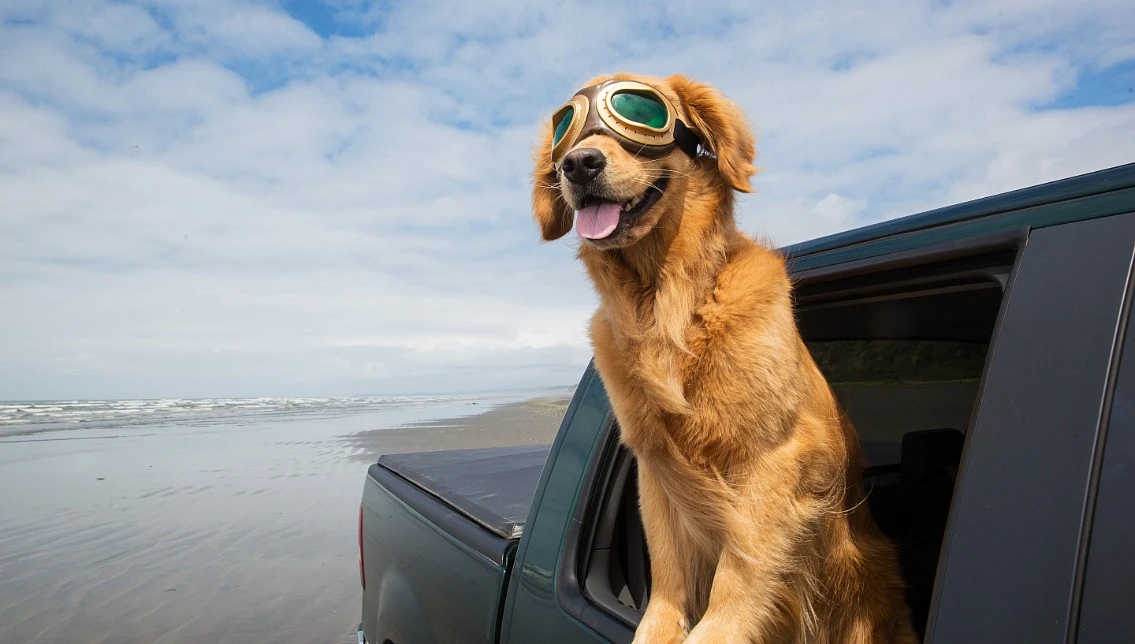
Transportation Logistics
Flying with pets creates stress. Driving works better for most people. This reality limits destination options based on your location. Plan trips within reasonable driving distance unless you're committed to air travel challenges.
Road trips need break stops. Research rest areas and parks along routes. Your pet needs bathroom breaks and exercise opportunities during long drives.
Some destinations require ferry rides or specific transportation. Confirm that these options allow pets before booking. Getting turned away after driving hours ruins trips.
Accommodation Deposits and Fees
Even pet-friendly places charge fees or deposits. These range from $25 to $250 or more. Budget for this. Some refund deposits if no damage occurs; others keep fees regardless.
Read cancellation policies carefully. Some hotels apply different rules to pet reservations. You might face penalties that standard bookings don't trigger.
Call ahead even after booking online. Confirmation prevents arrival surprises. Some properties limit how many rooms accept pets or restrict animals to certain areas.
Health and Safety Requirements
-
Vaccination records matter for boarding facilities and some accommodations. Bring documentation. Current rabies certificates especially.
-
Research local veterinarians at destinations. If emergencies happen, you'll need this information immediately. Scrambling to find care while your pet suffers helps nobody.
-
Tick and flea prevention becomes crucial in some regions. Different areas have different parasites. Your regular prevention might not cover everything at vacation destinations.
Making Vacations Work for Your Pet
Reading Your Animal's Signals
Not every pet enjoys travel. Some dogs love car rides and new places. Others stress out. Cats rarely appreciate disruption.
Start with short trips. See how your pet handles them. A weekend getaway reveals whether longer vacations make sense.
Watch for stress signals. Excessive panting, hiding, refusing food, and behavior changes indicate problems. Forcing miserable pets to vacation defeats the purpose.
Maintaining Routines Where Possible
-
Feed your pet at normal times. Stick to regular walk schedules. Keep bedtime consistent. These familiar patterns provide stability during disruption.
-
Bring their regular food. Sudden diet changes cause digestive issues. Pack enough for the entire trip plus extra for delays.
Favorite toys and blankets carry familiar scents. These items comfort anxious pets. Don't pack everything, but include key comfort objects.
Knowing Your Limits
Some activities exclude pets. Accept this. You can't bring your dog skiing or into museums. Plan accordingly.
Pet-sitting services exist in most tourist areas. Research options before arrival. Having backup plans prevents scrambling when something comes up.
Solo travelers with pets face different challenges than couples or groups. Someone should always stay with the animal. Consider whether destinations offer enough pet-inclusive activities to justify the trip.
❓FAQ❓
Are there any pet travel insurance options?
Good news—it exists. These policies can handle vet emergencies abroad. They also step in if your trip gets canceled or, nightmare scenario, your pet goes missing.
What types of pets aside from dogs and cats are commonly accepted?
Some places welcome smaller companions like rabbits or certain birds. It's a real head-scratcher, though. Always read the fine print.
How can I find pet-friendly transportation aside from cars and planes?
Beyond cars and planes, check if local ferries, trains, or city buses allow animals. Don't just assume—dig into each provider's specific rules before you go.