








🎯Too Long; Didn’t Read
-
Travel sickness = inner ear and eyes disagree.
-
Triggers: curves, stop-and-go, hard braking/acceleration.
-
Worse with heat, dehydration, smells, stress, cramped posture.
-
Before: light meal; skip greasy/spicy/sugary + alcohol/energy drinks/soda.
-
Best seat: front or center; avoid far back/over rear axle.
-
Cabin: fresh air, moderate temp, no strong scents.
-
During: no screens; look far ahead/horizon; keep head/back supported.
-
If escalating: stop safely, step out, sip water, eat something plain.
-
Meds may help but can sedate; don’t drive; check safety if pregnant/on meds.
-
Ginger/mint/candy/gum sometimes help; wristbands are hit-or-miss.
-
Build tolerance gradually; sleep matters.
-
Get checked if it’s new in adulthood or comes with unusual symptoms.
Why Motion Sickness Happens: Quick Causes and Triggers
How your brain “argues” with your inner ear
Motion sickness happens when your body receives conflicting signals. Your inner ear senses acceleration, turns, and braking - actual movement. Meanwhile, your eyes are fixed on something static inside the cabin, like a phone screen or a book page. The brain tries to process these two mismatched reports. It cannot reconcile them into a single, coherent picture of motion.
Confusion follows. Then your body sounds the alarm: nausea, cold sweats, dizziness, a general wash of weakness. Sleepiness and loss of appetite frequently join the party. Factors like hard acceleration, a winding route, or constant stop-and-go traffic amplify the strain on your balance system.
What makes it worse: heat, smells, cramped space, stress
Symptoms flare when your body's already off-kilter. Get into a stuffy car - smells accumulate. Fuel vapors, air freshener, old food, hot plastics. Your sensory system gets wired, nausea arriving quicker. Heat and dehydration lower tolerance: you feel drained, your heart rate spikes, headaches intensify. Confined seating locks you in, making it hard to find a stable posture. Neck and shoulder tension builds.
Stress amplifies everything. Anxiety heightens sensitivity; just dreading an episode can make you feel worse before the journey begins.
Who gets it more often: kids, pregnant people, sensitive riders
Kids deal with it more because their balance system is still developing, and their reactions run stronger. During pregnancy, motion sickness can hit harder because of hormones and higher smell sensitivity, plus nausea may already be in the mix. Some people also have a built-in tendency: their vestibular system reacts more sharply, and adaptation takes longer.
Risk goes up with migraines and after poor sleep. Experience matters too - if you rarely travel, your body adapts slower. Frequent trips sometimes make it easier, but it’s not guaranteed.
Before the Trip: How to Lower the Risk
Food and drinks: what’s fine, what to skip
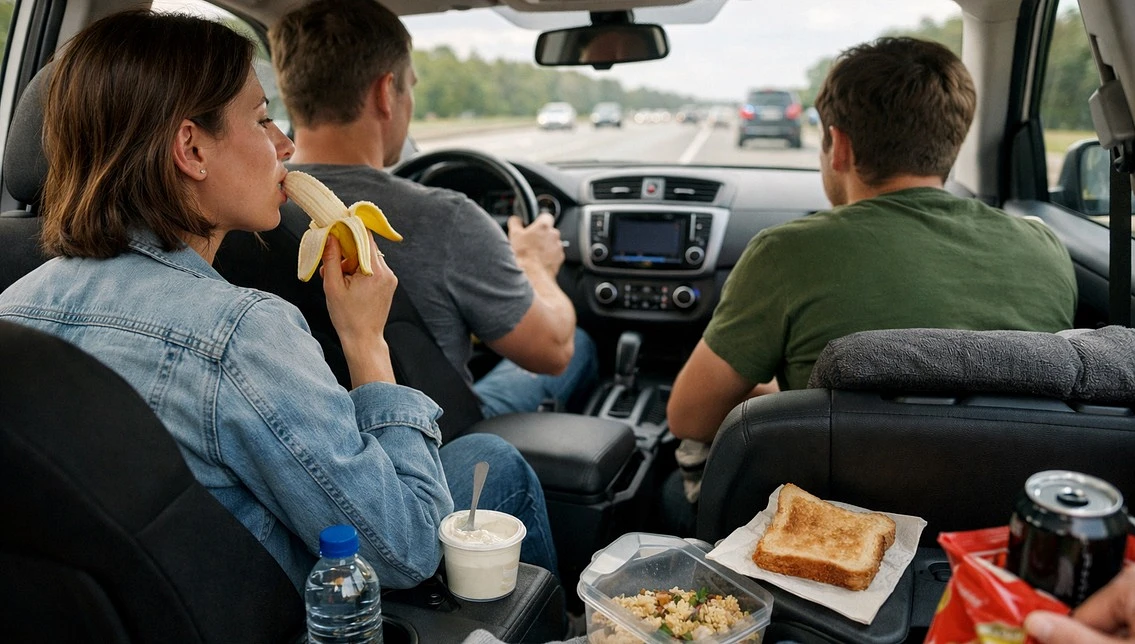
Time your last meal for about ninety minutes before departure, maybe two hours. That window tends to work. Steer clear of gut-bombs: heavy, greasy meals, fiery spices, or sugary things. They bog down digestion and boost the chances of feeling queasy. Opt for simpler fare instead. Think plain rice, oatmeal, a banana, unsweetened yogurt, or dry toast. Don’t skip eating entirely - an empty stomach often amplifies nausea.
Beverage choice matters too. Soda, energy drinks, and alcohol are travel enemies; they irritate your system and disrupt its balance. Hydrate with water, but take it in small, frequent sips. That method proves far easier on the body than downing a large volume all at once.
Where to sit: spots with less motion
You’re usually least likely to get sick where motion feels smaller and it’s easier to keep your eyes on the road. That’s often the front passenger seat and seats closer to the middle of the car, not way in the back. In the rear - especially near the window over the back axle - bumps feel stronger and episodes happen more often.
Body position helps too: back supported, head not wobbling, seat belt flat (not twisted). If you can, set the headrest and seat angle ahead of time so your neck isn’t working the whole ride. The steadier your posture, the easier it is for your brain to process motion signals.
Air, temperature, smells: set up the cabin
Prep the cabin before you roll: air it out, set a moderate temperature, cut sharp smells. Strong air fresheners, perfume, cleaning products, and smelly food can wreck you fast. AC helps, but don’t aim the airflow straight at your face - dryness and chilled air can add irritation.
No AC? A cracked window helps, plus fresh air during stops. Visual “cleanliness” matters too: fewer flickering screens, fewer close-up objects pulling your gaze. A calmer setup lowers the odds of an episode.
During Motion Sickness: Fast Moves
Where to look and how to sit: “horizon + stability”
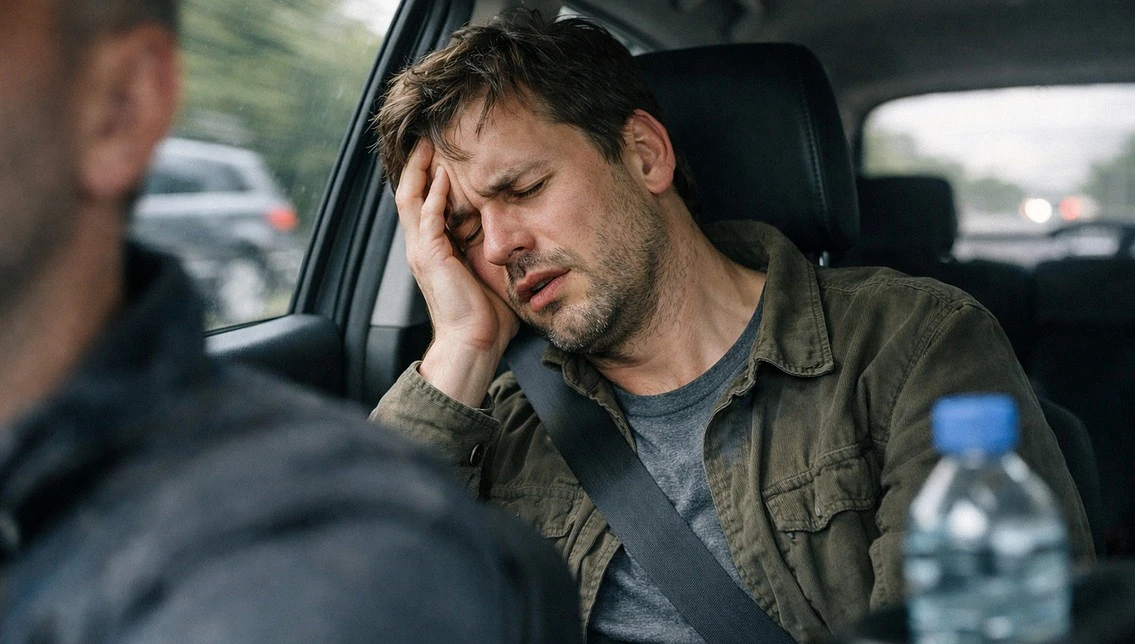
At the first signs, move your gaze from the cabin to something outside. Use the horizon line, a far point on the road, or stable objects in the distance. Reading, texting, and watching video usually make nausea worse because your eyes get “still,” while your body feels movement.
Sit with support: back against the seat, shoulders loose, chin slightly down so your neck doesn’t strain. Keep your head supported by the headrest if you can. Also try to cut down on side conversations and quick head turns.
Breathing and attention: 1–2 minute reset
When nausea begins, steady breathing often dulls the discomfort. Breathe in through the nose - three to four counts - then pause briefly. Exhale slowly, five to six counts. Avoid forcing it; straining for depth or pushing the belly out can trigger lightheadedness by disrupting oxygen balance.
Simultaneously, narrow your focus. Count each exhale. Notice the pressure of your feet against the floor or the seat supporting your back. This direct sensory anchor reduces the spiral of panic, the sense of impending sickness.
If symptoms escalate, combine the breathing with cooler air. Pause as soon as safety allows. The pairing - focused breath and a break - addresses both the physical and mental feedback loops that intensify nausea.
Stops, water, snacks: step-by-step when it’s ramping up
If symptoms climb, the most reliable move is stopping somewhere safe. Get out, take a few calm breaths, and let your eyes settle on a motionless environment. Drink water in small sips. A simple snack can help: plain crackers, dry cookies, a piece of bread, an apple. Heavy portions and greasy food can make nausea worse.
If you can, splash cool water on your face or put a cool wipe on your forehead. Get back in only after you feel steadier. Then keep driving smooth: fewer sharp moves, steady speed, and keep the air fresh.
Remedies and Gadgets: What Actually Helps
Pills and patches: when they make sense, and limits
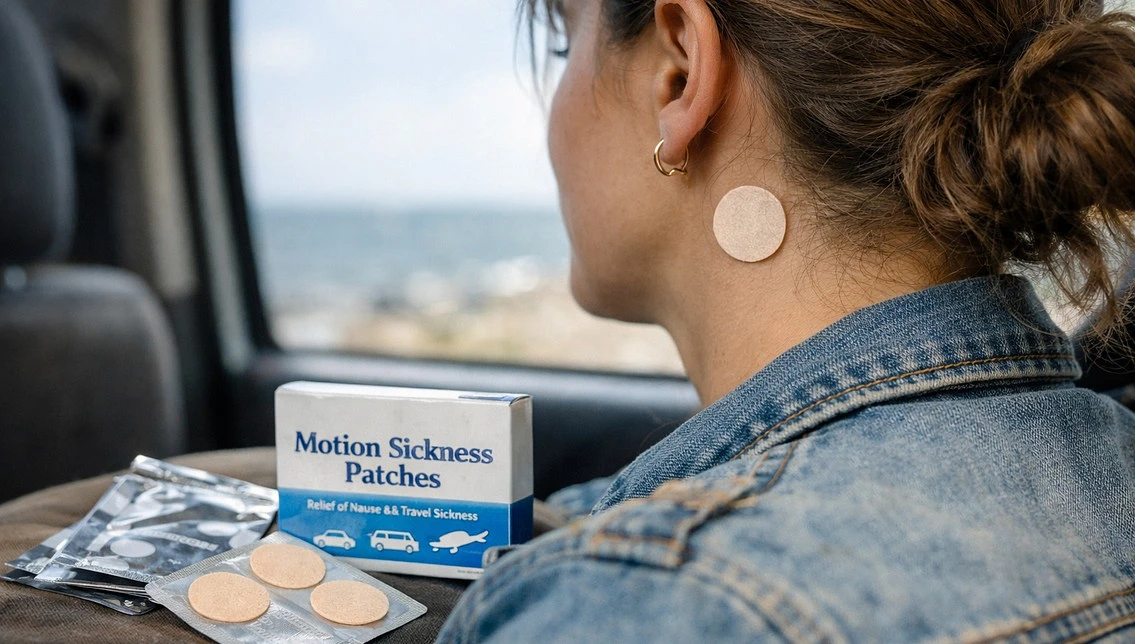
Medication becomes a trade-off when you know the trip’s going to be rough and you can’t just stop. Plenty reach for those classic anti-nausea pills, older antihistamines. They can settle your stomach, sure, but the catch? They often knock you out, slow your reflexes, leave your mouth bone-dry. So popping one means no driving - and they’re a real hazard for any work demanding sharp focus.
Then there’s the scopolamine patch, an option in some places. It comes with its own baggage: side effects, restrictions, who shouldn’t use it.
Bottom line - if you’re pregnant, managing another condition, or on different prescriptions, skipping the guesswork and hashing it out with a clinician is the safer bet.
Ginger, mint, candies, wristbands: how to use them
For non-med options, people often go with ginger, mint, and hard candy. Ginger can be tea, chews, or capsules; mint can be tea or lozenges. The goal is simple: soften nausea and keep saliva going so your mouth doesn’t feel dry. Candy and gum sometimes help because chewing gives a steady rhythm and a bit of distraction.
Wristbands that press the P6 point are popular, but research results are mixed - some people swear by them, others feel nothing. Don’t expect symptoms to shut off instantly, and don’t use them as a substitute for stopping and getting fresh air when you’re really not okay.
VR/AR, “motion sickness glasses,” apps: worth it?
Tech options usually fall into prevention vs. in-the-moment relief. “Motion sickness glasses” that create an artificial horizon try to give your eyes a stable reference and reduce signal conflict. For some people, that helps, though comfort depends on fit and tolerance. VR is often linked to motion sickness because it can create mismatch between what you see and what your body feels, so using VR during travel is usually a no.
Some apps guide breathing or show visual anchors. They can help keep your breathing steady and your attention controlled, but they don’t replace the basics: seat choice, airflow, looking forward, stopping when needed.
Prevention Over Time: Training and Habits
Adapting your balance system: simple practice
Prevention is about gradual adaptation. At home, basic balance drills can help: standing on one leg while holding a support, slow head turns side-to-side and up-and-down, and “eyes fixed, head moving” exercises. Start short and stop if dizziness gets strong. In the car, “training” should be gentle: look far ahead, keep your head steady, and don’t overload your eyes with screens.
If your motion sickness is intense, don’t try to brute-force it with long routes right away. Small, regular steps are safer than rare, miserable marathons.
Trip pacing: increasing duration without wipeouts
Consistency matters. If you travel rarely, start with short drives and slowly build time. Plan stops ahead - 3-5 minutes of fresh air can reduce the chance symptoms spiral. Keep the cabin steady: moderate temp, low smells, calm audio, stable posture. Food should be predictable: familiar, light, no experiments.
Sleep is a big deal too. Lack of sleep makes motion sickness more likely, so before a long drive, recovering beats trying to “push through” on coffee. If the route has lots of curves or frequent braking, add extra time and don’t rush.
When to talk to a clinician: red flags and common mistakes
Motion sickness that starts or sharply worsens in adulthood isn't normal. Same goes for any bizarre symptoms. This means it's time to see a doctor. Watch for red flags even when you're not traveling: dizzy spells out of nowhere, blacking out, non-stop puking, or a severe headache. Also take note if your hearing gets weird, your vision changes, or you feel numbness or weakness in your arms or legs.
Often, people make things worse. They power through without a break, trap themselves in stuffy cars, or try to read. Some turn to alcohol, which backfires. Others pop meds without checking if they're actually safe for them. If this keeps wrecking your trips, talk to a doctor. They can check for hidden issues and help you build a better plan - so you can actually get where you're going without your day being ruined.
❓FAQ❓
Caffeine: help or harm?
It’s a pick-me-up, sure - but the line between sharp and shaky is thin. A little might get you through the slump. Too much, though, and welcome to jitters, a grumbling gut, and dehydration nipping at your heels.
Can cars cut motion sickness?
It comes down to reducing sudden movement. Softer suspension cushions bumps. Steady acceleration avoids lurching. Some assist settings minimize harsh braking. Fewer jolts, fewer problems.
When is it not just motion sickness?
Dizziness while completely still? Hearing shifts in one ear only? Chest pain or new nerve symptoms like numbness or weakness? Don’t just blame the road. That’s your cue to get it checked, pronto.