









🎯Too Long; Didn’t Read
-
Beach trips demand summer. Ocean City is basically built for it - yeah, it’s packed, but that’s when the boardwalk buzzes and everything’s open.
-
For thinner crowds and milder temps, target May or September. These months deliver decent weather without the peak prices or dense crowds.
-
Fall foliage peaks in western Maryland around mid-October.
-
Winter only appeals for skiing at Wisp Resort or if you genuinely prefer cold, quiet landscapes.
-
January and February are mostly dead months - consider them only for serious hotel discounts and indoor plans.
-
March and early April offer little upside.
-
Chesapeake Bay comes alive from late spring through early fall. That’s crab season. Sailing weather. Prime waterfront dining.
-
Cities like Baltimore and Annapolis operate year-round but hit their stride from May to October.
Maryland occupies a distinct geographic position. It spans multiple climate zones, creating stark contrasts between June and December. The Atlantic coast meets the Appalachian mountains, generating surprising microclimates.
Winters on the eastern shore, near Ocean City, remain mild. In western Garrett County, however, snowfall stuns coastal folks. Regional temperature splits can reach 15-20 degrees in a single day.
Then there's the humidity. Summer unleashes a thick, sticky moisture that soaks everything. It's the kind of damp that clings. For those averse to feeling immersed in wet air, forewarning is essential.
Spring: March Through May

March Weather
March keeps you guessing. Seventy degrees one day, snow the next. Forget about locking in outdoor plans unless you're ready to switch gears at a moment's notice. Sure, the averages say 40 to 55 degrees, but that number barely tells the story - a bitter week can easily give way to a surprisingly mild one.
This uncertainty has an upside: thinner crowds and cheaper hotels. Popular destinations, from Annapolis to Baltimore's Inner Harbor, feel more manageable. You'll avoid the summer tourist crush entirely, trading packed sidewalks for easier exploring and better deals.
April Brings Change
By April, things stabilize. Trees start blooming, which looks great but murders anyone with allergies. Temperatures climb into the 55-65°F range. Rain happens frequently, so pack accordingly.
This is when cherry blossoms bloom in Washington D.C., just across the Maryland border. Thousands flock to see them, which impacts nearby Maryland areas too. Book accommodations early if you're hitting this region.
May Offers Sweet Spots
May might be Maryland's secret weapon. Weather hits that Goldilocks zone—not too hot, not cold. You're looking at 65-75°F typically. Ocean water remains chilly, around 60°F, but beaches start opening.
The Maryland Preakness Stakes happens in Baltimore mid-May. This horse racing event draws massive crowds. If you want to attend, book months ahead. If you want to avoid crowds, stay away that weekend.
State parks come alive. Hiking conditions are optimal. Catoctin Mountain Park and Cunningham Falls State Park offer trails without the oppressive heat you'll encounter later.
Summer: June Through August
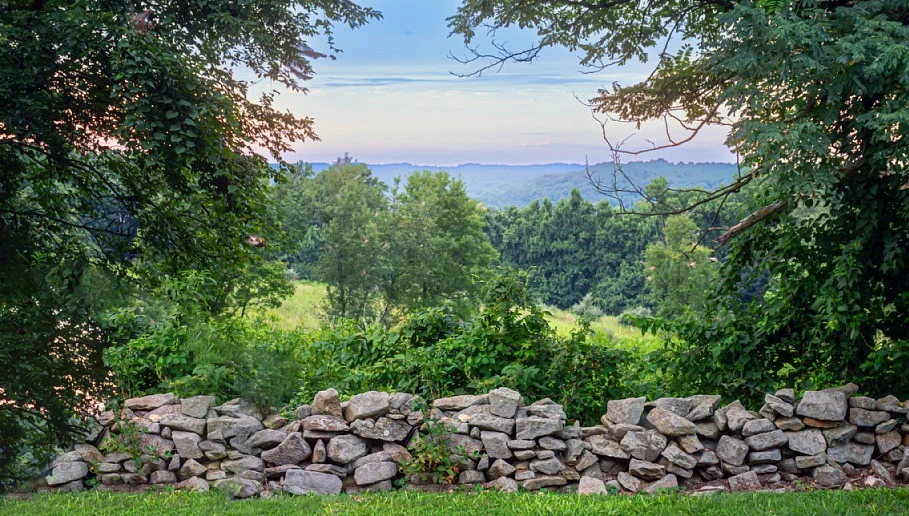
June Kicks Off Tourist Season
June brings warmth without the brutal heat of July and August. Temperatures range from 75-85°F. Ocean City beaches fill up, but not to capacity yet.
School's out, which means families everywhere. Popular attractions like the National Aquarium in Baltimore see long lines. Weekdays beat weekends for visiting major sites.
Crab season is going strong. Maryland blue crabs are available and restaurants serve them fresh. If you're here for the food, this matters.
July and August: Peak Everything
These months are hot. High 80s to low 90s become standard, with humidity that makes it feel worse. The "feels like" temperature often exceeds actual temps by 10 degrees.
Ocean City hits maximum capacity. Hotel prices skyrocket. Traffic on Route 50 heading to the beach becomes a parking lot on Friday afternoons. If you must visit Ocean City in summer, go Sunday through Thursday.
Thunderstorms roll through, especially late afternoon. They're intense but usually brief. Don't plan outdoor activities in evening hours without backup options.
Assateague Island remains popular for those wanting to see wild horses. Less crowded than Ocean City, but you'll need bug spray. The mosquitoes are no joke.
Summer Festivals
July 4th celebrations happen everywhere. Baltimore's Inner Harbor puts on fireworks. Annapolis does the same. Small towns host parades and events.
Artscape, one of the largest free arts festivals in the country, happens in Baltimore in July. Three days of music, art, and performances. If you're into that scene, it's worth timing your visit around it.
Fall: September Through November
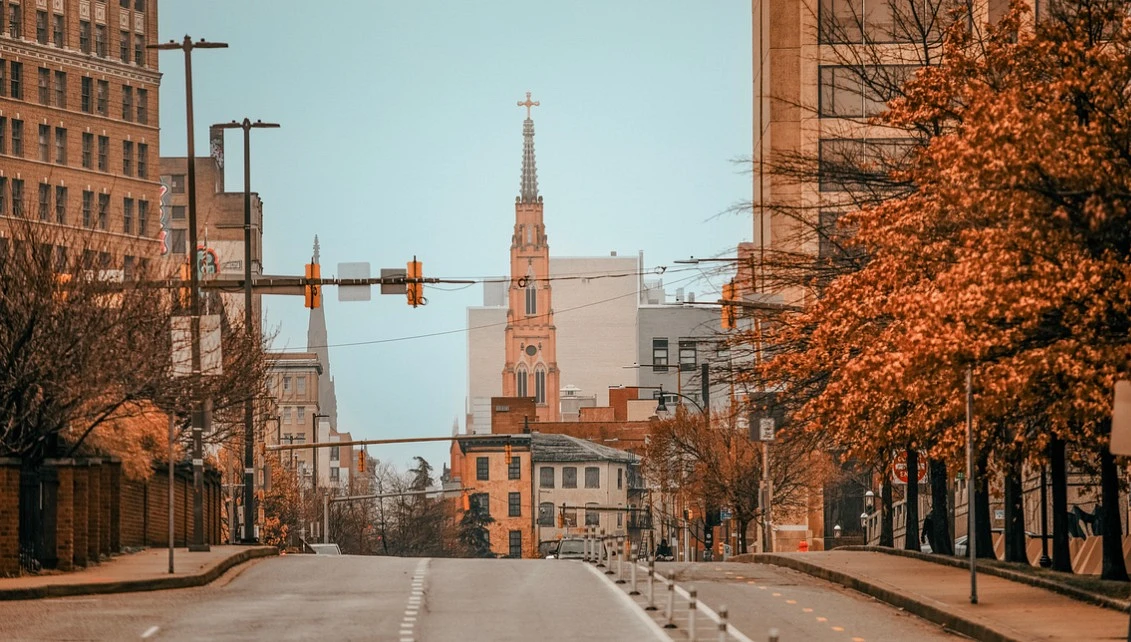
September Provides Relief
Labor Day weekend marks summer's end, and crowds thin noticeably. Temperatures drop to the 70s. Humidity decreases. Ocean water is actually warmest now, hitting 70-75°F from summer heating.
This is the peak time for visiting if you want pleasant weather without crowds. Hotels lower rates after Labor Day. Beaches remain accessible but peaceful.
October Delivers
October might be Maryland's best month. Temperatures range from 55-70°F. Fall foliage starts showing in western Maryland. The mountains transform into orange and red displays.
The Deep Creek Lake area becomes popular for leaf peepers. Swallow Falls State Park showcases fall colors well. Weekends get busy, but nothing like summer.
Oktoberfest celebrations happen throughout the state. Baltimore's version draws thousands for beer and German food. Smaller towns hold their own versions.
The Maryland Renaissance Festival runs weekends from late August through October near Annapolis. If you're into that medieval fair vibe, it's the largest in the area.
November Transitions
Early November extends that fall goodness. By mid-month, temperatures drop into the 40s and 50s. The leaves are mostly gone. Everything turns brown and gray.
Thanksgiving weekend sees locals traveling out rather than tourists coming in. This creates opportunities for visiting Baltimore or Annapolis without crowds. Museums and attractions remain open with shorter lines.
Winter: December Through February
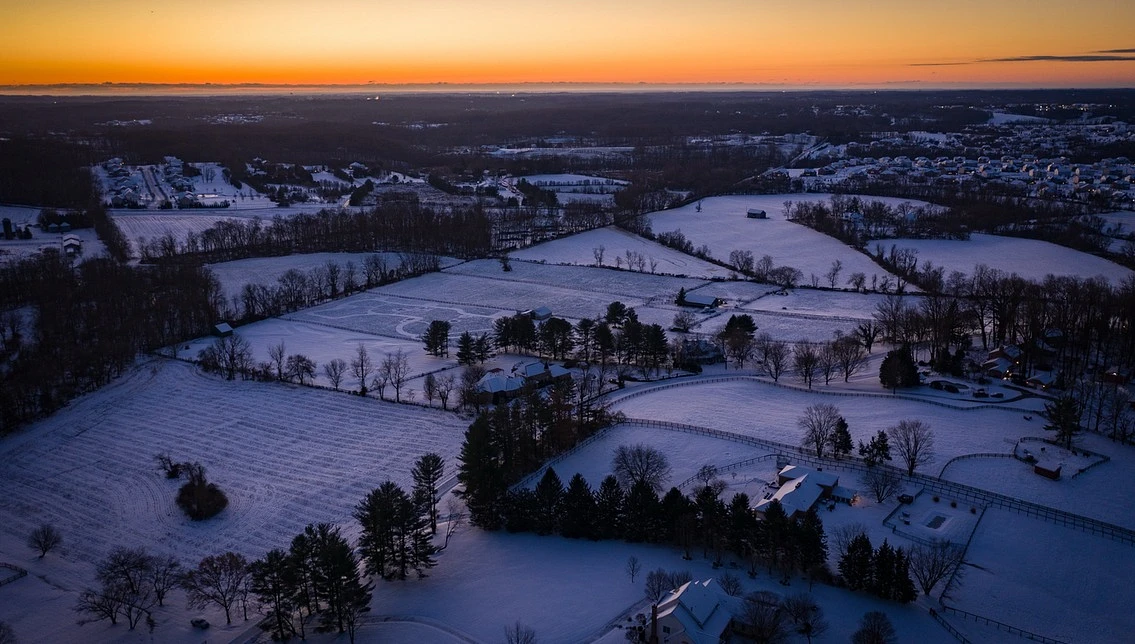
December Holiday Vibes
Winter hits differently across the state. Coastal areas see temperatures in the 35-45°F range. Western Maryland drops to 25-35°F, with regular snow.
Annapolis does Christmas on the waterfront. Lights, decorations, and boat parades happen. It's cold but manageable if you dress right.
Wisp Resort in western Maryland opens for skiing when snow conditions allow. It's Maryland's only ski area. Not exactly Colorado, but locals and DC residents flock there.
January: The Dead Zone
January is when tourism dies. Hotels offer rock-bottom prices. Nothing much happens. The weather is cold and gray. Average temperatures hit 30-40°F, but wind off the Chesapeake Bay makes it feel colder.
If you want to experience Maryland cities without any tourists, this is your window. Museums are empty. Restaurants have open tables. You'll have places to yourself.
February Stays Quiet
February essentially repeats January’s script. It’s another short, cold month with few visitors. The one exception? Presidents’ Day weekend. That three-day break sometimes pulls in a small crowd.
Ocean City is a dead zone - skip it. Seasonal businesses are mostly shuttered up. Walking the boardwalk now, you’re met with a hollow, almost eerie silence.
Regional Considerations
Chesapeake Bay Area
The Bay dictates central Maryland's rhythm. Life in towns like Annapolis, St. Michaels, and Tilghman Island hinges on the water. For the full experience, aim for summer into early fall. That's when everything kicks into high gear - sailing, crabbing, eating by the shore.
Come winter, the scene changes completely. Maritime activity grinds to a halt. Marinas shutter. Boats sit in storage. Waterfront spots slash their hours or just close up.
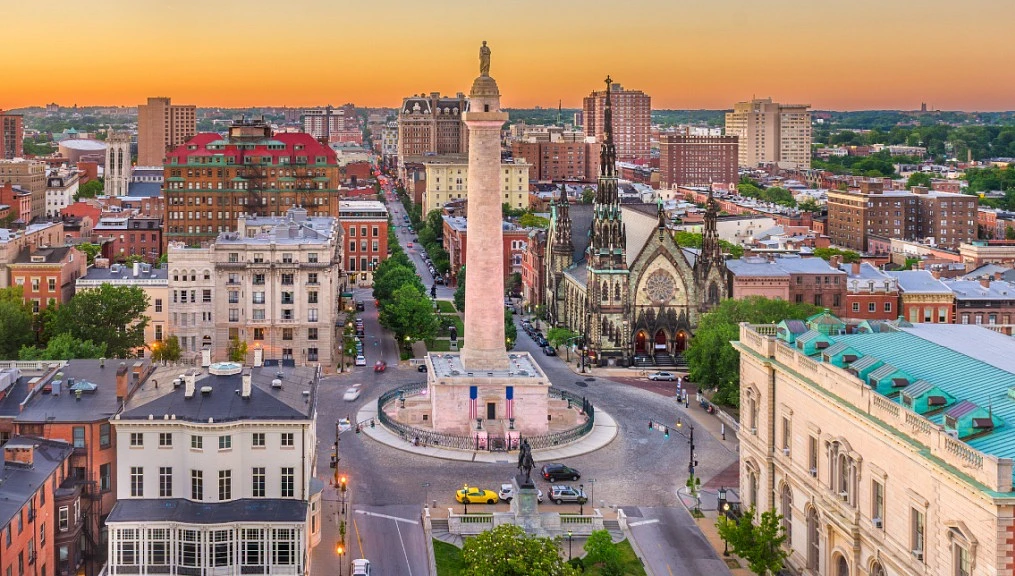
Baltimore City
Baltimore works any time of year, though comfort definitely shifts. Hit up the summer festivals and harbor scenes from June to September; that’s when the city buzzes.
December brings holiday markets and lights. For colder or wetter days, the museums offer shelter - think the offbeat American Visionary Art Museum, the classic Walters, or the Baltimore Museum of Art. Winter trips can work, just plan around indoor spots.
Then there’s Fort McHenry, right on the water. Visit in summer to roam the grounds freely. Winter tours concentrate inside, where the history is preserved.
Western Maryland
This region follows an alternate calendar. At Wisp Resort, winter kicks off in December and stretches through March. Come October, the hills ignite with fall color. Summer’s domain is hiking and mountain trails.
Deep Creek Lake defines the area’s rhythm: crowded with boaters in the heat, dotted with skiers in the cold. The shoulder seasons - spring and late fall - see crowds thin out. This emptiness brings quiet and better rates.
Towns like Cumberland and Frostburg anchor the area with history and access to the C&O Canal. These locations support visits year-round, though winter here is uncompromising. The cold months demand preparation.
Eastern Shore and Beaches
Ocean City and the surrounding beach towns are summer destinations. Period. Their season is defined by the stretch from late May into early September. Many businesses simply shut up shop from October straight through April.
For the full beach experience, target June through August. Want the sand without the crowds? September's your move. Avoid November through April completely - unless you’re into desolate boardwalks and shuttered concession stands.
Over on the Eastern Shore, smaller towns like Easton, Oxford, and Cambridge maintain a year-round pulse. They truly come alive in the warmth, though. Late fall and winter draw a different crowd, geared for waterfowl hunting across the region.
Special Events Calendar

Spring:
-
May kicks off with the Maryland Film Festival in Baltimore - five days of independent screenings.
-
That same month, the Kinetic Sculpture Race sends art-on-wheels, human-powered contraptions, racing from the American Visionary Art Museum.
Summer:
-
When the heat arrives, sailboat races dot the Chesapeake. The Governor’s Cup in August, from Annapolis to St. Mary’s City, is the big one. Later, the Maryland
-
The State Fair runs from late August into September in Timonium. Expect rides, livestock, concerts, and adventurous eating.
Fall:
-
September in Annapolis means the Maryland Seafood Festival - a weekend of steam and music, vendors and crabs.
-
By October, Halloween takes over. Places like the Field of Screams in Olney operate weekends for thrill-seekers.
Winter:
-
New Year’s Eve brings First Night Annapolis, an alcohol-free celebration downtown.
-
Earlier in December, many towns hold Midnight Madness sales, a tradition of late-night holiday shopping with extended store hours.
Budget Considerations
-
Summer prices hit hard. Ocean City hotels triple their rates. Baltimore and Annapolis aren't much better - weekend stays jump 30 to 50 percent.
-
For better value, scout the shoulder months. May and September deliver solid weather, but not the peak pricing. Mid-week stays undercut weekends every time, any season.
-
Winter brings the deepest deals, provided you don’t mind the cold and quiet. From January to March, some waterfront locations slash rates by 60 percent or more.
Weather Unpredictability
Weather in Maryland doesn’t just change - it flips. Coastal Nor’easters barrel through occasionally, mostly in March and November, unloading heavy rain and wind. Summer thunderstorms build in a blink. Mornings can dawn clear; afternoons drown in torrents. Never just check a forecast before your trip. Check it daily.
Hurricane season spans June to November, peak risk August through October. Direct hits remain rare. But storm remnants often dump heavy rain and push coastal flooding inland.
This state packs surprising variety into a tight space. That variety makes timing critical. Match your plans to the season. The result? A better experience than simply chasing cheap flights.
❓FAQ❓
When is the absolute best month to visit Maryland overall?
October takes the top spot. It provides a balanced experience: crisp air, minimal humidity, vibrant fall foliage in western regions, and significantly reduced visitor numbers across the state.
What’s the best time to visit Maryland for outdoor activities without heat?
Target May or September. Temperatures remain comfortable for hiking, exploration, and coastal walks.
When should I visit Maryland if I hate crowds?
Consider late April, early May, or mid-to-late September. Attractions remain accessible and towns feel calmer, yet most seasonal services continue operating.