








🎯Too Long; Didn’t Read
-
For the lowest rates, consider January through March or November. Prepare for gray and chilly conditions - plan indoor activities only.
-
The best weather arrives in June or early September: warm days, less humidity than midsummer, and generally manageable visitor numbers.
-
Beach season falls in July and August. With it come peak prices and crowds; reservations are essential.
-
Foliage peaks late September to early October in western Massachusetts, shifting to mid-October farther east. Popular areas command premium rates and fill quickly.
-
To escape crowds, target March-April or November. The weather may not inspire, but you’ll find space to breathe.
-
Cultural events concentrate in summer: Tanglewood, outdoor theater, festivals. Higher costs accompany these offerings.
-
Travel constrained by school schedules means summer or vacation weeks. This entails premium pricing and significant crowds.
Massachusetts pulls in millions of visitors annually. It crams history, coastline, mountains, and cities into one tight space. But when’s the right time to go? Honestly, it depends.
Beach loungers and leaf peepers operate on totally different schedules. So do budget travelers and festival crowds. Priorities split fast.
Forget uniform weather. This isn’t California or Florida. Massachusetts delivers four distinct seasons—count on that. Expect a genuine winter. Brace for humid summer heat. The transitions between seasons have their own quirks, too.
Spring: March Through May
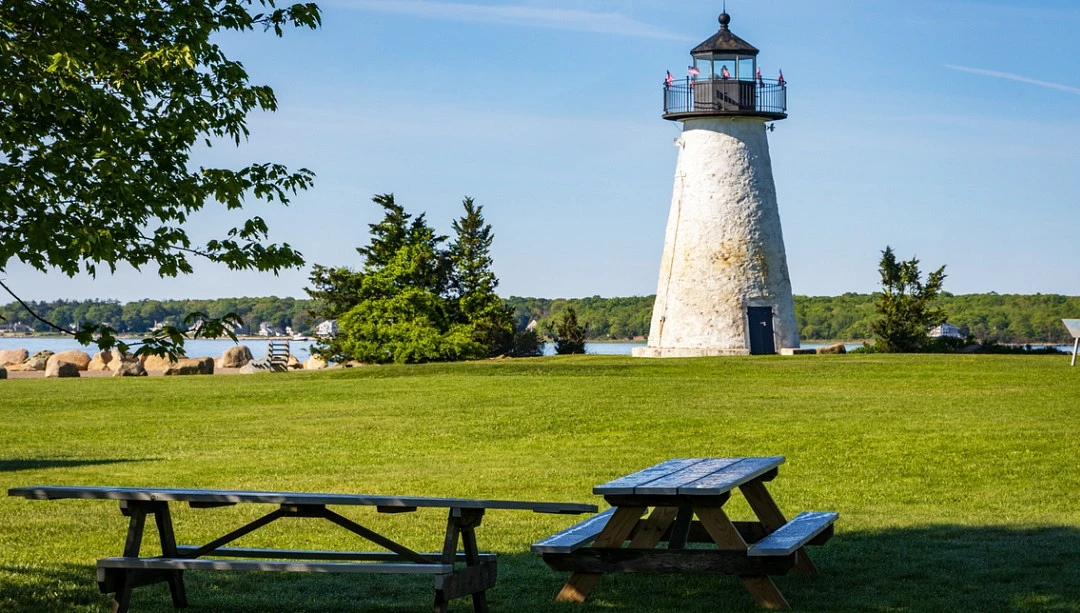
Spring in Massachusetts unfolds in fits and starts. Boston hits 60 degrees in April, yet snow lingers in the Berkshires.
-
March stays cold - 40s, with 50s if you’re lucky. Rain is practically a given.
-
Things shift in April. Temperatures crank up into the 50s and 60s. Buds appear on trees. Tulips push through in public spaces, making the Boston Public Garden a solid destination. The rain lets up, a little.
-
Then May arrives. That’s the reward. Temperatures settle in the 60s and 70s, humidity still low. The whole state goes green. Gardens erupt. Patios reopen in Boston and Cambridge.
The catch? Unpredictability. A winter coat one day, shorts the next. April showers are a real event here. Layers are non-negotiable.
Tourist crowds stay manageable. You won’t battle swarms at Fenway or the Freedom Trail. Hotel rates fall below summer peaks. Restaurant reservations are easier.
This season suits budget travelers, crowd-averse visitors, garden fans, and anyone seeking the state without summer heat or winter chill.
Summer: The Peak Season Rush
June Through August
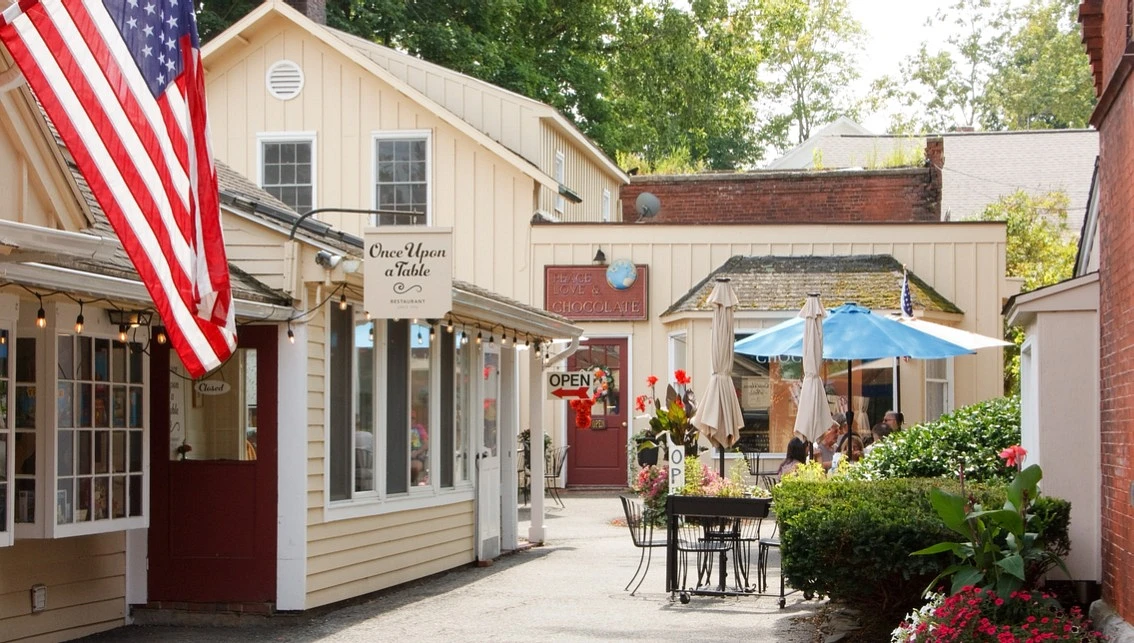
Summer brings tourists. In waves. Cape Cod swells. Martha’s Vineyard and Nantucket become inaccessible without ferry bookings secured months ahead. Boston hotel rates hit peak pricing. The demand is absolute.
The draw is simple: reliable weather. June lingers in the 70s. July and August consistently reach the 80s, occasionally touching the 90s. Ocean water becomes tolerable for swimming around July. Weekend beaches are packed.
The Atlantic moderates the coast. Boston can feel 5 to 10 degrees cooler than inland Worcester or Springfield on the same scorching day. Sea breezes provide relief.
Humidity, however, defines the season. July and August turn muggy, oppressive—the sticky kind that prompts multiple showers. Thunderstorms are a regular fixture, typically erupting in late afternoon or evening.
Cape Cod and the Islands follow a seasonal rhythm. After Labor Day, a quiet settles in. Restaurants shutter. Shop hours shorten. Many hotels close entirely. For the full, operational experience, target Memorial Day through Labor Day.
Typical activities range from swimming and sailing to whale watches departing Provincetown or Gloucester. There are Red Sox games at Fenway, exploration of the Boston Harbor Islands, straightforward beach days, and outdoor concerts at Tanglewood in the Berkshires.
Costs are significant. Hotel rates double or triple winter prices. Cape vacation rentals command thousands per week. Restaurants have waitlists; attractions sell out. Advance booking is non-negotiable.
This season suits families bound by the school calendar, dedicated beachgoers, those unbothered by crowds, and anyone with considerable budgeting flexibility.
Early September: The Sweet Spot
September deserves separate discussion. Labor Day marks a turning point. Tourists vanish. Kids return to school. Prices drop.
But the weather holds. Early September often delivers warm, dry days. Temperatures stay in the 70s through mid-month. Ocean water remains warm from summer heating. Beaches empty out.
Hotels slash rates after Labor Day. Restaurants have availability. You can actually walk the Freedom Trail without fighting crowds. Cape Cod becomes peaceful again, though some businesses start closing.
This two-week window from Labor Day to late September might be the best value in Massachusetts tourism. Weather plus accessibility plus lower costs. The catch? Shorter window to plan around.
Fall: The Famous Foliage Season
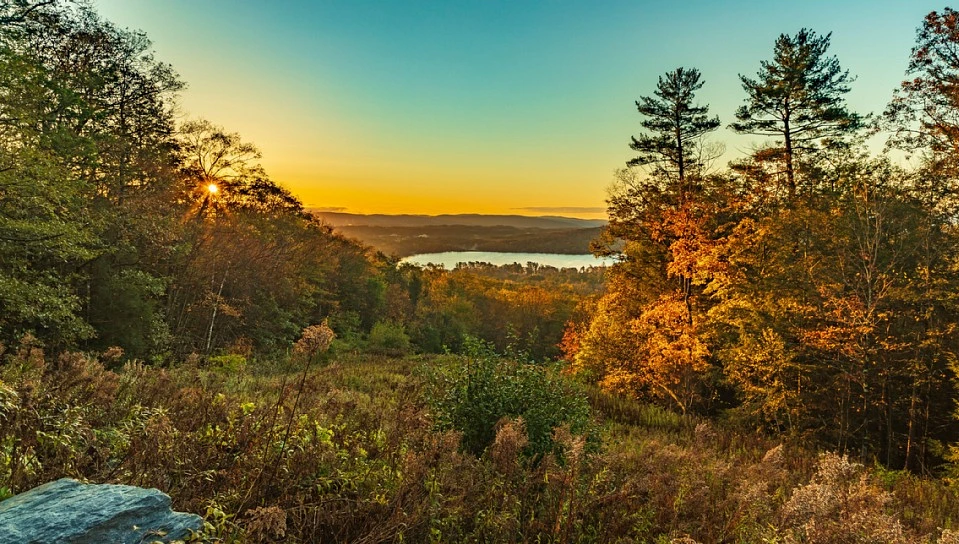
Massachusetts markets the heck out of fall. The state’s whole tourism engine shifts to chase fall foliage. Tour buses roll deep into western towns. Over in the Berkshires, hotels sell out, just like that.
Predicting peak color? Not so simple. Elevation and location call the shots. The Berkshires go off first, often late September. Boston and the east coast catch up by mid-October. Cape Cod hangs on, sometimes dragging things into November.
But trees play by their own rules. A warm fall stalls the show. An early frost can strip branches bare overnight. Drought stresses them; heavy rain just knocks the leaves down.
The state runs a foliage tracker - use it. Weekly updates straight from the regions cut through the guesswork.
October isn’t just a color binge. Temperatures hover in the 50s and 60s. Crisp air. Low humidity. You’ve got apple picking, pumpkin patches, Halloween stuff everywhere.
Then November hits. The mercury dips into the 40s and 50s. Gray skies, more rain. Leaves are gone. Thanksgiving pulls in a brief crowd, then everything goes quiet.
Chasing foliage costs you. Berkshire hotels charge summer rates or more on peak weekends. Roads like the Mohawk Trail lock up with traffic. Salem? Packed all October with Halloween crowds.
So fall here works if you’re a photographer, a nature buff, someone cool with premium prices for scenery, or just into sharper, cooler air.
Winter: The Overlooked Season
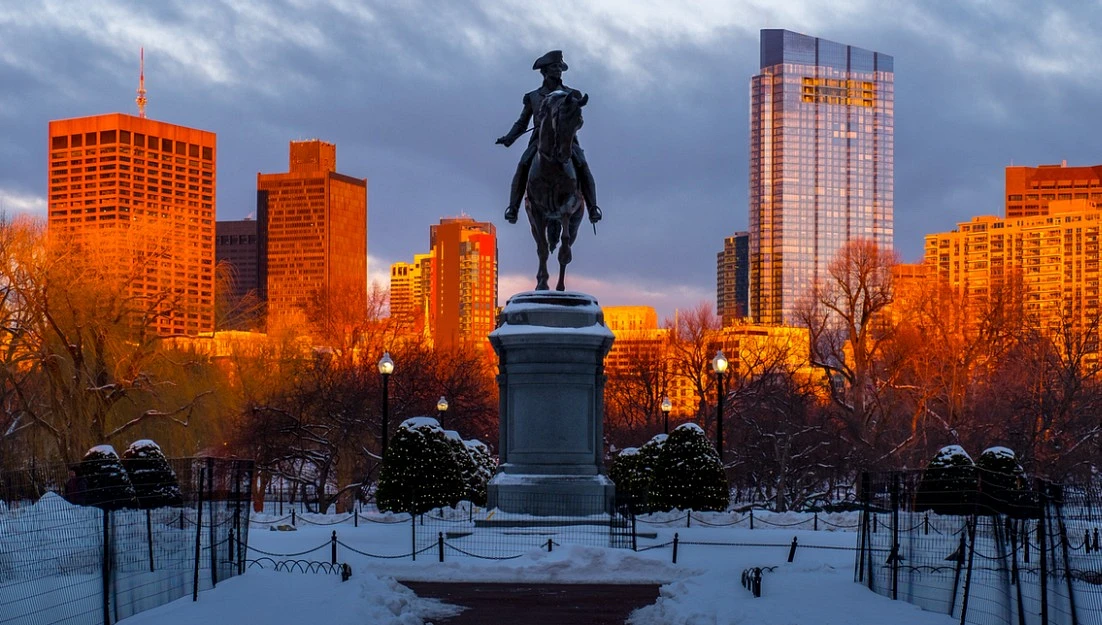
Winter gets ignored in Massachusetts tourism discussions. Probably because it's cold. Really cold. January averages in the 30s for highs. Teens and 20s for lows. Wind chill makes it worse.
Snow happens. Boston averages 40+ inches per winter. The Berkshires get much more. Some winters deliver blizzards. Others stay relatively mild. Predicting snow patterns is impossible.
But winter has advantages. Hotels cost less. Restaurants have space. Museums aren't crowded. You can explore Boston without tourist hordes.
Skiing becomes possible. Massachusetts isn't Vermont or New Hampshire, but the Berkshires offer decent skiing. Wachusett Mountain provides closer access from Boston. Cross-country skiing works throughout the state when snow cooperates.
December has holiday markets and decorations. Boston Common hosts a tree lighting ceremony. Faneuil Hall decorates extensively. Newbury Street shops do windows. The atmosphere matters if you care about that stuff.
January and February drag. Gray, cold, sometimes snowy. Daylight is limited. Coastal areas feel especially harsh due to wind. Not many compelling reasons to visit unless you ski or got a great hotel deal.
March straddles winter and spring. Technically still winter. It often feels like it. Occasional warm days tease spring's arrival. March remains unpredictable and somewhat miserable.
Winter works for: skiers, budget travelers willing to endure cold, anyone avoiding crowds, people who actually like winter weather.
Regional Considerations
Boston and Eastern Massachusetts
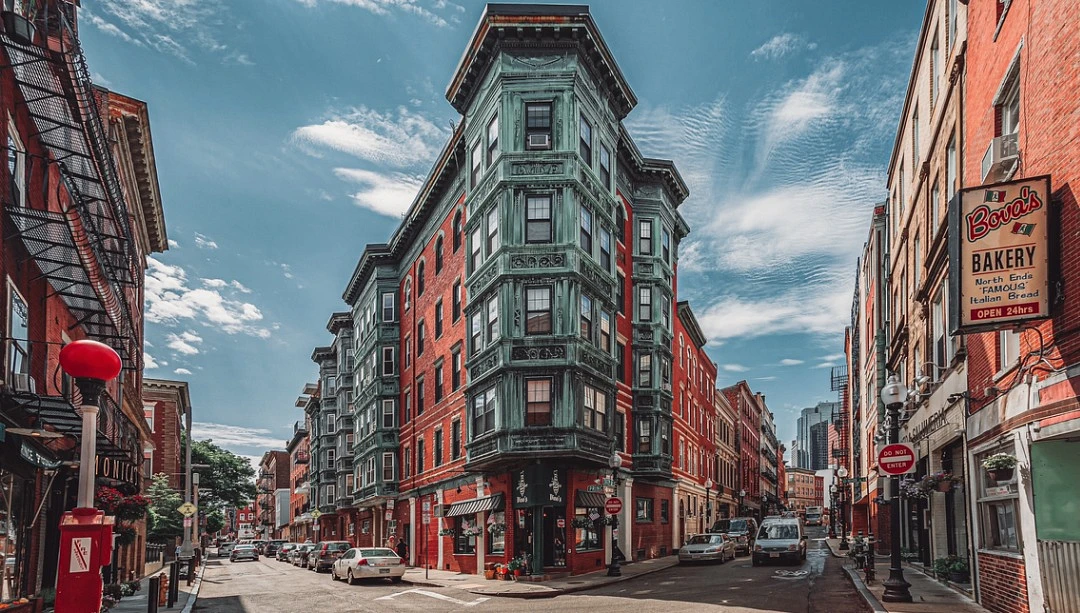
Boston functions year-round. The city doesn't shut down seasonally. Museums stay open. Restaurants operate. Hotels maintain service.
Best time: May-June and September-October. The weather cooperates. Crowds stay manageable. Prices remain reasonable.
Worst time: January-February (cold, gray) and July-August (hot, humid, crowded).
Cape Cod and the Islands
These areas operate seasonally. Period. Summer is everything here. Most businesses open Memorial Day, close Labor Day or shortly after.
Best time: June or September. Weather works, crowds thin compared to July-August peak, prices lower slightly.
Worst time: November-April. Half the businesses close. The remaining options charge less but offer limited selection. Only visit during off-season if you want isolation and don't mind closed storefronts.
The Berkshires
Western Massachusetts revolves around summer cultural events and fall foliage. Tanglewood runs July-August. Jacob's Pillow hosts dance performances in summer. Fall brings leaf peepers.
Best time: July-August for culture and weather, late September-early October for foliage.
Worst time: November-March. Cold, limited activities unless you ski. Many restaurants and hotels close or reduce hours.
North Shore
Salem, Gloucester, Rockport, and Marblehead function year-round but peak in summer and October (Salem's Halloween crush).
Best time: June and September. Beach weather without peak crowds.
Worst time: January-February. Cold, windy, limited tourist infrastructure operating.
Events and Festivals Worth Planning Around
-
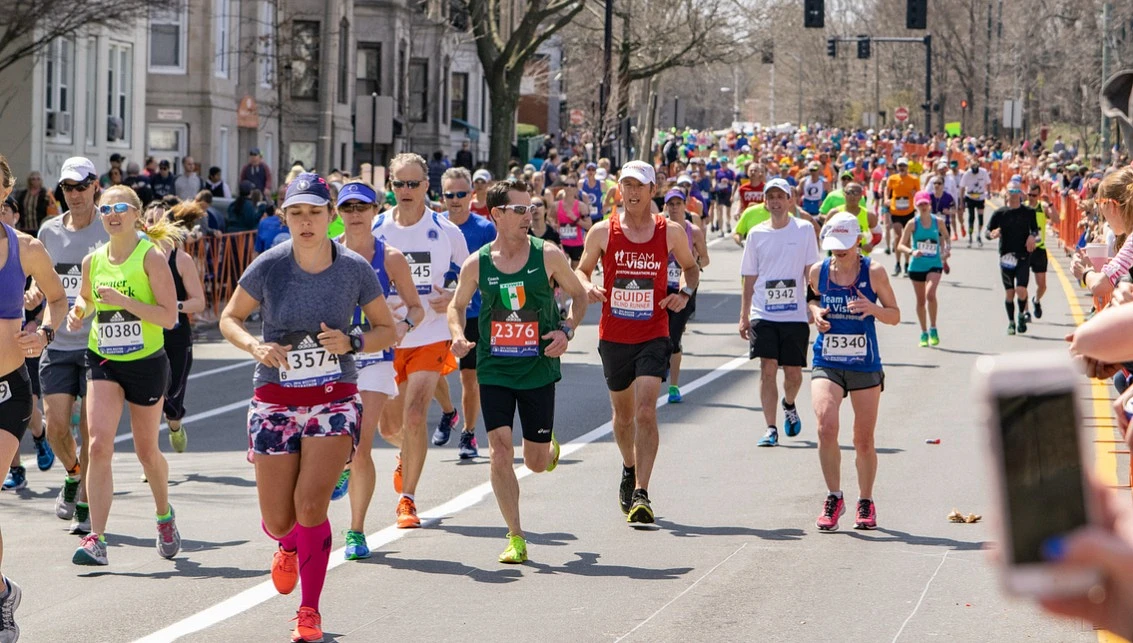
The Boston Marathon happens on Patriots' Day. Downtown hotels sell out. Traffic? Forget it. The race pulls in 30,000 runners, with spectator numbers reaching the hundreds of thousands.
-
Fourth of July means the Boston Pops concert and Esplanade fireworks. Crowds are massive. For a downtown hotel, you need to book months ahead - no joke.
-
Come late October, the Head of the Charles Regatta takes over. It’s the largest rowing event globally. Cambridge and Boston get jammed. Fall foliage meets elite rowing, creating one packed weekend.
-
Tanglewood operates through July and August out in the Berkshires. That’s the Boston Symphony Orchestra’s summer base. Weekend concerts go fast. Hotels within a 30-mile radius of Lenox book solid.
-
Salem’s Haunted Happenings devours October. The whole city becomes Halloween central. Weekend crowds are overwhelming. Parking becomes impossible. Hotels are gone a full year out.
-
First Night Boston on New Year’s Eve provides alcohol-free, family-oriented events downtown. Midnight fireworks cap it off. It’s a cold celebration, but festive - if you can handle the winter chill.
❓FAQ❓
When is the best time to visit Massachusetts for first-time travelers?
Late May into mid-June provides comfortable conditions. Most attractions are fully operational. Crowds remain manageable before the summer peak. Alternatively, target early September. The weather holds, and visitor numbers drop again.
What’s the best time to visit Massachusetts on a tight budget?
January through March and November consistently offer the lowest hotel rates, particularly in Boston.
When is the best time to visit Massachusetts for road trips?
Road trips find their ideal timing in late September. Fall foliage begins its turn, creating a scenic drive.