







🎯Too Long; Didn’t Read
For a Michigan trip, timing changes everything.
-
Easiest visit? Aim for mid-June to mid-July. Everything’s open, weather’s cooperative.
-
Want summer’s buzz but fewer crowds? Try late August. Still warm, just less packed.
-
For the ideal balance of outdoor access and comfort, September’s your month.
-
Fall color peaks late September to mid-October. Head to the UP a bit earlier; it jumps the gun.
-
Festival season kicks off early May with tulips. Then early June for lilacs, followed by cherries in early July. Plan around those if you’re into that scene.
Michigan isn’t a “one perfect week” kind of state. It’s two peninsulas, five Great Lakes, and weather that changes fast. So the best time to visit depends on your priorities: warm beach days, quiet hikes, fall color, festivals, skiing, city weekends, or avoiding crowds and bugs.
Below, you’ll get the sweet spots month-by-month (without the fluff), plus quick picks for different trip styles.
The quick answer: best months for most travelers
If you want the easiest planning and the broadest range of things to do, these time windows are the safest bets:
-
Late May to early June: spring energy, decent temps, events starting up
-
Mid-June to mid-August: peak summer (busy, but Michigan is alive)
-
Mid-September to mid-October: fall color + cooler days + fewer crowds
If you want one single “best overall” window, most people will be happiest in late June through July for beaches, towns, and long daylight. Just know: prices climb and popular spots fill up.
Know Michigan’s vibe by season
Michigan has two different “Michigan experiences”
You’ll hear people talk about Michigan like it’s one place, but it really splits into two big travel zones:
-
Lower Peninsula (LP): Detroit, Ann Arbor, Grand Rapids, Holland, Traverse City, Sleeping Bear area
-
Upper Peninsula (UP): Pictured Rocks, Marquette, Keweenaw, Tahquamenon Falls, more remote drives
The UP tends to run cooler, starts fall color earlier, and keeps winter longer. That matters for timing.
Spring (March to May): low crowds, uneven weather, solid value
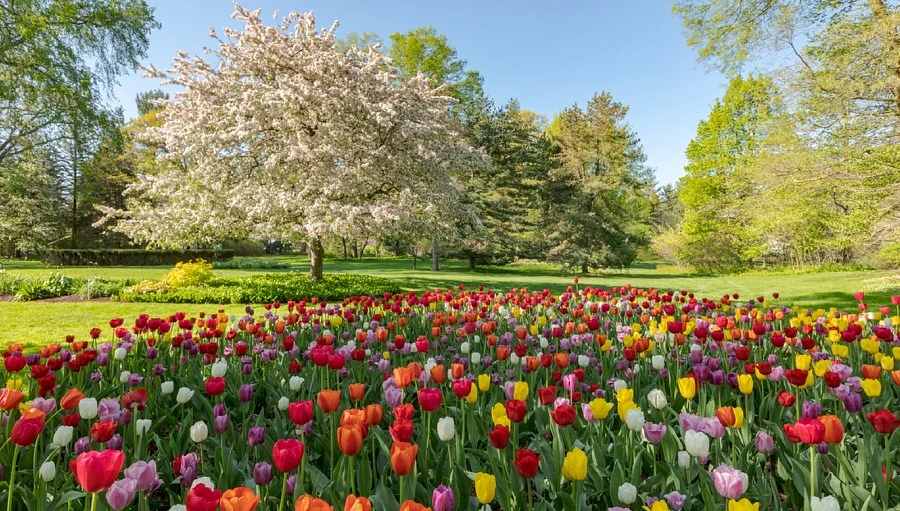
Spring in Michigan is a mix. Some days feel like winter refusing to leave. Then suddenly it’s nice and people act like it’s summer.
Best reasons to visit in spring
-
Cheaper lodging (especially compared to July)
-
Less traffic on lake towns
-
Waterfalls and hiking begin to wake up
-
Great for city trips (Detroit + Ann Arbor weekends)
Michigan’s official tourism site pushes spring for outdoor trails and waterfalls as winter fades out.
What spring is best for
March and early April: city-first travel
This is when you focus on:
-
museums
-
food spots
-
sports games (if you’re into that)
-
breweries, coffee shops, low-key exploring
If you’re trying to do beaches or big swimming days in March, don’t. The Great Lakes don’t warm up quickly.
Late April through May: spring trips finally make sense
This is where Michigan starts feeling trip-worthy for most people. Expect:
-
better hiking
-
more open seasonal attractions
-
early patio weather on good days
May festival pick: Tulip Time in Holland
If you like flowers, crowds, and a “whole town is in festival mode” vibe, Tulip Time is the big one.
For 2026, Holland’s Tulip Time is listed as May 1–10, 2026.
Best move: go on a weekday morning if you can. Weekends get packed.
Early summer (June): the underrated sweet spot
June is when Michigan hits a nice balance: long days, lots open, fewer families traveling compared to July, and the air usually feels easier.
Why June works so well
-
Warm weather starts showing up consistently
-
Lake towns ramp up
-
Trails and parks are fully accessible
-
It feels active without being chaotic (most of the time)
A signature June event: Mackinac Island Lilac Festival
Mackinac Island is a summer classic, and the Lilac Festival is one of its most visible events.
For 2026, the official Mackinac Island site lists the Lilac Festival as June 5–14, 2026.
Mackinac is also easier to enjoy before peak July crowds hit. If you want the island without maximum madness, early-to-mid June is a strong call.
The one June downside: bugs can show up
Not everywhere, not all the time. But if you’re camping, hiking near wetlands, or doing UP trails, you need to be realistic.
Pictured Rocks National Lakeshore notes that mosquitoes and black flies are among the earliest insects to appear in spring.
Bring repellent. Not complicated.
Peak summer (July to mid-August): best weather, busiest everything
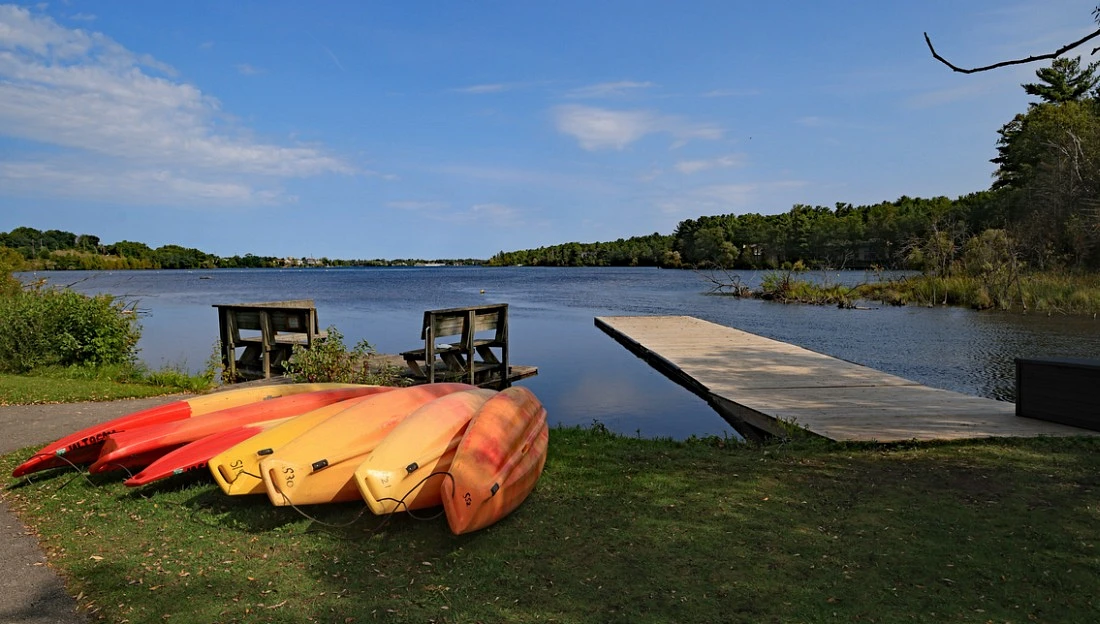
If your main goal is beach time, boat time, and that full Michigan summer energy, this is it.
What July and August are best for
-
Great Lakes beaches (Lake Michigan is the star for many travelers)
-
kayaking, paddleboarding, charter fishing
-
festivals nearly every weekend
-
long daylight (big plus for road trips)
July festival pick: National Cherry Festival in Traverse City
Traverse City in July is busy in a very “people are outside all day” way.
For 2026, the National Cherry Festival lists dates as July 4–11, 2026, and it’s their 100th year celebration.
If you want to visit Traverse City with a calmer vibe:
-
go before the festival week
-
or go late August instead (still summer, fewer crowds)
The real talk: summer costs more
This is the priciest period for:
-
popular resorts
-
lakeside rentals
-
Mackinac-area stays
-
Traverse City weekends
You’re paying for the timing. Worth it for some people, annoying for others.
Bugs + heat + humidity (yes, it’s a thing)
Mosquitoes in Michigan often show up once spring warms and get more active through summer. One Michigan pest control company describes them starting around April and being most active in hot, humid summer months.
You don’t have to obsess over it, but don’t show up unprepared and then act shocked.
Late summer (late August): still fun, way less stressful
Late August is a power move if you want summer without constant lines.
Why late August is a great time to visit Michigan
-
beaches still work
-
daylight is still solid
-
crowds drop compared to July
-
it’s easier to book good stays (not always cheap, but easier)
If you’re doing a road trip that hits:
-
west coast beach towns
-
Traverse City area
-
Sleeping Bear Dunes region
…late August can feel like you unlocked the “better version” of summer.
Fall (September to October): the best time for scenic drives and hiking
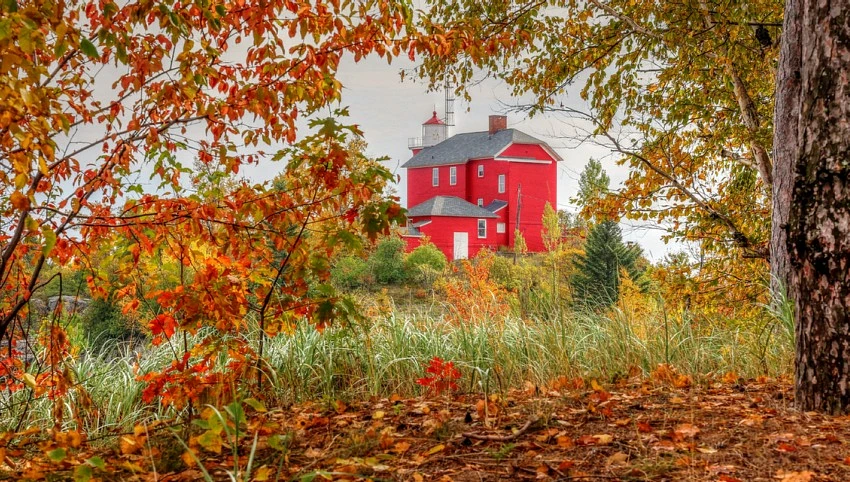
Fall is Michigan at its most comfortable for a lot of travelers. Less sweating, fewer families traveling, and the state becomes perfect for:
-
forest hikes
-
winery days
-
long weekend trips
-
scenic drives that don’t feel like a punishment
Best time for fall colors in Michigan
It depends where you are.
The Upper Peninsula travel site says peak fall color is typically the last week of September and the first two weeks of October.
That lines up with how many locals plan UP fall trips:
-
late September = strong chance of good color
-
early October = still solid, but timing varies year to year
For the rest of Michigan, the state tourism site runs fall color resources and a map because peak timing shifts across regions.
September: the “do everything” month
September is a cheat code month in Michigan because you can still do:
-
warm-ish outdoor dining
-
beach walks (and sometimes swims if you’re not picky)
-
hiking without the worst summer heat
If your trip includes both cities and outdoors, September is ridiculously flexible.
October: best for color and cozy travel pacing
October is when you shift away from beaches and go all-in on:
-
fall color drives
-
apple orchards
-
weekend cabin stays
-
craft beer + food weekends
If you’re trying to hit peak color, plan early October for the UP, and mid-October for many parts of the Lower Peninsula (timing varies, so keep your schedule loose if foliage is your top goal).
Winter (November to March): quiet travel, snow sports, real cold
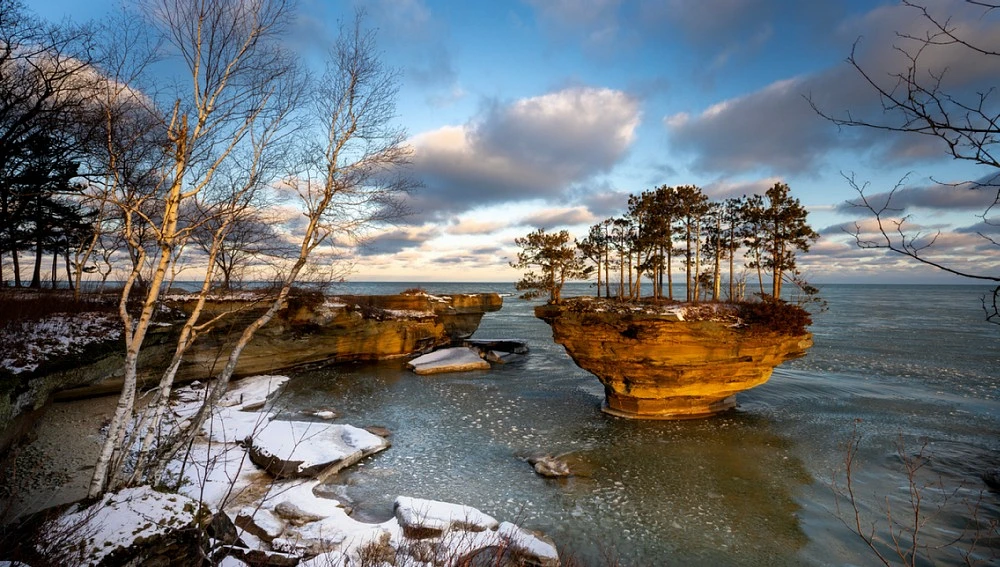
Winter trips in Michigan are either:
-
exactly what you want, or
-
a mistake you regret
There’s not much middle ground.
Best reasons to visit Michigan in winter
-
skiing and snowboarding
-
snowmobiling (especially up north)
-
winter photography and frozen shoreline views
-
holiday lights + city weekends
The weather warning you should actually take seriously
Michigan gets real winter systems, especially with lake-effect snow near Lake Michigan.
In January 2026, Michigan news reports describe winter storm warnings and lake-effect snow with hazardous travel conditions along the Lake Michigan coastline.
That doesn’t mean “never go.” It means winter travel requires:
-
flexible plans
-
good tires
-
checking forecasts daily
When winter makes sense
-
You like snow sports and want northern Michigan or the UP
-
You want quiet cabin weekends
-
You’re fine with short days and cold air
When winter doesn’t make sense:
-
you want scenic hiking without ice
-
you’re expecting a city + beach combo
-
you hate driving in snow
The best time to visit Michigan for specific trip styles
Best time for beaches
Late June through August is the easiest bet.
If you want fewer crowds, lean late August.
Best time for Mackinac Island
Early June is a smart pick: open season, festival energy, not the peak-July crush. The Lilac Festival dates help you plan around that.
Best time for the Upper Peninsula
If you want warm hiking weather, the UP travel site points to May 28 to September 9 as the best time window based on NOAA data, with July and August being the warmest.
If fall color is your goal, use the typical UP peak: late September into early October.
Best time for fall color road trips
-
UP: last week of September → first half of October
-
Lower Peninsula: generally later than UP, often October (varies by region)
Best time for festivals
-
Tulip Time (Holland): May 1–10, 2026
-
Mackinac Lilac Festival: June 5–14, 2026
-
National Cherry Festival (Traverse City): July 4–11, 2026
Best time to avoid crowds
-
May (after early spring warms up)
-
June (before July hits)
-
Late August
-
September (especially after Labor Day)
Best time for a budget trip
Usually:
-
early spring (city-focused)
-
late fall (after peak color)
-
winter (except holiday weeks)
Just be careful with winter driving if you’re planning long distances.
Month-by-month Michigan travel guide (simple and useful)
-
January: Deep winter. Snow systems frequent—plan accordingly.
-
February: Steady winter vibe. Skiing, snowmobiling, winter cabins all work.
-
March: Visits work best as Detroit or Ann Arbor weekends. Avoid anything requiring warm weather.
-
April: This shoulder season suits museums and food trips. Crowds stay smaller. Outdoor conditions remain unpredictable.
-
May: Spring arrives. Holland’s Tulip Time pulls big numbers (May 1–10, 2026). Solid for scenic drives, parks, light hikes.
-
June: One of the strongest months overall. The Lilac Festival on Mackinac Island runs June 5–14, 2026. Weather and crowds balance well.
-
July: Peak summer. Traverse City hosts the Cherry Festival (July 4–11, 2026). Beaches, boating, all outdoor activities shine. Expect crowds and steeper prices.
-
August: Early August stays busy. Late August mellows but keeps the warmth. Ideal for beach towns without the full chaos.
-
September: A top-tier Michigan month. Hiking, wineries, mixed city-and-nature trips all work. Crowds thin; sleep improves.
-
October: Fall color season. Best for scenic drives, hikes, weekend cabins. The UP peaks before the Lower Peninsula.
-
November: Travel quiets. Days turn colder and darker. Cities and low-season deals make sense.
-
December: Holiday season meets winter sports. Cozy travel fits, if cold suits.
❓FAQ❓
When is the cheapest time to visit Michigan?
Late winter and early spring usually have the lowest lodging rates, especially outside holiday weekends and ski areas.
When is the best time to visit Michigan for wildflowers?
Late May through June is usually the best window, since trails and dunes start blooming after the last cold stretch.
When is the best time to visit Michigan for lighthouse trips?
June through September is the easiest for driving routes and open tour hours, with September offering quieter stops.