







🎯 Too Long; Didn’t Read
-
Weather & Crowds: For reliable conditions and open attractions, target late May through September. It’s the popular choice, and it shows. Fewer visitors and lower rates appear in April and early November, though the weather turns unpredictable.
-
Seasonal Highlights: Fall color peaks late September into early October. Timing shifts yearly—check the Minnesota DNR Fall Color Finder for current reports. Prime winter conditions, with consistent snow and ice, hit in January through early February. The Saint Paul Winter Carnival (Jan 22–Feb 1, 2026) anchors that period.
-
By Activity: Lakes and cabins demand summer—late June to August. Expect company, plus mosquitoes. For dry-trail hiking without the heat, September is ideal. Colors peak as above. Winter festivals align with the deep freeze in late January and early February. Twin Cities visits work year-round, but May–June and September–October balance comfort and access. For budget trips, consider April, early May, or early November. Deals exist, but you’re rolling the dice on weather.
Minnesota isn’t a “one best season” kind of place. It’s more like: pick your vibe, pick your weather tolerance, and boom—you’ve got your best time.
Want lake days and patios? You’re looking at summer. Want crisp hikes and leaf color? Fall. Want snow sports and winter festivals? Mid-winter. Want cheaper stays and fewer people? Shoulder season, but you’ll trade comfort for it.
Below is a practical, no-fluff guide to choosing the best time to visit Minnesota based on weather, crowds, bugs (yes, we’re talking about mosquitoes), and what you actually want to do.
The best time to visit Minnesota (quick picks)
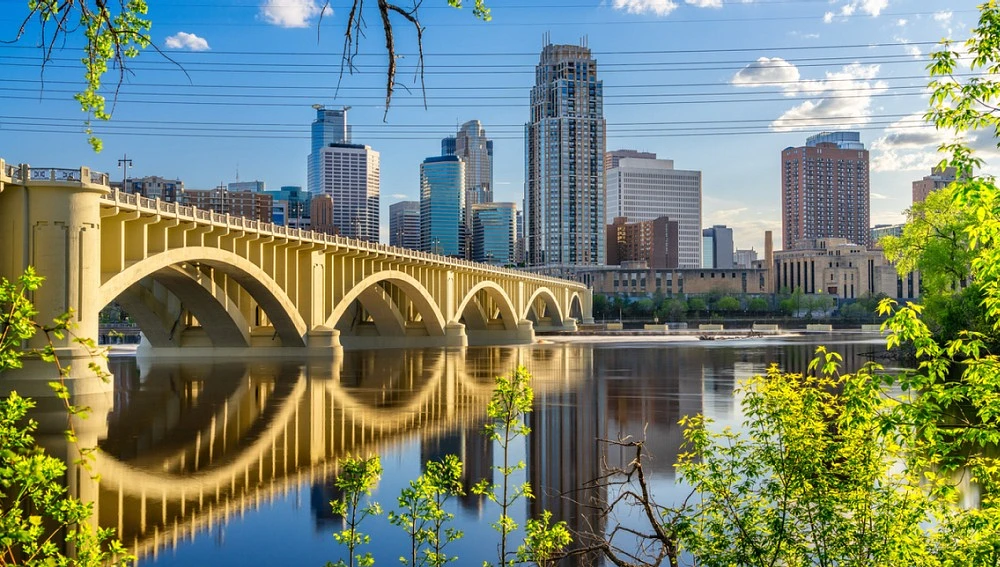
Best overall weather
Late May through September for comfortable temps and the most open attractions. This is when most visitors plan their trips, for a reason.
Best for fall colors
Late September into early October (varies by region and the year). For real-time timing, Minnesota’s DNR Fall Color Finder is the move.
Best for winter activities
January into early February, when snow and ice events are in full swing. If you want a built-in plan, the Saint Paul Winter Carnival runs Jan 22–Feb 1, 2026.
Best for fewer crowds + lower prices
April and early November are usually quieter. Weather can be messy, but the state feels less packed.
Minnesota’s seasons: what you’re signing up for
Minnesota has real season changes. Not subtle. Not “kinda chilly at night.” It swings.
The Twin Cities (Minneapolis–Saint Paul) give a decent baseline for understanding conditions. Weather varies across the state, but this helps you plan without guessing.
-
In the Twin Cities area, average temps range from around 15.6°F in January to about 73.8°F in July.
-
Saint Paul’s climate normals (1991–2020) show an average annual precipitation around 32 inches.
-
The drier season in Saint Paul is roughly October to early April (fewer rainy days).
That’s the macro picture. Now let’s talk month-by-month vibe, without turning this into a meteorology lecture.
Spring (March to May): thaw season, mixed feelings
Spring in Minnesota is a transition season with mood swings. One day you’re in a hoodie. Next day, the wind decides to bully you. It’s not always cute, but it can be a smart time to visit.
March: winter leftovers
March often still feels like winter, especially in northern Minnesota. You can still catch snow activities, but conditions can change fast.
Best for:
-
Late-season snow sports (when available)
-
Indoor-heavy trips (museums, food, breweries)
Heads-up:
-
Slush is common.
-
Trails can be icy or muddy.
April: underrated if you’re flexible
April can be quiet and cheaper. Not peak-pretty outside yet, but the cities wake up.
Best for:
-
Budget travel
-
Museums, theaters, sports games
-
Exploring Minneapolis and Saint Paul without summer crowds
Not ideal if you need perfect weather
Because… you probably won’t get it.
May: the “okay, we’re back” month
By May, you start getting more consistent pleasant days. Parks get busy again. Patios show signs of life.
Best for:
-
City trips + early hikes
-
Driving up the North Shore before peak crowds
-
Weekend getaways without full summer pricing
What about mosquitoes?
They start showing up as temps rise and water sits around. It’s not always peak-bug yet, but don’t show up unprepared. Peak mosquito season tends to be summer.
Summer (June to August): lakes, festivals, and yes… bugs
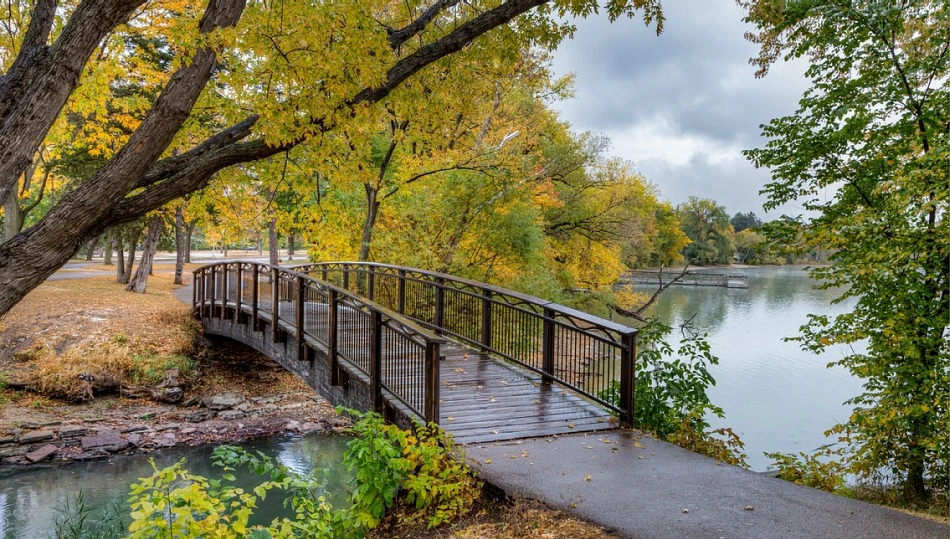
Summer is Minnesota’s big flex. Long daylight, lake culture, camping, cabins, baseball, concerts, food festivals. This is also when everyone else visits, so plan like a grown-up: book early if you want popular areas.
June: early summer energy
June is a sweet spot if you want warm weather but don’t want the full July crowd level.
Best for:
-
Canoeing and lake trips
-
Hiking and state parks
-
Early summer events and markets
Bug reality check
Summer is peak mosquito season in the Twin Cities area, especially June through August.
If you’re near lakes, wetlands, or woods, expect more activity.
Pack repellent. Not optional.
July: classic Minnesota summer (and the busiest)
July is when Minnesota feels fully “on.” Lake cabins are booked. State park parking lots fill up. If you want that full summer experience, this is it.
Best for:
-
Swimming and boating
-
Big event calendars
-
Boundary Waters trips (with prep)
If you’re thinking about the Boundary Waters Canoe Area Wilderness (BWCA), summer is a common choice because access is straightforward and outfitters are running full operations.
Crowds:
-
Highest of the year in many places
-
Lodging can be expensive in tourist zones
August: still summer, slightly calmer
August stays warm, but the vibe can shift a bit—especially late in the month. Some families start wrapping travel around school schedules.
Best for:
-
Lake time with fewer peak-weekend crowds (sometimes)
-
Late-summer road trips
-
Minnesota State Fair season (if you’re into huge crowds and food chaos)
Bug level:
Still very much a thing.
Fall (September to November): best “outdoor comfort” season
If you like hiking, scenic drives, and daytime temps that don’t cook you, fall can be the best season to visit.
September: warm days, better sleep, fewer mosquitoes
September often brings that “finally” feeling: less humidity, fewer bugs, and trails that don’t feel brutal.
Best for:
-
North Shore road trips
-
Biking and hiking
-
Cabin weekends without mid-summer pricing
If you want fall color planning help that isn’t guesswork, use the Minnesota DNR Fall Color Finder. It tracks real progression and also shows typical timing based on past data.
Late September to early October: peak fall colors (with timing risk)
This is the high-demand window. People travel specifically for it, especially along Lake Superior’s North Shore.
North Shore timing varies by location and tree type, but a commonly referenced range for peak color is mid/late September into early October.
Best for:
-
Scenic Highway 61 drives
-
Waterfall hikes (Gooseberry Falls, Split Rock area)
-
Photography
-
Crisp outdoor weather without winter gear
Plan smart:
-
Book lodging early
-
Go on weekdays if possible
-
Check the DNR map before you drive hours north
October: still great, but shifting
Early October can still be prime. Later October gets colder fast, and color drops depending on wind and weather.
Best for:
-
North Shore (early month)
-
Twin Cities fall walks, breweries, food spots
-
State parks farther south later in the month
November: quiet, chilly, low-key
November is the “off season” for many travelers. It’s not always pretty outside, but it’s calm.
Best for:
-
City weekends
-
Indoor culture trips
-
Travelers who hate crowds
Not ideal for:
-
A nature-first itinerary (days are shorter, weather is less friendly)
Winter (December to February): for people who mean it
Minnesota winter is real. If you show up expecting “cute snow,” you might get hit with serious cold. But if you come prepared, winter travel can be fun and surprisingly full.
December: holiday season + early snow
December is a good time for festive city stuff and early winter outings, especially if you’re not chasing deep-winter temps.
Best for:
-
Holiday lights and markets (varies by city/year)
-
Early skating and snow activities (conditions vary)
January: peak winter mode
This is a top pick for winter festivals and ice events.
The Saint Paul Winter Carnival runs Jan 22–Feb 1, 2026, with ice sculptures, parades, and a packed event schedule.
Best for:
-
Winter Carnival events
-
Cross-country skiing, snowshoeing
-
That full winter experience (if you want it)
February: still winter, slightly more daylight
February keeps the winter activities going and gives you a bit more daylight than January.
Best for:
-
Outdoor winter sports
-
Photogenic snow scenes
-
Less holiday travel chaos
Minnesota by travel style: pick your timing like a pro
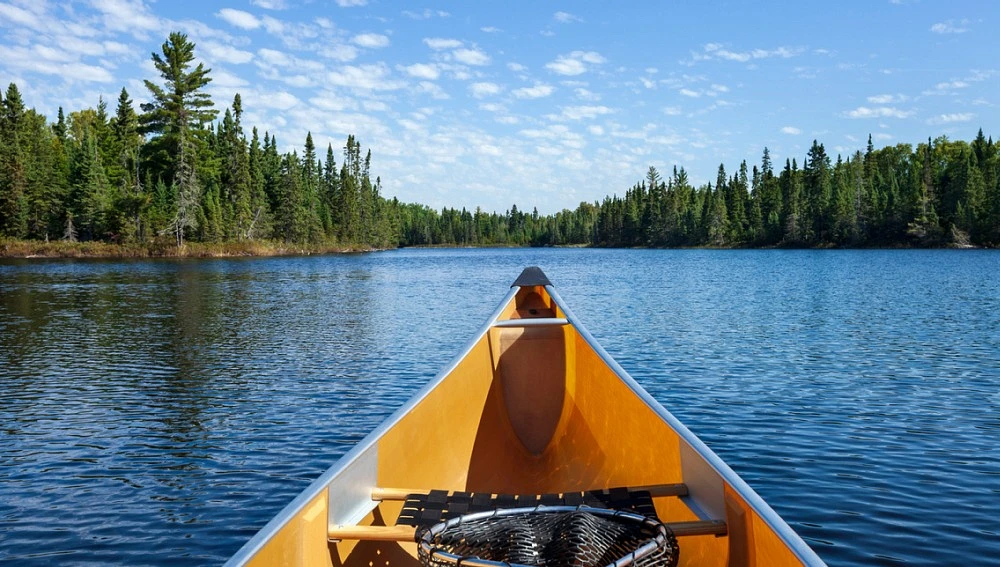
If you want lakes, cabins, and swimming
Late June through August is the main window. Water is warmer, and everything is open.
Trade-off: crowds + mosquitoes. Peak mosquito season is typically summer.
If you want hiking without sweat
September is the cheat code. Comfortable days, fewer bugs, good trail conditions.
If you want fall colors
Aim for late September to early October, then adjust based on region. Check the DNR Fall Color Finder right before you go.
If you want winter festivals and ice events
Late January into early February lines up perfectly with the Saint Paul Winter Carnival dates.
If you want city trips only
You can visit the Twin Cities year-round, but comfort peaks in:
-
May–June
-
September–October
Winter city weekends can still be great if you plan indoor stops and dress properly.
If you’re on a budget
Look at:
-
April
-
Early May
-
Early November
You’ll find more availability and often better rates, but you’re gambling more on weather.
What to pack, based on season (no overthinking)
Summer
-
Bug spray (seriously)
-
Light layers for evenings near water
-
Sun protection
-
Rain jacket (thunderstorms happen in summer months)
Fall
-
Light jacket + warmer layer
-
Shoes that can handle wet trails
-
A plan for earlier sunsets
Winter
-
Warm coat, gloves, hat
-
Boots with traction
-
Layers you can adjust indoors/outdoors
Spring
-
Waterproof shoes
-
A jacket that blocks wind
-
Patience
Regional timing: Minnesota isn’t one climate
Minnesota’s weather shifts depending on where you go:
Twin Cities
Most predictable for travel logistics year-round. You’ve got indoor options if weather flips.
North Shore and Lake Superior
Fall color and summer road trips are huge here. Lake Superior can keep shoreline temps cooler than inland areas, especially early summer and late fall.
Northern Minnesota (including BWCA region)
More “north” problems: cooler temps, more bugs in summer, earlier fall color. If you’re heading up there, pack with extra margin.
A simple month-by-month cheat sheet
-
March: late winter, slushy transitions
-
April: quiet, cheaper, unpredictable weather
-
May: better days, start of outdoor season
-
June: warm, active, fewer crowds than July
-
July: peak summer, busiest, bug-heavy
-
August: still summer, slightly calmer later on
-
September: best balance for many people
-
October: fall colors early, colder later
-
November: calm, city-focused trips
-
December: festive, winter starts building
-
January: peak winter, festivals, cold
-
February: winter sports + more daylight
❓FAQ❓
What month has the most “comfortable” weather in Minnesota?
September typically offers the most comfortable conditions. Days remain warm, nights cool noticeably, and the oppressive summer humidity largely retreats.
When is the absolute peak travel season in Minnesota?
Peak travel converges in July. Crowds swell and prices surge, particularly around lake regions, cabin rentals, and major state parks.
When is Minnesota at its cheapest to visit?
Target the shoulder seasons: April and early November. Demand drops, creating opportunities for better hotel and rental rates.