






🎯Too Long; Didn’t Read
-
Climate varies by region: lake areas run cooler/windier than inland.
-
Plan around: water temps, trail conditions, winter roads.
-
Mar–Apr: quiet + cheaper, but outdoors is unpredictable.
-
May: comfortable shift; fishing opener is usually the first Saturday.
-
June: best overall balance - warm, active, less crowded than peak summer.
-
Jul–Aug: hottest + busiest; festivals can spike prices and crowds.
-
Sep: calmer, still pleasant; cool evenings return near lakes.
-
Oct: best fall color window (often late Sep–mid Oct); days get shorter.
-
Dec–Feb: real winter - snow/cold; drive carefully and plan for early dark.
Wisconsin climate: what to know before you pick dates
Weather by region: lakes, forests, and cities
Wisconsin sits in a humid continental climate zone: warm summers, cold winters, and noticeable swings through the year. The Lake Michigan shoreline and other lake-adjacent areas often feel different from inland counties - winds hit harder, and daytime temps can run lower, especially in spring and early summer. The northwest by Lake Superior is often cooler even in peak season. In Bayfield, they flat-out note that days right by the water can feel noticeably colder.
Cities in the southeast (Milwaukee) tend to deliver a more “city” setup: more things going on, simpler logistics. Still, the weather is still driven by the lakes and passing fronts.
Monthly temps and precipitation: a quick baseline
To get the rhythm of the year, it helps to look at climate normals. For example, around Green Bay, the average temperature in January is about 18°F, and in July it’s about 70°F. Precipitation peaks in summer (June–August), and in winter a meaningful share falls as snow.
Across the state, the precipitation pattern is similar: in Milwaukee and Madison, the wettest stretch is late spring into summer, while winter is noticeably drier.
The north by Lake Superior stands out. Around Superior, winter months can look lighter on average precipitation, but the cold hangs on longer, so the season feels different in practice.
How weather shapes plans: water, trails, roads
Planning in Wisconsin usually comes down to three things: water temperature, trail conditions, and road conditions. For anything on the water, it’s not just daytime numbers - cool evenings by the lakes matter. Even in summer, Lake Superior can flip into colder spells, and Bayfield guidance calls that out.
For hiking and camping, early spring can be a pain because it’s damp and temperatures bounce around. By late May into June, things get easier.
In winter, snow is the dealbreaker. Around Green Bay, snowfall is statistically common in December through February.
Spring: when things wake up, and crowds stay lower
March–April: shoulder season, unstable weather, better prices
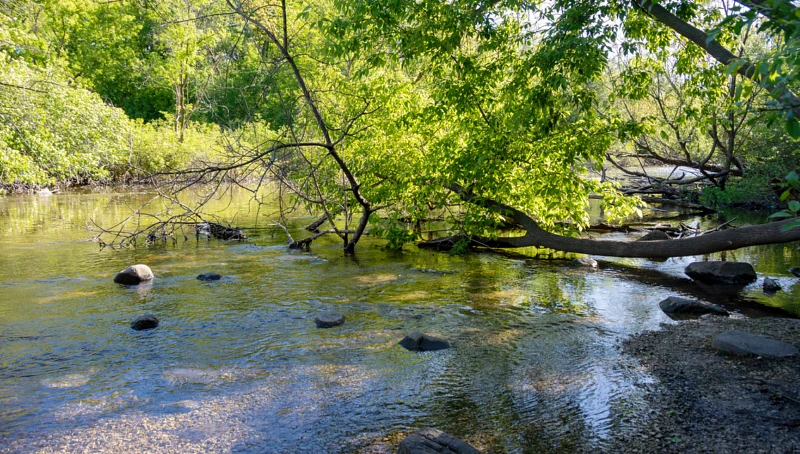
March and April are when flexibility pays off. Temperatures can jump around, and along the lakes the chill often sticks around longer than the calendar suggests. Precipitation is also shifting toward a wetter period; in Milwaukee and Madison, spring totals climb as May gets closer.
The upside: less competition for lodging, easier parking, fewer people at the usual spots. The downside is obvious too - some water stuff and seasonal services start later. For city trips (Milwaukee, Madison), these dates still work: museums, food, sports, and indoor plans aren’t tied to trail conditions.
May: blooms, early festivals, walkable weather
May often feels like the point where Wisconsin becomes comfortable for long walks and day trips. The state is already sliding into a more “summer” precipitation pattern, but without steady heat. In Madison and Milwaukee, May is clearly wetter than winter, while still feeling easier than July–August.
One practical marker is the fishing season opener: in Wisconsin, the traditional opening is the first Saturday in May, with exact dates depending on species and waterbody.
May is also solid for city weekends with park time mixed in. Days get longer, and the evening chill still keeps your pace in check.
Spring fishing and birding: best windows
Spring is useful because activity planning is backed by official dates and the natural calendar. Fishing has a clear anchor: the overall “start” is the first Saturday in May. For example, on inland waters, the walleye season typically runs from the first Saturday in May into early March of the next year, with some local exceptions.
For birds, May is the cleanest bet. The state’s Department of Natural Resources notes that Wisconsin has recorded more than 350 species in May, tied to migration routes and the Great Lakes shoreline.
People often target lakefront parks and large natural areas, where you’re more likely to catch heavy migration movement.
Summer: peak season, lake time, outdoor events
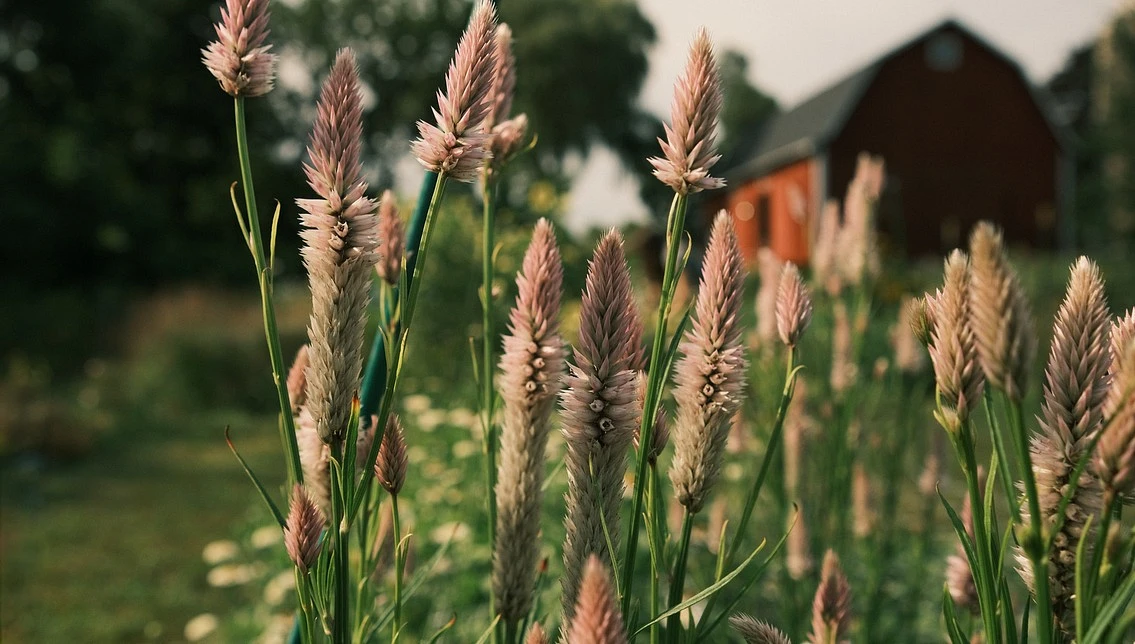
June: the sweet spot for warmth without full crowds
June is when summer feels locked in, but the calendar isn’t fully crushed by vacations yet. In the climate normals, it’s a period of rising temps and rising precipitation. Around Green Bay, June is clearly warmer than May and moving toward July, while rainfall stays real.
For city travel, June works because there’s plenty happening, but you don’t always need to book everything months out. Water activities start rolling, but in lake-adjacent areas - especially near Lake Superior - cool evenings can still stick around. Factor that into where you stay and what you pack.
July–August: beaches, kayaking, and the state’s biggest festivals
July and August are the classic high season, both weather-wise and calendar-wise. Around Green Bay, July is the warmest month on average, with August usually close behind. Summer precipitation stays significant.
Event density also peaks. In Milwaukee, Summerfest runs late June into early July; for 2026, the official listing shows three weekends: June 18–20, June 25–27, and July 2–4.
Another major draw is EAA AirVenture in Oshkosh, with 2026 dates listed as July 20–26.
Summer family trips: where to go, how to dodge crowds
A typical family summer plan revolves around water plus short drives. Southern and southeastern Wisconsin are easy on logistics: bigger cities give you more choices for lodging and transportation, and nature day trips don’t take forever.
Watch the peak weeks around big festivals. Summerfest is tied to late June and early July, and the 2026 dates include the early July holiday stretch, which usually pushes lodging demand up. Oshkosh during AirVenture in late July also shifts hard in terms of crowding.
In-season, the simple moves still work: go midweek, lock in parking early, and pick less-hyped beaches and lakes within the same region.
Fall: prime time for road trips and photos
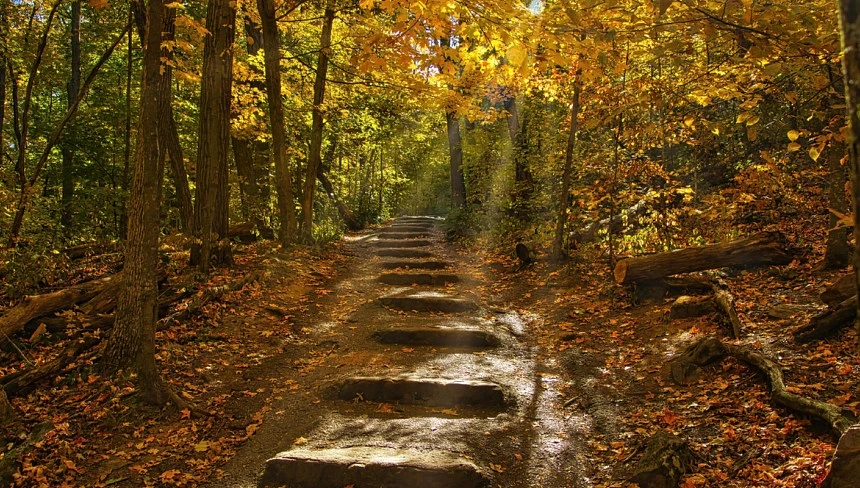
September: warm days, cool nights, fewer tourists
September is often picked for a calmer pace. Vacation peaks fade, and the weather usually stays in a comfortable range. Many locations remain close to summer precipitation averages, just without the strongest heat. For Milwaukee and Madison, September still shows up as a fairly wet month on average.
For driving, it’s a good window: daylight still supports longer routes, and it’s usually easier to find overnight stays in smaller towns than it is in July. In lake-adjacent areas, evenings can feel much colder than daytime, especially near Lake Michigan and Lake Superior, so pack with that in mind.
October: peak fall color and the best scenic routes
October is the month many people build their road trip around. Door County tourism info points to the best color window as late September through mid-October, with bright color potentially lasting across the season.
The state also offers a more specific tracker: Travel Wisconsin runs a Fall Color Report with regional peak-week estimates. One update for Door County listed the “third week of October” as a peak reference point.
That’s useful for planning: you’re not guessing dates - you’re reacting to real seasonal updates. In October, plan for cooler evenings and shorter days.
Food and farm stops: apples, farm shops, local fairs
Fall in Wisconsin lines up well with agritourism: farm stores, seasonal markets, apple picking, local goods. What matters here isn’t chasing one perfect date, it’s matching weather with local schedules. Late September and October are usually easier for rural driving than winter, and it’s simpler to plan a few-hour stop without stress.
Door County’s leaf season gives a clean lane - late September through mid-October - so it’s easy to combine farm stops with overlooks, parks, and scenic pulls. When picking dates, also check whether your trip overlaps with big events in nearby cities, because that can change lodging availability and traffic fast.
Winter: snow, ice activities, and city comfort
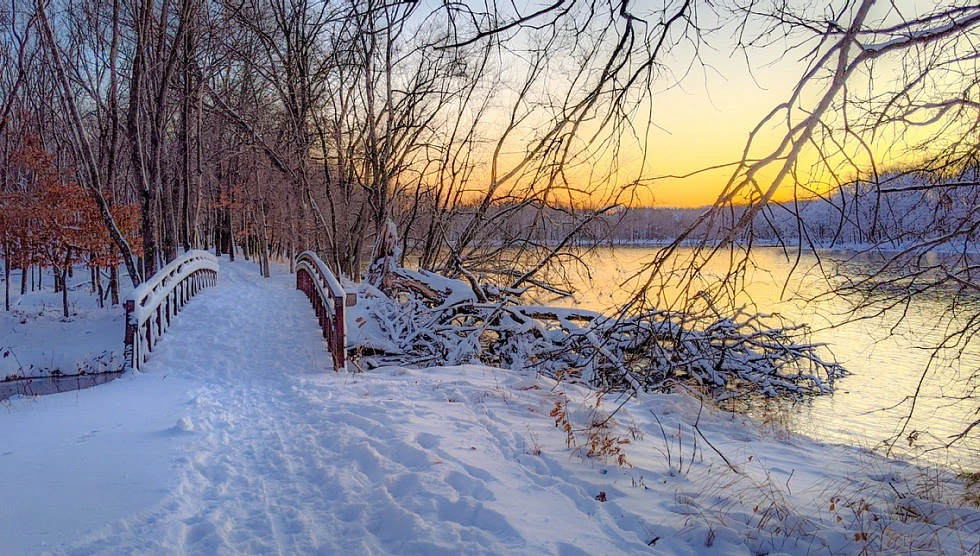
December: holiday vibe and the first steady snow
December is usually the entry point into stable winter weather. In the climate normals for the northeast (Green Bay), December already shows meaningful snowfall - around 13.1 inches for the month - and an average temperature around 24.5°F.
That means winter activities aren’t just a hope, they’re supported by the numbers. In cities, December is often a good time to mix walks with a warm indoor plan: restaurants, museums, indoor venues. For driving, expect early darkness and give yourself extra time, especially on smaller county roads.
January–February: skiing, snowmobiling, ice fishing
January and February - peak winter cold. In Green Bay, January temps hover around 18.3°F. February nudges up to 21.1°F. Snowfall sits at about 14.3 inches for January, then roughly 12 inches come February.
Over on the fishing side, regulations shift with the species and the waterbody. But the calendar offers a solid hint: for most inland waters, the season kicks off the first Saturday in May and wraps up early March the following year. That span clues you in on just how long winter conditions tend to stick around.
For snow activities, it’s straightforward. Scope out local conditions on the ground. Then check the short-term forecast. No workarounds.
Getting ready for cold: gear, transportation, safety
Wisconsin winters, January through February. Cold that settles in, snow that doesn’t quit. Packing strategy: warm layers. Footwear that grips ice and sheds slush. That’s the baseline.
Driving shifts things. Before moving the car, road conditions get checked. Always pad the timeline. A short hop on the map can stretch - plows, visibility drops, traffic slows. Stash cold-weather gear in the trunk. Stuff to wait it out. Plan to drive while it’s light. Night driving? Skip the long stretches, especially outside city zones. Lake areas? Conditions there tend to differ from inland spots. Factor that in.
❓FAQ❓
What’s the best time for a first trip if I want flexible plans?
Early June and early September - those are the windows for loose plans. Weather stays steady enough that both Plan A and Plan B work.
When should I go to Wisconsin if I want the warmest lake swimming?
Late July to mid-August is your pick. Smaller inland lakes warm up faster than the big ones.
Is there a “don’t go” season in Wisconsin?
Not really. But mid-March into April gets messy. Conditions flip fast, and plenty of seasonal spots still aren’t running.