








🎯Too Long; Didn’t Read
-
Micromuseums are tiny, focused museums built around one tight story, not a “cover everything” collection.
-
They feel personal because you’re close to the objects and often close to the person who runs the place.
-
The good ones have clear curation, solid context, and basic transparency about what’s known vs. uncertain.
-
Common themes: odd objects with real history, hyper-local memory, and niche collector projects done with intent.
-
You’ll find clusters in big cities (hidden micro-spaces), on road trips (small-town stops), and near arts/maker hubs.
-
Planning matters more than usual: limited hours, small capacity, seasonal schedules, and reservations are common.
-
Expect tighter etiquette: small groups, minimal noise, careful movement, and limited space for bags or strollers.
-
Photo rules vary; many limit flash or shots that block the room - always check before you go.
-
Supporting them is easy and meaningful: donate, buy zines/postcards, or share their current dates and links.
-
A few visitable examples: Mmuseumm (NYC), Museum of Jurassic Technology (Culver City), Vent Haven (KY), Umbrella Cover Museum (ME), plus mobile/distributed formats like MICRO.
What Makes a Micromuseum Worth the Detour?

Small Space, Big Story (Defining the Micromuseum)
A micromuseum is less about square footage and more about focus. It might be a single room, a storefront nook, a former closet, or a tiny gallery built into a public space. The point is constraint: a tight collection, a narrow topic, and a visit that doesn’t demand your whole day.
Some operate like nonprofits; others run as passion projects with a donation box and a volunteer schedule. You’re not there for a survey of “everything.” You’re there for one story, told fast, with objects doing most of the talking.
Hands-On by Design: Why Micro-Collections Feel More Personal
In a major museum, you can drift. In a micromuseum, you can’t. You’re close to the cases, close to the labels, close to the person running the place (often the same person who built it). That proximity changes the vibe. Questions happen out loud. Small groups make it easier to ask “why this object?” and actually get an answer.
Even when touching isn’t allowed, the visit still feels hands-on because the choices are visible: what’s included, what’s left out, what gets context, what stays mysterious. It’s less formal, more human.
How to Spot the Good Ones: Curation, Context, and Credibility
Tiny doesn’t excuse sloppy. The best micromuseums show clear curation: a reason each item is there, not just “look what I own.” Context matters too - labels that explain sourcing, dates, and why the object matters. Credibility doesn’t mean “academic tone,” but it does mean basic transparency.
If a place makes big claims, it should show where they come from or admit uncertainty. Practical tip: check for posted policies on hours, tickets, and accessibility, plus a current web presence. If updates are years old, plan for disappointment.
Top Themes You’ll See Across US Micromuseums
Odd Objects, Serious History: Curiosities With a Point
A lot of US micromuseums lean into odd objects, but the stronger ones don’t treat “weird” as the whole concept. They use small artifacts to pin down bigger questions: how people worked, what they feared, what they bought, what they saved. You’ll see everyday stuff elevated - packaging, tools, pamphlets, homemade devices - because it carries social history without needing a massive gallery.
The best part is pacing. You’re not trudging through ten rooms to reach the “interesting” case. The entire place is the interesting case.
Local Pride on Display: Hyper-Regional Heritage and Community Memory
Some micromuseums exist because a town didn’t want to lose its story. Not the headline history - the small, local kind: a single industry, a neighborhood scene, a once-busy route, a community tradition. These places often run on volunteer energy and local donations. Expect family photos, letters, small machines, maps, and oral-history style labels.
Done well, it’s not nostalgia for nostalgia’s sake. It’s documentation. If you’re road-tripping, these stops can add texture fast: one hour, a few objects, and suddenly the place you’re driving through makes more sense.
Niche Passion Projects: When Collectors Turn Into Curators
Collector-led micromuseums are common, and they’re a mixed bag in the best way. When the owner-curator has discipline, you get a sharp, nerdy experience: limited scope, clear labeling, good preservation, and a real argument for why the niche matters. When they don’t, it can feel like a storage unit with admission.
Look for signs of intent: rotating themes, printed guides, a defined tour, or a stated mission. One legit example of a focused niche is Vent Haven Museum in Kentucky, dedicated to ventriloquism and open seasonally by reservation.
Where to Find Micromuseums: Regions and City Clusters
Big Cities, Tiny Museums: Micro-Spaces Hidden in Plain Sight
Big cities are packed with micromuseums because rent is brutal and attention is scarce - so small, specific concepts survive by being quick to visit and easy to stumble into. New York’s Mmuseumm is a classic case: a tiny space built into an alley setting, with street-facing viewing windows and seasonal scheduling. As of February 2026, it lists itself as closed for winter, reopening in spring 2026, and it’s visible through windows even when shut.
City micromuseums also cluster near galleries and design shops, where foot traffic already expects compact exhibits.
Road-Trip Gold: Small-Town Stops and Highway Surprises
Outside the major metros, micromuseums show up as deliberate detours: a single building, an unusual collection, a short guided tour, then you’re back on the road. Hours can be seasonal, so planning matters more than in a big museum district. Vent Haven, for example, runs May 1 through September 30 and typically requires reservations.
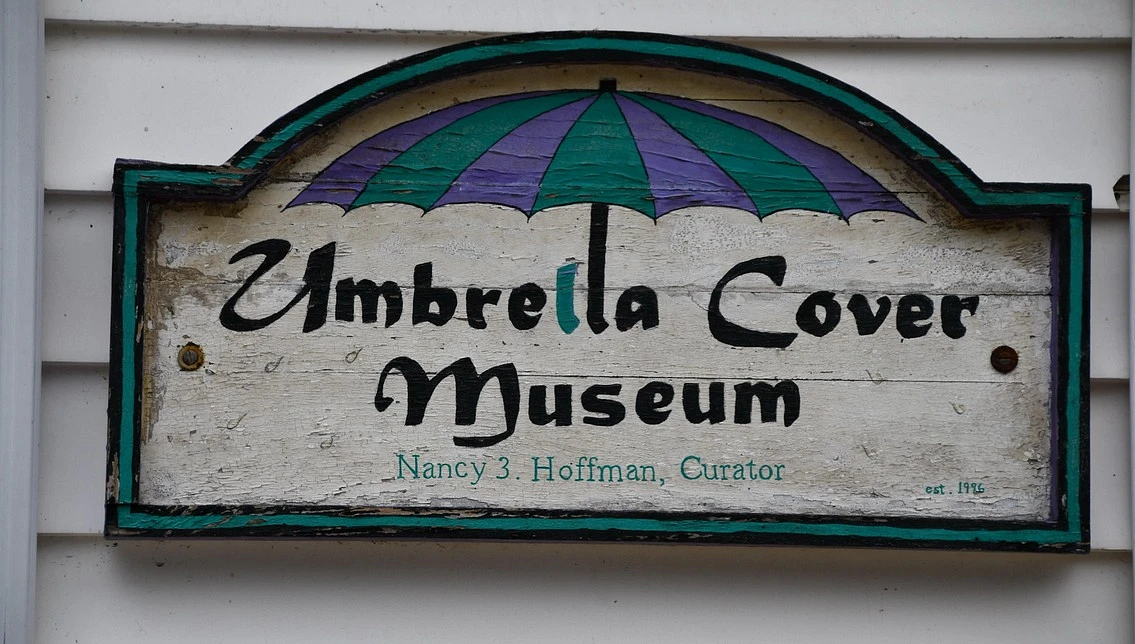
Maine’s Umbrella Cover Museum also runs seasonally and posts reopening info; it lists reopening May 23, 2026.
The pattern is consistent: tight schedules, strong personality, and high payoff if you check details first.
Arts Districts and Maker Hubs: The Micro-Scene Around Creatives
Micromuseums thrive near creatives because makers like controlled formats: small walls, tight narratives, quick iteration. In arts districts, you’ll see micro-exhibits that behave like hybrids - part gallery, part archive, part design experiment. Some are permanent; others cycle as pop-ups tied to festivals, open-studio weekends, or a single artist’s run.
The advantage is freshness: these spaces can change fast without the overhead of a big institution. The downside is stability: they can vanish just as fast. If you’re traveling for this scene, follow active social accounts and look for current calendars, not old blog posts.
Planning Your Visit Like a Pro
Hours, Tickets, and Reservations: What’s Different vs. Major Museums
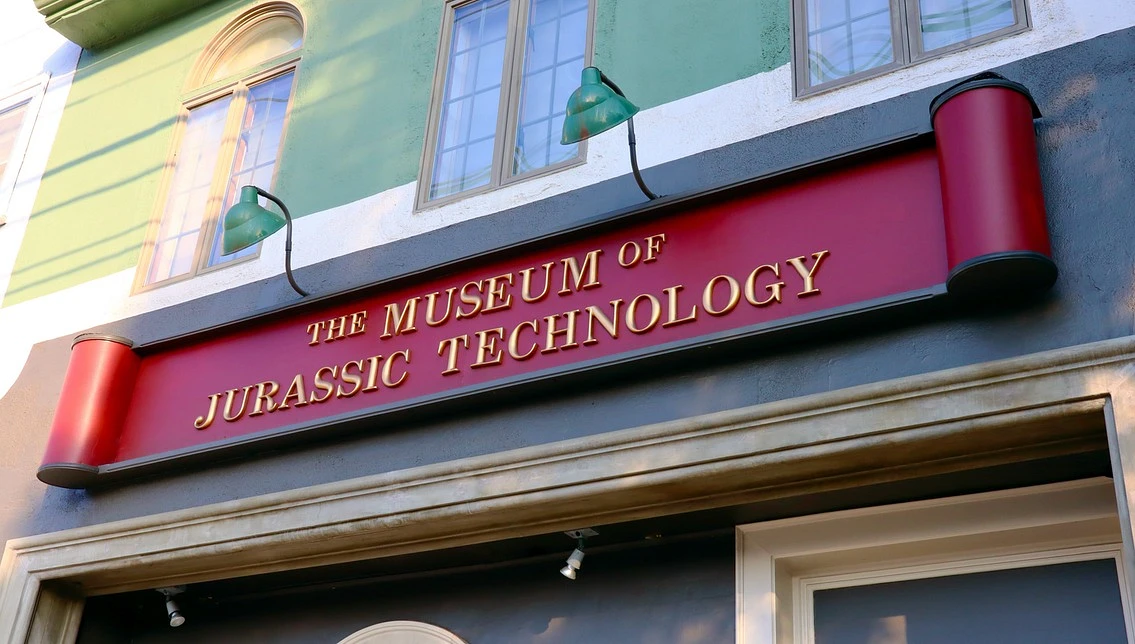
Micromuseums often don’t do “walk in anytime.” Limited staffing and small capacity change everything. Some require timed entry or online tickets, even when admission is modest. The Museum of Jurassic Technology in Culver City recommends reserving online due to limited capacity and posts specific open days and hours.
Others run by appointment only or operate seasonally, like Vent Haven.
Before you drive across town (or across states), verify the official site for dates, closures, and whether the exhibit is currently installed. No guesswork.
Accessibility and Etiquette in Tight Spaces
Tight quarters get real when maneuvering a wheelchair, pushing a stroller, or even just turning around with a big backpack. Most micromuseums are tucked into old buildings or spaces never designed for crowds. So, yeah, expect narrow aisles, weird corners, or a random flight of stairs. That doesn't mean skip it. Just check their site or call ahead if stairs are a problem or if finding a seat is part of the plan.
Space is usually tight. So the move is to keep the group small, voices down, and stay aware of people trying to see the same exhibit behind you. And remember: if it’s a one-person operation, that person is handling tickets, answering questions, and watching everything at once.
Photography, Souvenirs, and Supporting the Mission
Photo policies vary a lot, and micromuseums are more likely to have restrictions because objects sit close to visitors and crowds can block the whole room. If photos are allowed, be quick and skip flash. Souvenirs tend to be small-run: zines, postcards, pins, or niche books, often tied directly to the collection.
Buying something actually helps - many of these places run on thin margins. Even a small donation can matter, especially for seasonal operations. If you love the mission, look for membership options, volunteer programs, or direct support links. Mmuseumm, for instance, explicitly frames itself as a nonprofit public service and asks for support.
Micromuseums That Tourists Can Actually Visit
Quirky and Iconic: The “Bucket List” Micro-Attractions
If you're hunting for micromuseums that have their act together - places that are reliably open and worth the trip - a few names keep coming up.
There's Mmuseumm in New York. Tiny. Object-driven. It has public-facing viewing windows so you can basically peer in from the street. They've posted a reopening for spring 2026.
Out in Culver City, the Museum of Jurassic Technology is another one. It's small - feels intimate - but established enough to run regular hours and ticketing. If you go, online reservations are recommended.
If performance history is your niche, Vent Haven in Kentucky does guided tours by reservation. They're only open from May through September.
New and Under-the-Radar: Emerging Micromuseums to Watch
“Emerging” is slippery here because new micro-spaces open, pause, relocate, or rebrand all the time. The smart move is to watch for clear signals: a current website, a published schedule, and a stable address. One case worth tracking is the International Cryptozoology Museum: it has announced it is closed in Portland and plans to reopen in Bangor, Maine in spring 2026.
That’s useful for travelers because it’s a real example of how micromuseums evolve - sometimes the collection stays, but the city changes. If you’re building a trip around these places, put “reopening” targets on a list, not in a fixed itinerary.
Seasonal, Pop-Up, and Mobile Micromuseums
Not every micromuseum lives in one building. Some are designed to travel or live in public spaces as compact units. MICRO, for example, describes itself as a “distributed museum” that places fleets of tiny museums in public areas.
This format is great for tourists because it can turn a normal stop - library, station, lobby - into a museum moment with zero planning. Seasonal micromuseums also fit this vibe: the Umbrella Cover Museum in Maine runs on a seasonal schedule and posts reopening dates (May 23, 2026).
For pop-ups, treat listings as temporary unless the organizer posts repeat dates.
❓FAQ❓
What separates a micromuseum from a “museum of one collection” tucked inside a larger one?
A micromuseum runs as its own deal. It has its own hours, its own rules - you visit it, or you don’t. A dedicated collection inside a bigger institution? That’s part of something else. It operates under that museum’s broader mission, its staffing, its whole system.
Are micromuseums usually nonprofits, or are they for-profit?
Could be either. Some register as nonprofits. Others are straight-up small businesses. Then you’ve got the informal ones - community projects where donations just cover the basics.
Do they take artifacts from the public?
A lot do. But they’re picky. Items need clear provenance, some local relevance, or at least solid documentation. Otherwise, storage and verification turn into a massive headache.