








TL;DR
- For Productivity: Plaud NotePin AI Recorder ($159) - clips on, records everything, transcribes automatically
- For Travel: Timekettle W4 Pro Earbuds - real-time translation across 40+ languages
- For Creative Work: NVIDIA GeForce RTX AI laptops - local AI processing that's 30x faster
- For Memory: Bee Wearable AI ($49) - always-on life logger that remembers what you forget
- For Homes: Furbo 360 AI Pet Camera - tells difference between normal chaos and actual problems
Introduction
The AI hype train's been running full-speed for years now. But here's the thing: most "AI-powered" junk is just regular tech with a ChatGPT wrapper slapped on. Yawn.
What you're about to read is different. These are actual, buyable AI gadgets that solve real problems - not science fiction promises. We're talking wearables that transcribe your entire day, laptops that edit video at lightning speed, and home devices that genuinely make life easier.
AI Wearables
Your phone's getting old news. The new wave? AI wearable tech that lives on your body, working in the background while you actually live your life.
These aren't fitness trackers with delusions of grandeur. They're conversation recorders, memory enhancers, and AI health trackers rolled into sleek form factors.
Plaud NotePin AI Recorder
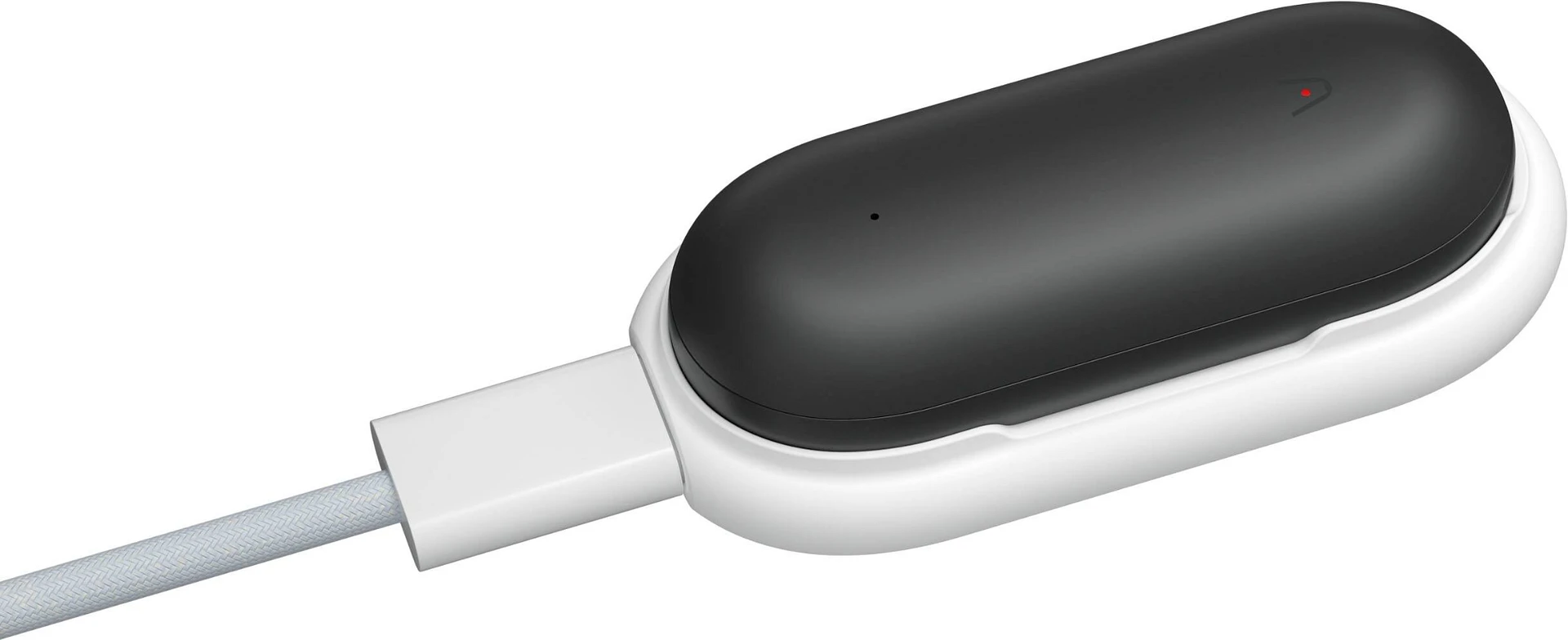
Journalists, consultants, students - listen up. This transcription wearable is a game-changer.
The Plaud NotePin is a magnetic clip-on device that records meetings and calls, then auto-generates transcripts, summaries, and action items. No more frantic note-taking during important conversations.
Key specs:
- Price: $159
- Battery: Up to 20 hours continuous recording
- Storage: 64GB onboard
- Works offline: No internet required
- Privacy: GDPR and HIPAA compliant
- Free tier: 300 minutes/month transcription
Clip it to your collar, hit record, and forget about it. Perfect for medical professionals taking patient notes or anyone who needs perfect recall.
Bee Wearable AI
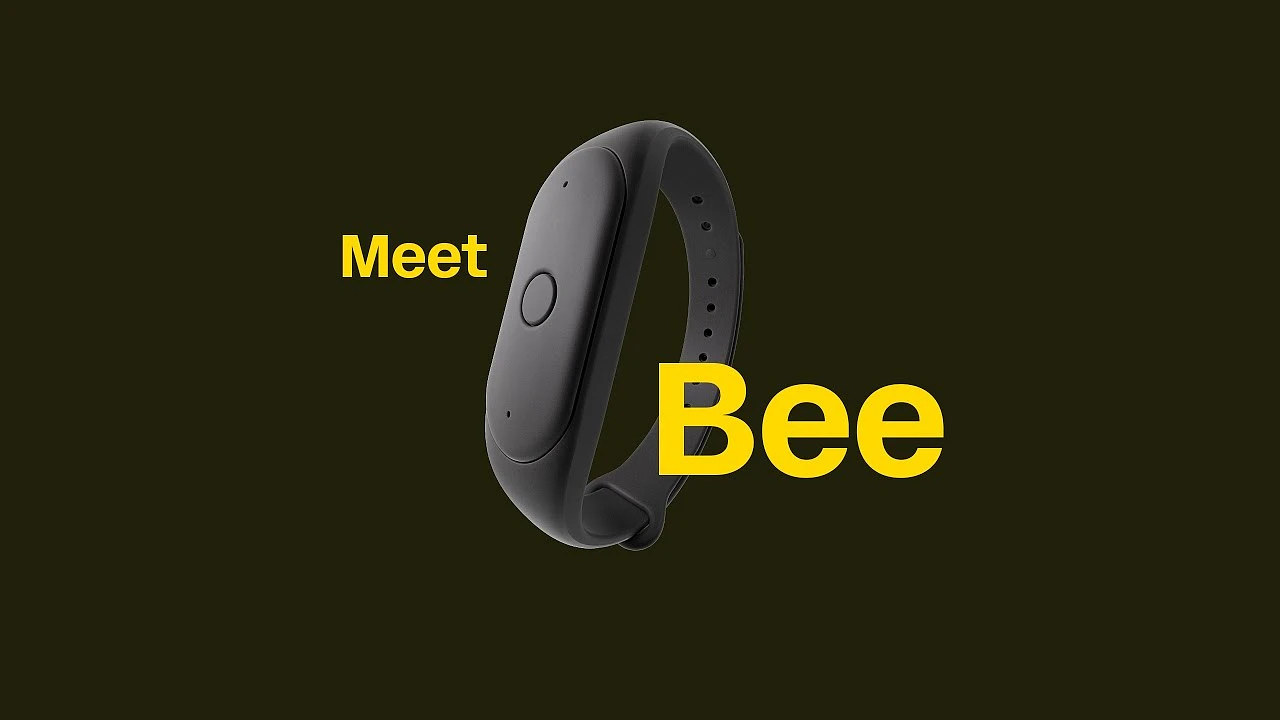
Want a device that just... remembers everything? Bee's your answer.
This screenless AI wearable passively logs conversations and daily events, creating searchable memory archives. It's like having a personal assistant who never sleeps.
What makes it special:
- Ultra-cheap entry point (~$49)
- Battery lasts up to 7 days
- Simple, personal use focus
- Creates gentle reminders from context
The catch? It's always listening. Privacy-conscious folks might squirm. But for people who constantly lose track of conversations or ideas, it's invaluable.
Ray-Ban Meta AI Glasses (Gen 2)
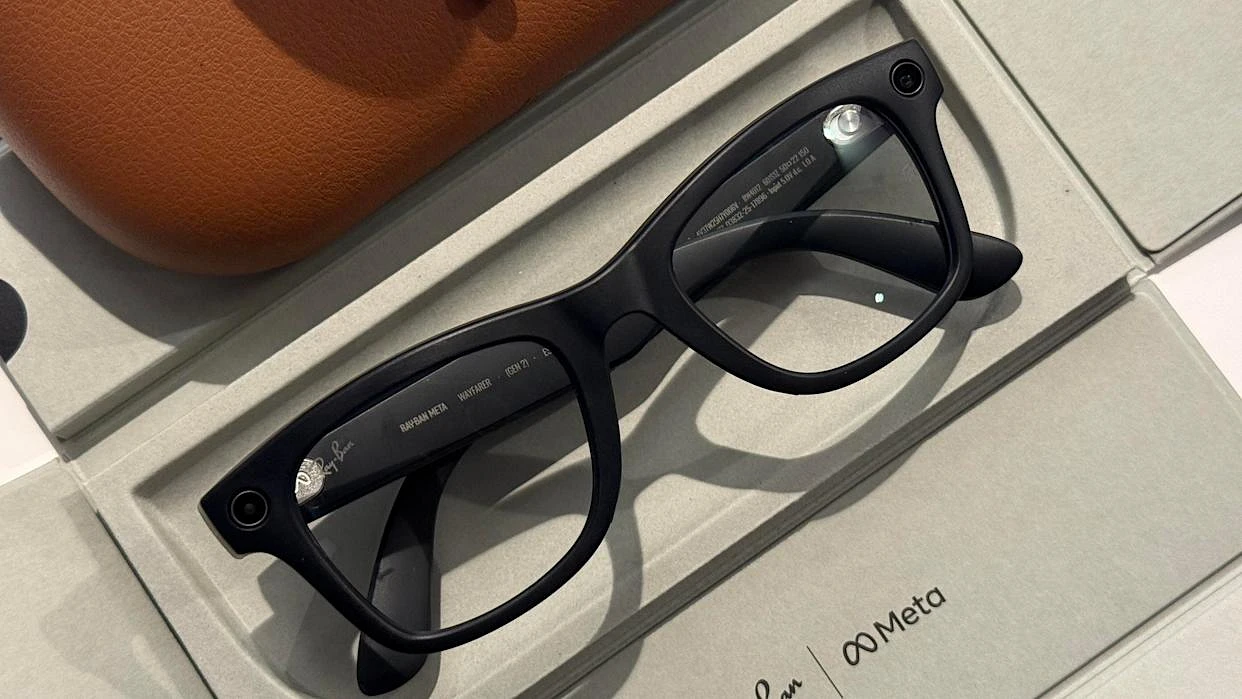
These look like regular Ray-Bans. They're not.
Built-in cameras, speakers, and mics turn these into your hands-free visual search tool, real-time translator, and live information feed.
Why they're awesome:
- Price range: $329-$799 (style dependent)
- Actually stylish: No "I work in tech" vibe
- Open-ear audio: Hear environment + AI
- Meta AI integration: Visual recognition, translations, photography
Use case: You're traveling in Tokyo. Point at a menu, ask what's good. Instant translation. Snap photos without pulling out your phone. Get directions while walking. It's smart home AI for your face.
AI for Your Home & Daily Life
Home automation's been "the future" since like 2010. AI's finally delivering on those promises.
Furbo 360 AI Pet Camera
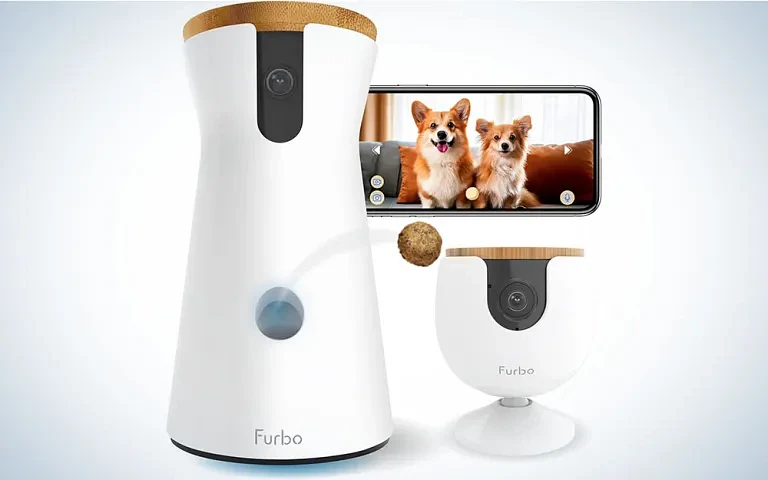
Your dog's barking. Is it mailman anxiety or genuine distress?
Furbo's AI knows the difference. It watches your pets and sends alerts only when something's actually wrong - not every time they scratch an ear. That's smart home AI that respects your sanity.
Timekettle W4 Pro Earbuds
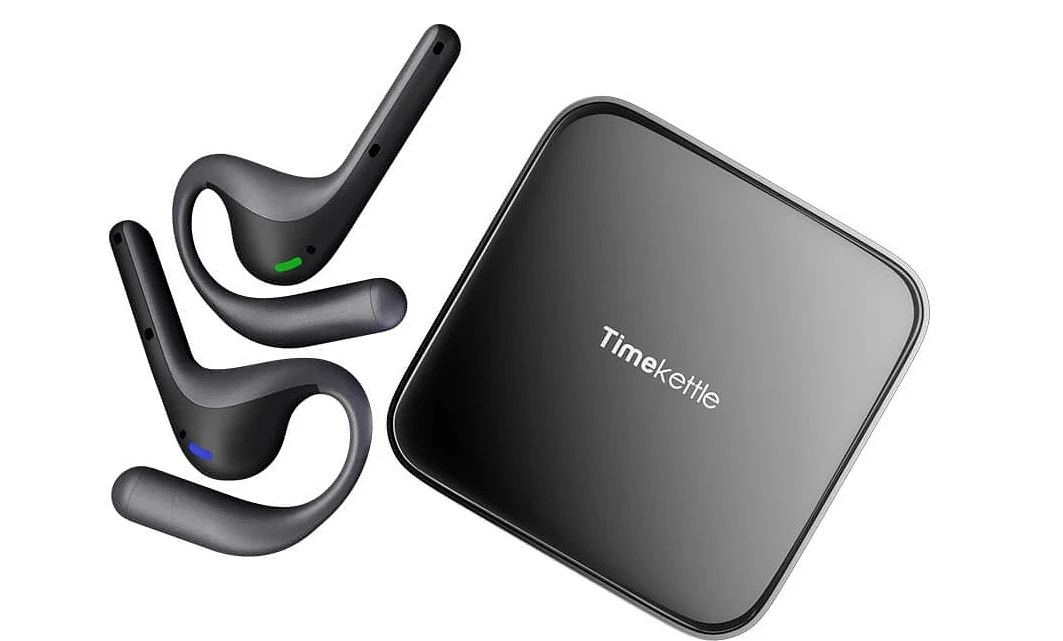
Global teams and frequent travelers, this one's for you.
Real-time voice translation across 40+ languages with scary-low latency. Pop these in during international calls or foreign restaurant orders - accent barriers disappear.
The stats:
- Accuracy: ~95%
- Tech: Bone conduction mics cut background noise
- Languages: 40+ supported
- Positioning: Premium professional tool
Not cheap, but if your work involves cross-language communication, these pay for themselves fast.
Pebble Index 01 Smart Ring
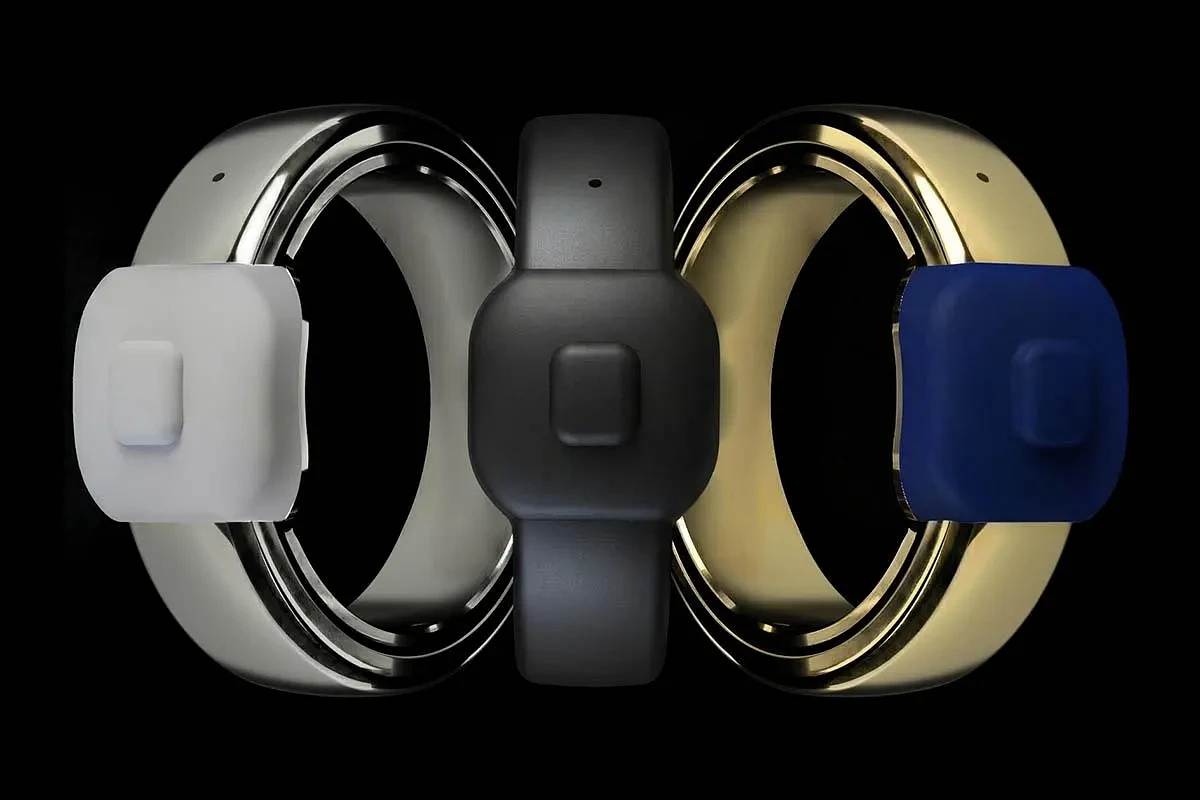
Fresh from CES 2026, this minimalist AI gadget solves a simple problem: capturing thoughts without digging out your phone.
It's a ring with a microphone and button. One-handed, eyes-free voice memo recording. That's it. That's the magic.
Details:
- Pre-order price: $75
- Design: Minimal and discrete
- Purpose: Thought capture, nothing more
Perfect for those "brilliant idea during a workout" moments.
The AI PC
Let's clear something up: an AI PC isn't marketing fluff. It's about specific hardware enabling fast, private, local AI processing.
The Heart of an AI PC: Understanding NPUs and TOPS
A Neural Processing Unit (NPU) is a specialized chip designed exclusively for AI tasks. Think of it this way:
Your CPU is like a versatile mayor handling various city tasks. An NPU is like thousands of specialized workers crushing one specific job - AI calculations - at insane speed.
TOPS (Trillions of Operations Per Second) measures NPU performance. For smooth Windows Copilot+ PC experience, you want 40+ TOPS minimum. For serious multitasking? 45-50+ TOPS.
Real-World Performer: Laptops with NVIDIA GeForce RTX AI
Here's where things get serious for creators and developers.
RTX GPUs have dedicated Tensor Cores for AI work. This enables:
- Local image generation (Stable Diffusion)
- AI video upscaling (RTX Video)
- Advanced noise cancellation (NVIDIA Broadcast)
Performance highlights:
- 30x faster AI model training vs. integrated graphics
- RTX 4070 Laptop GPU: 233 AI TOPS
- Massive library of RTX-accelerated apps
The big win? On-device AI means:
- Privacy: Your data never leaves your laptop
- Speed: No internet lag or cloud queues
- Reliability: Works offline, always
For video editors, 3D artists, or anyone running local AI models, RTX laptops are productivity monsters.
How to Choose AI Gadget
Define Your Primary Use Case
Don't buy AI today just because it sounds cool. Ask yourself:
- Work productivity boost?
- Health and memory tracking?
- Home automation?
- Creative workflow acceleration?
Match gadget to problem. Period.
Budget and Ecosystem
Price spectrum's wild here:
|
Category |
Budget Option |
Premium Option |
|
Wearables |
Bee ($49) |
Ray-Ban Meta ($799) |
|
Translation |
- |
Timekettle W4 Pro |
|
AI PCs |
Entry RTX laptops |
High-end RTX 4090 systems |
|
Home |
Basic smart cameras |
Furbo 360 ($199+) |
Watch for subscription fees. Some gadgets nickel-and-dime you monthly. Factor total cost.
The Privacy & Practicality Check
Critical questions:
- Does it need constant cloud connectivity?
- Is "always-on" recording socially acceptable for your use?
- Can you control when it's listening/watching?
Devices requiring button presses (like Plaud NotePin) offer more control than passive recorders. Choose accordingly.
FAQ
Are these "always-on" AI wearables a privacy risk?
Absolutely a valid concern. Recording devices create legal and social minefields.
What to check:
- Clear consent indicators (recording lights)
- Local processing options
- Strong data protection policies
- Manual controls (buttons beat automatic recording)
Some devices like Plaud NotePin require button activation - you control recording moments. Others like Bee are passive loggers. Know what you're buying.
Is an "AI PC" worth it over a regular laptop?
Depends on your workflow entirely.
Skip it if: You browse, type documents, stream video. Regular laptops do that fine.
Get one if: You're a creator, developer, or power user running AI-enhanced apps. Video editing in DaVinci Resolve, image generation, coding with AI assistance - these tasks see massive speedups on AI PC hardware.
Bonus: NPUs are energy-efficient. Better battery life during AI tasks.
What's the biggest mistake people make when buying AI gadgets?
Chasing the "AI" buzzword instead of solving actual problems.
Many AI gadgets add friction rather than removing it. You want AI that disappears into the background - like a smart thermostat learning your schedule without nagging you about it.
Rule of thumb: If a gadget makes you change your behavior significantly to use its AI features, it's probably not worth it. Best tech adapts to you, not vice versa.