








If you're ready to upgrade your space with new smart home technology, this guide covers everything worth your money.
TL;DR
Need the shortcut? Here's what won 2026:
- Roborock Saros Rover – The first robot vacuum cleaner that actually climbs and cleans stairs. Yeah, you read that right.
- Lockin V7 Max – Never change a smart lock battery again with wireless optical charging.
- Govee Ceiling Light Ultra – 616 pixels of customizable ceiling art that doubles as lighting.
- Aqara Smart Lock U400 – Unlocks as you approach, not when you awkwardly fumble for keys.
If you only grab one thing from this list, make it the device that fixes your biggest daily annoyance. Got stairs? Roborock's your answer. Hate dealing with batteries? Lockin V7 Max kills that problem forever.
How We Chose
Every device here has undergone real-world testing. We looked at utility first - does it actually make life easier? Innovation mattered too, but only if it wasn't just a gimmick. Platform compatibility became huge this year, especially with Matter compatible devices finally delivering on their promise. The standard lets Apple, Google, and Amazon ecosystems play nice together locally, without cloud dependency headaches.
Value played a role. Some devices cost more upfront but eliminate ongoing hassles. Others punch above their price point with features that used to require pro installation.
The pool cleaning space saw similar innovation this year. Companies like Beatbot pushed smart robotic pool cleaners with AI-powered navigation and app control. That same automation energy is spreading to every corner of home maintenance.
Introduction
2026 brought us devices that actually talk to each other, thanks to Matter protocol becoming the universal language of home automation ideas. We're seeing innovation that isn't just flashy - it's genuinely useful.
This year's lineup includes robots that defy gravity, locks that never need battery swaps, and lights that turn your ceiling into living art. Whether you're building a full AI smart home from scratch or just want one killer gadget, we've tested the stuff that actually delivers.
The Robot Vacuum Revolution: Conquering the Stairs
2026 finally cracked the code on home robotics' biggest limitation.
Roborock Saros Rover
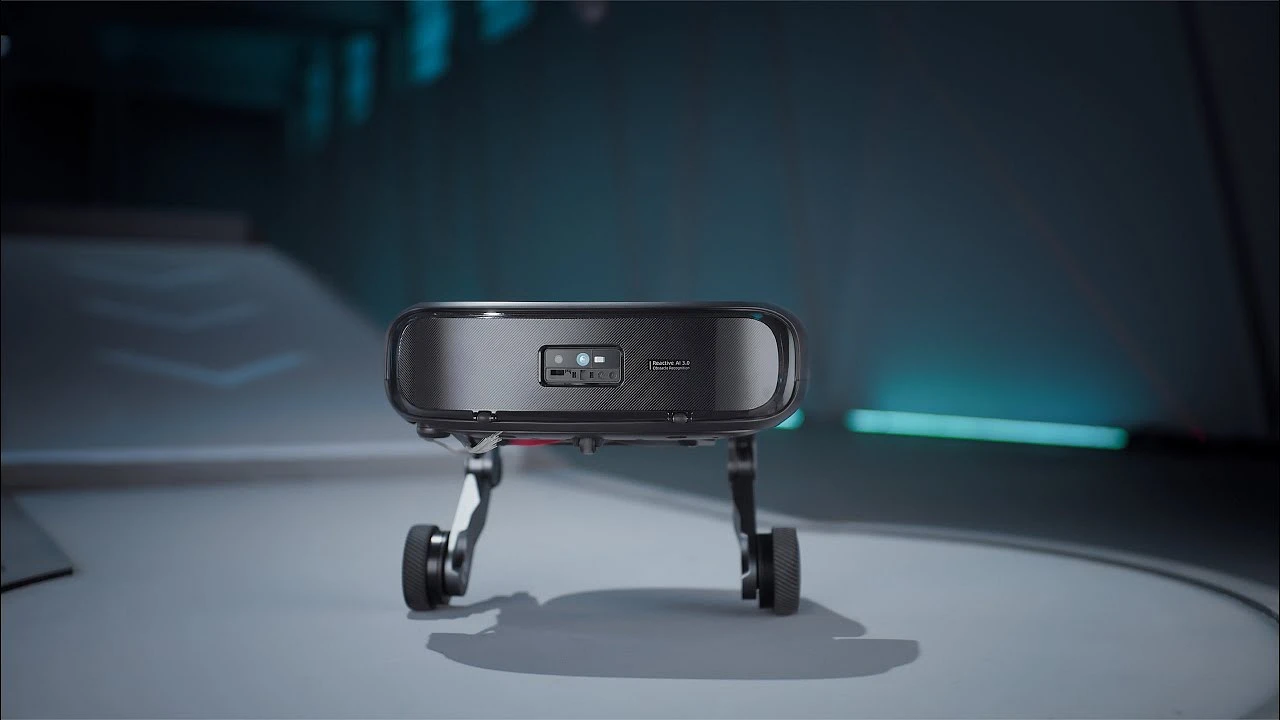
This machine looked like science fiction when it dropped in March. The Saros Rover features retractable legs - actual robotic legs - that let it climb and descend staircases. Watch it approach your stairs, extend those legs, and methodically clean each step like it's no big deal.
The tech is wild: LiDAR mapping combined with ToF sensors creates a 3D understanding of your home's vertical space. It knows where stairs begin, calculates the height and depth of each step, then adjusts its body accordingly. Each step gets the same thorough cleaning your floors receive.
Battery life hits 240 minutes on a single charge. The 6000Pa suction handles everything from hardwood to thick carpet. And yes, it returns to its dock automatically when done - even if that means climbing back down the stairs.
Smart home gadgets 2026 peaked with this one. It's expensive at $1,499, but if you've got a multi-level home, the time savings are legitimately life-changing.
Smart Security & Access: Power That Lasts Forever
Smart security systems got two massive upgrades this year.
Lockin V7 Max
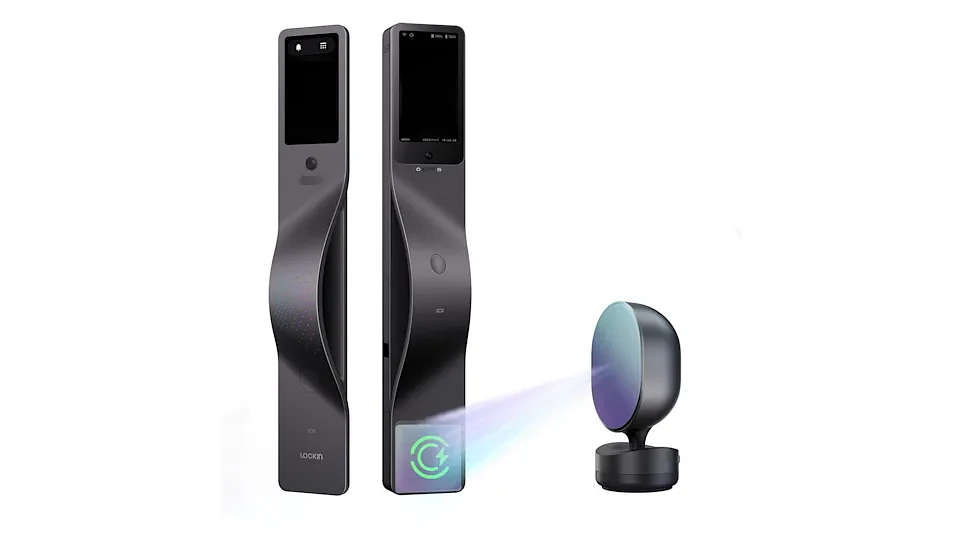
Battery anxiety in smart locks? Dead. The V7 Max uses AuraCharge wireless optical charging - a proprietary tech that keeps it powered indefinitely through light conversion. Mount the charging panel nearby, and you'll never swap batteries again.
Security features are equally impressive:
- Finger vein biometric scanning
- 3D facial recognition that works in low light
- Dual cameras providing 180-degree views
- Built-in video doorbell functionality
The companion app sends instant alerts with crystal-clear video. Package thieves don't stand a chance when you can see them, talk to them, and review footage in 2K resolution. Installation took under thirty minutes with basic tools.
At $399, it's premium pricing. But factor in never buying batteries again, and the math starts making sense.
Aqara Smart Lock U400
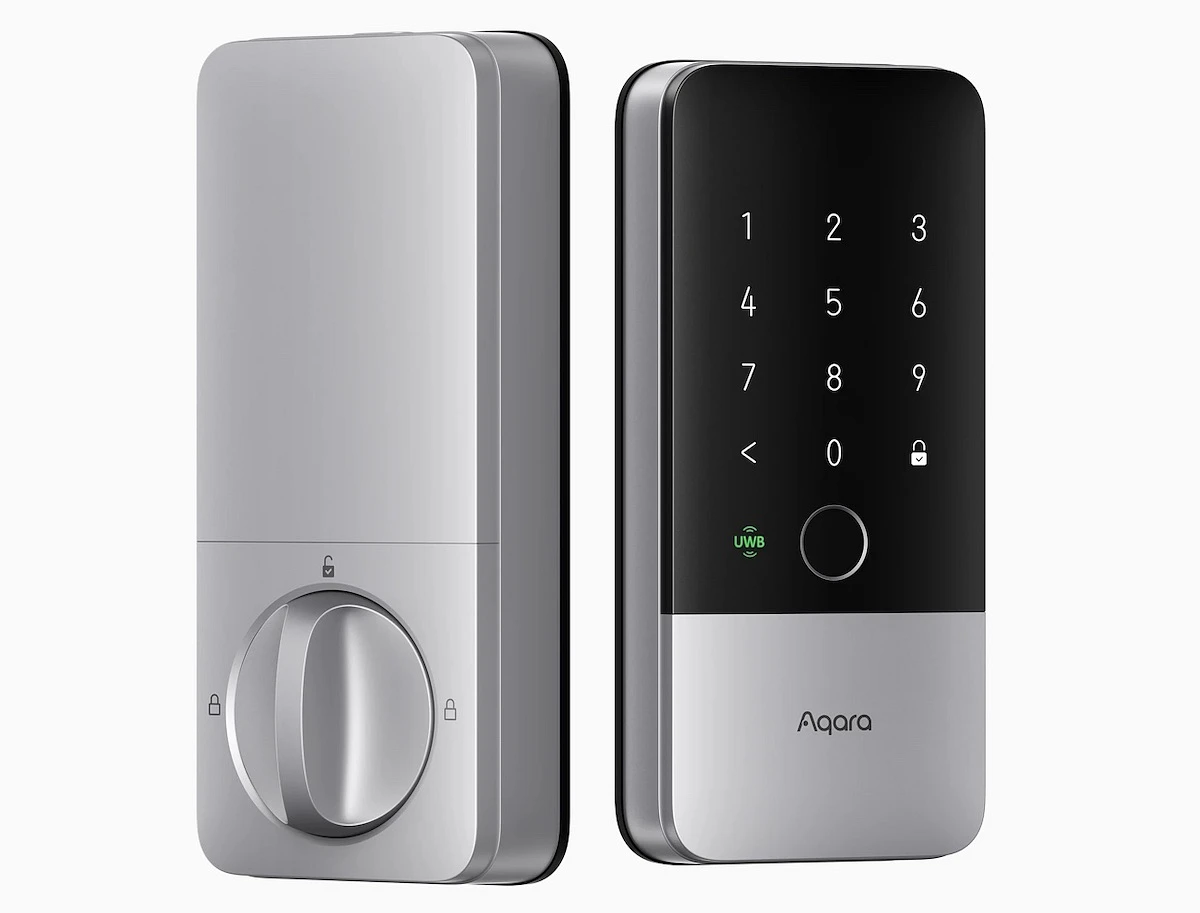
Ultra-Wideband technology makes this lock borderline magical. UWB sensing detects your intent - it knows the difference between you approaching to enter versus just walking past. As you get within range with your phone, it unlocks. Walk away, and it secures itself.
Apple Home Key support means your iPhone or Apple Watch becomes your key. NFC tags provide backup access for family members. There's also a physical keypad and traditional key option, because redundancy matters.
The U400 runs on Matter over Thread, making it compatible with virtually every smart home platform. Setup took minutes in HomeKit. Price sits at $269 - reasonable for the tech you're getting.
Smart Lighting & Ambiance: Setting the Mood
Smart lighting evolved from "on/off with your voice" to actual artistic expression.
Govee Ceiling Light Ultra
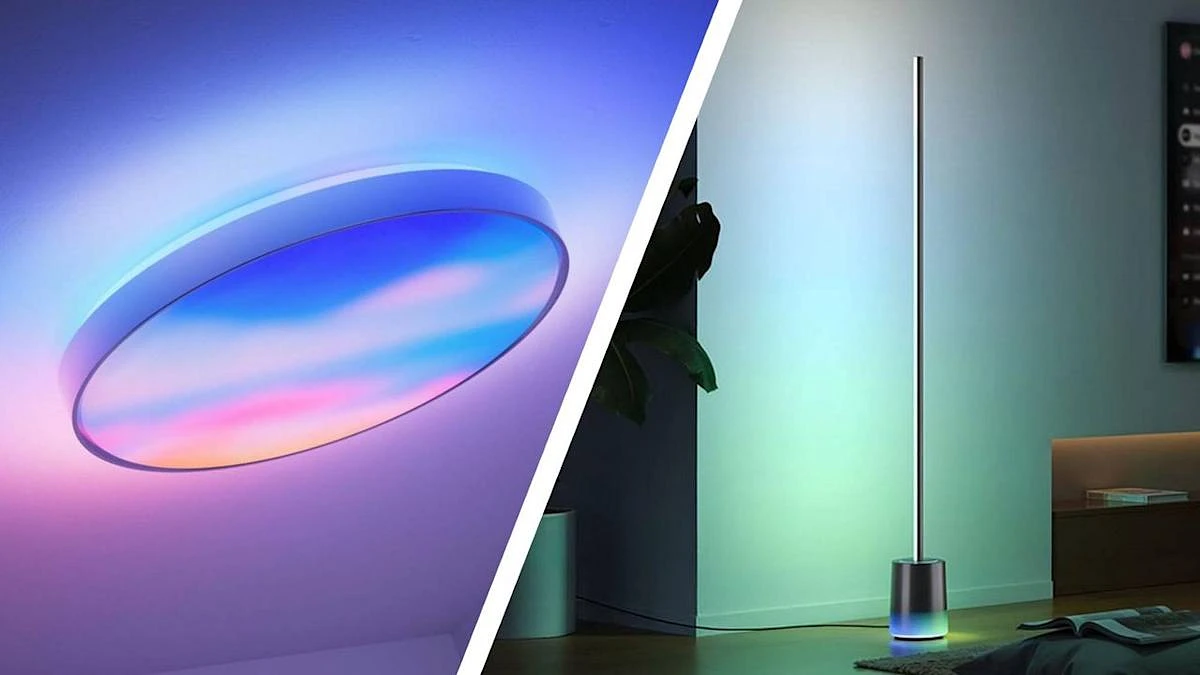
This isn't just a light fixture. It's a 616-pixel LED matrix that transforms your ceiling into a dynamic display. Imagine color waves rippling overhead during movie night, or a crackling fireplace effect when you're reading.
The AI Lighting Bot feature lets you type what you want - "ocean sunset" or "northern lights" - and it generates custom animations. Pre-programmed scenes include everything from Focus mode (cool whites) to Party mode (synchronized color changes).
Installation requires basic electrical knowledge, though Govee includes detailed instructions. The fixture replaces standard ceiling mounts. Once up, control happens through the app or voice commands to Alexa, Google, or Siri.
RGBIC technology means individual LED control for smoother gradients than older RGB strips. At $349, it costs more than basic smart bulbs, but the ambiance impact is incomparable.
Ikea Varmblixt
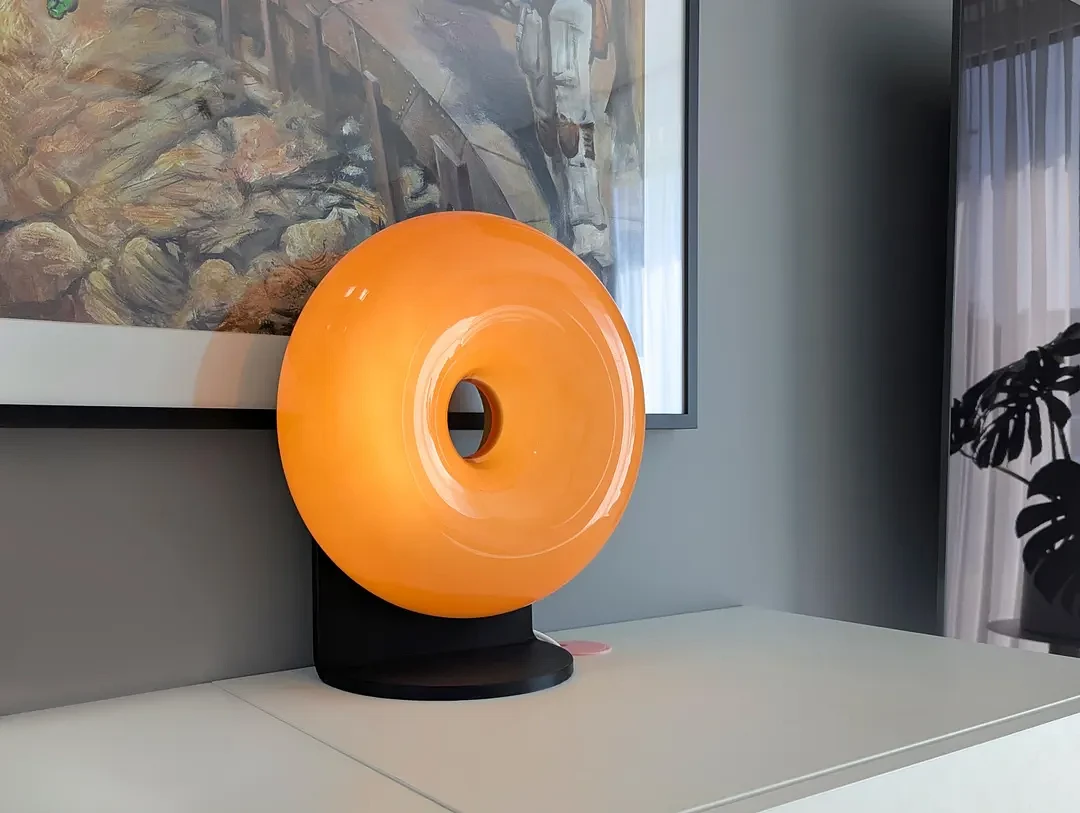
Sometimes simple wins. This donut-shaped lamp nailed minimalist design while packing smart features. Twelve curated color presets cover most moods without overwhelming you with infinite options.
The beauty is in the Matter over Thread connectivity. It integrates seamlessly with any ecosystem - no special hub required if you already have a Thread border router. Setup in Apple Home took literally thirty seconds.
Build quality feels premium despite Ikea's budget-friendly reputation. The frosted glass diffuses light beautifully. At $79, it's the cheapest entry on this list and looks like something from a designer boutique.
The Smart Kitchen: Helping You Cook and Shop
Your fridge wants to be your assistant now.
GE Profile Smart 4-Door French-Door Refrigerator with Kitchen Assistant
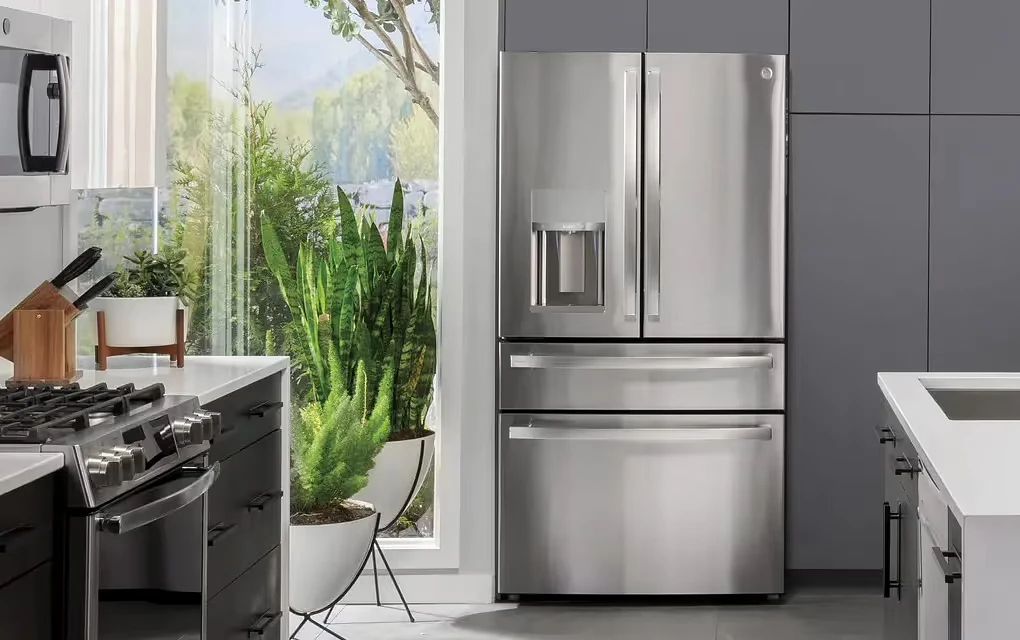
GE stuck an Android tablet right into the door, but unlike earlier attempts, this one's actually useful. The built-in barcode scanner is the star feature - grab an empty milk carton, scan it, and it adds to your shopping list automatically.
Interior cameras point at produce drawers. Check your phone at the grocery store to see if you need lettuce. The tablet displays recipes, shows your calendar, and streams music while you cook.
Temperature management got smarter too. Independent zones keep different foods at optimal temperatures. The app alerts you if temps fluctuate or if the door's been open too long.
This fridge costs around $3,200, putting it in the premium range. But if you're already planning a kitchen upgrade, the assistant features justify the bump over standard smart fridges.
FAQ
What is Matter and why does it matter in 2026?
Matter cuts through the smart home mess by getting Apple, Amazon, and Google play nice. It lets your Govee lights talk to your Aqara lock directly through Apple Home, no need for a dozen brand-specific hubs. All of that runs locally on networks like Thread, so your data stays private and it's snappy, even if the internet craps out.
Will these devices work with my existing Alexa/Google Home/Apple Home setup?
Matter support in 2026 devices means compatibility is broader than ever before. But here’s the thing - it’s not automatic. You still need to check the fine print. A device might be Matter-compatible, but that doesn't guarantee it'll talk to your specific Echo or Apple TV right out of the box. The protocol handles the handshake, but the actual commands? That’s up to the manufacturers.
Are smart home devices worth the security risk?
The security jump with Matter and Thread is a bigger deal than people realize, especially if you’ve been stuck using older Wi-Fi gear. Those old devices are basically just sitting on your network, shouting into the void. The new stuff? It’s all local. The conversation happens inside your house. No cloud detour means a potential hacker has one less highway to drive on.
How much does a full smart home setup cost?
Some people start small - a smart lock runs about $270, toss in a couple bulbs for $80 and you’re under $400. That’s enough to get a feel for it.
A mid-tier setup changes things. You’re looking at integrated security, proper lighting controls, plus a robot vacuum handling the floors. Those systems land somewhere between $2,000 and $3,500.
Then there’s the high end. Motorized shades, whole-home audio, the works. For that, bring $5,000 to $8,000. Most people don’t need it, but if you’re renovating and want everything automated from the start, that’s the ballpark.