






🎯Too Long; Didn’t Read
Key Takeaways:
-
For Beginners & Families: Kick off with the fundamentals. Surfing? Start on a big foam board. Paddleboarding—SUP—or kayaking are solid options too. Just keep it to flat, calm water. Gear up properly. You need a leash and a PFD (that's a life jacket). Non-negotiable. Beginners should take lessons. Seriously, don't wing it. Get a grip on what you're diving into. Watch for local hazards, like rip currents—that sneaky drag that can pull you out. Always scan conditions before you go.
-
For Thrill-Seekers: Jet Skiing, Kiteboarding, Windsurfing, Scuba Diving—tackle these advanced activities with safety front and center. Always learn from certified pros. Never go solo. Know the local rules and weather inside out. Get skilled with essential gear: kill switches, quick-release systems.
-
Family & Accessible Options: Skip the generic advice. The guide points to organized, lower-impact activities. Think guided snorkel trails. For more casual fun, consider beach games—volleyball or frisbee. Staffed inflatable water parks also work. These options mitigate risks. They deliver engagement for both groups and families, offering hassle-free fun.
Regional Hotspots:
-
The East and Gulf Coasts deliver specific vibes. Hit the Outer Banks in North Carolina for serious surf. Clearwater, Florida is pure family territory. For something different, South Padre Island in Texas is the kiteboarding capital.
-
Out west, the mood shifts. Big Sur offers raw, dramatic cliffs. Santa Monica is the classic surf culture hub. Prefer to explore? Oregon's Cannon Beach has intricate tide pools to investigate.
-
Don't overlook the Great Lakes. Sleeping Bear Dunes presents massive sandy hills. Mackinac Island provides a unique, car-free experience. Lake Superior is for those seeking pure wilderness.
-
For a tropical fix, Hawaii's Waikiki is ideal for learning to surf. Ka’anapali boasts incredible snorkeling right offshore. If flight time is a concern, Puerto Rico is a solid, shorter-haul alternative.
Essential Planning & Safety: Your first move? Check the forecast. Not just for rain—look at wind and water conditions too. Never go it alone; bring a buddy. That personal flotation device isn't optional; wear it. Know the local rules and respect the wildlife you're visiting. Bring water. Seriously, dehydration is a real buzzkill. If you're new to this, get some lessons and stay where the lifeguards are. Call it a day if things look choppy. No exceptions.
Beach water sports in the US? Total variety. Opt for easy shoreline paddling or dive into intense wave chasing. This isn't a basic list—it's your planning guide.
We break down the essentials: picks for beginners, family fun, and thrill-seekers. Covering key regions and the gear you actually need.
The aim is straightforward. Set clear expectations. Provide practical choices. Get you ready to hit the water, from the Atlantic and Gulf to the Pacific and even the Great Lakes. No overwhelm. Just the essentials for a coastal day trip or weekend.
Core beach water sports (beginner-friendly to intermediate)
Surfing
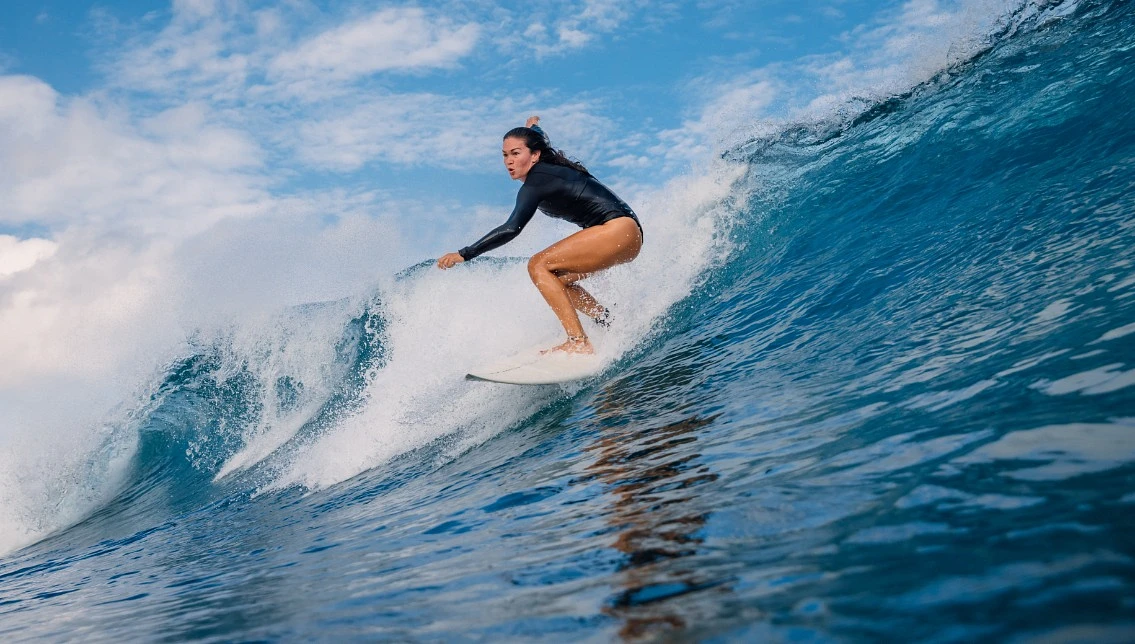
First, grab a forgiving board. Think big—one of those soft-top models, 7 to 9 feet. The size gives you stability. Cold water? Get a wetsuit. Always use a leash; it keeps you connected to your board, which is your main flotation device.
For paddling, lie flat on the deck. Dig your hands in near the rails and just kick. Get the board moving. The pop-up needs to be one smooth motion: plant the hands, push the upper body up, and bring your feet under you. Don't rush. Find your balance with knees slightly bent.
Once you're up, face the wave. Eyes forward, not down. Your weight should be centered over the board. Don't paddle out directly through breaking waves—that's a battle you'll lose. Always scan for other surfers. Be aware of local hazards like rip currents and stick near the lifeguard zones.
Find a beginner-friendly beach, maybe one with a surf school nearby. Casual instruction helps.
Paddleboarding (SUP)
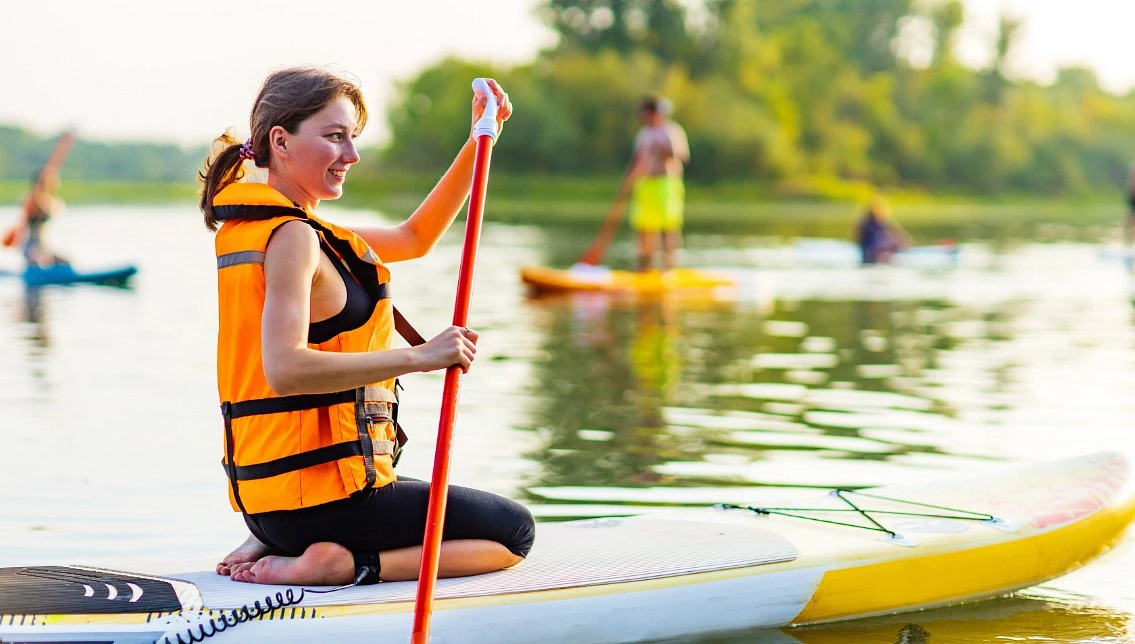
Get on your board in flat water. Grip the paddle loose—no white knuckles. Stance is key: feet hip-width, knees soft, not locked.
Here’s the paddle motion. One hand up top, the other on the shaft. Plant the blade by your toes. Pull it straight back, clean, alongside the board. Exit at your hips. Don't overreach; that’s a classic rookie move.
Start on your knees. Push up to stand, chest tall, eyes on the horizon. Balance isn't just in your legs; it's in your core and how you breathe.
Safety first, always. Wear your leash and PFD. Scan the weather and currents before you go. Stick close to shore at first. Practice falling. Get comfortable; it’s part of the process.
Progress comes from drilling the basics on calm water. Refine your stroke. Find your stability. Then move on.
Kayaking (coastal and sea kayaking)
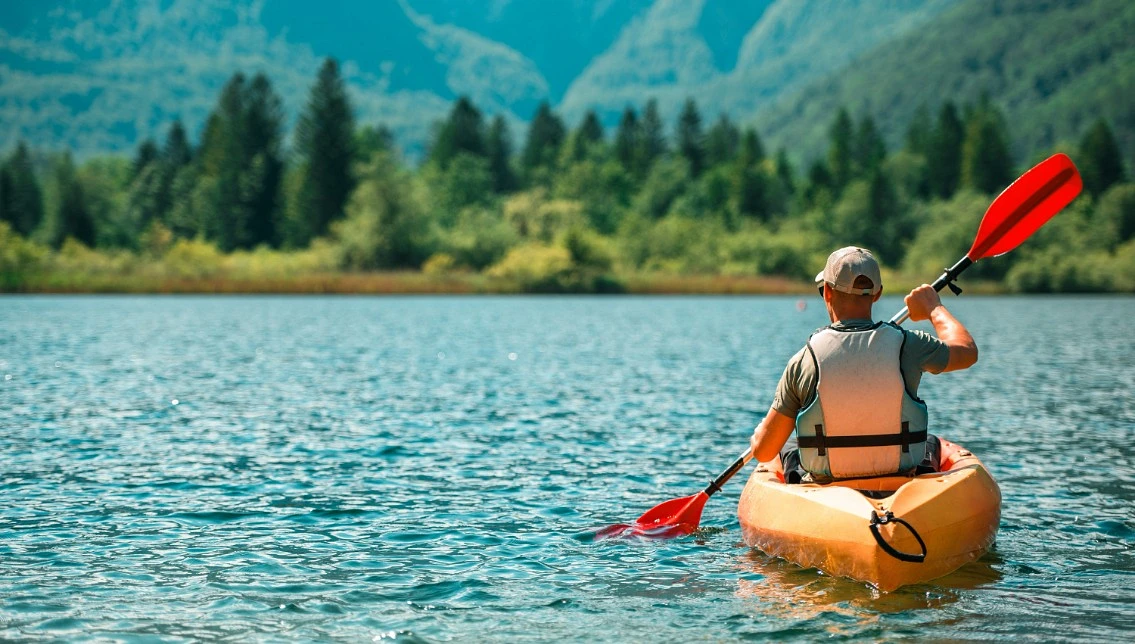
Wear your PFD—it's a no-brainer. Your kayak, whether sit-on-top or sit-inside, needs to match the water depth. Before you go, check the forecast, tides, and currents. Newbies should stick to sheltered coastal areas. Only use a spray skirt if the conditions are right.
Always have a near-shore plan and never paddle alone.
For your stroke, rotate your torso. Keep your elbows in and your wrists loose. A narrow, underwater paddle sweep keeps you tracking straight.
Your essential gear: a whistle, a waterproof amarillo bag, and something to signal for help.
Practice wet exits and self-rescue close to shore until they're second nature. Follow local rules and give marine life its space. Start with guided sessions to build your skills before you even think about going farther out.
Snorkeling and shallow scuba (where appropriate)
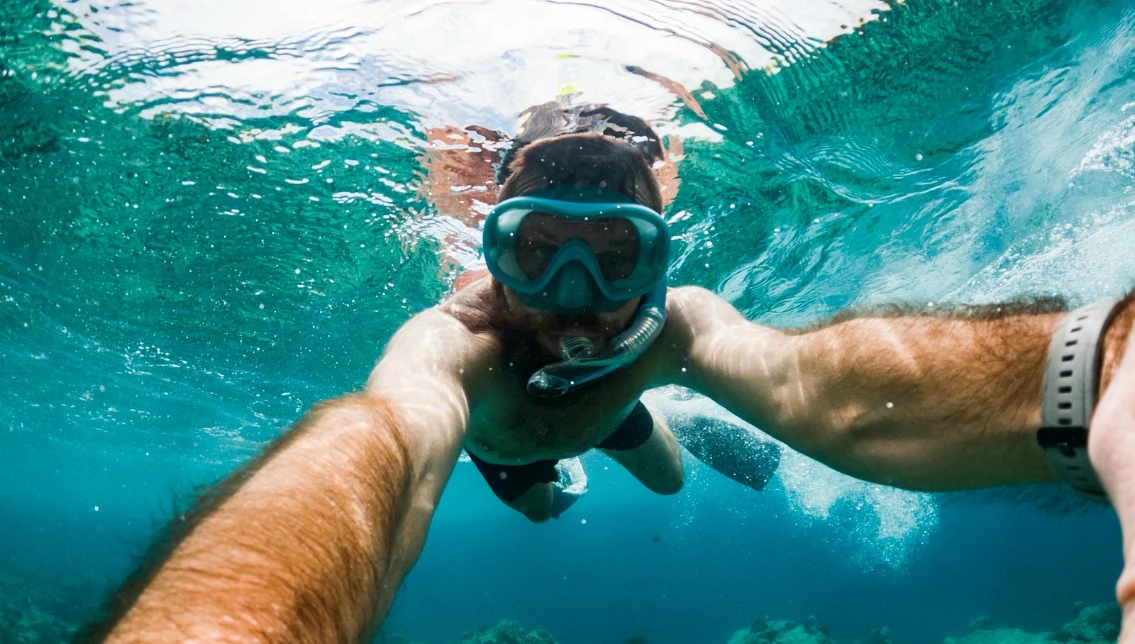
First, the snorkeling site. Pick a calm, shallow spot where you can see clearly. Don't push it; stick close to shore where you feel comfortable.
Your gear is critical. The mask must seal perfectly—test it on the surface. A dry-top snorkel stops most water from getting in. Fins should fit well. Consider a flotation vest; it helps.
Breathe slow and deep through the tube. Relax. Keep your body horizontal; it improves buoyancy. Use your fins for propulsion, not your arms. Saves energy.
Never go alone. Use the buddy system.
For scuba in shallow depths, only follow a certified guide. Descend at a controlled pace. Constantly check your air supply. Know your limits and respect them.
Regarding marine life: look, don't touch. Corals are fragile. Exit the water immediately if you get tired or feel disoriented. Fatigue creeps up fast.
Thrill-seeking water sports (moderate to advanced)
Jet skiing
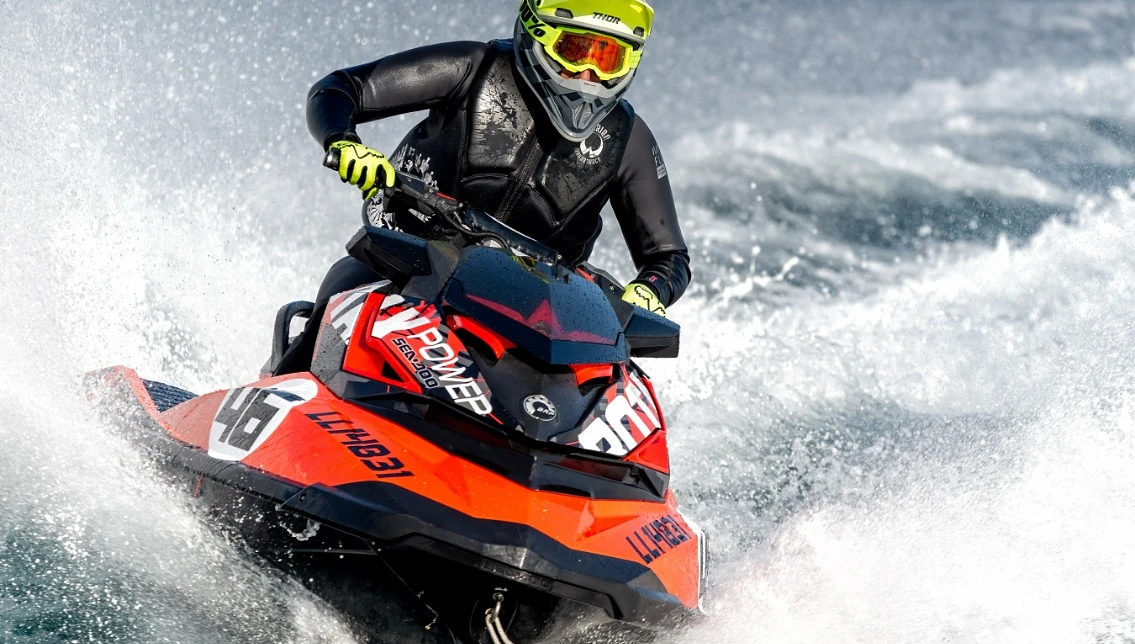
Always wear a life jacket—Coast Guard–approved, non-negotiable. Cold water? That's a different beast; add a wetsuit. Before you even think about the engine, scan your surroundings. Get familiar with the local rules, check the forecast, and read the water. Stay in the designated zones. It’s a simple move that keeps you clear of trouble.
Start slow. Get a feel for the throttle—it’s touchy. Learn how it turns. Keep your stance stable and your eyes on the path ahead. Always maintain a safe buffer from people, other craft, and obstacles. That means no wake jumping; it's a major hazard.
Clip the lanyard kill switch to yourself. It's a simple move that could save you. Never ride alone; take a buddy. Bring a whistle or a signaling device and plan your exit points from the water. Riding under the influence is a hard no.
Master the basics first. Practice your slow-speed moves—turning, docking, stopping—in calm, shallow water. Build that muscle memory before you open up the throttle.
Kiteboarding and windsurfing
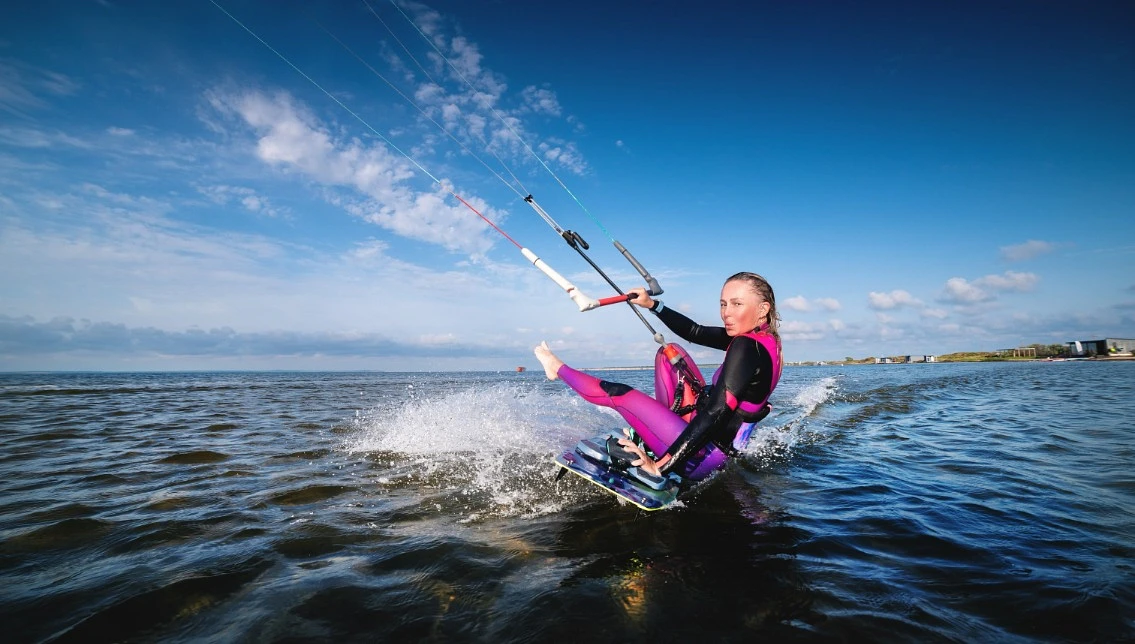
Kiteboarding? Gear up first. You need a traction kite, obviously, a board, control bar, harness, and don't forget an impact vest.
For beginners, just get a lesson. Seriously. You'll drill body positioning, learn to edge the board, and get the basics of handling the kite. Light winds are your friend here.
Safety isn't optional. That quick-release system is your bestie. Know how to perform a self-rescue, too. Always scope the wind—gusts come out of nowhere. And give crowds and obstacles a wide berth. Don't go near them.
Windsurfing is a board sport with a rigged sail. How you stand matters most: upright, knees soft, weight centered over your feet. To travel upwind, use the sail’s pull and dig the board’s edge into the water.
Play it safe. In gnarly conditions, wear a PFD. Always check your gear before going out. Know the local rules.
Getting better means learning water starts, planing, and transitions. It’s a process. Without proper technique, the sail will yank you. Work with an instructor—it keeps you from getting thrown around.
Scuba diving and freediving
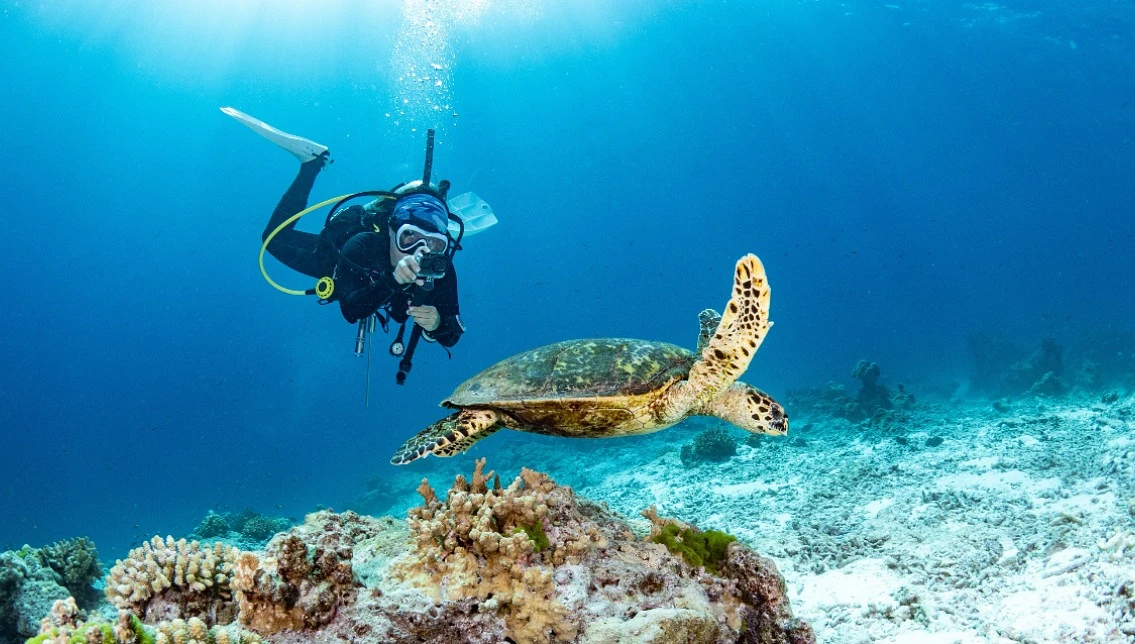
Get certified first—no shortcuts. Never dive solo; a buddy is non-negotiable. Pre-dive, you must plan the dive and then dive that plan. Keep a close eye on your air supply. On ascent, move slowly and commit to a safety stop. Proper weighting is critical. Gear gets a thorough check before every entry. Operate only within the limits of your training. Equalize your ears early and often. Depth requires constant monitoring. Rapid ascents are a hard no.
Respect the environment. Master your buoyancy. Look, but don't touch—your fins and fingers can damage fragile ecosystems. Judge currents carefully; if you can't handle them, don't enter.
For freediving, seek a qualified instructor from the start. Focus on a good breath-up, then relax. Descend with control, equalizing as you go. Hyperventilation poses a serious risk; just don't do it.
The buddy system is mandatory. Always signal at the surface and regroup with the group post-dive. Carry essential emergency gear. Insurance is a smart move in many locations. Know your personal limits and stick to them. This is the foundation for dives that are both safe and genuinely rewarding.
Wakeboarding and water skiing
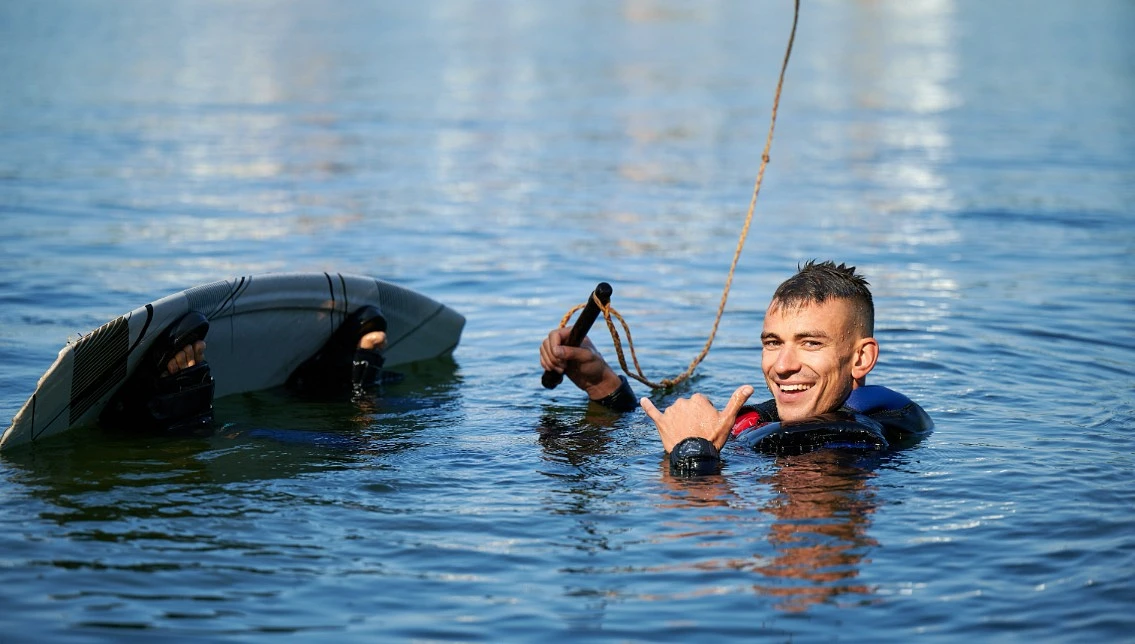
Wear your gear. That means a life jacket (PFD) and a helmet, no arguing—it’s the law in most places. Before you go, always check the forecast. Wind and water conditions matter. Beginners, stick to calm, sheltered spots.
-
Wakeboarding: Square your shoulders, bend your knees. Put more weight on that front foot. To ride up a wake, don’t just lean—edge progressively.
-
Water Skiing: Start on flat water. Keep those knees bent, weight balanced evenly across both skis. A gentle tug from the boat is all you need to get up and plane.
Rope lengths differ. Wakeboard ropes are shorter, typically 50 to 65 feet. For skiing, you’ll want a longer line, 60 to 75 feet.
Required gear: your board or skis, bindings, a life jacket. An impact vest adds protection. A wetsuit depends on the water temp.
Finally, know the safety rules. Use a spotter and clear hand signals. No exceptions.
Family-friendly and accessible options
Snorkel trails and guided reef walks
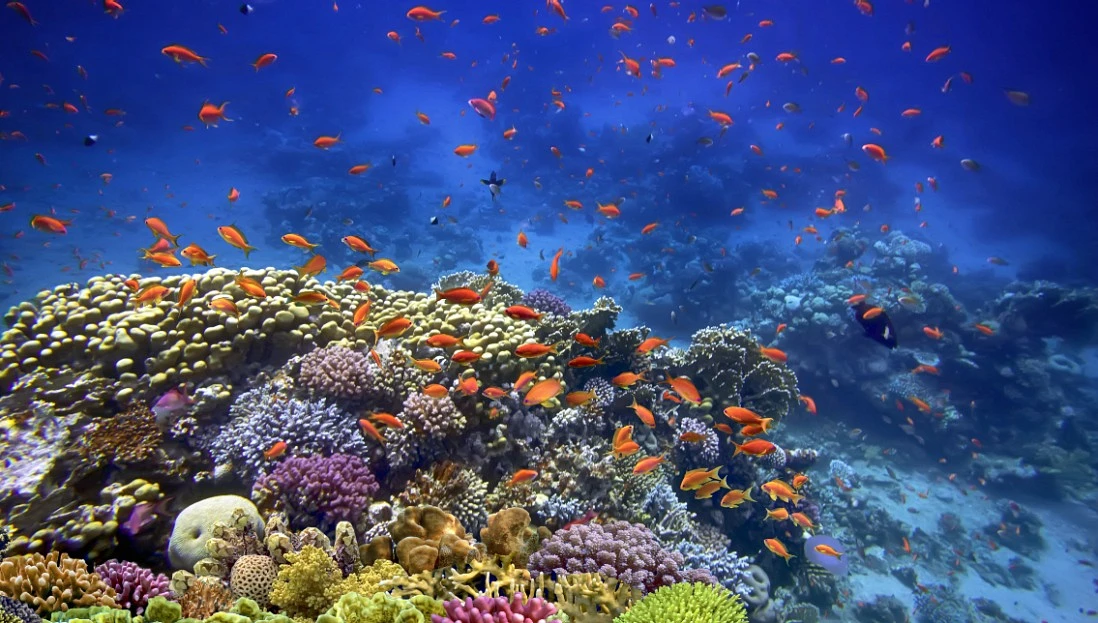
Stick to designated, shallow reef areas. Use marked trails and always go with a guide. Pick a trail that has a clear map, shows distances, and provides reef-safe anchor points. Your guide will brief the group on local currents, what wildlife you might see, and safety drills.
Pack the essentials: a mask, snorkel, and fins. A rashie is smart for sun protection; pair it with reef-safe sunscreen. Those buddy buoys? Grab one. Seriously.
Stick to the guide's route. They know the spots for prime views and marine life. It also prevents you from brushing against the coral. No straggling. Stay with the group and maintain a decent depth. Look, but don't touch. The wildlife is for observing, not handling.
Pay attention to protected zones and any seasonal closures. Always sign in with the operator before you head out. Carry a whistle. Exit the water at the spot they tell you to, and do it calmly.
Beach-friendly water games that double as sport
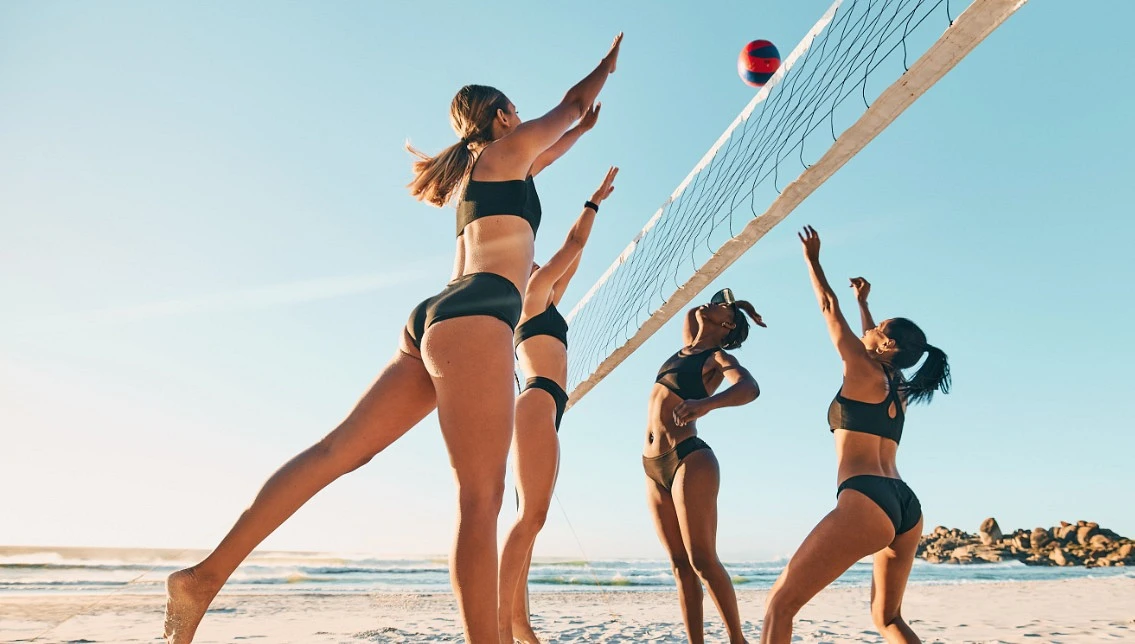
Shift standard beach games into competitive, fast-paced action.
First up: 2v2 beach volleyball. Rally scoring on a sand court keeps the pace frantic. The net structures the game for rapid point swaps. For paddleball, work the soaked shoreline. Two players volley, aiming to string together the longest rally. The goal is simple—don't let the ball hit the sand.
Beach frisbee offers options. Ultimate tests your accuracy and endurance with constant running. Or try frisbee dodge, which uses standard dodgeball rules. Water relays get messy. Sponge-soaking and bucket brigades mix with all-out sprints to the finish line. Then there's tug-of-war on wet sand. This one is a pure test of grip and coordinated effort.
Every activity prioritizes teamwork and safety. The structure favors quick rounds, so you can play, reset, and go again without pause. This prevents fatigue and keeps the energy high.
Inflatable water parks and float-friendly zones
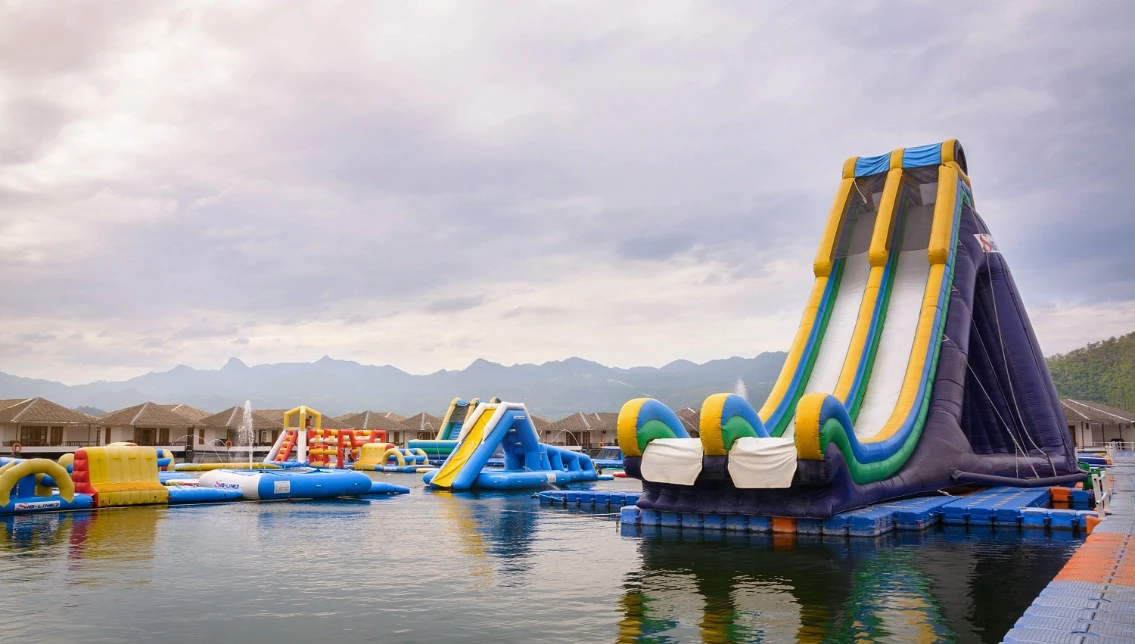
Inflatable water parks deliver secure family entertainment. This assumes two non-negotiable conditions: proper supervision and rigorous maintenance.
Start with the unit itself. Insist on commercial-grade, certified models. Check the weight limits. Confirm stable anchoring and non-slip surfaces. Setup requires a flat, clear area, free from hazards. Water depth is critical—keep it appropriate. Trained staff or lifeguards must always be present.
Buoyant play is the goal. Use floats, mats, and designated shallow-water zones. This provides activity without heavy impact.
Rules are not suggestions. No running. No rough housing. Life jackets for non-swimmers are mandatory; glass is forbidden. Weather matters—high winds mean you shut it down.
Inspect regularly. Check for leaks, tears, and correct inflation. This routine is essential for risk-free, continuous operation.
Seasonal guides and regional hotspots
East Coast and Gulf Coast highlights
-
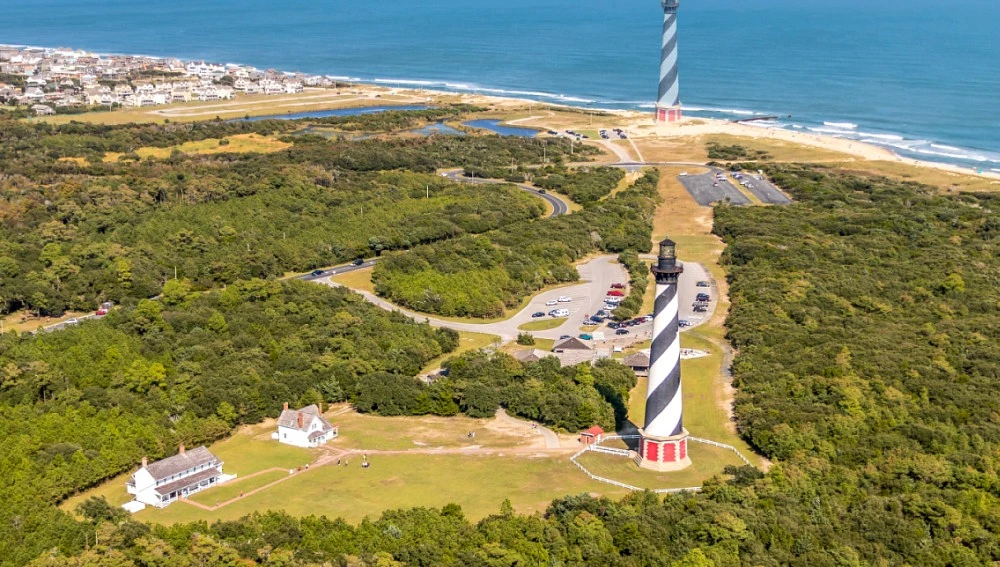
East Coast: Hit the Outer Banks for epic surfing and kiteboarding off Cape Hatteras. Cape May pairs wide sands with Victorian architecture. Up north, Race Point Beach delivers massive dunes and whale sightings. Charleston’s Folly Beach brings the waves, then fresh seafood. For a killer NYC skyline view, Sandy Hook looks across the protected bay.
-
Gulf Coast: Pensacola's sand is pure powder, meeting emerald-green water so clear you can see your toes. Clearwater Beach, meanwhile, offers gentle Gulf waves. It's a magnet for families. Over in Texas, South Padre Island delivers warm water—ideal for kiteboarders. No surprise there. Corpus Christi protects the wild dunes and sea turtle nests of the Padre Island National Seashore. That reliable coastal wind is the real draw. It creates prime conditions for surfing, sunning, and getting off the beach onto a board.
West Coast standout spots
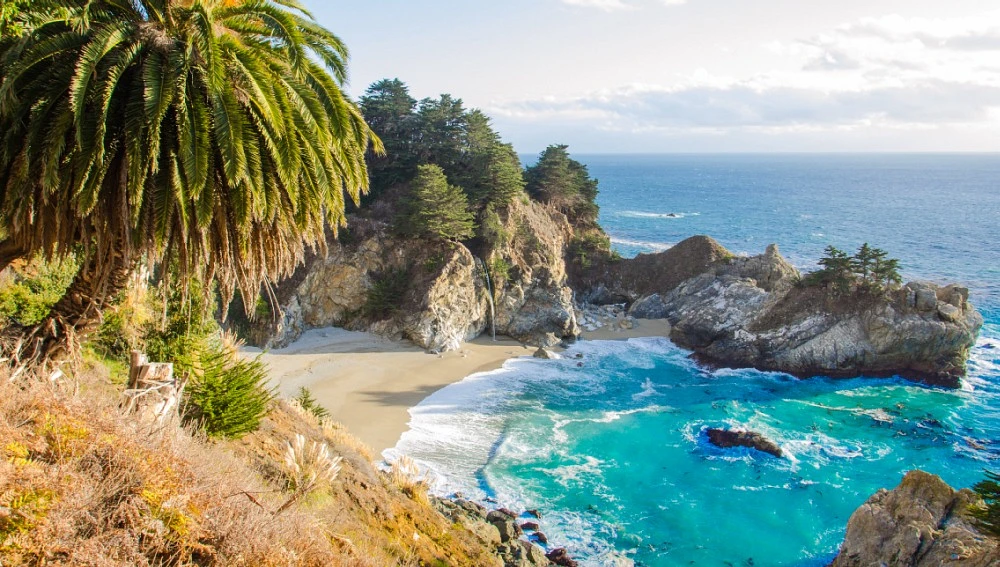
Big Sur doesn't do gentle. It's cliffs versus ocean, no middle ground. Those coves? Hidden from the road, accessible only by the sea. You know the spots: Pfeiffer Beach, McWay Falls. Standard postcard material. Heading south, the vibe shifts. Santa Monica and Malibu pull off that rare trick—city pavement meets surf culture without a seam. Then Laguna Beach appears. Think tight little coves, tangled tide pools, and an actual art scene.
Oregon's coast shifts in character. Cannon Beach centers on Haystack Rock—that sea stack commands the scene. Tide pools at its base teem with marine life. Ecola State Park delivers vast panoramas; access them through brief hikes. These trails payoff. For something else entirely, the Oregon Dunes feature a shoreline that stands apart.
Washington's Olympic National Park owns that coastline. Ruby Beach and Rialto Beach are the non-negotiable stops. The scene? Jagged sea stacks. Massive, sun-bleached driftwood piles. Further north, La Push goes full rugged. Its reputation is built on pounding surf and trails carved right along the cliff edge. This place delivers raw nature. Hardcore types can trek for miles. Families can just wander the shore. It’s all there.
Great Lakes triad
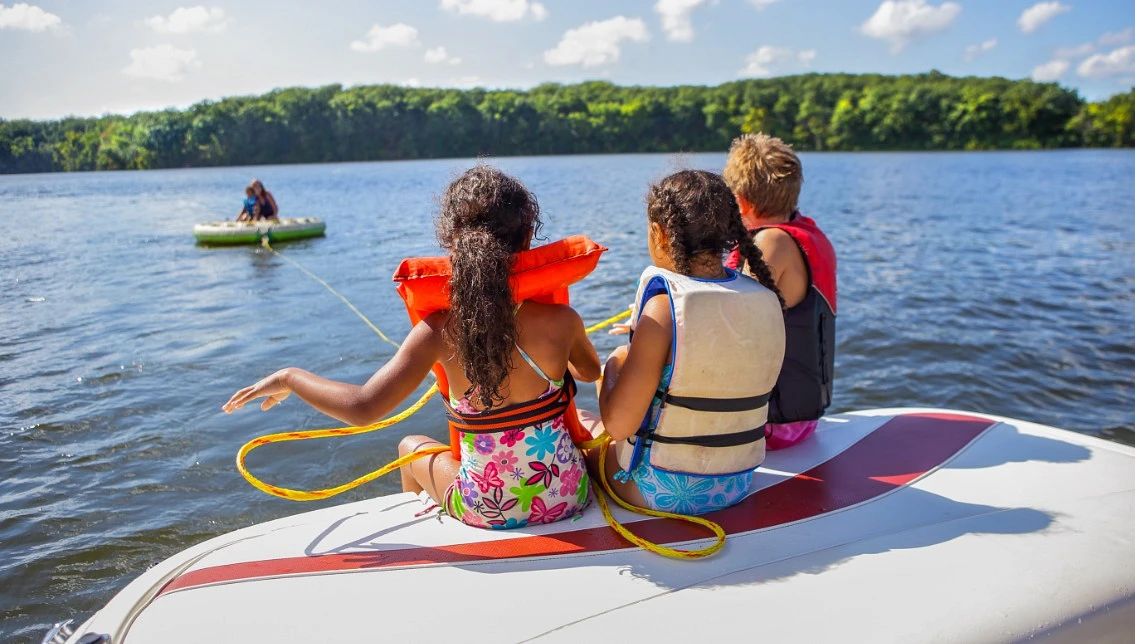
Start with Lake Michigan. Hit Sleeping Bear Dunes and Grand Haven. You get the classic package: massive dunes, those postcard lighthouses, boardwalks buzzing with energy.
Next, Lake Huron. Mackinac Island is strictly old-school—no cars, just ferries and bikes. For a more low-key stop, Tawas Bay has calm, clear water and beaches that are perfect for families.
Then you reach Lake Superior. This is the wild part of the circuit. Pictured Rocks and the Porcupine Mountains deliver the drama: rugged shorelines, raw wilderness. For the adventurous, Isle Royale sits on the horizon. You can even snorkel near old quarry sites.
Each leg has calm spots for swimming and trails for easy access. Timing matters. Go in summer for warmer water. Wait for fall, and you trade swimming for stunning foliage and wildlife migrations.
Hawaii and tropical-adjacent locales
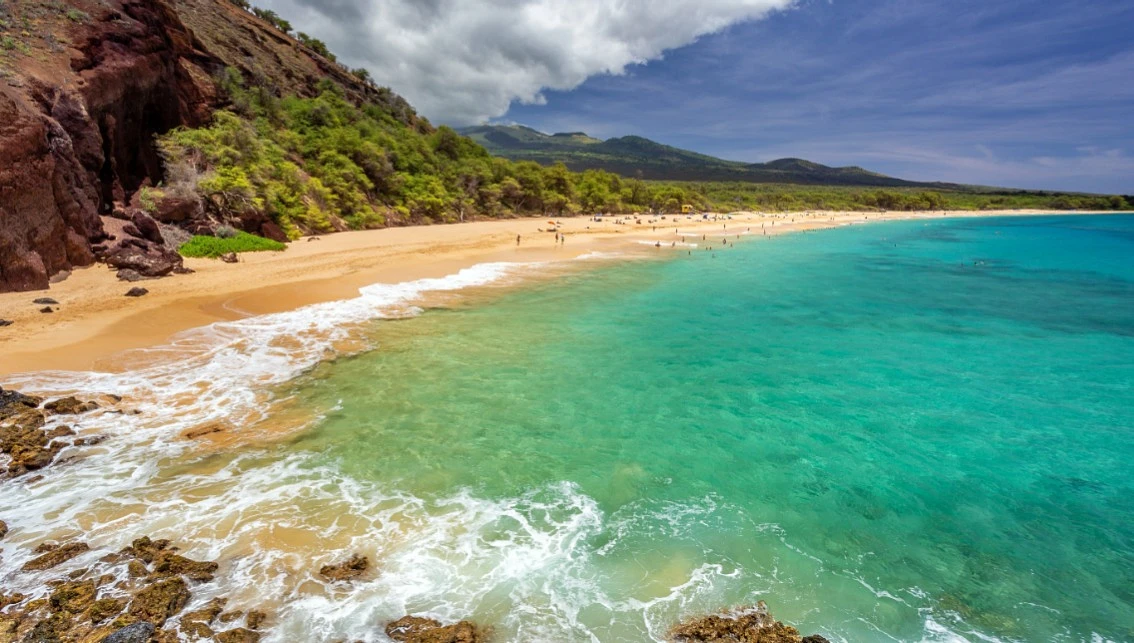
Hawaii's main islands—Oahu, Maui, Kauai, Big Island—deliver consistent heat, turquoise ocean, and reefs that are next-level. Key spots split by activity. Waikiki carries historical weight and surfing for newbies. Ka’anapali serves up snorkeling and those sunset views. Prefer calm? Napili's coves are a safe bet. Hanauma Bay offers snorkeling in a protected reserve.
The Big Island switches things up. Hapuna Beach goes on for ages with accessible coral. For a real trip, Kailua-Kona does manta ray night dives. The Kona coast is a known hangout for sea turtles. Oahu's North Shore? Winter swells bring waves that draw pros and crowds; just watch. Molokai and Lanai are for ditching the crowd, all secluded shores and rugged cliff paths.
Want a similar tropical fix with less flight time? Look at Puerto Rico, the US Virgin Islands, and the Bahamas. The vibe matches, but you cut travel time.
Practical planning and safety
-
Plan your trip in advance. Nail down the destination, your timeline, and the main activities. Book accommodation near the water—it just makes things easier.
-
Safety is non-negotiable. Research the local scene: rip currents, weather patterns, and lifeguard stations. Never swim solo. A life jacket isn't a suggestion if it's required. Use reef-safe sunscreen. Before you go, check your equipment and the forecast.
-
Beginners and children should use calm, supervised beaches. An instructor-led session is a smart move for newbies.
-
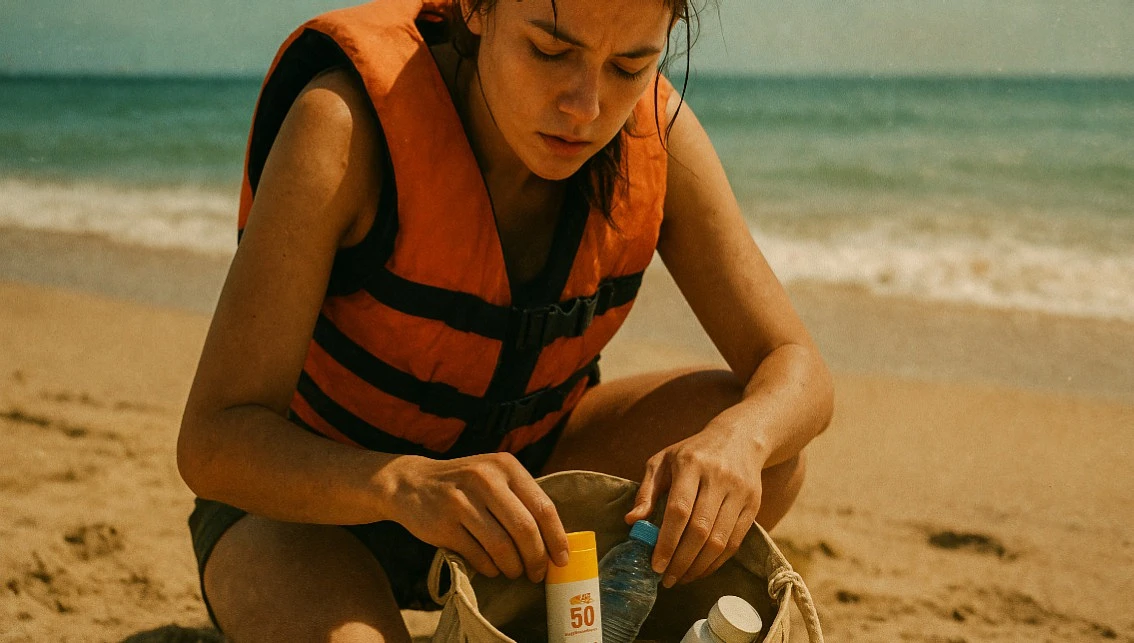
Packing list: sun protection, lots of water, a first aid kit, and a dry bag for your stuff. Keep your phone in a waterproof case. Have a basic emergency plan. Share contact info and pick a clear, unmistakable meeting point on shore.
-
Follow the local rules. Respect the wildlife. Hydrate constantly. Take regular breaks to avoid fatigue.
❓FAQ❓
What is the best time of year to try beach water sports across different US regions?
Summer's the prime pick for coastal and Great Lakes trips. Fall shifts to cooler days and way fewer people. Hawaii? It's warm year-round.
Are there age restrictions for advanced water sports like kiteboarding or scuba diving?
Yeah, for a bunch of advanced sports, you've gotta be at least 12 to 16 years old and medically fit. Scuba diving? Certification is non-negotiable.
Is there specific insurance or certification recommended for certain water sports?
Liability insurance? Smart to have for jet skiing and scuba diving. Certified lessons are usually required for stuff like scuba, freediving, and kiteboarding.