




🎯 Too Long; Didn’t Read
U.S. sports tourism is a multi-billion dollar industry, fueled by tribal-level fan devotion. Fans don't just travel for the game; they commit to the entire spectacle.
Consider the Super Bowl or College Football Playoffs. They draw enormous crowds. The energy is intense, traditions run deep.
NBA Finals and March Madness pull a global audience with their chaos and thrill. Baseball's extended season allows for stadium-hopping road trips.
Then there are events like the Indy 500—massive parties. The Kentucky Derby and The Masters? They cater to more refined, respectful cultures.
Fans shell out top dollar, withstand the chaos, all for that live, all-encompassing rush.
It’s the passion. That intense, all-consuming drive is what pulls people in. Visitors don't just observe; they get fascinated by this raw American obsession. The result is a tourism machine worth billions. Fans trek across states or hop continents for one reason: to be there. They endure the chaos, pay for twelve-dollar beers, and scream themselves throat raw at strangers sporting the enemy's colors.
This isn't a new phenomenon. Traveling for games dates back to antiquity. But the States have perfected the model, bundling athletics with entertainment and food into a single package. You aren't just there for the game. You're buying into the whole tribal energy.
Football Draws the Biggest Crowds
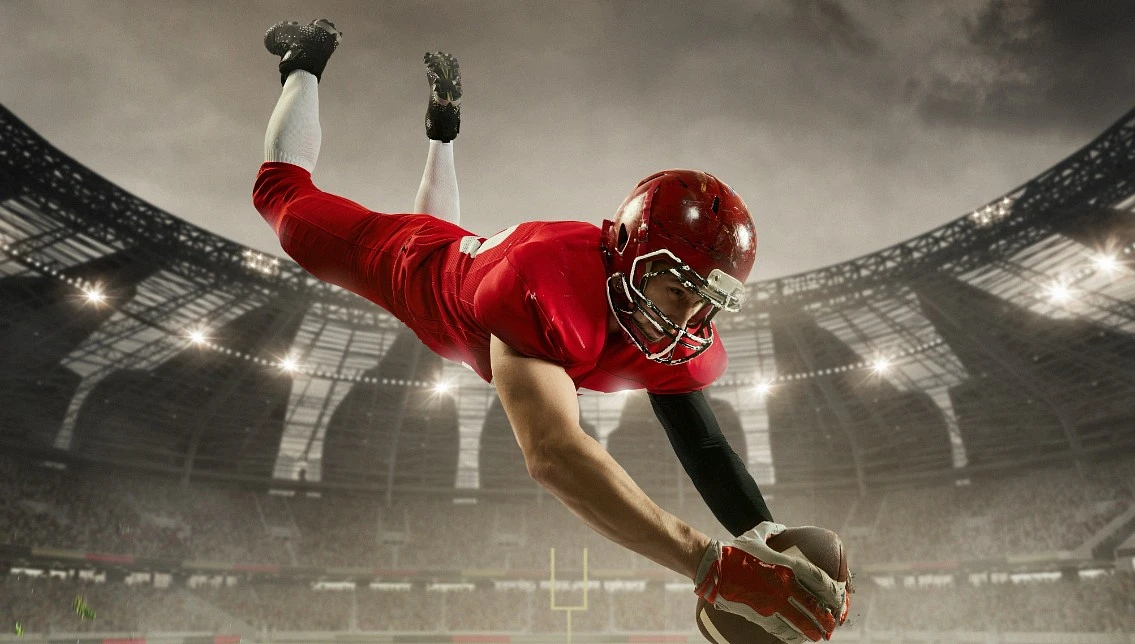
The Super Bowl
The Super Bowl sits at the top. Every February, one city becomes the center of the sports universe for a week. Hotels jack up rates. Restaurants fill. Traffic becomes a nightmare.
Getting tickets is brutal. Face value runs into thousands. Most people watch from bars or parties. But those who make it into the stadium see halftime shows, celebrity sightings, and commercials that cost more to produce than some countries' GDP.
The game itself? Sometimes it delivers. Sometimes you get a blowout. Doesn't matter. People come anyway.
Cities compete to host. The economic impact reaches hundreds of millions. Miami, New Orleans, and Phoenix have hosted multiple times. They've got the infrastructure—airports, hotels, weather that doesn't freeze fans solid.
College Football Championships
College football? It just hits different. The passion's raw—these players aren't cashing pro checks yet. Consider the Rose Bowl in Pasadena, operating since 1902. Supporters trek from all over to cram into a stadium seating over 90,000. That pre-game parade? Pure floats and marching bands.
Now, the College Football Playoff cycles through iconic bowls. You've got the Sugar in New Orleans, the Orange in Miami, the Cotton in Dallas. Each host city goes all out for visitors. And tailgating? It kicks off days before the game.
SEC football deserves its own mention. Alabama, Georgia, Louisiana—these states treat football like religion. An Iron Bowl (Alabama vs. Auburn) or a game at LSU's Death Valley stadium shows you what fanatic means. The atmosphere crushes you before kickoff.
Basketball Brings International Appeal
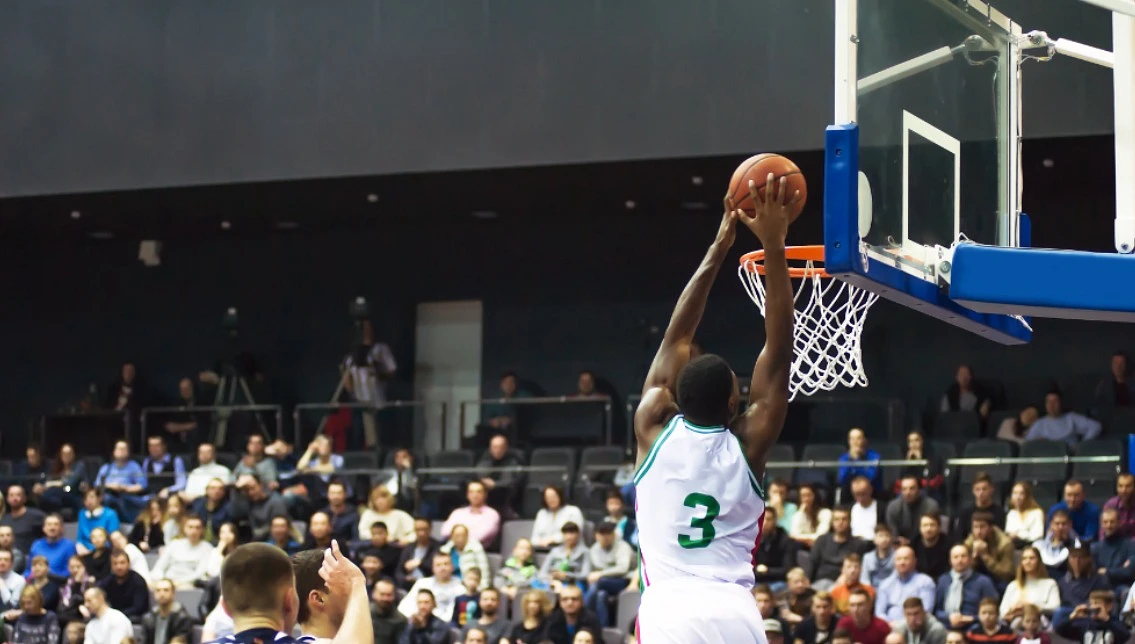
NBA Finals
Basketball exports well. The NBA has fans globally. When the Finals roll around in June, tourists from Europe, Asia, and South America book flights.
Cities like Los Angeles, Boston, and San Francisco combine basketball with tourism naturally. You watch Game 3, then hit beaches or museums. The games stretch over two weeks, letting you actually explore.
Ticket prices vary wildly. Upper deck seats might run a few hundred. Courtside? Tens of thousands. Celebrities sit courtside. You'll spot actors, musicians, and tech billionaires pretending to understand defensive schemes.
March Madness
The NCAA tournament consumes three weeks every spring. Sixty-four teams. Single elimination. Chaos.
People build entire vacations around it. The Final Four, held in massive stadiums, attracts 70,000+ per game. Indianapolis has hosted multiple times and built its downtown around accommodating the madness.
But the early rounds offer better value. You can catch four games in one day in cities like Sacramento, Buffalo, or Greenville. Tickets cost less. The upsets happen here—when a 15-seed beats a 2-seed and ruins everyone's bracket.
Baseball Offers Summer Road Trips
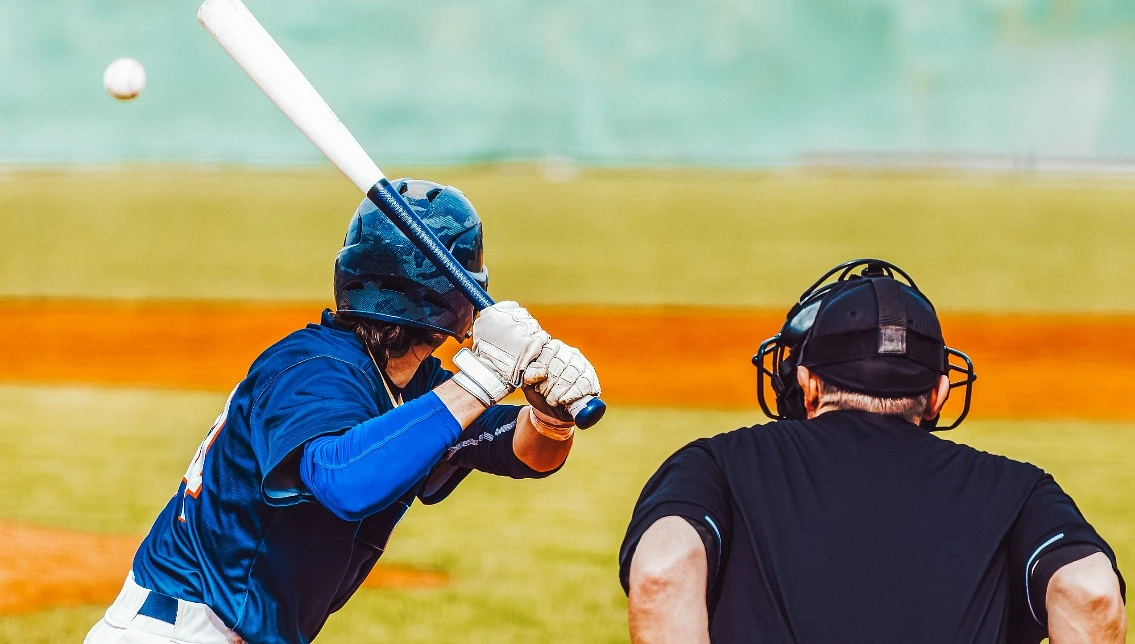
World Series
October baseball hits different. The World Series determines the champion through a best-of-seven format. Games stretch late into the night. The tension builds.
Baseball stadiums have personality. Fenway Park in Boston opened in 1912. Wrigley Field in Chicago has ivy-covered walls and no lights until 1988. These aren't just venues. They're museums where games happen.
Getting World Series tickets requires either money or connections. Sometimes both. But baseball fans are lifers. They'll mortgage houses to see their team win it all.
Regular Season Tourism
Here's the thing about baseball: 162 games per season. Teams play almost daily from April through September. This makes planning easier.
You could build a whole trip around baseball. Drive the coast: begin in San Diego, then weave north through Los Angeles, San Francisco, Oakland, and finally Seattle. Every park has its own vibe, its own food, its own rituals.
Some fans make it a mission to hit all 30 stadiums. That’s a serious grind. It demands years, serious commitment, and a certain dogged persistence.
Racing Attracts Different Crowds
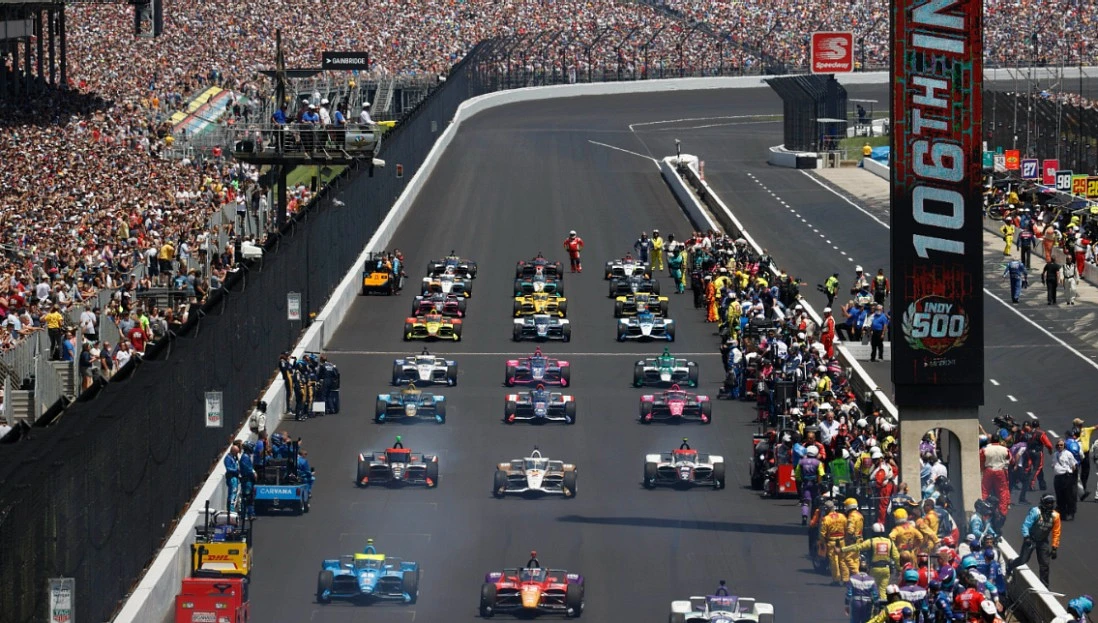
Indianapolis 500
The Indy 500 hits on Memorial Day weekend. The Indianapolis Motor Speedway is packed to the gills—over 300,000 people. It simply is the world's biggest single-day sporting event.
For roughly three hours, cars scream past at 230 miles per hour. The sound is a physical thing, a vibration deep in your chest. Crashes happen. It's dangerous.
But the whole show stretches way beyond race day. The Indianapolis 500 Festival runs for weeks. You've got the parade, a mini-marathon, countless parties. The whole city morphs into a motorsports carnival.
Daytona 500
NASCAR's biggest race happens in February in Daytona Beach, Florida. The timing works—people want to escape winter.
The race itself draws 100,000 to the speedway. But Daytona Beach becomes a party destination for the week. Beaches, bars, and the boardwalk fill with fans wearing driver numbers and arguing about tire strategy.
NASCAR has a distinct culture. Tailgating reaches epic proportions. RVs arrive days early. People set up grills, satellite dishes, and full bars in parking lots. The infield camping is legendary—and not for families.
Kentucky Derby
Horse racing's biggest day happens the first Saturday in May. Churchill Downs in Louisville hosts. Hats become mandatory for some sections. Mint juleps flow.
The race lasts about two minutes. But Derby weekend is a multi-day festival. The Kentucky Oaks runs Friday. Parties happen throughout Louisville. Hotels book out a year in advance.
The crowd splits between serious racing fans betting thousands and people who showed up for an excuse to day-drink in fancy clothes. Both groups have a blast.
Tennis and Golf Attract Different Demographics
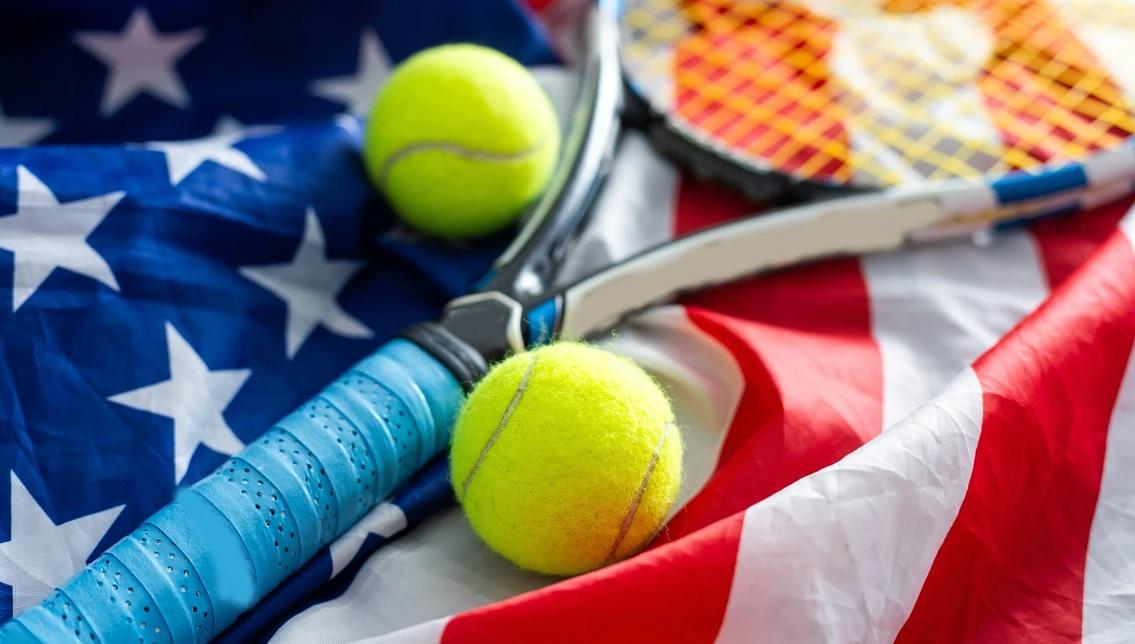
US Open Tennis
The US Open runs for two weeks every late August/early September in Queens, New York. Flushing Meadows hosts both day and night sessions.
Night sessions at Arthur Ashe Stadium deliver electric atmospheres. New York crowds don't sit quietly. They cheer, groan, and occasionally get removed for disrupting play.
You can catch multiple matches on outside courts for reasonable prices. Or drop serious cash for finals tickets. The tournament coincides with Fashion Week, adding another layer to New York's end-of-summer chaos.
The Masters
Augusta National Golf Club in Georgia hosts the Masters every April. Getting tickets is nearly impossible. The club maintains a waitlist measured in decades.
But people try anyway. The secondary market exists, though prices hurt. The azaleas bloom. The course is pristine. Patrons (never "fans") whisper instead of yell.
The Masters experience is unique. No running. No phones during play. No corporate logos on chairs. It's golf's cathedral, and they enforce the reverence.
PGA Championship and US Open Golf
These major tournaments rotate locations. Courses like Pebble Beach in California or Bethpage Black in New York host. The benefit? You can actually get tickets without selling organs.
Golf tournaments let you follow players around the course or plant yourself at one hole. Beer tents provide refuge. The atmosphere is relaxed compared to the Masters.
Running Events Build Communities
Boston Marathon
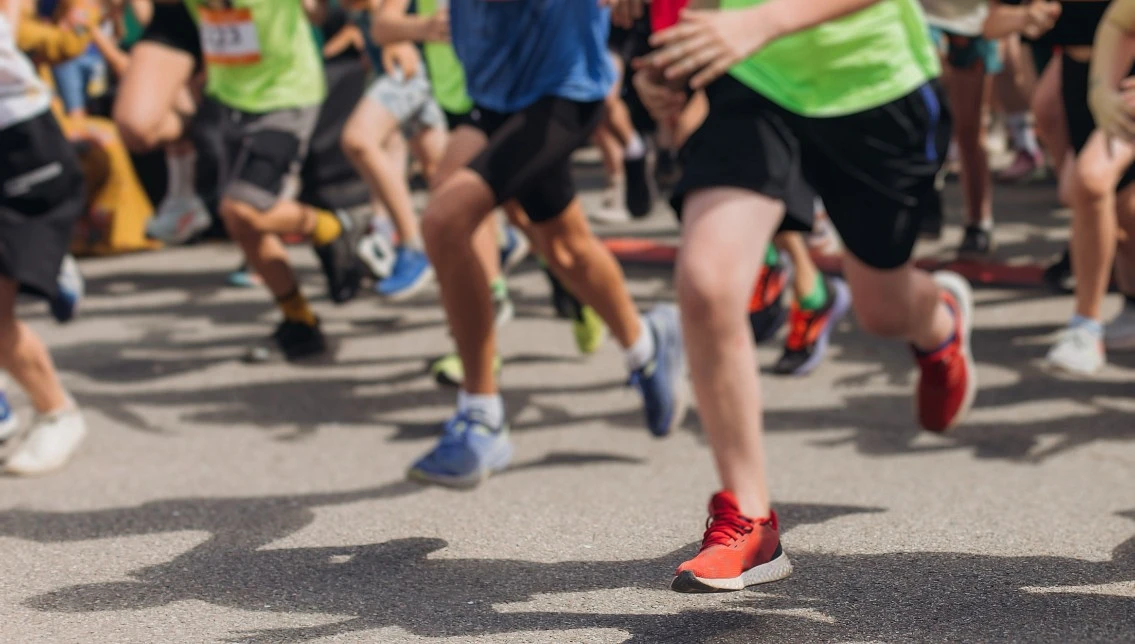
The Boston Marathon runs every Patriots' Day in April. It's the world's oldest annual marathon, dating to 1897. You need to qualify or raise money for charity to enter.
Over 30,000 runners participate. A million spectators line the 26.2-mile route from Hopkinton to Boston. The course passes through eight cities. Locals throw parties. College students in Cleveland Circle are particularly enthusiastic, though "enthusiastic" might be code for "drunk."
Heartbreak Hill around mile 20 breaks spirits. The finish on Boylston Street repairs them.
New York City Marathon
November in New York brings 50,000+ runners through all five boroughs. The race starts in Staten Island, crosses the Verrazzano Bridge, and winds through Brooklyn, Queens, the Bronx, and Manhattan.
The crowd support is insane. Every neighborhood brings different energy. Gospel choirs in Brooklyn. Drum circles in the Bronx. Bagpipers. Mariachi bands. Random people handing out beer, candy, and occasionally harder substances.
The city shuts down major streets. First Avenue heading north through Manhattan provides a straight shot with spectators stacked ten deep. The noise carries runners when their legs quit.
Winter Sports Have Their Place
Winter X Games
Aspen hosts the Winter X Games every January. Snowboarding, skiing, snowmobiling—all the extreme winter sports show up. Athletes attempt tricks that seem impossible. Sometimes they are.
The events are free to watch. Aspen is already a ski destination, so you combine competition with mountain time. The athletes are accessible. You'll bump into medalists at coffee shops.
NHL Outdoor Games
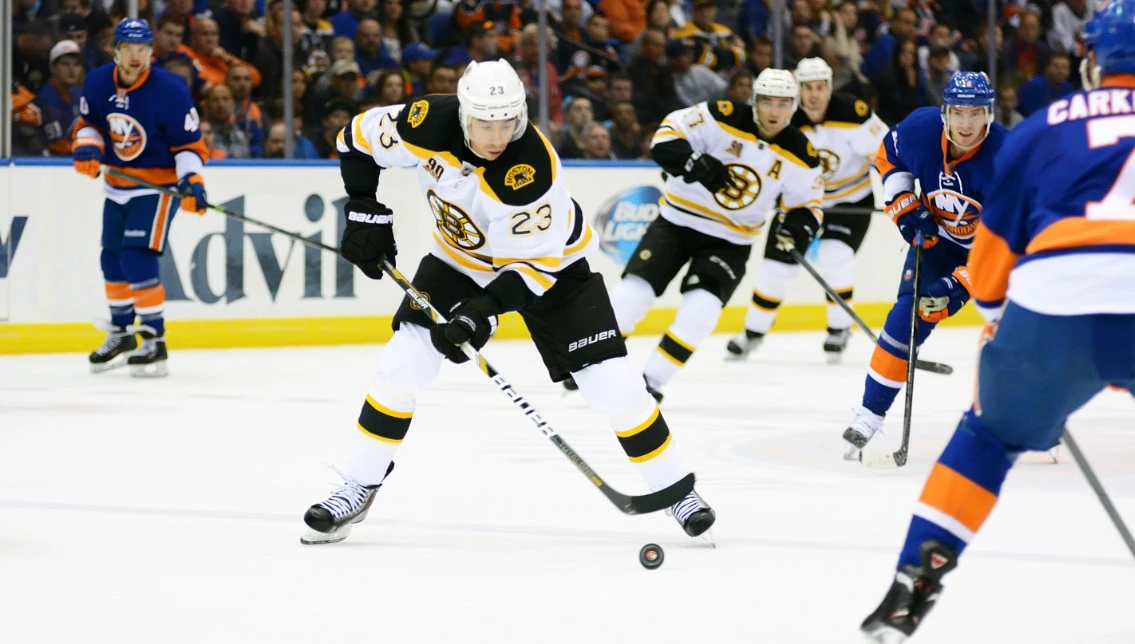
The NHL schedules outdoor games in football stadiums. The Winter Classic happens New Year's Day. The Stadium Series adds more throughout the season.
Watching hockey outside feels wrong at first, then right. The ice quality suffers in warmer weather, but the atmosphere compensates. Baseball stadiums in places like Los Angeles or San Francisco host, creating surreal scenes.
Planning the Trip
-
Sports tourism requires flexibility. Teams need to make playoffs. Weather cancels races. Underdogs win, and suddenly everyone wants tickets.
-
Book accommodations early. Hotels near stadiums understand their leverage and use it. Check transit options—parking at major events is either expensive or impossible.
-
Research the culture. Football tailgates welcome strangers. Golf tournaments have strict etiquette. Baseball games let you wander. Basketball crowds dress differently in different cities.
-
Food matters. Ballpark food has evolved past sad hot dogs. Racing events bring regional cuisine. Southern football games mean barbecue battles.
❓FAQ❓
How should travelers approach booking when multiple events clash on the same weekend?
Price spikes for flights and hotels are brutal. Lock in your transport and lodging way ahead of schedule. A solid backup: look at towns a short shuttle ride away from the main action.
Are there best days to attend a multi-day event for lower crowds and better prices?
Skip the peak days. Hitting it early or during a less hyped session usually means cheaper tickets and you can actually move around without being in a crush of people.
What should first-time attendees bring to a large sporting event?
Your packing list is key. Think in layers—venues can be scorching in the sun and freezing in the shade. A portable charger is a non-negotiable for the battle against a dead phone. And for those endless lines or waiting periods, a collapsible seat or blanket is a game-changer.