








🎯 Too Long; Didn't Read
Got no time? Cram in a 10-15 minute session. Stick to high-intensity, bodyweight staples: squats, push-ups, burpees. This burns serious calories and amps up your conditioning fast. No gear needed.
Focus on intensity. Be relentless with your schedule and make every minute count. Build your routine around compound lifts—those multi-muscle power moves. The results are undeniable. You will feel better, that's it. Your energy levels jump. And due to the EPOC effect, your metabolic rate stays elevated for hours post-workout. That is the method for making it stick.
This method fits into your actual life. Use it wherever you are. When motivation dips, just make it easier to begin. Slot it into your day without ditching other tasks.
When your schedule's packed, squeezing in exercise feels impossible. But moving is non-negotiable—your physical and mental health depend on it. Quick workouts solve this. They fire up your energy, sharpen your mood, and sustain fitness. Ditch the lengthy gym sessions.
Do these anywhere – hardly any gear required. Slip them into the busiest days. A ten or fifteen-minute session, if you plan it smart, is super effective. Make these short bursts a top priority, and you'll maintain a healthier lifestyle long-term, no excuses.
Benefits of Quick Workouts
Time efficiency

No time? That's the real enemy. Quick workouts get around it. Just 10 or 15 free minutes. In that short window, pick exercises that get your heart pounding and work multiple muscles together. This approach saves you hours at the gym. It makes fitting in exercise actually work.
High-intensity routines are built for this. They push calorie burn and heart health into a short, sharp burst. You also face fewer hurdles. No commute to a gym. No complicated equipment setup.
The focus is on compact, targeted movements. This makes it easier to stick with it regularly. You can keep up your fitness without letting other duties slide. Ultimately, these efficient sessions let you build activity into your day. You support your health without a massive time investment.
Improved mood and energy levels

Quick workouts jolt your system, triggering endorphins. Those are your body's built-in mood elevators. Even a short session cuts through stress and fatigue. The result? You feel dialed in and ready to go.
This happens because movement pushes more blood and oxygen to your brain. Mental clarity sharpens. For busy people, this is a solid hack. It’s a clean energy lift, no caffeine crash or sugar slump involved. Weave these movement bursts into your day. You handle daily grind with better focus and a reset.
Boosted metabolism and fitness maintenance

Short, intense workouts jolt your system awake. The benefit doesn't stop when you do. Your body continues consuming energy, burning calories long after. This occurs because high-intensity movement creates a massive oxygen demand. Your body works to restore itself, a process needing fuel even while you're at rest.
For anyone slammed for time, these brief bursts are effective. What matters is doing them regularly, not their length. This consistency preserves muscle and stamina. You'll see noticeable gains in cardiovascular fitness. You can skip the marathon gym sessions entirely.
Building lean muscle delivers a major payoff: more mass revs up your metabolism. A faster, more efficient metabolic engine is the result. Slot in regular, brief workouts. This approach makes weight management stick. It’s the move for maintaining fitness when your schedule is packed.
Key Principles for Effective Quick Workouts
Focus on high-intensity exercises

Short on time? High-intensity training is your answer. It jacks your heart rate up fast. That surge builds cardiovascular fitness and melts calories faster than steady-state workouts. Think burpees, jump squats, mountain climbers. These compound movements hammer multiple muscles—shoulders, legs, core—simultaneously.
The outcome? You cram major gains into minimal time. For anyone slammed, this approach delivers maximum bang for your buck: endurance, strength, and a revved-up metabolism.
Incorporate full-body movements

Quick workouts get more done when they use your whole body. Think squats with a press, push-ups, or lunges. These moves demand strength and coordination at once. You work more muscle groups, which ramps up calorie burn and builds functional fitness.
It’s a brutally efficient approach for anyone slammed for time. This method builds strength and endurance while also sharpening coordination and posture. The result is a body better equipped for daily life. Comprehensive gains, no single-muscle distractions.
Use minimal or no equipment

No gym gear? No problem. Bodyweight exercises get rid of that barrier. You can do push-ups, squats, and planks anywhere you find space—your living room, a hotel, even a quiet office corner. There's no setup. That excuse about missing equipment? Gone.
Simple gear like resistance bands or a pair of dumbbells adds variety without the complication. This approach saves money and space. The routine stays flexible, which makes it easier to stick with. For anyone busy, it’s about fitting effective exercise into the day.
Aim for consistency over duration
For anyone time-crunched, the real game-changer is regularity. A mere ten to fifteen minutes daily carves out a ritual. That consistency is what cements the habit. It keeps the ball rolling, integrating movement into your day seamlessly—no more random fits and starts.
Frequent, brief exercise simply builds health and endurance more effectively than the occasional long haul. This approach also sidesteps total burnout. Motivation stays up. The focus shifts to gradual gains, which locks in results that last. It fits a packed schedule. Bottom line: small, repeated efforts beat infrequent, extended ones.
Sample Quick Workout Routines (10-15 minutes)
Bodyweight circuit (e.g., squats, push-ups, burpees)

A bodyweight circuit solves the workout-with-no-time problem. No gear, no commute. Think squats, then push-ups, finish with burpees to jack your heart rate up.
-
Push hard for 30 to 45 seconds per exercise.
-
Rest just until you're not gasping.
-
Repeat the cycle 2 or 3 times. Done.
Total clock time: 15 minutes. This protocol blends strength and cardio, burning calories at a serious clip. It fits.
High-Intensity Interval Training (HIIT) example
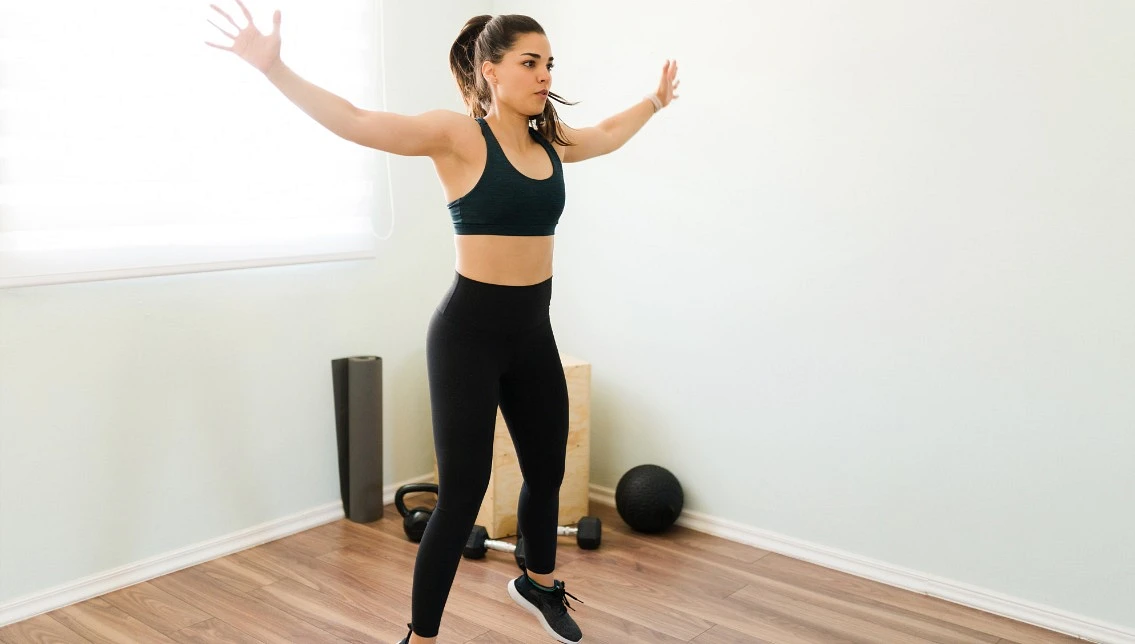
You go all-out for 20 seconds—sprinting in place, maybe, or pounding out mountain climbers. Then you stop. Breathe for 10. Repeat that push-pause cycle eight times. That's one four-minute set.
Take a full minute. Then do it again. Fit in two or three sets depending on your schedule and stamina.
This method works because the intense bursts shock your system. Your body has to work hard to recover during those brief breaks. This process ramps up your metabolic engine and challenges your cardiovascular system long after you've finished. It's a brutally efficient way to get fit.
Desk or office-friendly stretches and movements

Sitting all day at a desk does a number on your body. You can fight back without even leaving your chair. Try a seated spinal twist. Do some neck stretches. Roll your shoulders. These movements relieve tension and combat that hunched-over posture.
Get your legs in on the action. Leg lifts or seated marches engage the muscles. Stand up for calf raises. A gentle torso bend gets blood moving, cutting through that stiff feeling.
No gear needed. Just use a short break. This isn't about a full workout; it's a reset. These habits maintain flexibility and dial down stress. The result? You shake off the fog and can crank through work, focused.
Tips to Maximize Workout Efficiency
Warm-up and cool-down in short periods

Skipping your warm-up and cool-down is a gamble, even during a time-crunched grind. Start with 2-3 minutes. Not a suggestion. Light jogging or dynamic movements—think arm circles, leg swings—prime your muscles and cardiovascular system. This directly lowers the chance of getting hurt. When you’re done, don’t just collapse. Ease out of it. Slow walking and holding stretches for the worked muscle groups assist repair and boost flexibility.
These brief bookends enhance circulation, minimize next-day ache, and signal your body to transition states. Making these short rituals habitual increases the workout's payoff. That regularity builds lasting improvement.
Schedule workouts at consistent times
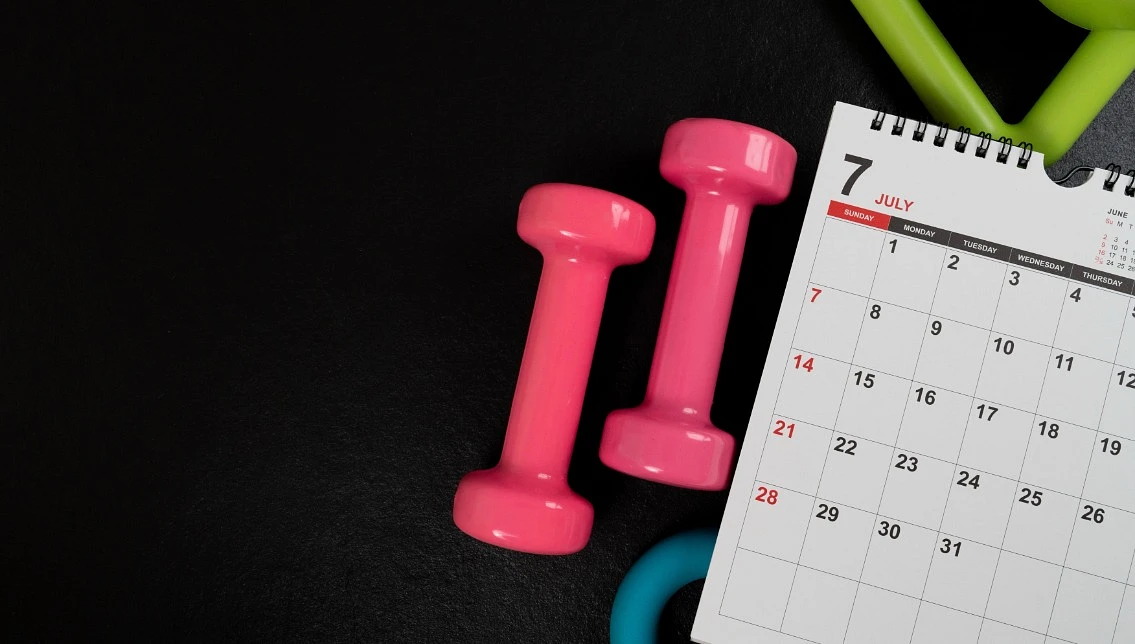
Pick a time—morning, lunch, after work—and lock it in. This ends the daily mental back-and-forth, a serious willpower drain. Your mind and body get the message, priming themselves for the task so your performance improves.
Treat this slot like a fixed appointment. That keeps it from getting lost in the daily grind. Making it non-negotiable is how you get real-world results from short sessions. It's how you protect your health long-term, even when you're completely swamped.
Use apps or timers for guidance and motivation

Using an app or timer cuts the mental load. You get a clear plan—no thinking required. Watch the demo, follow the countdown. For HIIT, an interval timer is key. It tells you when to push and when to stop.
This setup holds you accountable. It tracks your progress and sends a nudge when it's time to move. Some apps have communities and challenges, which helps.
Bottom line: the tech handles the planning. You just execute. This makes it far easier to fit a short, focused workout into a packed day.
Overcoming Common Barriers
Finding motivation during busy days
Finding motivation on a packed day is tough. Yet it's the only way a workout routine survives. Don't aim for monumental sessions. Go for small wins. That finished feeling? It builds. Use it. Remember the payoff—more energy, less stress. That thought alone can push you.
Schedule your workout like a critical meeting. Block it out. No cancellations.
For a boost, use triggers. Queue up that power song. Text a friend to meet you. Or plan a specific reward for afterward. When your day is pure chaos, forget the full routine. Do ten minutes. Something is always better than nothing. Your approach must bend, not break. The goal is simply to keep moving.
Dealing with limited space or equipment
Short on space or gear? Bodyweight exercises and compact movements work well. Squats, lunges, push-ups, planks—they need almost no room and zero equipment. Resistance bands or light dumbbells introduce variety without clutter. Use furniture for support; try tricep dips on a chair or step-ups. Short circuits combining these moves optimize limited space.
Crunched for space? Focus on moves that engage several muscle groups at once. Use your environment smartly to slip in quick sessions. Stay consistent in tiny apartments or hectic offices—skip the bulky equipment.
Adjusting workouts when energy is low
Feel drained but still want to train? Don't force it. Swap the heavy lifting for something lighter. A brisk walk, some gentle yoga, or basic stretching keeps you in the habit without wiping you out.
Scale it back. Shorten the session. Choose bodyweight exercises over high-intensity moves. Hydrate. Breathe deeply. Pay close attention to what your body tells you. Even a quick ten-minute workout can clear your head and get blood moving, which often restores some energy.
Never skip rest days. They are non-negotiable for long-term progress. This flexible approach stops burnout and keeps you active, even when your energy is all over the place.
Integrating Quick Workouts Into Daily Life

To build a lasting workout habit, block out consistent times. Morning, lunch, or evening. Scavenge small pockets of time—five to fifteen minutes is enough. Use them for a few bodyweight moves, stretching, or a power walk. Sneak movement into existing tasks. Park farther away. Take the stairs.
Set reminders on your phone for a nudge. Stick to exercises that need zero setup. No gear, no problem. You can do them anywhere.
This approach stacks up. Consistent, short efforts boost fitness around your other responsibilities, locking in long-term health.
❓FAQ❓
Can short workouts improve flexibility?
Yeah, work dynamic stretches and mobility drills into short sessions. Flexibility improves over time.
How often should I do these quick workouts for best results?
Hit three to five workouts weekly. This frequency builds a consistent routine. Expect clear progress in your fitness.
Can quick workouts replace all traditional gym workouts?
General fitness? Cardio? They handle that. But heavy strength training demands longer sessions.