







🎯Too Long; Didn’t Read
Each city offers different vibes.
-
Vegas if you want excess and don't sleep. New Orleans for music and drinks in the streets.
-
NYC for variety and subway access home.
-
Miami if beaches and bass matter.
-
Austin and Nashville prioritize live music over everything else.
-
Chicago gives you neighborhood bars and late-night food.
-
LA requires driving but offers every possible scene.
-
San Francisco? Smaller, denser, easier to navigate drunk.
When the sun sets, some cities transform. Others just keep going. The U.S. has spots where nightlife isn't just an afterthought—it's the whole point. Here's where to go when you want more than just a drink after work.
New York City
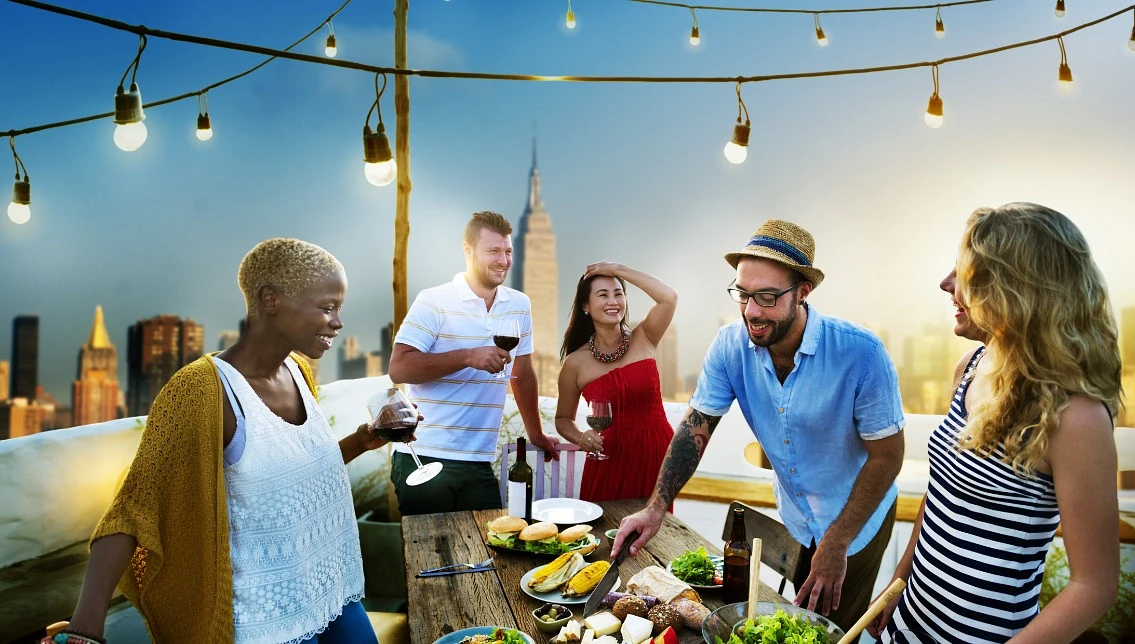
The subway runs all night. That tells you something. NYC doesn't do curfews.
Manhattan's Different Faces
The Lower East Side packed dive bars next to cocktail lounges that cost $22 per drink. Both spots stay full until 4 a.m. You can stumble between them.
The Meatpacking District went from actual meatpacking to clubs where bouncers decide your fate based on shoes.
Williamsburg in Brooklyn? Warehouse parties, rooftop bars, spots that open and close before you even hear about them.
Midtown has the big names. Times Square glows all night, though most locals avoid it. Hell's Kitchen pulls in the theater crowd and the queer community. Bars there? They pour heavy and stay packed.
The Brooklyn Situation
Cross the bridge and things spread out. Bushwick hosts the late-late parties. Techno basements. DIY spots in former factories. Park Slope has wine bars where people actually talk. DUMBO offers views of Manhattan while you drink overpriced cocktails.
The boroughs each do their own thing. Queens has Astoria's Greek clubs and Long Island City's warehouse conversions. The Bronx? The birthplace of hip-hop still throws parties that go until sunrise.
Las Vegas
Vegas built itself on nightlife. The whole city exists for this.
The Strip
Casinos pump oxygen to keep you awake. Not really, but they do everything else. Clubs here cost $50 to enter—if you're lucky. Bottle service? Four figures, easy. XS, Omnia, Hakkasan—the mega clubs rotate DJs who make more per night than most people earn annually.
But here's the thing: open bars run 24/7. Gambling floors never close. You can get a drink at 6 a.m. on Tuesday without anyone judging.
Beyond the Tourist Track
Downtown Vegas got revitalized. Fremont Street has the old-school vibe. Cover bands, cheaper drinks, the canopy overhead with light shows. Arts District? Actual locals drink there. Dive bars, craft breweries, spots that close at 2 a.m. like normal places.
The pool parties during summer need their own category. Day parties that blur into night. DJs start at noon. People dance in swimwear until sunset, then hit the clubs.
Miami

Beach culture meets Latin influence. The result? Parties that start late and end later.
South Beach
Ocean Drive looks like a movie set. Because it's been in hundreds of movies. Clubs here don't get going until midnight. One a.m. hits and the real crowd shows up. LIV at the Fontainebleau hosts celebrities who buy $10,000 bottles of champagne with sparklers.
The bass from clubs on Collins Avenue rattles car windows blocks away. Beach bars transition from sunset cocktails to dance floors. Some spots open directly onto the sand.
Wynwood and Design District
Wynwood's walls got covered in murals. Then the bars came. And galleries. And clubs. The vibe here skews younger, artier, hipper—whatever that means anymore. Breweries, craft cocktail spots, electronic music venues.
Design District went upscale. Lounges where presentation matters. But the energy still hits differently than South Beach. Less tourists in swimsuits, more locals who dress up.
Little Havana
Salsa clubs on Calle Ocho. Live bands that make you want to dance even if you don't know how. The crowd here includes grandmas and college students. Everyone dances. Mojitos flow. The music doesn't stop.
New Orleans
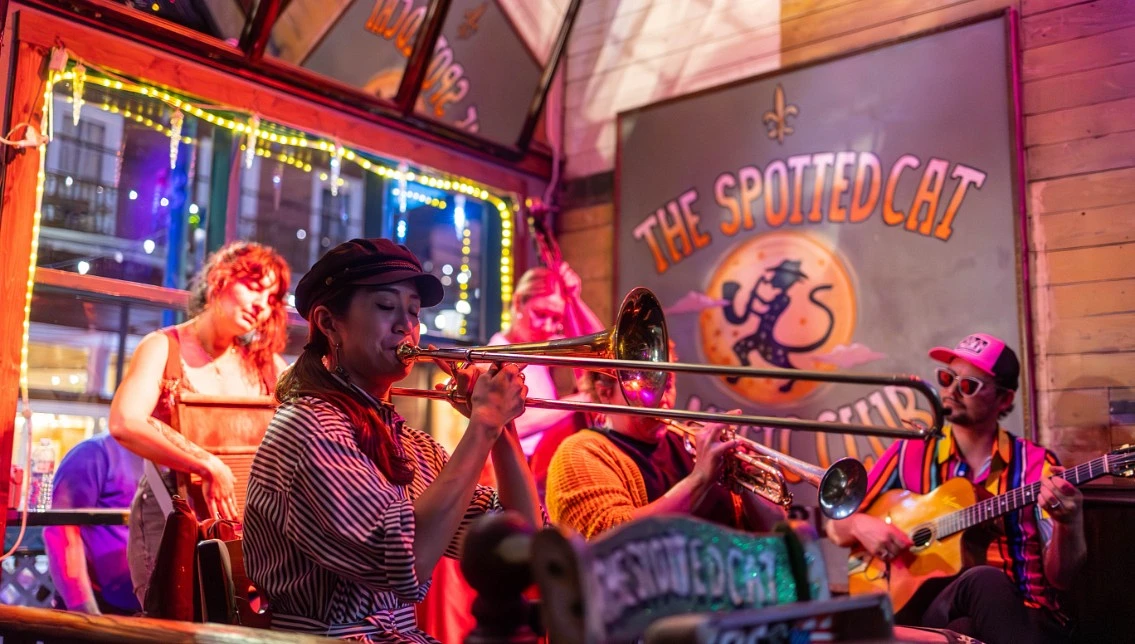
This city throws a party for random Tuesdays. Mardi Gras? That's just when everyone shows up.
Bourbon Street and Beyond
Yeah, Bourbon Street exists. Frozen daiquiris in plastic cups shaped like hurricanes. Bachelor parties. Street performers. Vomit on sidewalks. But locals avoid it. They hit Frenchmen Street instead.
Frenchmen has the live music. Jazz clubs, brass bands, blues spots where musicians jam after their official gigs end. No cover charges at many places. Just strong drinks and actual talent.
The Bar Culture
New Orleans lets you walk around with drinks. To-go cups from bars are standard. This changes everything. The streets become part of the nightlife. Magazine Street has the neighborhood bars. Irish Channel pubs. Uptown spots near Tulane.
Bars never really close here. Or if they do, another one stays open. The city has a relationship with alcohol that predates Prohibition. They've figured out how to drink sustainably—pace yourself, eat beignets at 3 a.m., repeat.
Austin
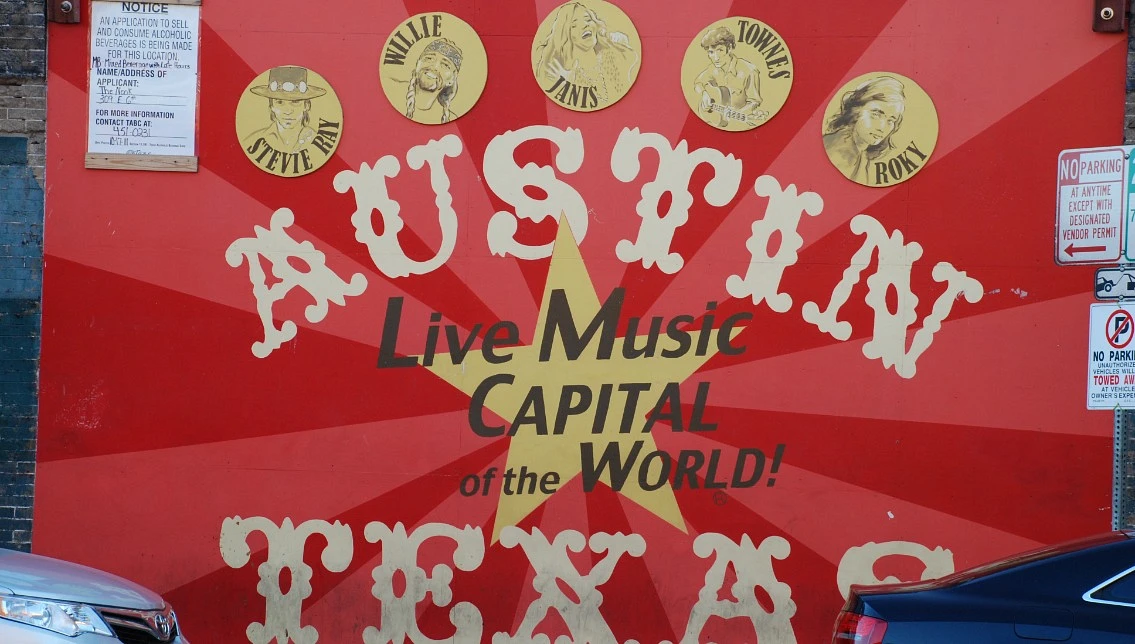
Self-proclaimed music capital. They might be right.
Sixth Street
Three blocks of concentrated nightlife. Dirty Sixth has the chaos. College kids, tourists, bands playing in open doorways. Drinks cost $4. East Sixth got gentrified—craft cocktails, gastropubs, higher price points.
West Sixth? That's where people in their 30s go. Lounges, upscale bars, places with actual food menus.
The Music Scene
Austin sold itself on live music. Venues pack every night, not just weekends. The Continental Club hosts rockabilly and Americana. Stubb's BBQ has concerts and, well, BBQ. Mohawk's outdoor space hosts punk, metal, and indie bands.
Rainey Street converted houses into bars. Patios, food trucks, a neighborhood feel despite the crowds. The drinks lean craft—local beers, TX whiskey, inventive cocktails.
Los Angeles
LA sprawls. The nightlife does too.
Hollywood and West Hollywood
Sunset Strip still matters somehow. The Whisky a Go Go, Rainbow Bar & Grill—they survived decades. New spots pop up constantly. Hollywood Boulevard has clubs that cater to tourists and locals separately, often in the same building on different floors.
West Hollywood owns the LGBTQ+ nightlife. The Abbey, Rage, Mickys—these spots packed every night. Santa Monica Boulevard between Doheny and La Cienega lights up after dark.
Neighborhoods With Vibes
Downtown LA converted old buildings into everything. Rooftop bars in former banks. Speakeasies behind taco shops. Arts District breweries in warehouses.
Silver Lake and Echo Park? Dive bars, music venues, karaoke spots where industry people drink after work. Venice has the beach bars. Santa Monica's Third Street Promenade does the tourist thing.
Koreatown deserves attention. Karaoke until 4 a.m. KBBQ places with soju bottles. Clubs that play K-pop. The density of spots here rivals any neighborhood in the city.
Nashville
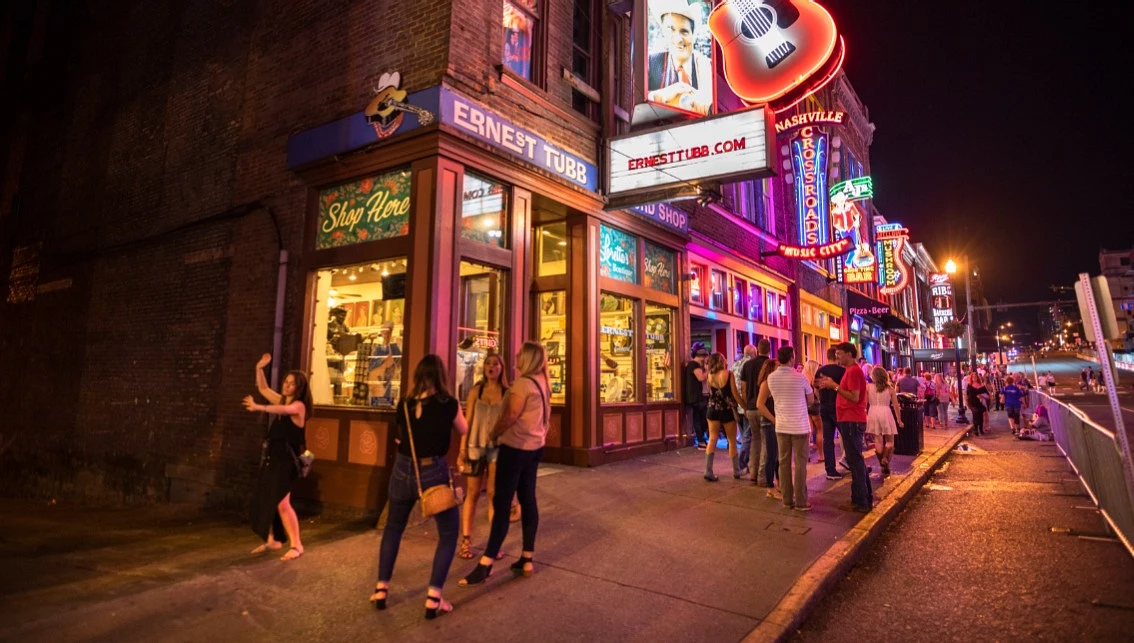
Broadway doesn't sleep. Honky-tonks hire live bands that rotate sets every few hours.
Broadway and Downtown
Free live music—it’s the Broadway promise. Walk the strip: every joint has a stage, a band, and no cover. Simple math. They survive on drink sales and tourist traffic. And it works. Tootsies, Robert's, Kid Rock's place. Names vary; the blueprint doesn't. It's country tunes, thick crowds, and cold beer.
For a different vibe, head over to Printer's Alley. The spots here are smaller, weirder. Think blues clubs, dive bars, rock venues. You'll find fewer tourists, more locals. The scene is just different.
East Nashville and The Gulch
East Nashville has the indie scene. Bars with vinyl collections. Venues that book punk bands and folk singers. The vibe here rejects the Broadway scene entirely.
The Gulch went upscale. Lounges, cocktail bars, rooftop spots with views of downtown. People dress up here. Reservations matter.
Chicago
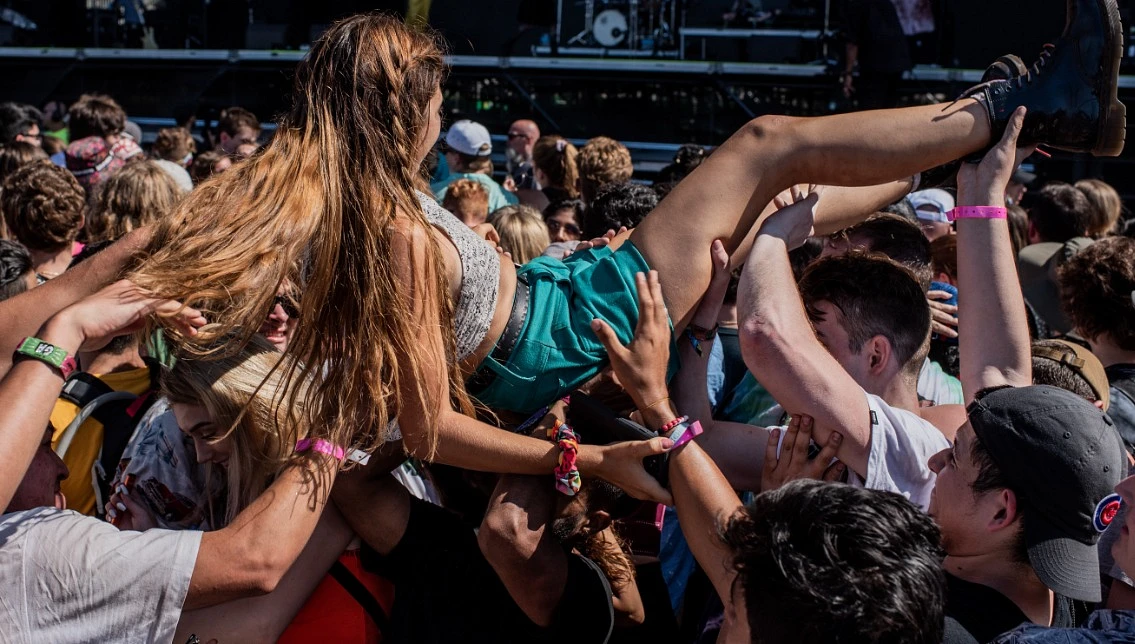
Wrigleyville rages after Cubs games. River North has the clubs. Each neighborhood does its own thing.
The Neighborhood Scene
Logan Square: craft cocktail bars and dives exist side-by-side. Both? Packed. Meanwhile, Wicker Park swapped its punk rock vibe for something more polished, but didn't completely lose its edge. Uptown holds down the legacy with jazz clubs and spots like the historic Green Mill.
The Loop's a different story—it clears out after dark, save for the theater crowds. But just over in West Loop and Fulton Market, they took over old industrial spaces and turned them into the city's newest lounges and clubs. Brick and steel now house the nightlife.
Late Night Culture
Chicago closes at 2 a.m. on weeknights, 3 a.m. on Saturdays. Some spots have 4 a.m. licenses. After-hours scenes exist but operate quietly. The city's drinking culture runs deep—neighborhood taverns, sports bars, music venues that host local bands.
San Francisco
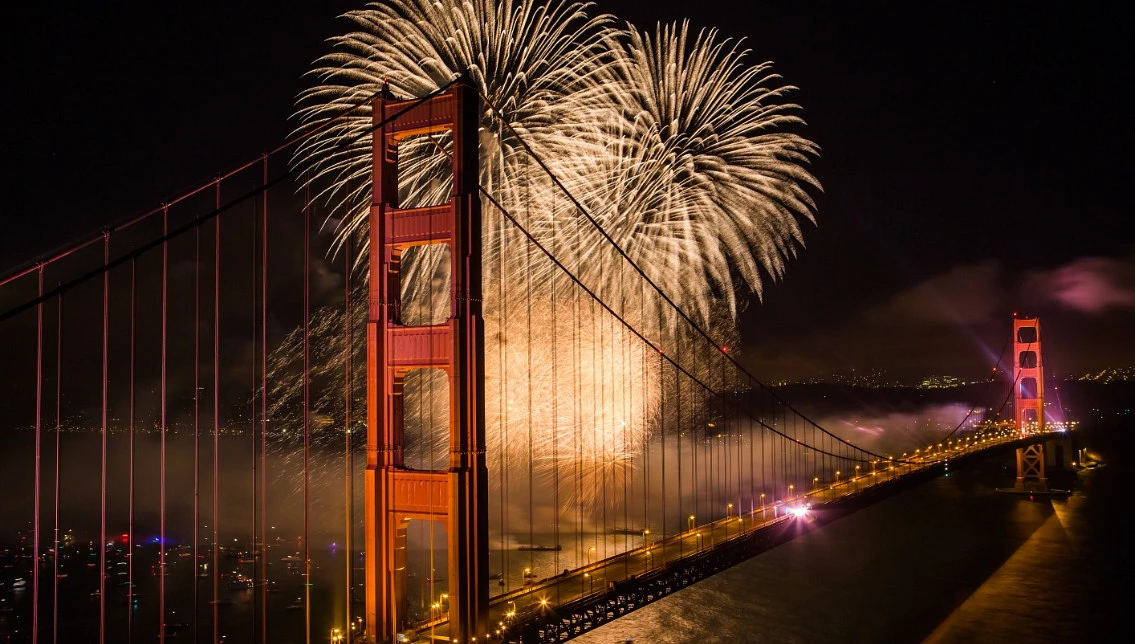
The Castro still parties. The Mission has everything from dive bars to craft cocktail lounges. North Beach does the Italian-American bar thing mixed with strip clubs and jazz spots.
The Marina caters to finance bros. SoMa has big clubs. Polk Street pulls in a mixed crowd. SF closes earlier than other major cities—2 a.m. cuts the night short compared to NYC or LA.
❓FAQ❓
What is the best city for late-night food after partying?
Hit up pizza spots, food carts, or diners in Chicago or NYC. These places keep serving long after bars shut down.
Are there cities known for daytime or pool parties?
Pool parties in Las Vegas kick off around noon and keep going until sunset. This mashup blends daytime chill with after-dark energy.
Which cities have nightlife that supports public transit convenience?
Thanks to its 24/7 subway, NYC stands out. Bounce between nightlife spots—no car needed.
Where can you experience a strong mix of music genres live?
Austin and Nashville. One corner pulses with punk, another breathes classic country. You get rockabilly's twang, Americana's soul. It's all there, from stadiums to no-frills dive bars, the sound pumping through the city's veins.
Are there cities where it’s socially acceptable to drink openly in public streets?
New Orleans lets you roam with a drink in a to-go cup. It's permitted. That rule means street life merges with the nightlife.