








🎯Too Long; Didn’t Read
-
Powder hounds should target January or February, crowds and high costs be damned.
-
Hikers have two winning windows: July for wildflowers, or September for stable weather and actual solitude.
-
Budget travelers eye the shoulder seasons and weekdays.
-
Photographers have one go-to: late September through early October for those fall colors.
Also remember:
-
Any season, a weekday visit beats a weekend. Roads flow. Trails clear out. Hotels drop rates. If possible, schedule Colorado for Monday through Thursday.
-
The weather here is wildly unpredictable. Pack layers, always. Mountain storms are fast-developing. Denver could hit 75°F while the high country gets slammed with snow. Check forecasts obsessively, then prepare for the opposite.
-
Book accommodations early for peak periods. Ski resort lodging fills months ahead for holidays and spring break. Summer weekends near national parks are gone by early spring. Shoulder seasons like September and October, however, often have last-minute availability.
The elevation dictates terms. Sweat in Denver one afternoon, then shiver at a pass the next morning. Timing a visit hinges on two things: intended activities and tolerance for unpredictability. The weather has no patience for plans.
Understanding Colorado's Seasons
Winter Brings the Ski Crowds
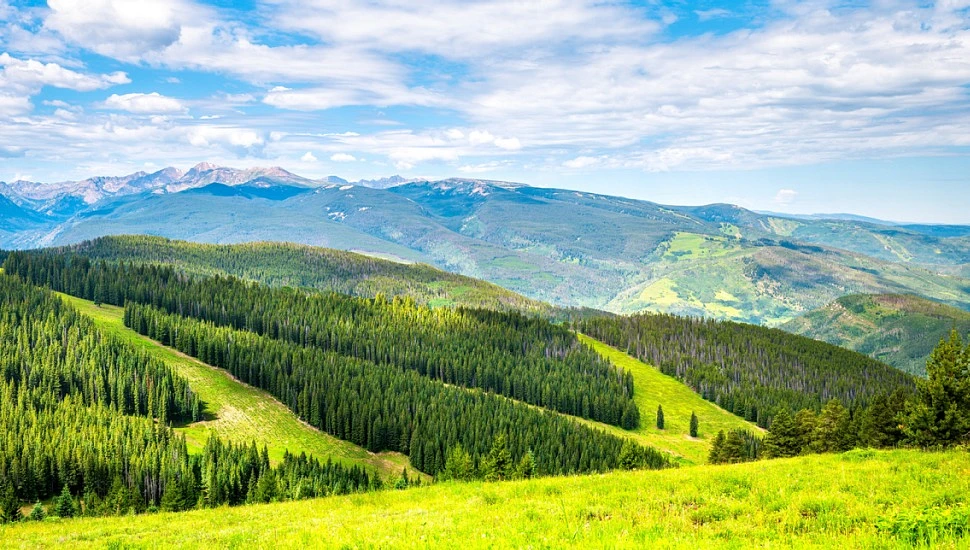
December through February? Colorado's ski scene goes full throttle. Vail, Aspen, Breckenridge—they're packed. Fresh powder comes standard, but so are endless lift queues and I-70 traffic that just doesn't move.
Temperatures swing. Up in the mountains, expect 15 to 35°F. Down in Denver, it’s milder, frequently hitting the 40s and 50s. That famous sun—300-plus days a year—creates a weird split: skiing in a t-shirt one minute, then scrambling for a parka the second you slide into shade.
Snow in the high country is reliable. Season runs November to April, even May at the highest peaks. Resorts guarantee runs with massive snowmaking investments, so a dry spell rarely means a total shutdown.
Beyond the slopes, options open up. Ice climbing, snowshoeing, fat-tire biking. Towns like Ouray actually freeze waterfalls for climbers. Frisco and Leadville keep trails groomed for winter hiking and biking.
Accommodation during the holidays is a genuine scramble. Prices skyrocket from mid-December through early January. For a Christmas visit, book several months out. Otherwise, brace for rates to double.
Spring Is Weird
March through May exists in limbo. While the high peaks still take on feet of snow, Denver thaws. Don’t trust the forecast—you’ll likely get four seasons between sunrise and sunset. Morning frost, afternoon sun, evening thunder. A total coin flip.
April and May turn mercurial. Front Range snowstorms can dump two feet overnight, vanishing days later. Travel plans disintegrate: flights scrapped, highways shut. For those who adapt, rewards appear—emptier spaces, lower costs.
Ski resorts begin their wind-down. Some shut in early April; others limp toward Memorial Day. Snow turns slushy and heavy, a far cry from January’s dry powder. But if crud doesn’t faze you, the runs are yours alone.
Up high, spring means mud season. Trails become swamps. Forest Service roads stay closed, blocked by snow or ruined by muck. This is not the time for casual backcountry trips—experience is mandatory.
Meanwhile, Denver and Front Range towns bloom. Parks flash green. Restaurant patios reopen. Breweries shake off winter’s hibernation. The city’s entire vibe lifts as people stream back outside.
Summer Packs Them In
Colorado tourism peaks from June through August, drawing crowds simultaneously. Families escape scorching home states, while Europeans settle in for lengthy holidays. The mountains swarm with hikers, bikers, and campers.
Weather generally stabilizes. Denver sees highs from 85° to 95°F, with the mountains staying cooler—often in the 60s and 70s. Afternoon thunderstorms build regularly, particularly in July and August. They arrive abruptly, delivering lightning, hail, and sudden floods.
Trails become accessible. Most hiking routes clear of snow by late June, though higher passes can hold it until July. Wildflower displays hit their stride from late June through early August. Meadows explode with columbines, lupines, and Indian paintbrush.
Rock climbing enters its prime. Crags like Eldorado Canyon, Shelf Road, and the Boulder Flatirons get packed. Sport climbers, trad climbers, and boulderers all converge. Weekend parking lots are full by 8 AM.
Securing a campsite turns competitive. Reservable sites are gone months ahead. Dispersed camping spots vanish quickly. Weekend warriors claim ground by Thursday evening; arriving Friday afternoon means cruising for leftovers.
Festivals dominate every weekend. Towns host music events, food fairs, and art shows constantly. Telluride runs multiple festivals. Aspen features classical music. Denver schedules weekly concerts and cultural events.
Prices mirror the demand. Hotel rates often double winter figures. Mountain town vacation rentals command premium rates. Even developed campgrounds raise their fees.
Fall Delivers the Goods
September through November might be the sweet spot. After Labor Day, the tourist tide recedes. Schools are back in session. The air stays mild, while the aspens go electric.
Viewing shifts with the terrain.
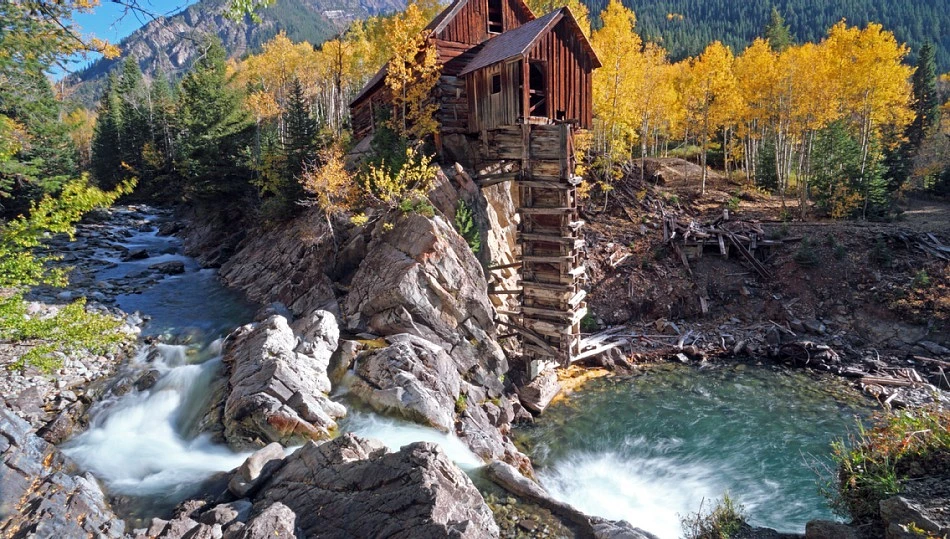
At the highest elevations—9,000 to 10,000 feet—color usually ignites in late September. Lower areas follow, lagging by a week or two. Prime spots include the San Juans, Maroon Bells, and Kenosha Pass. Timing is everything.
The difference on the ground is tangible. National park visitation can drop by half. Campgrounds have openings. Trails quiet down. Parking becomes a possibility, not a battle.
The weather isn’t predictable. September often delivers a stretched-out summer. October mornings bite, then afternoons warm up. By November, winter edges in. Mountain snow can arrive as early as late September; some Octobers bring heavy storms, others hold off until Thanksgiving.
Hunting seasons introduce another factor. Elk hunting draws dedicated crowds. Rifle season in October sends hunters deep into the backcountry. Hikers should wear orange—non-negotiable.
Meanwhile, cities pulse differently. Denver gets jacked on Broncos football. Restaurant patios extend service through September, often into October. Cultural venues debut new exhibitions and performances, no longer jockeying with the summer festival crowd.
Activities and Timing
Skiing and Winter Sports
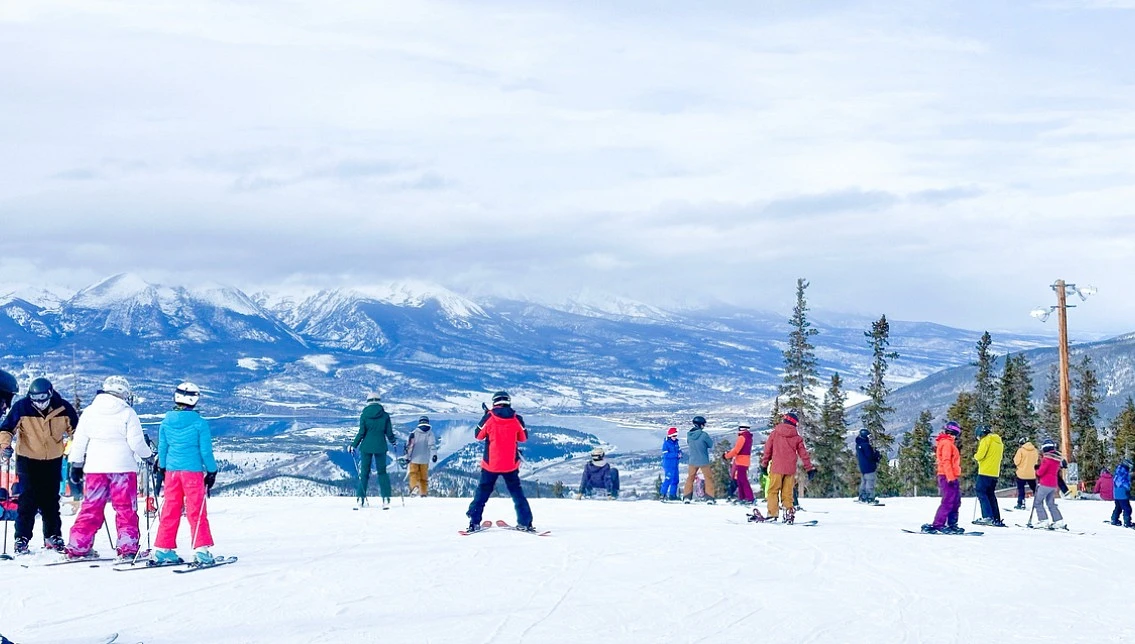
For powder days, target January and February. March stretches things out—still decent snow, plus more daylight. Pre-holiday November and December? Empty slopes, before the crowds descend.
Backcountry access demands patience. Wait for the snowpack to settle, typically around January. Avalanche risk shifts constantly; an avalanche safety course is essential, not a suggestion.
Resort pricing is dynamic. Expect a holiday price surge. Weekdays undercut weekends. January often discounts to attract visitors after the holidays. Spring skiing comes cheapest, but snow conditions degrade.
Cross-country skiing and snowshoeing simply need snow. Nordic centers near Frisco, Durango, and Steamboat provide groomed tracks. Otherwise, dispersed winter recreation opens statewide with sufficient snowfall.
Hiking and Outdoor Adventures
Summer hikes? Everyone assumes peak season is best. But shoulder months—June and September—hold hidden edges. Longer daylight, sure, but without July’s violent afternoon storms. September locks in near-perfect stability.
Consider Colorado’s fourteeners. Climbing those 14,000-foot peaks demands precision. Safest window? July and August, once the snow recedes. Consequence? Crowds. Summer weekends on Quandary or Bierstadt see hundreds queuing up.
Dawn patrol is non-negotiable. Trailheads pack out by sunrise. Weather dictates the schedule: summit before lunch, retreat well before afternoon. Lightning above treeline turns deadly fast.
Rock climbing stretches across three seasons. Spring and fall dominate the frontcountry crags. Summer pushes climbers higher, where altitude counters the heat. Winter? Follow the sun to south-facing walls and low-elevation limestone.
Mountain biking explodes when trails dry. Resort bike parks spin lifts from June onward. History runs deep in Crested Butte—the sport’s birthplace. Then there’s Moab. Technically Utah, but a magnet for Front Range riders seeking slickrock.
River running follows the snow. May and June unleash meltwater, ramping up rapids. Flows taper by midsummer. Exceptions exist. The Arkansas through Browns Canyon delivers consistent rides, all season long.
City Experiences
Denver never closes. Museum doors stay open. Restaurant kitchens keep firing. Sports teams cycle without pause—the Broncos own fall and winter, the Rockies claim summer, the Nuggets and Avalanche split winter and spring.
Craft beer culture is always going strong, but brewery patios truly come alive in spring and fall. The Great American Beer Festival lands in early October, packing the city with beer nerds. Hotels sell out instantly.
Red Rocks Amphitheatre stays booked from April into October. The place is in Morrison, just west of Denver. Seeing a show there is a bucket-list item. The acoustics and setting create a specific, unforgettable experience.
Boulder rides its unique hippie-college-tech-bro mash-up year-round. Pearl Street Mall stays active even in winter, though summer draws crowds and street performers. The Flatirons loom over everything, a constant jaw-dropper.
Colorado Springs orbits Pikes Peak and Garden of the Gods. Both are open regardless of season, but winter can close the road up Pikes Peak. Garden of the Gods stays accessible, always free, a reliable go-to when plans change.
Crowds and Costs
Tourism moves in reliable rhythms. Summer weekends? Forget solitude. Winter weekends at ski resorts test both patience and bank accounts. Weekdays, though, provide a reprieve, even in the thick of peak season.
The stretch from Memorial Day to Labor Day is packed solid. Visitors arrive in relentless waves. Overcrowding forces Rocky Mountain National Park to use timed entry; the Maroon Bells require vehicle reservations.
Shoulder seasons—May, September, October—strike a balance. Conditions remain favorable, while crowds thin noticeably. You’ll share the space without competing for it. Prices fall, typically 20-40% below peak rates. Last-minute lodging options actually exist.
For the budget-conscious, target the deeper off-season: November before Thanksgiving, March after spring break, and April. Hotel deals appear. Airfares dip. The weather becomes less reliable, a direct trade-off for significant savings.
Regional Differences
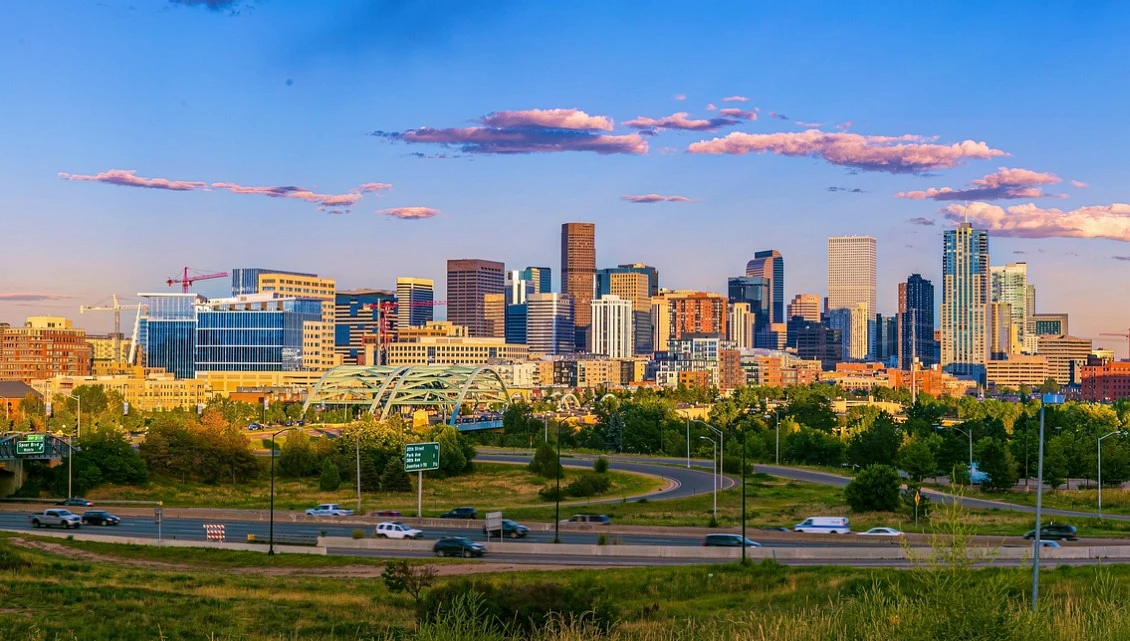
Colorado’s climate defies a single schedule—what works in one area misses completely in another. Elevation is everything.
-
Take the Western Slope. Places like Grand Junction or Durango hang onto warmth and dryness. Spring shows up early; fall overstays its welcome. Down in the lower desert landscapes, hiking season kicks off while the high country still lies buried under feet of snow.
-
Then there’s the San Luis Valley. High altitude, yes, but flat and thirsty for sun. It gets it—unbroken sunshine, year-round. Great Sand Dunes National Park operates in every season. Summer heat hits differently, though. And winter? It dusts those dunes with snow, creating something genuinely strange.
-
Speaking of extremes, the San Juan Mountains in the southwest catch monumental snow. The Million Dollar Highway, that vital link between Ouray and Silverton, shuts down periodically when avalanche danger spikes. Yet the scenery never clocks out—stunning, regardless of the month.
-
Southeast Colorado often gets skipped. A mistake. Comanche National Grassland, Picture Canyon, and scattered canyons provide a clear alternative to the mountain frenzy. Spring and fall temperatures here are manageable, a viable option when the high country is either freezing or overrun.
❓FAQ❓
What’s the best time to visit Colorado if I’m worried about altitude sickness?
Late May through June and then September provide moderate temperatures. This allows for an easier acclimatization process: spend a night in Denver or another lower-elevation town first. Then head for the high country.
When should I visit Colorado with young kids or older travelers?
Prioritize reliable access. Late June to early September is the window. Roads and parks are fully open; shorter, manageable trails are clear. This period maximizes sightseeing without demanding difficult hikes.
What’s the best time of year for Colorado hot springs?
Visit from late fall through early spring. The experience is defined by that contrast—steaming pools against cold air. You’ll also avoid the intense, high-elevation summer sun at exposed springs.