









🎯 Too Long; Didn’t Read
-
The most reliable window arrives September through October. The weather cooperates. Crowds thin. Everything stays open.
-
Spring—mid-April to May—offers a second chance, though storms can muddy plans.
-
Summer works if lakes and water sports are the goal; the heat is part of the deal.
-
Winter suits city-focused visits, indoor attractions, or deal hunters.
Also remember:
-
Budget planning directly influences travel timing. Summer and winter typically see lower accommodation rates, though summer heat can be a trade-off. Fall demands higher prices during peak foliage but provides more comfortable conditions.
-
Visitor risk tolerance is another factor. Spring storm and tornado possibilities deter some. Others avoid winter due to potential travel disruptions.
-
Preferred activities set the schedule. Water sports are a summer pursuit. Hiking peaks in spring and fall. Indoor attractions remain accessible regardless of season.
-
Crowd preference is key. Summer and holiday weekends swell popular spots. The months of September to October and April to May typically balance manageable visitor numbers with agreeable conditions.
Missouri sits squarely within a continental climate zone. What does that mean? Expect extremes. Summers deliver thick, humid heat. Winters arrive with biting cold and sporadic snow. Spring and fall act as brief buffers—often considered the state’s most agreeable seasons.
Annual precipitation hovers near 45 inches. Rain falls year-round, though spring regularly gets soaked. In St. Louis and Kansas City, summer humidity climbs to a point where the air feels dense, almost soupy.
Temperature records whiplash. A 60-degree February day happens. So does a plunging cold front that steals 30 degrees overnight. Packing layers isn’t a suggestion.
Spring: March Through May
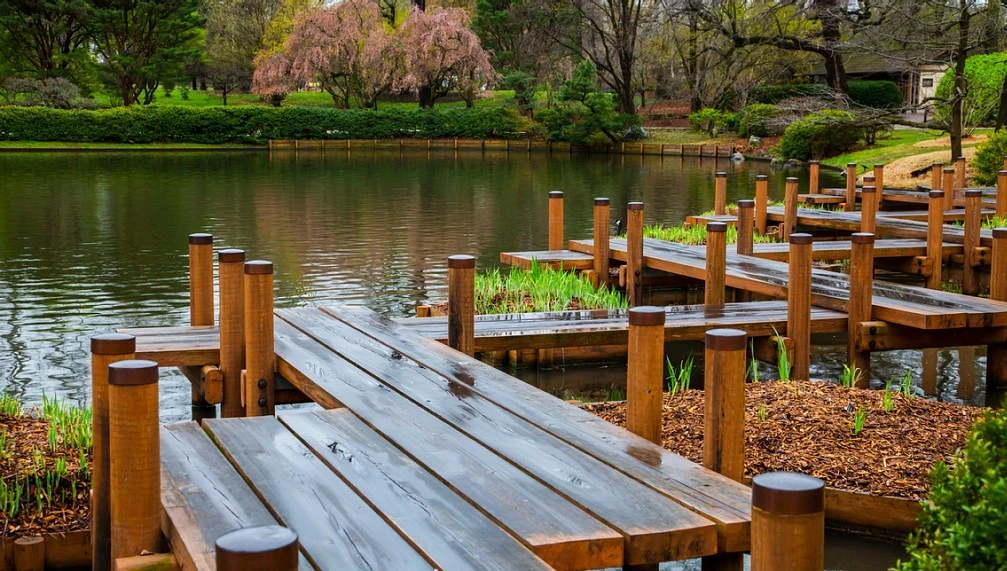
Why Spring Works
April unleashes dogwoods and redbuds across Missouri. The landscape erupts. In St. Louis, the Botanical Garden becomes a sheer draw. Ozark trails reopen, a welcome respite before the deep, oppressive heat settles in.
But spring here carries a temper. Storms are routine. Tornado season really kicks off from April to June, mostly out west and centrally. Visiting? Watch the forecasts closely.
Spring weather in Kansas City can’t make up its mind. Mornings often demand a jacket; afternoons flirt with summer. St. Louis runs on a similar clock, just warms up a touch faster.
Spring Activities
State parks shed their hibernation. Ha Ha Tonka stirs—castle ruins standing sentinel over empty sinkholes, all quiet and open for taking. Johnson's Shut-Ins unlocks its gates; forget the summer scramble for pavement, the crush of bodies.
Meanwhile, fishing comes into its own. The water loses that last bite of winter. At Lake of the Ozarks, Table Rock, along nameless river bends, tackle boxes appear. Attention narrows to bass, to crappie—the real prize.
Baseball season. Both the Cardinals and Royals settle into their home rhythms. The experience at Busch or Kauffman Stadium—the crack of the bat, the stadium roar—is the real deal, far beyond anything a television broadcast delivers.
Summer: June Through August
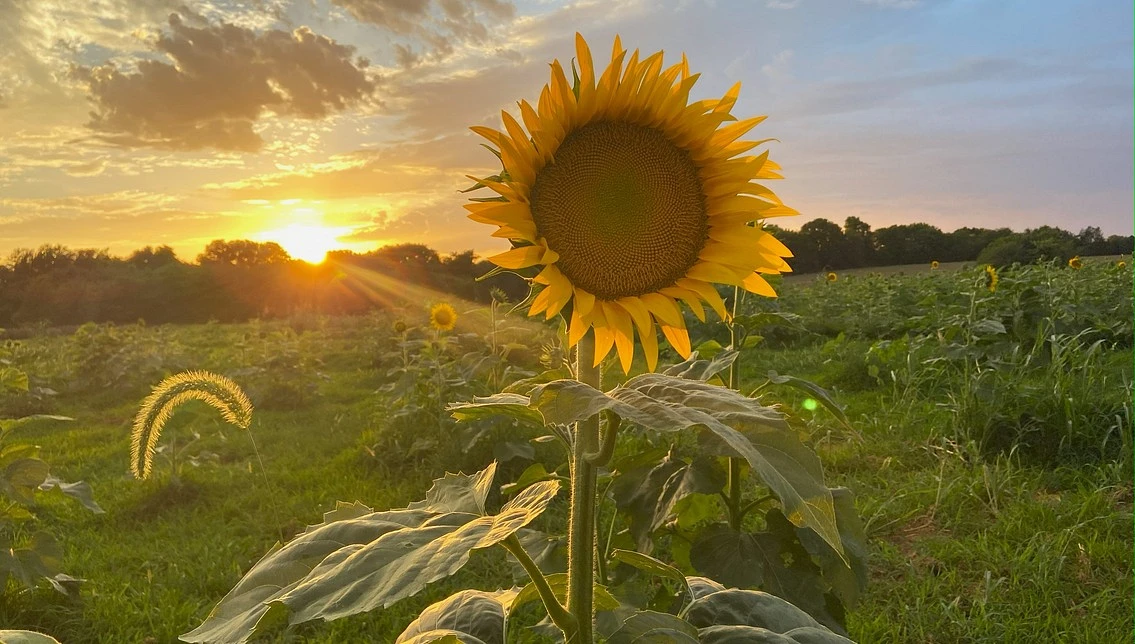
The Summer Reality
Missouri summers demand a high heat tolerance. Air conditioning shifts from luxury to essential infrastructure. Plan outdoor activity for dawn or dusk—the day’s only merciful windows.
But the season also unlocks the water. Lakes and rivers swell with traffic. At the Lake of the Ozarks, the scene morphs into full-blown party central. Meanwhile, families claim water parks and secluded swimming holes.
Regular summer afternoons brew up thunderstorms. These abrupt, intense systems rage briefly before moving on. Their passage leaves behind a temporary, muggy relief—a reset before the heat rebuilds.
Summer Highlights
State fairs command August. For eleven days, Sedalia swells for the Missouri State Fair—a packed circuit of livestock competitions, concert stages, and fried food on sticks.
As summer wanes, St. Louis pulses with the Big Muddy Blues Festival over Labor Day weekend. Its riverfront location and free admission draw crowds who tolerate the lingering heat for the music.
Meanwhile, rivers provide relief. On the Current and Jacks Fork, multi-day float trips peak. These journeys, combining camping with the current, facilitate a full disconnect.
For a strategic retreat from the sun, Kansas City and St. Louis offer brewery tours. Boulevard and Anheuser-Busch provide climate-controlled alternatives when the outdoors overwhelms.
Fall: September Through November
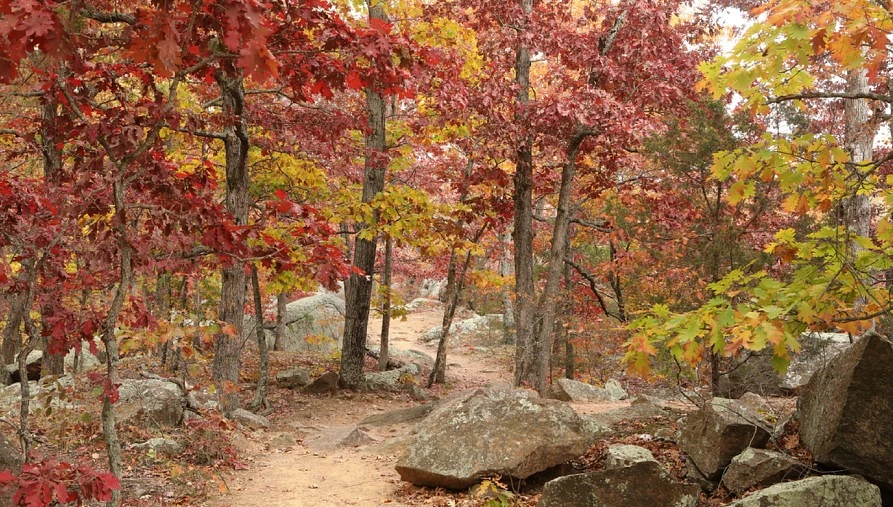
Peak Fall Conditions
October settles into the 60s and 70s. The spring rains taper off. Weather stabilizes—fewer sudden changes, fewer storms.
Hills in the Ozarks become waves of color: red, orange, yellow. Peak foliage usually hits mid to late October. Timing, of course, depends on that year’s weather.
Crowds thin after Labor Day. Popular spots open up; no more fighting for space. Hotel rates frequently dip, too. The shift is palpable—space to breathe, room to wander.
Fall Activities and Events
High school football commands Missouri’s Friday nights. For the college scene, head to Columbia—Mizzou’s games deliver a whole vibe if you’re into that.
When the air chills, wineries in Hermann and Augusta shift into harvest mode. This is Missouri wine country’s prime season. Weekends buzz with tastings, tours, and the crush of the grape harvest.
Orchards and pumpkin patches swing open their gates. Families and Instagram crowds flock there, hunting for the perfect apple or losing themselves in corn mazes.
Fall also means hunting season. Deer and turkey openings turn Missouri’s public lands into a regional draw—an annual ritual for many.
As October deepens, Halloween takes over. Places like the Creekside Haunted House near Kansas City gain notoriety for sheer, harrowing intensity.
Winter: December Through February
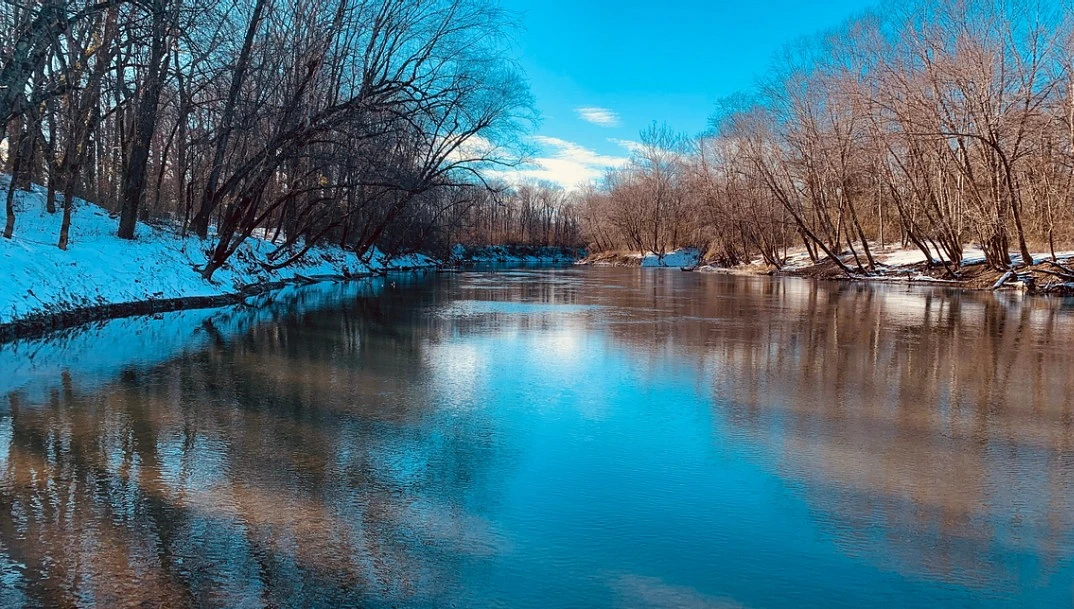
Winter Weather Patterns
Temperatures hover in the teens or forties. Come January, the cold settles into the bones. It occasionally plunges into single digits, but those deep freezes never last.
Snowfall is all over the place. Major cities see around 18 inches on average, but that number lies. The south might get a mere 10, while the north collects over 20. The real story isn't snow—it's ice. Freezing rain sheathes the world: roads, trees, power lines. Everything becomes treacherous. It causes blackouts and turns commutes into hazards.
Winter Considerations
Outdoor recreation slows but doesn't stop. On milder days, hiking trails remain open. State parks offer profound solitude; few visitors brave the cold.
December belongs to holiday events. Kansas City and St. Louis both install elaborate light displays. Country Club Plaza in Kansas City becomes a full winter spectacle.
When the chill sets in, indoor attractions carry the season. People hunker down in museums, breweries, distilleries, and restaurants. St. Louis’s City Museum operates year-round, promising hours of exploration.
Branson, Missouri’s entertainment hub, keeps its rhythm through winter. Shows and theaters maintain regular schedules. Silver Dollar City fully converts into a Christmas theme park.
Regional Differences Worth Noting
-
Down in the southeast Bootheel, the feel is pure Deep South. Winters stay mild, but summers? They swing a one-two punch of heat and humidity.
-
Then the land heaves upward. Southern Missouri rises into the Ozarks—an ancient, rumpled landscape gouged by rivers and ridges, tailor-made for hiking, floating, and climbing. Gateway towns like Branson, Springfield, and Rolla act as jump-off points.
-
Head north, and everything flattens out. The land opens into vast, sweeping farmland. Here, winters bite. Summers still get hot, but the air loses some of that heavy, wet heat found farther south.
-
Urban anchors sit on opposite borders, each with a separate vibe. St. Louis channels its European roots and enduring Mississippi River ties. Kansas City, in contrast, runs on jazz traditions, barbecue craftsmanship, and straightforward Midwestern sense.
Events Calendar Impact
Missouri’s yearly calendar is marked by gatherings that pull people outside. Festivals tend to follow the weather, beginning each spring along the rivers.
-
The Big Muddy Folk Festival arrives in Boonville come April. Not long after, Belleville hosts its Art Fair on the Square in May. Meanwhile, crowds converge on Forest Park for the sizable St. Louis Earth Day celebration.
-
Summer shifts the focus to riverbanks and music. KC Riverfest takes over the Missouri in June. By August, the state fair hits full swing. Then, as September rolls in, Columbia’s Roots N Blues Festival draws dedicated music fans.
-
Fall brings a communal turn. Oktoberfest setups pop up everywhere during October, with Kansas City’s version standing out as a major draw. As that month closes, attention shifts to numerous Halloween activities.
-
Winter revolves around light and tradition. Elaborate holiday displays begin illuminating towns from late November through December. Finally, First Night celebrations provide a communal way to ring in the New Year across multiple cities.
Practical Tips
-
Weather apps become essential in spring—conditions can shift violently, without warning. Check the forecast. Then check it again.
-
Pack for chaos: a jacket, a tee, maybe both. Layers are the only reliable strategy, since Missouri’s climate routinely ignores dates on the calendar.
-
Secure accommodations early. October weekends in wine country and summer months at the Lake of the Ozarks sell out, fast.
-
Cities offer limited transit options, but to actually explore the state, a car is non-negotiable. Renting one is the obvious move.
❓FAQ❓
When is the best time to visit Missouri if I have allergies?
For those managing pollen allergies, Missouri’s spring is rough. Easier breathing typically arrives late October through November, or in the deep winter months.
What’s the best season for photography in Missouri?
Fall delivers dramatic color under clear light. Winter offers stark scenes without the crowds.
Are mosquitoes and ticks a big problem, and when?
Mosquitoes and ticks hit their peak from late spring through early fall, especially near woods or water. Use repellent. Check yourself after hikes.
When should I visit if I’m on a very tight budget?
The deepest discounts run late January through early March—after the holidays and before spring break.
What’s the best time to visit St. Louis and Kansas City specifically?
For St. Louis and Kansas City, aim for late April to May or late September to October. These windows mix mild weather with active outdoor events and vibrant dining.