









🎯Too Long; Didn’t Read
-
October typically works best for most. The weather holds, crowds dissipate, rates fall, and most everything remains open. September operates on a similar principle. These months deliver the Utah experience without the brutal heat or the visitor hordes.
-
Avoid July and August in the southern parks entirely—unless you’re genuinely dedicated to predawn hikes or possess a peculiar fondness for extreme heat. Superior alternatives exist.
-
Winter only makes strategic sense if skiing or profound solitude outweighs full access. Expect closed trails and limited services.
-
Spring brings wildflowers and unpredictable, transitional conditions. Success requires flexibility for sudden weather shifts.
The choice boils down to priority:
-
Skiers target winter.
-
Hikers target fall.
-
Photographers choose fall or spring.
-
Families constrained by school calendars endure the summer crowds.
-
Budget-focused travelers skip holiday peaks and the busy season.
Most visitors underestimate how much Utah's geography affects when to show up. The southern desert parks sit at lower elevations. They cook in summer but stay accessible through winter. Northern mountains operate on a different calendar entirely. Snow closes roads and opens ski runs.
Temperature swings hit hard here. A spring morning might start at 40°F and climb to 75°F by afternoon. Desert nights drop fast once the sun disappears. Pack layers regardless of season.
Crowds fluctuate more than you'd expect. Summer brings families on school break. Fall attracts photographers chasing foliage. Even winter sees surges around holidays. Your tolerance for other humans should factor into planning.
Spring (March-May)
Weather Patterns
Spring in Utah plays tricks. March still dumps snow in the mountains while St. George down south already hits 70°F. By May, most areas have thawed, but high-elevation roads stay closed into June.
Expect mud. Trails turn sloppy as snowmelt drains through the dirt. Rivers swell. Some roads wash out temporarily. Rain comes in bursts rather than steady drizzle—afternoon storms pop up fast in the desert.
Temperature variance reaches its peak during these months. Morning hikes need gloves. Afternoon hikes need sunscreen and water. Nights stay cold enough that camping requires a proper sleeping bag rated for freezing temps.
What Makes Spring Work
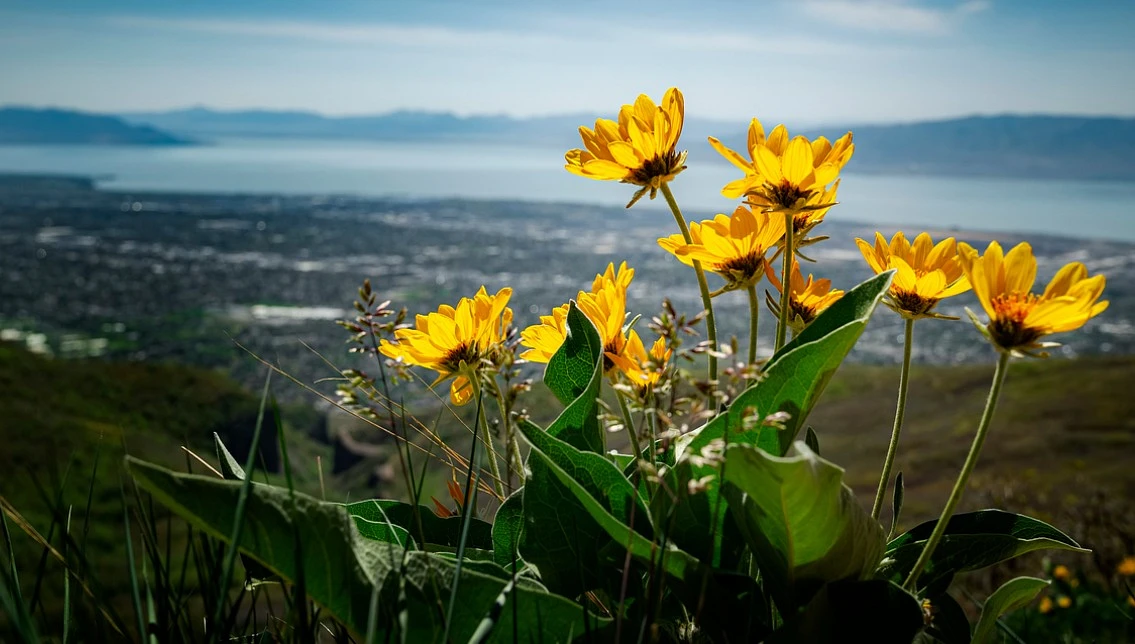
Wildflowers explode across the southern desert in April and early May. The timing shifts yearly based on winter moisture, but when conditions align, the display beats anything else Utah offers. Brittlebush blankets hillsides in yellow. Indian paintbrush adds red streaks between rocks.
Crowds haven't peaked yet. Zion sees traffic, but nothing like summer's wall-to-wall tourists. You can still snag campsite reservations with reasonable planning. Hotels cost less than peak season rates.
Moab works during these months. The town becomes a hub for mountain bikers and climbers. Temperatures suit activity better than summer's heat. Arches and Canyonlands open fully, though mornings require a jacket.
Water flows everywhere. Waterfalls that vanish by July run strong. Creeks cross trails. The landscape looks alive instead of parched.
Summer (June-August)
Heat and Humanity
Summer brings both problems to Utah's southern tier. Temperatures in Zion, Arches, and Canyonlands regularly exceed 100°F. Exposed trails become dangerous by midday. Hikers collapse from heat exhaustion every season despite warnings.
The crowds compound the heat issue. Parking lots at Zion fill by 7 AM. The shuttle system runs at capacity. Popular trails like Angels Landing require permits now due to overcrowding. You're not experiencing solitude in nature—you're hiking in a queue.
Kids out of school mean families everywhere. Campgrounds book months ahead. Hotels jack up prices. Every viewpoint has people jostling for photos. If you hate crowds, skip summer in southern Utah entirely.
Where Summer Works
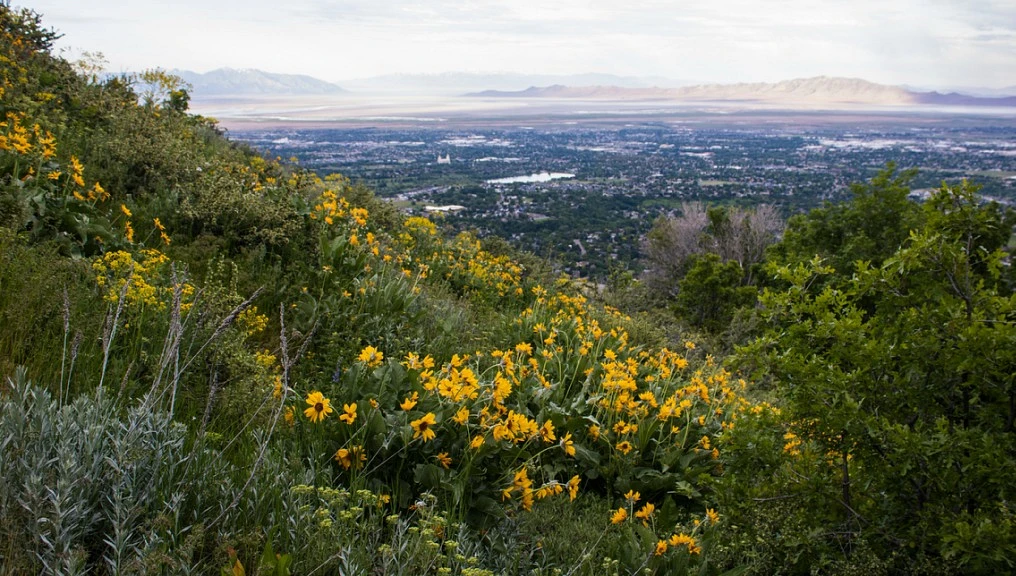
Northern Utah flips the script. Forget the statewide furnace - places like Park City keep their cool. Up in the Wasatch Range, trails remain open without the inferno. Ski resorts—Alta, Snowbird, Brighton—switch gears entirely. Summer turns them into destinations of wildflower meadows and crisp, thin air.
Elevation is the saving grace. Bryce Canyon, sitting above 8,000 feet, stays tolerable. Temperatures rarely match the oven-like conditions of lower parks. An early start in July even feels manageable.
Everyone heads for the water. Northern reservoirs and lakes like Bear Lake, Flaming Gorge, and Jordanelle pull in the crowds. Boaters and swimmers take over. By mid-summer, the water actually warms up, making extended swims possible.
Fall (September-November)
Temperature Goldilocks Zone
Fall nails the weather. September still feels like summer in the south but without the extreme peaks. October brings perfect hiking conditions—warm days, cool nights, stable weather. November starts showing winter's approach but remains manageable.
Southern parks hit their stride. Zion becomes accessible again without risking heatstroke. Moab cools down enough that afternoon activities make sense. The red rocks glow differently in autumn light.
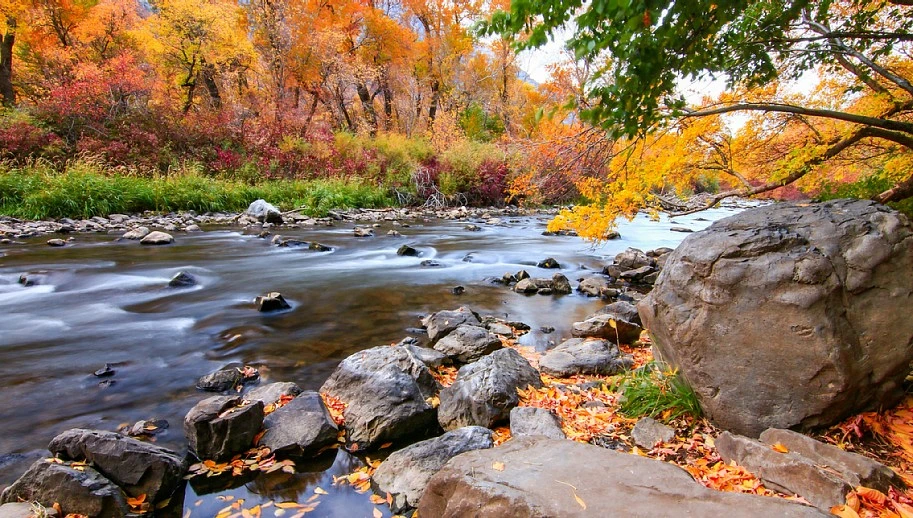
Mountain areas show color changes. Aspens turn golden across the Wasatch and in areas around Brian Head. The contrast against evergreens creates scenes that pull out cameras. Peak colors usually hit late September through early October, depending on elevation.
Why Locals Choose Fall
Crowds thin after Labor Day. Kids return to school. Trails open up. Campgrounds have availability. You can plan trips with shorter lead times instead of booking months ahead.
The light shifts. Photographers prefer fall because the angle of sun changes. Shadows lengthen. Colors saturate differently. Sunrise and sunset sessions produce better results than harsh summer light.
Weather stability increases. Summer's afternoon thunderstorms decrease in frequency. You can plan multi-day trips without expecting daily rain. Roads stay clear. Conditions remain predictable.
Price drops happen. Hotels lower rates between summer peak and ski season. Restaurants in tourist towns offer deals. Tour operators discount. Your money stretches further.
Winter (December-February)
Ski Season Dominance
Winter means skiing for most Utah visitors. The state's powder reputation isn't hype. Snow quality here beats most other regions. Alta, Snowbird, Park City, Deer Valley, Solitude, Brighton, Powder Mountain, Snowbasin—the list of resorts runs long.
Snowfall starts early and keeps coming. Some years see the first snow in October. By December, resorts operate fully. The season extends into April in most locations, sometimes May at higher elevations.
Prices jump during holidays and weekends. Hotels near resorts charge premium rates. Lift tickets aren't cheap, though multi-day passes help. Park City gets particularly expensive during the Sundance Film Festival in January.
Desert Parks in Winter
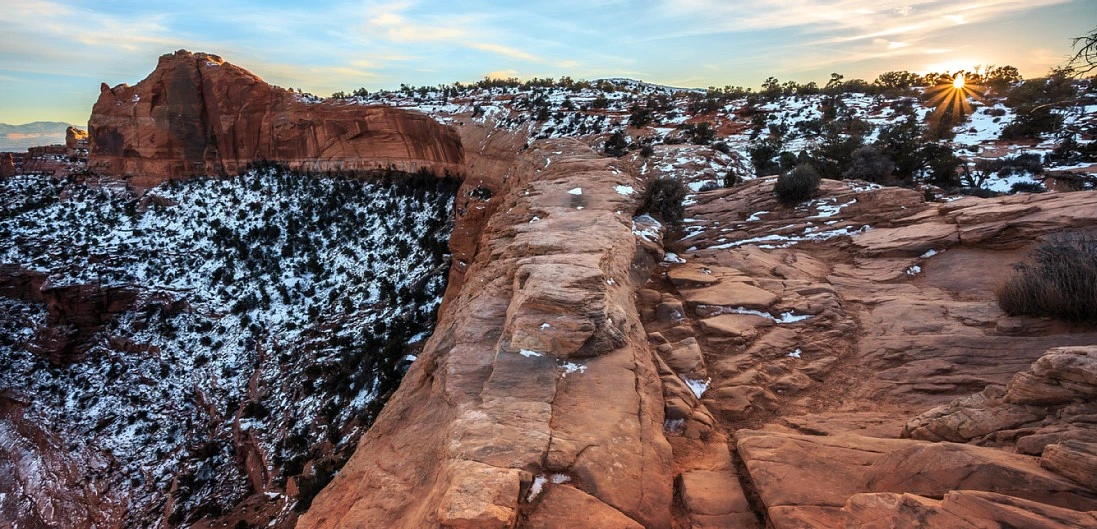
Most tourists skip southern Utah in winter. That's the move if you want solitude. Parks stay open but see a fraction of summer's visitors. Snow dusts the red rocks occasionally, creating unique photographic opportunities.
Cold matters though. Temperatures drop below freezing regularly at night. Daytime highs might only reach the 40s. Some trails ice over. The Narrows in Zion becomes hypothermia territory without proper gear.
Roads close periodically. Snow shuts down scenic drives temporarily. Always check conditions before heading out. Some facilities reduce hours or close entirely.
Month-by-Month Breakdown
-
January: Coldest month. Powder dumps frequent. Parks are nearly empty. Short days limit hiking time.
-
February: Snow continuing. Days lengthening. Still cold but improving. Good for skiing or empty desert parks.
-
March: Unpredictable. Snow possible anywhere. Southern parks start warming. Good for those who want empty trails and don't mind variable weather.
-
April: Transition period. The north is still cold, and the south gets comfortable. Wildflower season begins. Mud everywhere.
-
May: Sweet spot forming. Most areas are accessible. Temperatures rising but manageable. Crowds are increased but not peaked.
-
June: Summer arrives. Southern parks get hot. Northern mountains are perfect. School groups swarm. Book ahead.
-
July: Peak heat. Peak crowds. Peak prices. Hit northern areas or stick to early morning desert visits.
-
August: Similar to July but monsoon storms increase. Afternoon thunderstorms are common. Flash flood risk in slot canyons.
-
September: Crowds decrease after Labor Day. The weather is still warm. One of the best months overall. Aspens start changing.
-
October: Top-tier month. Weather ideal. Colors peak. Crowds manageable. Everything accessible before winter.
-
November: Transition to winter. Ski resorts opening. Some mountain roads are closing. Southern parks are still good.
-
December: Winter established. Skiing in full swing. Southern parks are quiet. Holiday prices kick in.
Special Considerations
-
Permits: Popular trails now require advance permits. Angels Landing at Zion. The Wave near Paria Canyon. Subway in Zion. Plan ahead or you won't get access.
-
Altitude: Utah sits high. Southern parks range from 4,000 to 9,000 feet. Altitude sickness affects some visitors. Hydrate more than normal. Take breaks.
-
Slot canyons: Never enter slot canyons when rain threatens anywhere in the drainage. Flash floods kill people regularly. Check forecasts. Err on caution.
-
Water: Carry more than you think. Desert heat dehydrates quickly. Springs and streams can't be trusted without purification. Pack enough for your whole trip.
-
Fire season: Late summer sees fire restrictions increase. Some areas close entirely during high fire danger. Check current conditions. Campfire rules change based on risk.
-
Wildlife: Encounters happen year-round. Bears in mountain areas. Mountain lions rarely but occasionally. Rattlesnakes in warm months. Give all wildlife space.
❓FAQ❓
How many days do I need for a “classic” Utah park trip?
Allocate 7-10 days. Rushing lessens the experience. A tighter 4-5 day trip is feasible by concentrating on just two parks and their core attractions.
Is it worth visiting Utah’s state parks too?
State parks are absolutely worth it. You’ll find scenery rivaling the national parks, but with smaller crowds and simpler, last-minute entry.
Do I really need a 4x4 vehicle to explore Utah?
A standard car reaches most major sights. However, accessing true backroads, certain trailheads, and remote viewpoints often demands high clearance. For those, a 4x4 becomes essential.
What are the best base Utah towns for first-timers?
First-timers should select base towns by park: Moab for Arches and Canyonlands; Springdale for Zion; Bryce Canyon City or Tropic for Bryce. Kanab serves as a flexible hub for slot canyons and varied day trips.
How far in advance should I book lodging and rental cars?
Book lodging and rentals well in advance. For spring and fall, secure reservations 3–6 months out near major parks.