





TL;DR
Here's what matters:
- Flourish (Sunnie app) = Harvard-approved AI companion with memory
- Elemind headband = MIT brainwave tech that cuts sleep onset by 74%
- Ash by Slingshot = Free voice therapist (no clinical trials yet, proceed accordingly)
- Frenz Brainband = Focus tracker meets Lamborghini collab (yes, really)
- Tombot Jennie = Robot puppy for loneliness, zero cloud storage
Market shifted from "feel good vibes" to measurable biometrics. If it doesn't sync with your body data or pass a randomized controlled trial, it's probably old news.
Why 2026 is the Year of "Deep Therapy": The Convergence of AI and Biometrics
Remember when mental health apps 2026 meant just journaling prompts? Those days died quietly.
Now we have digital phenotyping - fancy term for apps analyzing your speech patterns, sleep cycles, heart rate variability, even how you swipe your phone to predict mood crashes before you notice them. FDA started approving prescription digital therapeutics. Insurance companies began covering app subscriptions. Gaming tech borrowed from VR treatment for PTSD made its way into consumer headsets.
The convergence happened fast. AI therapy platforms trained on millions of therapy sessions can now detect emotional shifts in voice tone. Wearables don't just count steps - they measure autonomic nervous system responses and alert you when burnout's creeping up.
The New Wave of AI-Powered Mental Health Apps
Flourish

Sunnie, Flourish's flagship AI, isn't your average chatbot. Harvard ran a 2025 randomized controlled trial showing it reduced loneliness and boosted resilience in participants. Not "made them feel better" - actually moved clinical markers.
What makes it work:
-
Voice chat interface that picks up emotional cues
-
Memory Jar feature for journaling that the AI actually references later
-
Long-term context retention (it remembers your sister's wedding drama from March)
Monthly subscription runs about $30, but HSA/FSA eligible in most states.
Ash by Slingshot AI
Here's the wild part: Ash is completely free as of late 2025. How? They're collecting training data (with consent) for future models.
This app nailed emotionally-aware conversations. You can vent about your terrible boss for 20 minutes and it tracks context without making you repeat yourself. No scripted CBT modules - just natural dialogue that adapts to your emotional state.
Catch: No RCT backing yet. Only observational studies from early users showing reduced anxiety symptoms. Use it as supplementary support, not replacement therapy.
Wysa and Woebot
Wysa's still crushing it with structured cognitive behavioral therapy exercises and a solid coaching library. Great for anxiety management on a budget.
Woebot? Pivoted entirely to B2B partnerships. No longer available for individual consumers, but its legacy lives on - proving AI could deliver evidence-based therapy at scale.
Wearables and Neuro-Gadgets
Elemind
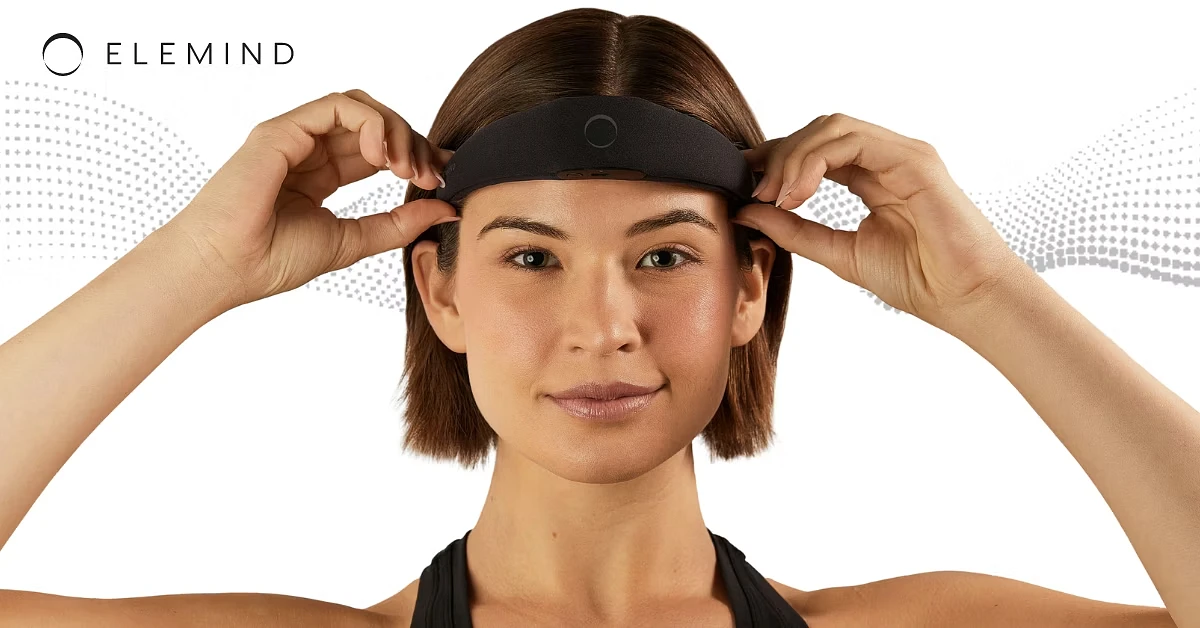
MIT spinoff that sounds fake until you see the trial data. This headband monitors your brain waves in real-time and delivers acoustic pulses to suppress the mental chatter keeping you awake. Wellness technology turned up to eleven.
Key metric: 74% reduction in time to fall asleep during clinical testing. Works by essentially noise-canceling your racing thoughts through targeted audio frequencies.
Price: $349. Pricey, but chronic insomniacs swear by it.
Frenz Brainband (Tonino Lamborghini SuperBrain Edition)
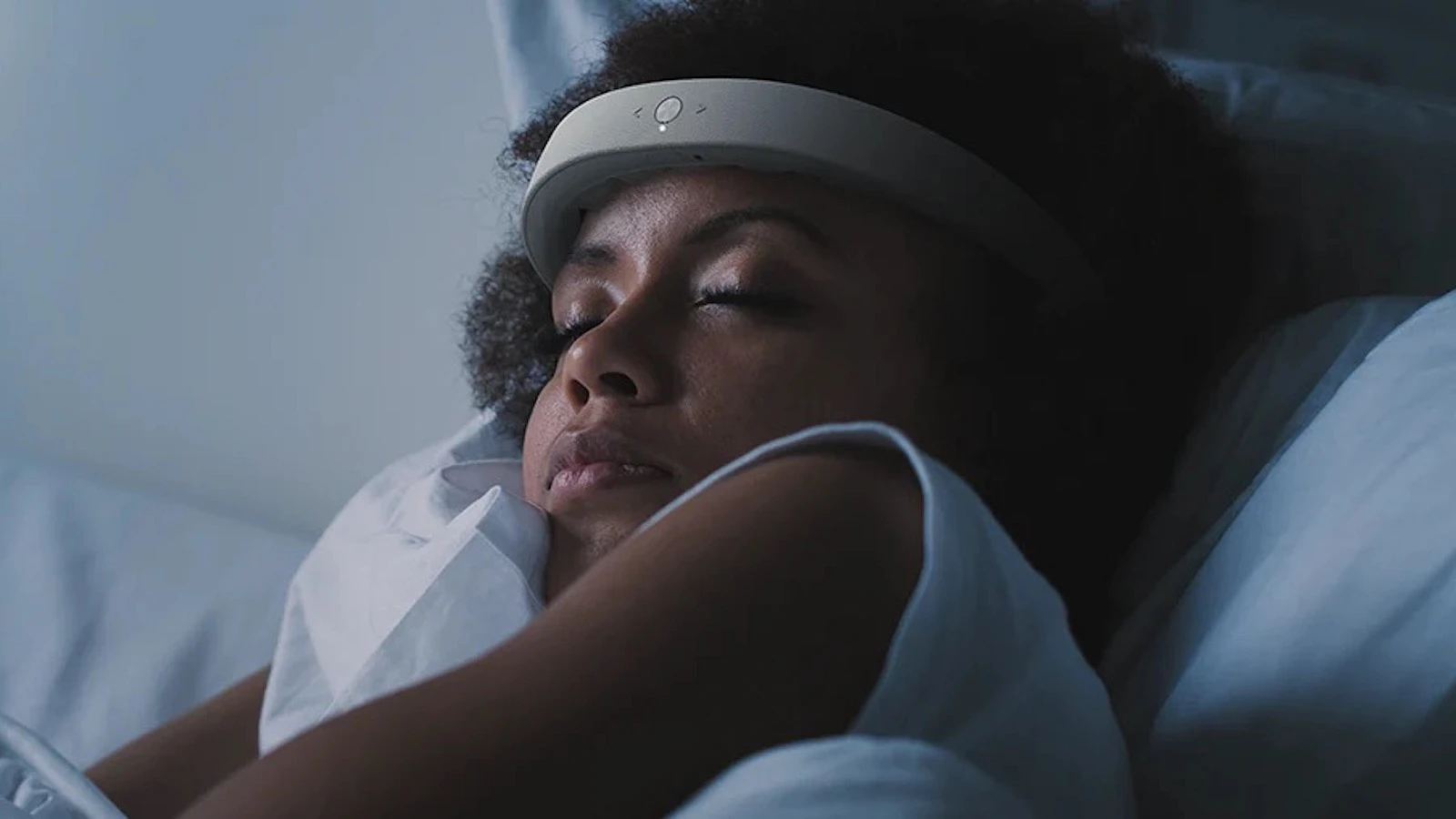
Yes, Lamborghini designed a mental health wearable. 2026 is weird.
Beyond the flashy branding, Frenz tracks brainwave patterns to give you real-time "focus scores." Measures alpha, beta, theta waves to help you consciously shift between relaxation and concentration modes. Athletes and remote workers both dig it for performance optimization.
Sleep tracking included, obviously. Starts at $599 for standard model, $899 for the Lamborghini edition (which adds... leather? Unclear but it looks sick).
Tombot Jennie
Built by Jim Henson's Creature Shop (yes, the Muppets people), Jennie was originally designed for dementia patients. Then everyone discovered a responsive robot dog that doesn't need walks or vet bills hits different when you're lonely.
Privacy win: All processing happens on-device. No cloud uploads of your weird 2am conversations with a mechanical golden retriever.
Price: $449. Cheaper than therapy copays if you're seeing someone twice a month.
How to Choose Your Perfect Mental Health Tech Stack
Here's the cheat sheet:
|
Your Main Issue |
Best Tool |
Why It Works |
Price Range |
|
Insomnia / Racing thoughts |
Elemind headband |
Brainwave monitoring + acoustic intervention |
$349 |
|
Daily anxiety / Need to vent |
Ash by Slingshot |
Free voice therapy with context memory |
Free |
|
Want clinical validation |
Flourish (Sunnie) |
Harvard RCT, proven results |
$30/month |
|
Focus problems / Performance |
Frenz Brainband |
Real-time brainwave feedback |
$599-899 |
|
Loneliness / Need presence |
Tombot Jennie |
Physical companion, privacy-focused |
$449 |
Mix and match. Nobody said you can't have both an AI therapist AND a robot puppy.
FAQ
Can AI really replace a human therapist?
Short answer: Nope. Long answer: AI therapy tools excel at maintenance support, CBT exercises, and catching early warning signs. They suck at handling crisis situations, complex trauma, or prescribing medication. Think of them as gym equipment - useful for daily training, but you still need a coach for proper form.
Are these mental health apps and gadgets covered by insurance (HSA/FSA)?
Increasingly yes. Flourish, Elemind, and prescription digital therapeutics qualify for HSA/FSA reimbursement. Check your plan specifics. Frenz and Tombot currently don't, but lobbying's happening. Save your receipts either way.
How do these devices protect my privacy and brain data?
Mixed bag. Tombot keeps everything local. Ash and Flourish encrypt data but store it for model training (you can opt out). Elemind anonymizes brainwave patterns before cloud sync.
Red flag: Any app that doesn't clearly explain data handling in plain English. Your mental health history isn't worth a free trial.