








🎯Too Long; Didn’t Read
The best choice depends on your priorities:
-
For Experts: Jackson Hole and Telluride deliver steep terrain—gnarly and demanding.
-
For Beginners & Families: Breckenridge blends a legit historic district with its terrain. Steamboat has that trademarked Champagne Powder, dry and deep. Park City's scale is simply massive. And Aspen Snowmass? It's the whole package—four distinct mountains, each with its own rep.
-
For Size & Variety: Vail and Park City are ski industry heavyweights. They dominate in sheer scale. Think acres upon acres. This massive footprint translates into terrain for every kind of run—groomers, backside bowls, you name it.
-
For Snow Quality: Steamboat's rep hinges on "Champagne Powder." Utah resorts, though, pull in consistent, light snow.
-
For Convenience: Park City. It's right by Salt Lake City's major airport. Super convenient for getting in and out.
-
For a Scene: Aspen pulls in the A-list with its posh vibe. Breckenridge's historic center, meanwhile, is always hopping—nightlife here is top-tier.
-
For Value: For solid skiing without the premium cost, consider Killington back East or the Tahoe zone. Killington delivers decent terrain and serious resort infrastructure. The Tahoe area provides massive scale and generally reliable snow. You get a lot of bang for your buck at both.
Planning Tip:
-
To dodge peak season crowds, secure your booking well in advance.
-
Package deals? They can trim expenses.
-
For consistent snow, target late February through March.
Skiing pulls millions of people to the U.S. every winter. You'll find everything from gentle bunny hills to leg-burning double-black diamonds. Resorts are spread across the country.
Their vibes differ completely. Some are all about family-friendly convenience. Others are for hardcore skiers hunting fresh tracks and steep, challenging lines. Let's break down the top spots.
Vail, Colorado
The Mountain
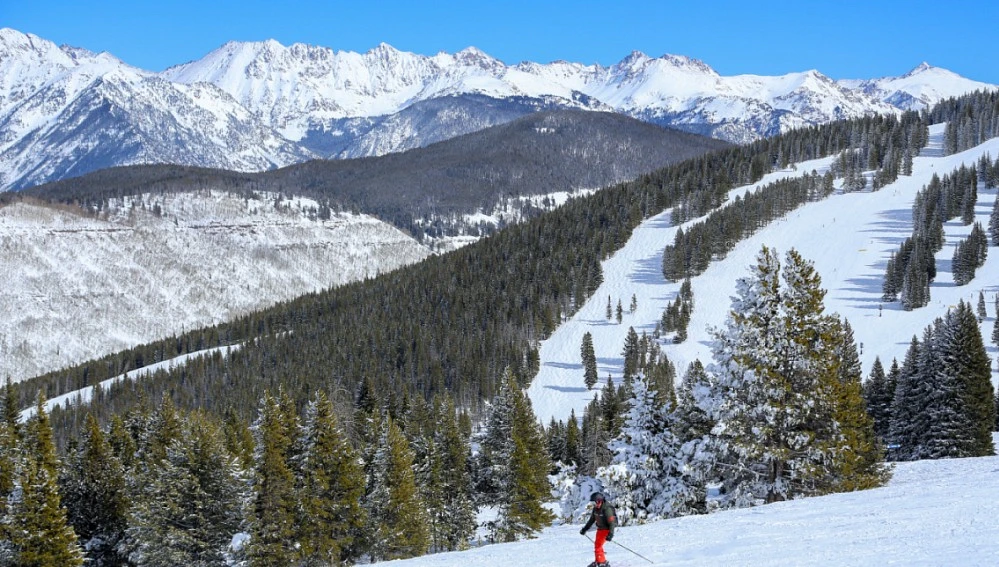
Vail sprawls across 5,000-plus acres, landing it among North America's largest ski resorts. Up front, groomed runs suit intermediates who rely on consistency. Then there are the Back Bowls—wide-open terrain where powder stacks after storms. Experts gravitate to Blue Sky Basin for tree runs and lines that push limits.
The resort receives heavy snowfall most seasons. Summit elevation reaches above 11,000 feet. You'll find terrain parks, halfpipes, and enough variety to ski for weeks without repeating runs.
Village Life
Vail Village sits at the base. European-style architecture fills the area—pedestrian walkways wind between shops, restaurants, and hotels. No cars drive through the main sections. Visitors walk everywhere or take free shuttle buses.
Dining spans pizza joints to fancy restaurants. Nightlife? It's there, just chill. That vibe pulls in families and couples, not the party crowd. Lodging prices spike when it's busy, especially over holidays.
Jackson Hole, Wyoming
Serious Terrain
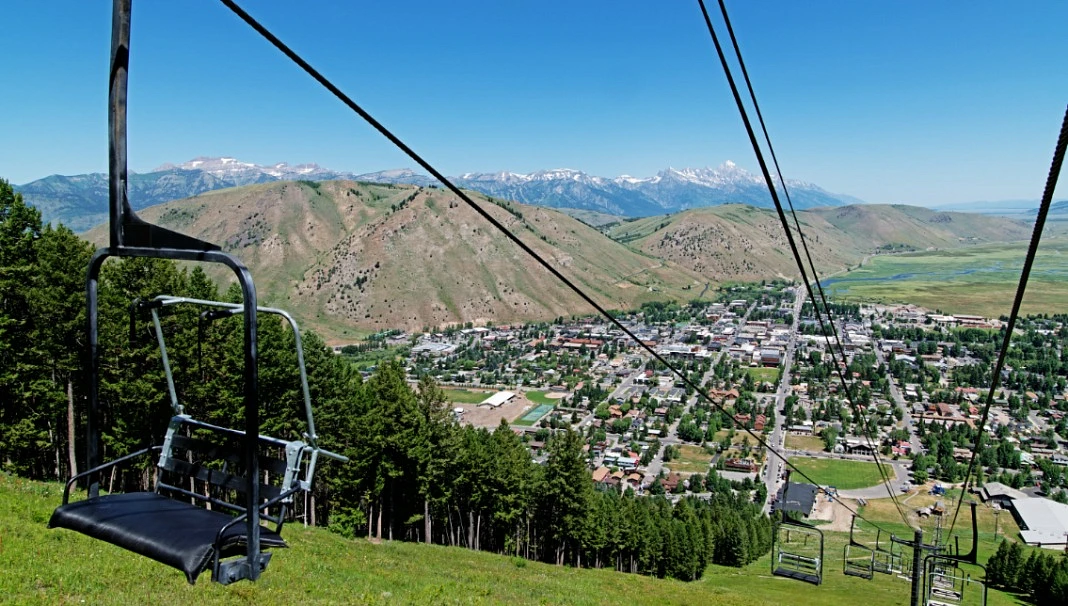
Jackson Hole isn't for everyone. The mountain has a reputation. Steeps dominate the landscape. Nearly 50% of runs qualify as advanced or expert. Corbet's Couloir remains one of the most talked-about in-bounds runs anywhere—a narrow chute requiring a mandatory air to enter.
Tram access takes riders to 10,450 feet. From there, options include sustained vertical drops exceeding 4,000 feet. Snow quality tends toward dry and light, thanks to Wyoming's climate. Beginners can ski here, but they'll stick to a limited section near the base.
The Town
Jackson sits a few miles from the resort. It maintains more authenticity than typical ski towns. Locals actually live here year-round. Bars outnumber fancy boutiques. The Million Dollar Cowboy Bar features saddles instead of barstools.
Accommodations in Jackson cost less than slopeside options at the resort. Shuttles run regularly. The town offers more character than manufactured village environments you'll find elsewhere.
Park City, Utah
Three Resorts Combined
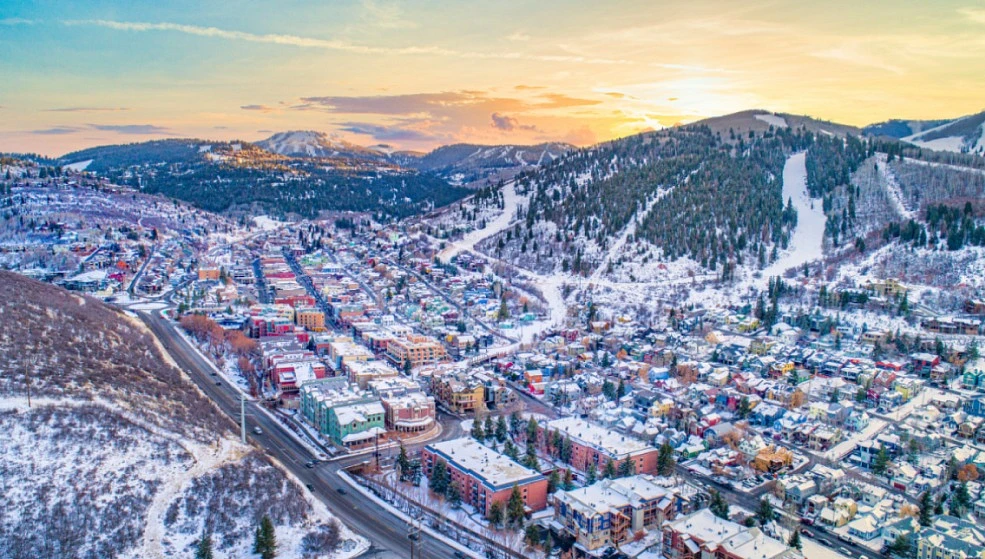
Park City Mountain merged with Canyons, creating a massive combined area. Over 7,300 acres spread across the two formerly separate resorts. A gondola now connects them. Deer Valley sits nearby as well, catering to a different crowd—no snowboarders allowed there.
Park City offers something for everyone. Groomed cruisers, bumps, trees, parks. The resort hosted Olympic events in 2002. Those competition venues still exist and operate. Snow arrives early, typically lasting through April.
Town Access
Park City itself sits at the base. Historic Main Street features restaurants, bars, and shops in buildings dating back to mining days. The town has character but also feels developed for tourism. You can walk from many hotels directly to lifts.
Salt Lake City airport lies only 35 minutes away. That convenience matters. Fly in, grab a rental car, start skiing the same day. Few major resorts offer this proximity to international airports.
Aspen Snowmass, Colorado
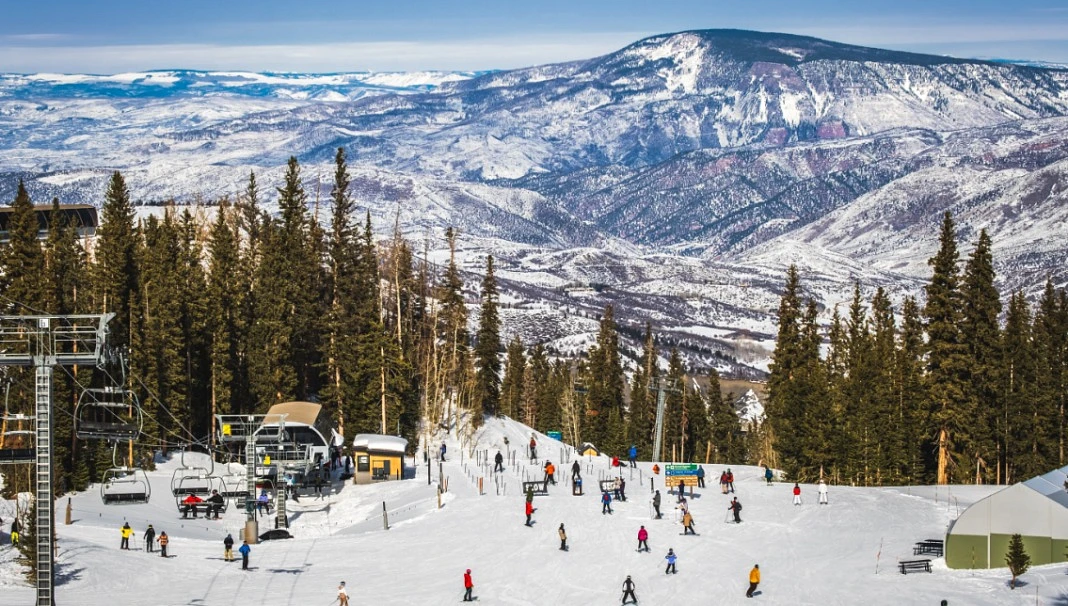
Four Mountains
Aspen operates four separate mountains under one pass. Snowmass provides the most terrain—over 3,000 acres. Families gravitate here. Aspen Mountain (locals call it Ajax) allows no beginners—every run requires intermediate skills or better. Highlands attracts experts seeking steeps. Buttermilk hosts X Games events and offers terrain parks.
Having four options means variety. Ski a different mountain each day. Conditions vary between them. One might have fresh snow while another sees sun and groomed runs.
The Scene
Aspen the town carries a reputation. Money flows through here. Celebrities own homes in the area. High-end shopping lines the streets. Dining costs more than most ski towns.
But the skiing backs up the hype. Vertical drop, snowfall, grooming—everything operates at a high level. You'll find party scenes if you want them. Quiet spots exist too. The town offers culture beyond skiing: art galleries, music venues, theater.
Mammoth Mountain, California
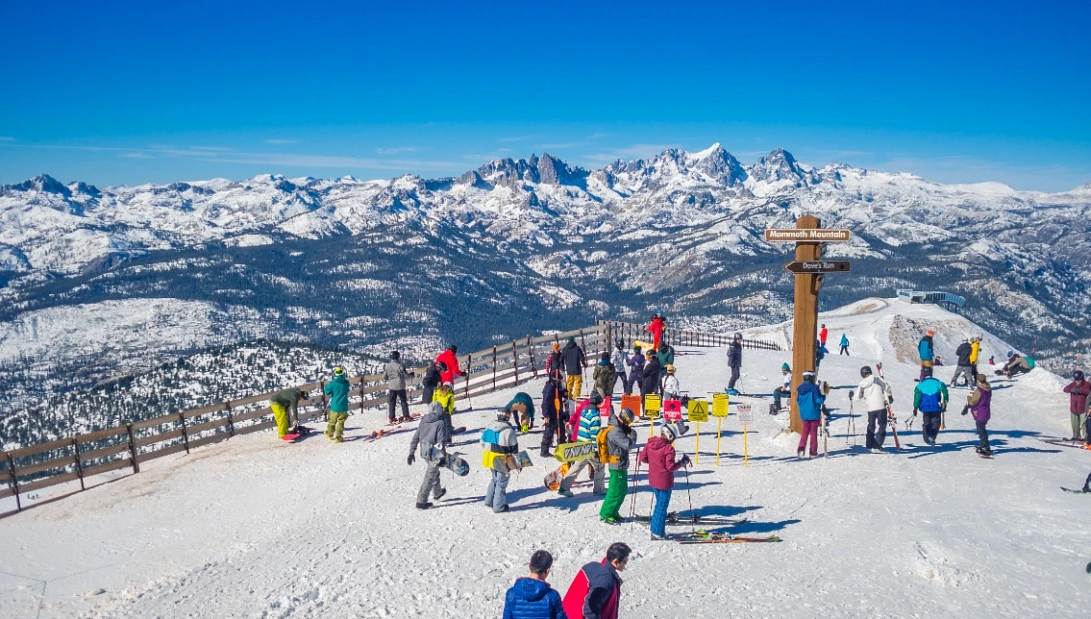
West Coast Size
Mammoth stands out among California resorts. It receives substantial snowfall, sometimes exceeding 400 inches annually. The season stretches long—opening in November, often running through June or even July.
The terrain covers 3,500 acres across the mountain. Elevation reaches 11,053 feet at the summit. Views extend to the Sierra Nevada range. On clear days, you can see for miles.
The mountain caters to all abilities. Beginners have dedicated areas. Experts find chutes, cliffs, and untracked lines after storms. Terrain parks here rank among the best worldwide—professional riders train at Mammoth.
Location Considerations
Mammoth lies six hours from Los Angeles by car. No major airport sits nearby. Most visitors drive, making this a weekend destination for Southern California residents. Hotels and condos cluster around the village area.
The town of Mammoth Lakes offers more options. Chain restaurants, grocery stores, and budget lodging exist here. Shuttles connect the town to the mountain.
Breckenridge, Colorado
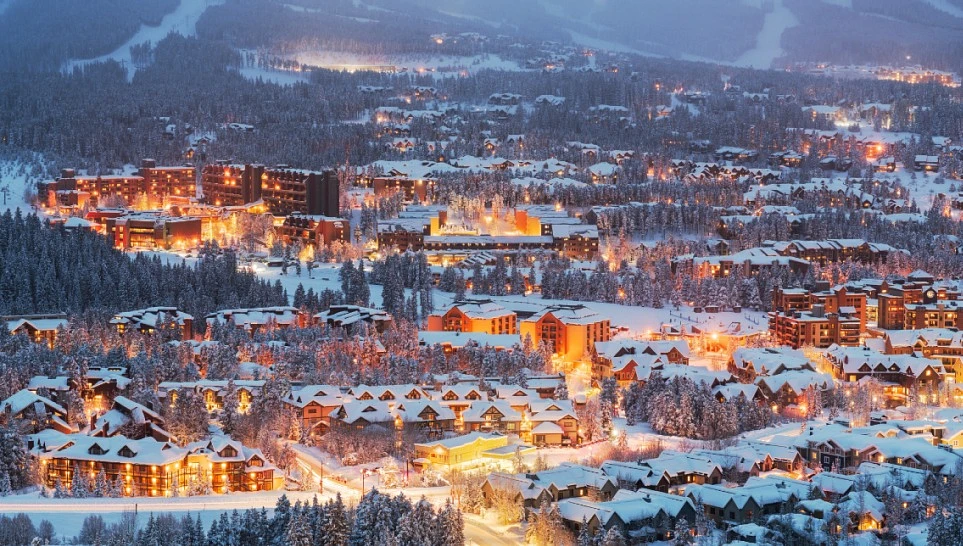
Beginner-Friendly Giant
Breck, as regulars call it, welcomes newcomers. The resort dedicated significant terrain to learning. Green runs flow from multiple peaks. But advanced skiers aren't shortchanged—steep bowls and expert terrain exist above tree line.
Five peaks create the resort. The terrain covers nearly 3,000 acres. Summit elevation exceeds 12,000 feet. The highest chairlift in North America operates here, accessing extreme terrain that challenges even elite skiers.
Terrain parks receive constant attention. Shapers build features for all levels. Progression from small jumps to massive kickers happens naturally.
Historic Town
Breckenridge the town predates the resort. Mining brought people here in the 1800s. Main Street retains that history through preserved buildings now housing bars, restaurants, and shops.
The town connects directly to skiing. Walk from your hotel to lifts. No car needed once you arrive. Shuttles run free throughout town and to nearby resorts.
Nightlife here leans younger. College crowds and recent graduates fill bars on weekends. Families might prefer quieter areas away from Main Street.
Telluride, Colorado
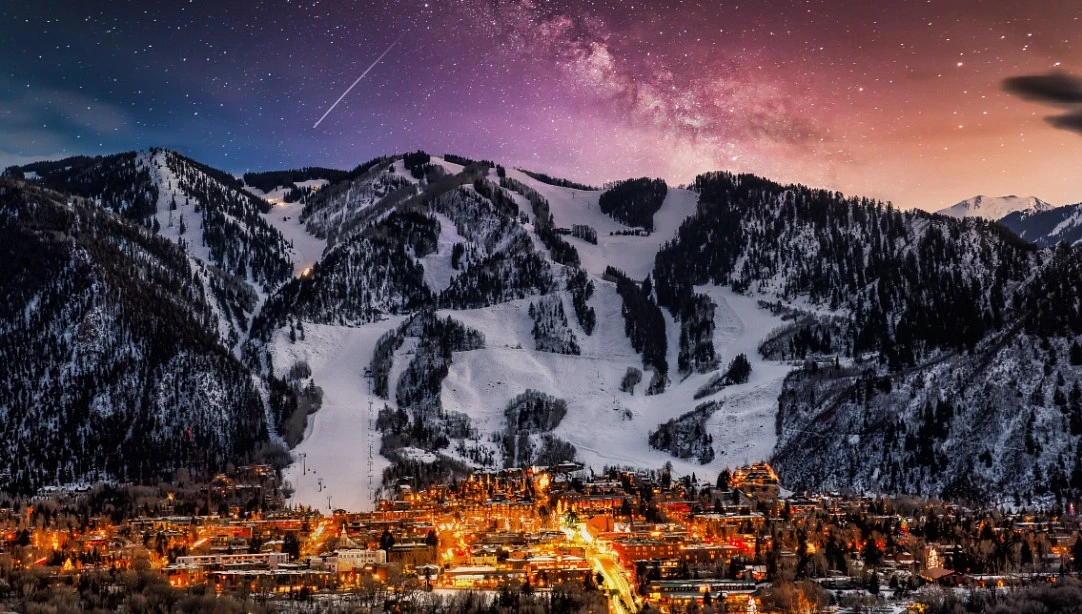
Remote Location
Telluride requires effort to reach. No interstate highways get you here. The drive from Denver takes six hours minimum. A regional airport serves the area but with limited flights.
That remoteness creates something special. Crowds stay smaller than mega-resorts. Lift lines rarely stretch long. The mountain offers over 2,000 acres, including plenty of expert terrain. Beginners have options too, though intermediate skiers find the most variety.
Telluride hooks up with Mountain Village via a free gondola. This ride operates all year—a scarce find in North America.
Two Base Areas
The town sits in a narrow box canyon. Victorian buildings line the streets. The setting creates dramatic scenery—peaks tower on three sides. Mountain Village on the other end feels more modern. Ski-in, ski-out accommodations cluster here.
Choosing between the two bases depends on priorities. The town offers more character and nightlife. Mountain Village provides convenience and contemporary amenities. The gondola makes switching between them simple.
Steamboat Springs, Colorado
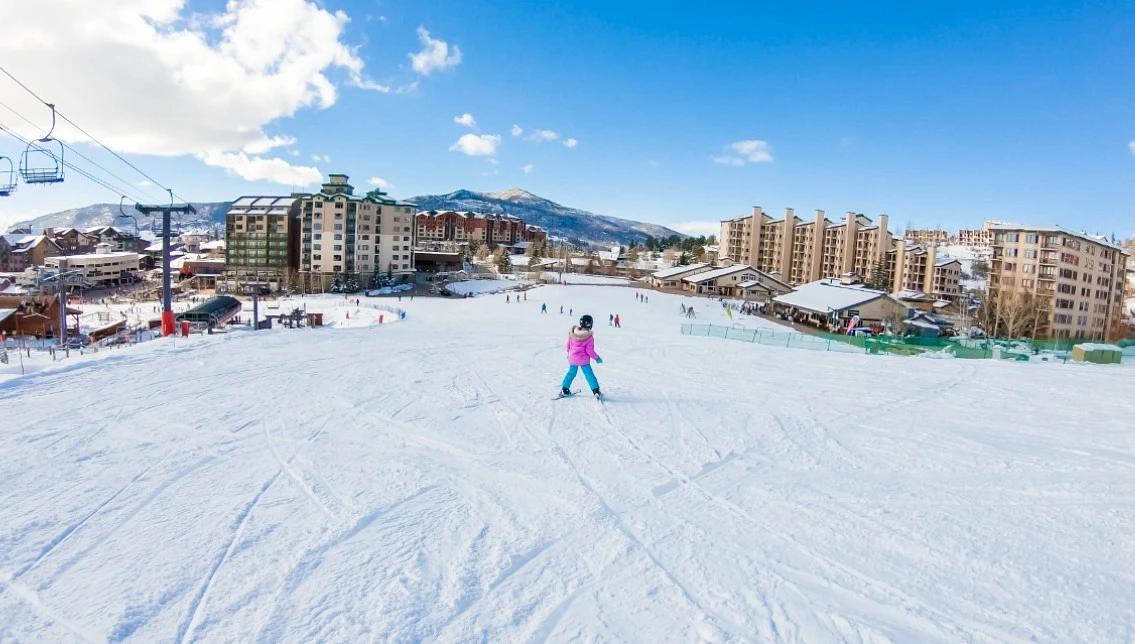
Champagne Powder
Steamboat's reputation relies on its snow. The resort coined "Champagne Powder" to name the light, dry variety that falls here. Maritime moisture combines with continental cold, producing ideal conditions.
The terrain spans six peaks with over 2,900 acres. The mountain caters heavily to families. Ski school programs here rank among the top in the country. Advanced terrain exists but requires seeking out—tree runs and steeps hide in certain zones.
Cowboy Culture
Steamboat the town maintains a ranching heritage. Locals wear cowboy hats without irony. Bars feature live country music. The vibe differs from typical ski towns—less pretentious, more authentic Western.
Steamboat's resort sits just a few miles from downtown. Shuttles run all the time. Lodging costs less here than in Vail or Aspen. That hooks families and folks planning longer stays.
Squaw Valley (Palisades Tahoe), California
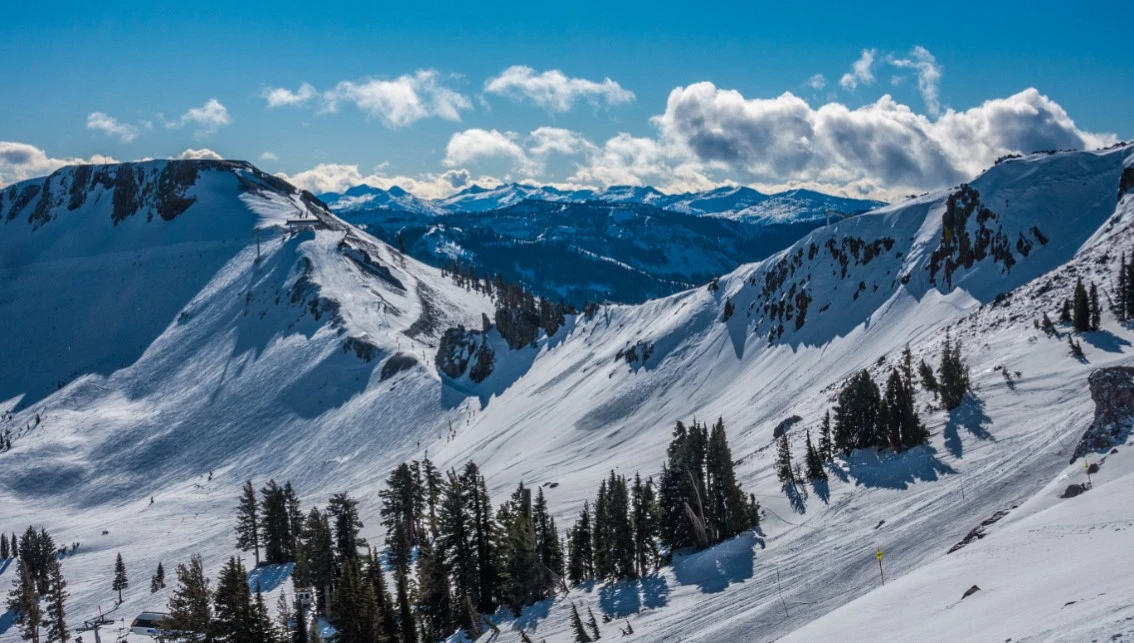
Olympic History
Palisades Tahoe hosted the 1960 Winter Olympics. That legacy remains visible—Olympic flame monuments, historic facilities, commemorative plaques. The resort recently changed its name from Squaw Valley to Palisades Tahoe.
The mountain delivers serious terrain. Steep chutes, cliff bands, and sustained vertical challenge advanced skiers. KT-22, one of the main lifts, accesses terrain that tests even experts. Snowfall averages over 400 inches annually.
Lake Tahoe sits nearby, creating scenery unlike anywhere else in the US. Ski with lake views extending for miles. Multiple other resorts operate around the lake, offering variety if you want to explore.
Village Development
The base area continues developing. New hotels, restaurants, and amenities open regularly. Apres-ski scenes here can get lively. Multiple bars and restaurants create options for every mood.
Reno airport sits an hour away. That makes access easier than many Western resorts. Tahoe's location also allows gambling—casinos line the Nevada side of the lake.
Killington, Vermont
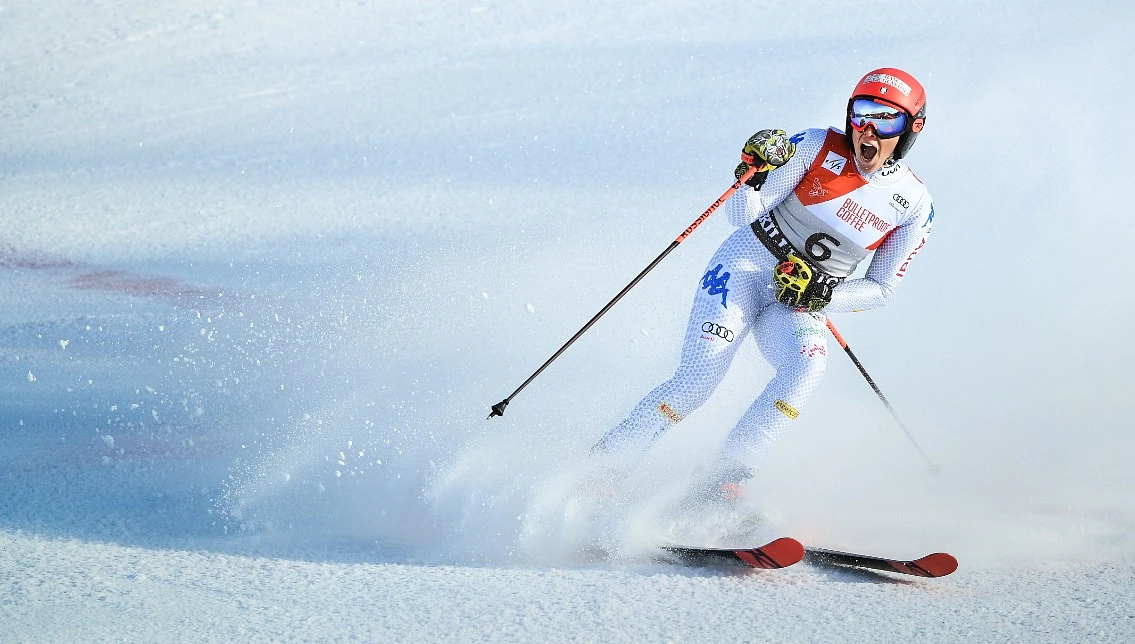
East Coast King
Killington dominates Eastern skiing. The resort covers six peaks with nearly 1,500 acres. That dwarfs most competitors in the region. Vertical drop exceeds 3,000 feet.
Snowmaking systems here operate on a massive scale. When natural snow doesn't fall, machines crank out coverage. The season often runs from October through May—longest in the East.
Terrain caters to all abilities. Beginners have dedicated areas. Experts find mogul runs, glades, and steeps. The mountain lacks the jaw-dropping terrain of Western resorts, but delivers consistency and variety.
Separate Village
Killington Resort doesn't have a true base village. Lodging spreads along access roads. The town of Killington itself sits a few miles away. Some find this disappointing compared to ski-in, ski-out setups out West.
But accommodations cost less. You'll find budget motels alongside nicer hotels. Restaurants and bars cluster near lodging areas. Apres-ski happens but requires driving to whatever spot you choose.
Planning Your Trip
Your pick hinges on what matters most:
-
Newbies should stick to Breckenridge, Park City, or Steamboat.
-
Experts live for the steeps—that's Jackson Hole or Telluride.
-
For families, Snowmass and Deer Valley deliver.
-
Watching your wallet? Check out Killington or the Tahoe area; they offer solid value without the premium price tag.
Book early for peak weeks like Christmas to New Year's, President's Day, and spring break. Prices shoot up and available spots vanish. For better deals and fewer folks, try the shoulder season.
Look into bundling your lodging and lift tickets—resorts frequently slash prices on these combos. Now, for travel: flights to mountain towns usually run higher than those to major hubs. Also, remember to budget for a rental car and drive time.
Weather shifts annually—no two years are alike. Snow isn't a sure thing, but some resorts up the odds. For reliable conditions, target late February through March; that stretch usually delivers steadier snow across all regions.
Resorts vary—each one's distinct. No mountain works for everybody. But scan this list; you'll hit on terrain, snow, and vibes that fit your vibe.
❓FAQ❓
Is air travel to these resorts difficult?
Telluride often means a slog—lengthy drives or multiple connections. Park City and Mammoth, though, hook up easier from major hubs.
What’s the advantage of a multi-resort pass?
Get one pass, and it often gets you into multiple mountains. That means more terrain to explore—no daily ticket purchases needed.
Which resort fits a “classic mountain town” vibe?
Breckenridge's historic downtown stays preserved. That old-school charm meshes with varied landscapes and a nightlife that's always popping.