









TL;DR
Don't have time for the deep dive? Here's what you need to know:
- Best Overall & Video: Apple iPhone 17 Pro Max - Crazy consistent, killer video quality, colors that actually look real
- Best for AI Magic & Night Shots: Google Pixel 10 Pro XL - Point, shoot, let the algorithms do their thing
- Best for Zoom Freaks: Samsung Galaxy S25 Ultra - 200MP sensor plus zoom that'll make you feel like a wildlife photographer
- Best for Camera Nerds: Xiaomi 15 Ultra - That sweet 1-inch sensor and Leica partnership for DSLR vibes
- Best Bang for Buck: OnePlus 15 - Flagship specs without the flagship price tag
What Makes a Great Camera Phone in 2026?
Marketing teams love spec sheet jousting. Forget the megapixel wars. What counts is sensor size. A bigger sensor grabs more light, period. That’s why a phone with a 1-inch sensor size, like the Xiaomi 15 Ultra, will dominate a model with a tinier sensor in low light and dynamic range - even if both tout 50MP. The spec is just a number; the physics is undeniable.
Smart photographers chase Lens Variety. You gotta have options. An ultra-wide isn't just for landscapes; it's for tight interiors and dramatic architecture shots. A telephoto flatters portraits and grabs details you can't physically reach. Then there's the Periscope zoom - for when that hawk is just a dot to your eye. Don't skimp. Consistent quality across all three lenses beats a single stellar main sensor every time. Check specs: you want solid aperture and sensor size for each, not just the primary one. It’s the difference between having a tool and having a toolbox.
Computational Photography: This is where things get wild in 2026. AI now handles HDR stacking, night processing, and even suggests compositions. Features like Apple Log for video pros and Google's multi-frame processing have gone mainstream. Software is half the battle now.
Color Science: Some phones pop colors (looking at you, Samsung). Others keep it natural (Apple's vibe). Xiaomi leans into Leica's classic film profiles. This is subjective, but it matters if you're picky about your photo aesthetic.
Top Camera Phones for Enthusiasts
Apple iPhone 17 Pro Max
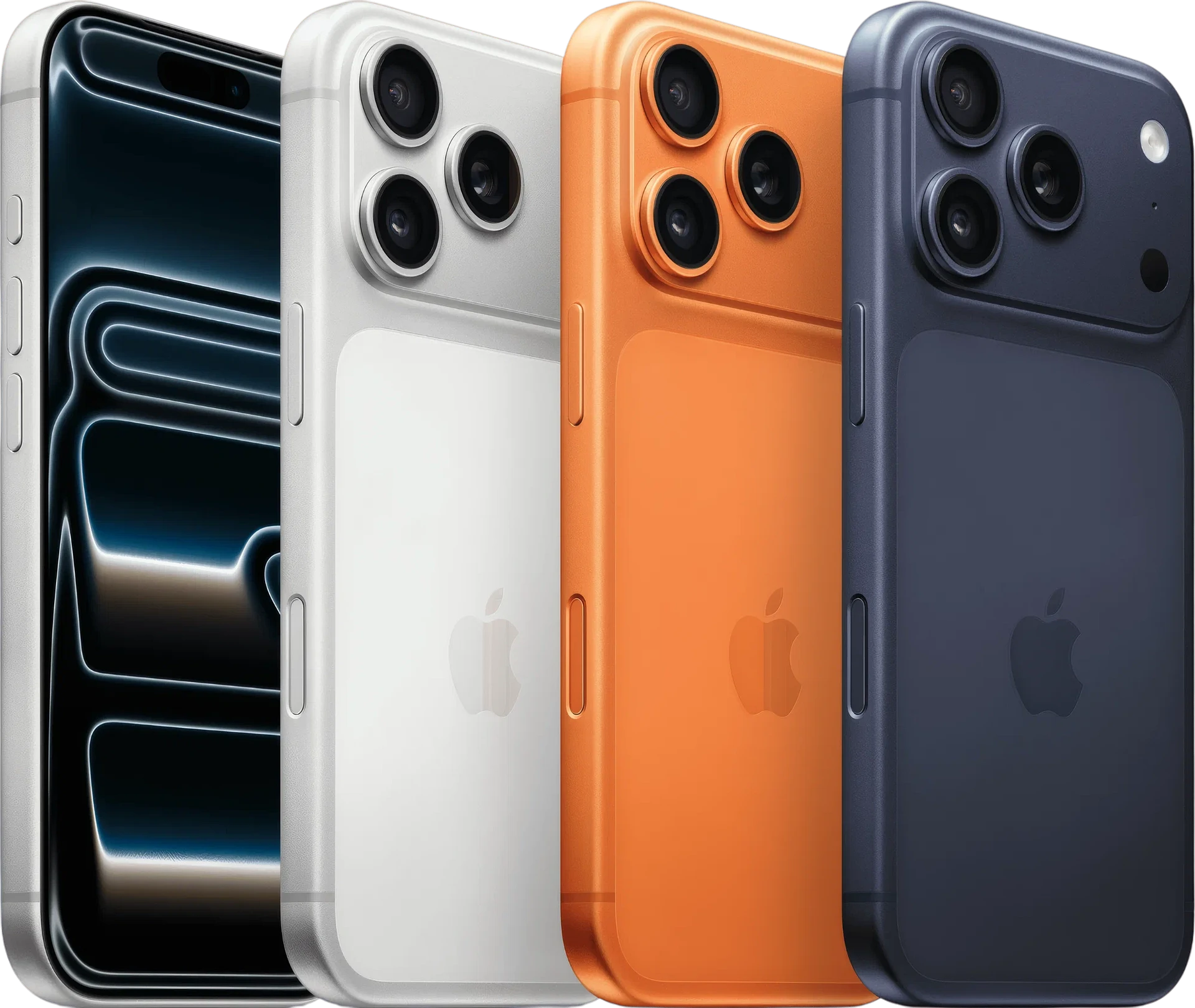
Apple didn't reinvent the wheel this year - they just made it roll smoother. The iPhone 17 Pro camera review consensus? It's still the safest bet.
Key Specs:
- Triple 48MP system (wide, ultra-wide, 4x telephoto)
- New 18MP "Center Stage" front camera
- A19 Pro chip
- ProRes log recording support
Pros:
- Colors are chef's kiss, especially skin tones
- Video quality remains unmatched (ProRes is a game-changer for creators)
- Zero learning curve - just works
- Portrait mode is still the benchmark
Cons:
- Zoom maxes out at 4x optical (Samsung laughs from the corner)
- Premium pricing, as expected
- Not the most adventurous with features
Best For: Content creators and anyone who values reliability over experimentation. If your photos and videos need to look good straight out of camera, this is it.
Google Pixel 10 Pro XL
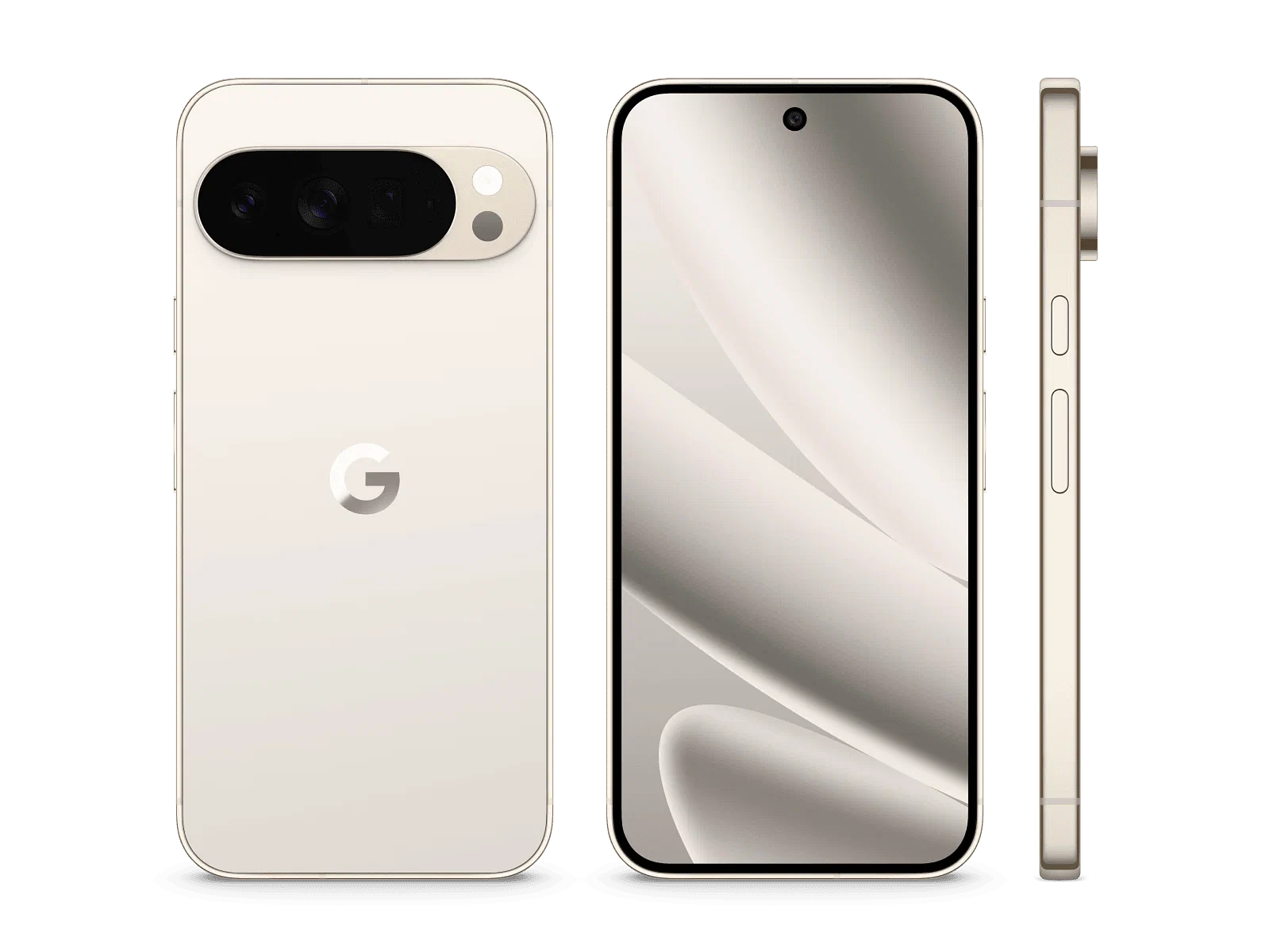
Google's playing chess while everyone else plays checkers. When people debate Google Pixel 10 Pro XL vs iPhone 17 Pro, it usually boils down to: do you want reliable or magical?
Key Specs:
- 50MP main + 48MP ultra-wide + 48MP 5x telephoto
- Google Tensor G5 chip
- AI Camera Coach feature
- Enhanced Night Sight 3.0
Pros:
- Night shots that seem impossible
- Best Take and Magic Eraser are legitimately useful
- HDR processing is scary good
- Point-and-shoot simplicity with pro results
Cons:
- Video still a step behind Apple
- Sometimes AI gets too aggressive with processing
- Can struggle with fast-moving subjects
Best For: People who want amazing photos without diving into manual controls. Perfect for low-light junkies and anyone who trusts Google's AI.
Samsung Galaxy S25 Ultra
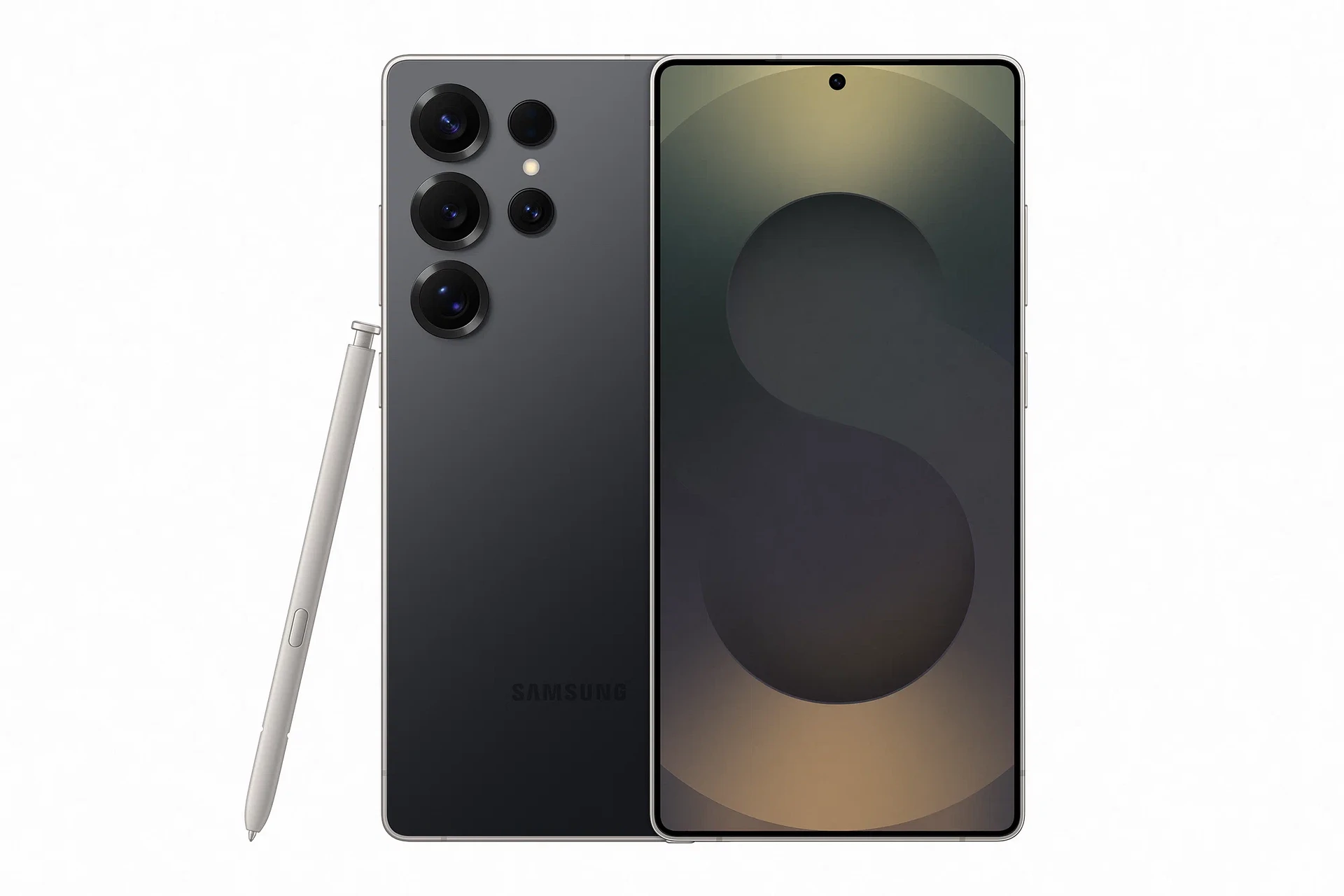
Samsung Galaxy S25 Ultra photography is all about versatility and reach. This phone doesn't play around with its zoom game.
Key Specs:
- 200MP main sensor
- Dual telephoto (3x and 10x periscope)
- S-Pen integration
- Advanced scene optimization modes
Pros:
- Zoom range is bonkers (100x digital if you're feeling adventurous)
- 200MP gives you ridiculous cropping flexibility
- Feature-packed camera app for tinkerers
- Excellent for travel and wildlife
Cons:
- Photos can look over-processed out of box
- Learning curve for all those features
- Large and heavy
Best For: Travel photographers, zoom enthusiasts, and people who want every feature imaginable. Great for sports and wildlife shots.
Xiaomi 15 Ultra
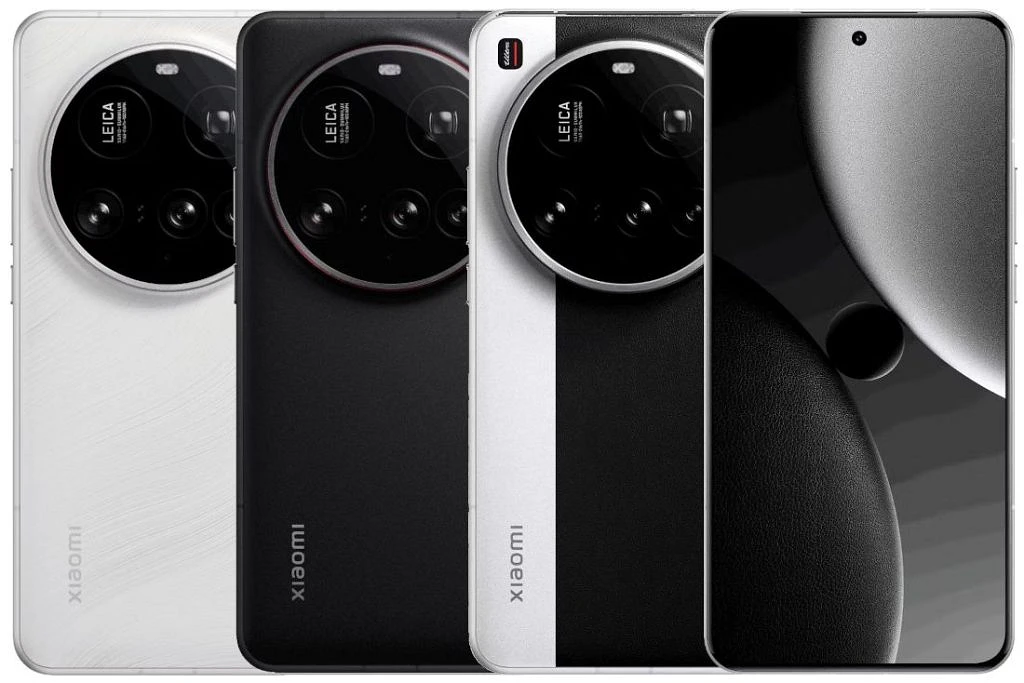
This is what happens when a phone maker partners with Leica and decides to build a camera that happens to make calls.
Key Specs:
- 1-inch-type main sensor
- Multiple 50MP cameras
- Leica Authentic and Vibrant modes
- Advanced manual controls
Pros:
- Sensor size delivers genuinely better low-light performance
- Leica color profiles feel premium
- Manual controls rival standalone cameras
- Dynamic range is stunning
Cons:
- Steeper learning curve
- Software updates can be inconsistent
- Limited availability in some markets
Best For: Serious mobile photographers who know their way around aperture and shutter speed. If you miss your DSLR, this bridges the gap.
OnePlus 15
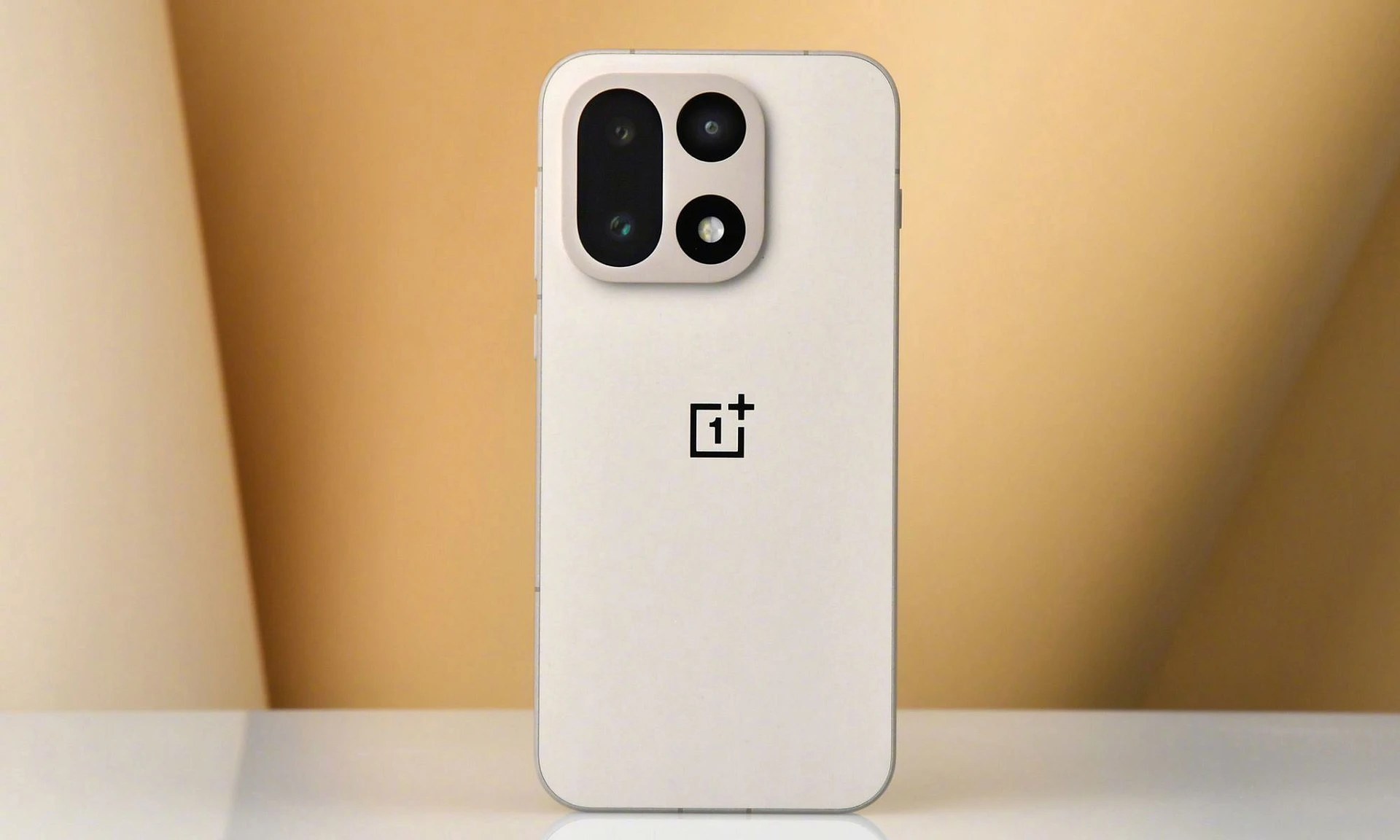
Don't sleep on OnePlus. They're delivering flagship camera performance without the flagship tax, making it a solid best camera phone 2026 pick for budget-conscious buyers.
Key Specs:
- Triple 50MP array
- Hasselblad color calibration
- Fast charging
- Aqua Touch for underwater shots
Pros:
- Performance punches above its price
- Hasselblad partnership shows in color accuracy
- Surprisingly capable telephoto
- Great for action shots
Cons:
- Not as cutting-edge as pricier options
- AI features lag behind Google
- Video quality is good, not great
Best For: Enthusiasts who want 90% of flagship performance at 60% of the cost. Perfect if you're upgrading from mid-range.
Final Take
For 2026's photography enthusiasts, choosing a tool isn't about a generic "best" list - it's a raw match with your creative habit. Your style dictates everything.
Apple delivers relentless, predictable results. It’s for the shooter who wants the shot, every time, without fuss. Computational photography works silently; colors and exposure remain consistent across a gallery.
Google is practically a lab of AI magic. Think less of filters, more of generative fill for reality: erasing photobombers, reconstructing shadows, or pulling impossible detail from a single Night Sight frame. It's computational audacity.
Samsung's approach is pure hardware grit. Forget software tricks; their periscope lens uses physical optics to capture far-off details. Digital zoom just can't compete. This is built for the detail-obsessed - think birders or street photographers needing crisp isolation from a distance, not just a closer crop.
Xiaomi nails those DSLR vibes. It’s all about that massive sensor size and hands-on control. This combo delivers a pronounced shallow depth-of-field and captures subtle light in ways tiny sensors simply can’t. You’ll need sharper skills to drive it, but the payoff is real.
OnePlus keeps your wallet happy by strategically cutting costs - not on the main sensor, but on lesser-used hardware. You get a flagship-grade primary camera, while the ultra-wide and macro modules are more utilitarian. It's a smart compromise.
FAQ
Is a bigger megapixel count always better?
Nope. Real-world performance hinges on sensor size and pixel quality, not the megapixel count alone. Those physical factors directly affect light capture. A robust 50MP sensor with larger pixels will consistently outperform a cramped 200MP one. The processing algorithms that interpret the raw data are equally critical. Higher megapixels mainly offer cropping leeway, not inherently better photos.
I'm on a budget. Are there good older models?
Absolutely. Last year’s top-tier phones - the Google Pixel 9 Pro, iPhone 15 Pro, and Samsung Galaxy S24 Ultra - still deliver phenomenal camera performance. You’d be hard-pressed to see meaningful upgrades in daily shots. The savings are substantial, and only spec-sheet obsessives or pros doing extreme crops will spot the marginal gains in newer models. The computational photography software on these devices is already so advanced that it handles the heavy lifting. You're paying a premium for iterations, not revolutions.
iPhone or Android for photography?
For video and daily consistency, iPhone still leads, especially within its tight ecosystem. But Android - think Pixel, Samsung, or Xiaomi - brings the real hardware experiments: varied sensor sizes, legit telephoto options, and computational tricks you won’t find elsewhere. Your choice boils down to workflow.
Do I need all these lenses?
Do you really need all these lenses? Nah, probably not every single day. But packing an ultra-wide lets you capture the full sweep of a building or a cramped interior. A telephoto is perfect for flattering, framed portraits - it just makes people look right. And that periscope? That’s your secret for pulling in distant details others miss. It’s the difference between a basic snapshot and the right shot. You’re essentially carrying a compact camera kit, ready for whatever pops up.