









🎯Too Long; Didn’t Read
-
Most visitors pick spring or fall. March to May and September to November bring comfortable temps, lower humidity, and plenty to do. Honestly, fall edges out spring. The weather’s a coin toss in spring, but fall feels more reliable. Festivals pop up everywhere. College towns buzz with football energy.
-
Summer? It works if you’re beach-bound, stuck with a school schedule, or used to the swampy heat. Just know the humidity presses down like a weight.
-
Winter draws budget travelers, solitude seekers, and cool-weather folks. You’ll trade some activities for empty trails and cheaper rates. The weather can turn, but the crowds won’t.
Mississippi sits in a subtropical zone. Summers aren't just hot—they’re brutal. Temperatures routinely climb into the 90s. The humidity turns the air into something you wear, a dense layer that makes breathing feel like work. Winters offer relief, relatively speaking. They stay mild, particularly next to northern states, but you’ll still reach for a jacket.
That Gulf Coast influence is everything. It sends damp air rolling inland, guaranteeing rainfall. Significant amounts. From June through November, this system breeds hurricanes, a constant seasonal threat. Rain occurs all year, with certain months delivering relentless, soaking stretches.
The swing between seasons is dramatic. Northern January averages stick near 50°F, while the coast might see mid-50s. Then July arrives, pushing thermometers into the low 90s everywhere. But the mugginess is the real factor. It pushes the heat index past 100°F regularly. This isn't merely weather; it's a physical atmosphere. Heavy.
Spring: March Through May
Weather Conditions
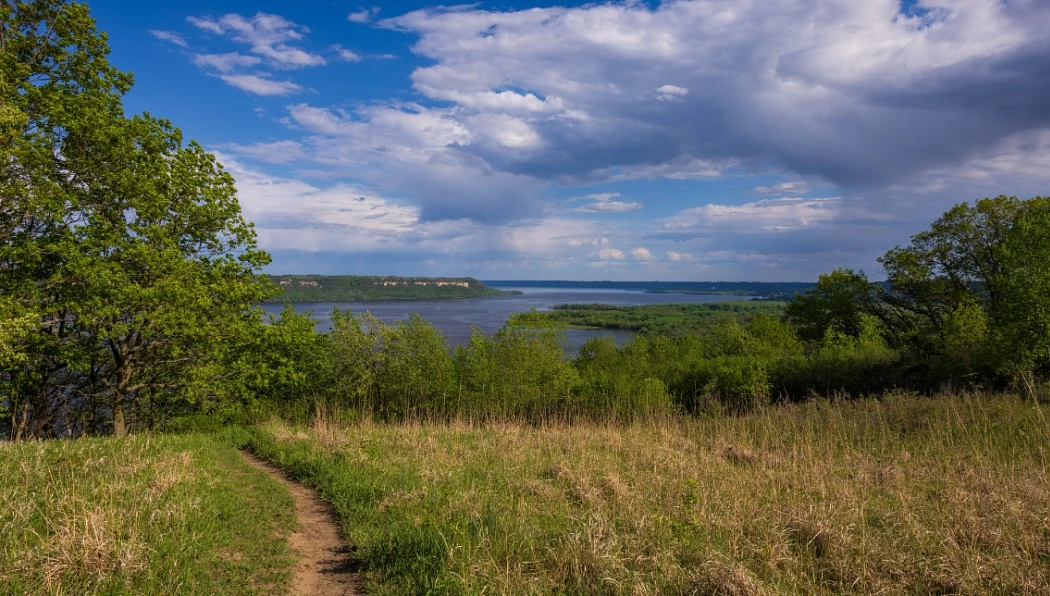
March still bites, particularly further north. Things shift in April—temperatures climb into the 70s. Then May arrives, stretching toward honest heat as the thermometer ticks into the 80s.
Rain happens, often. April typically gets the most. These aren't all-day affairs; showers blow through and clear out.
That heavy, soupy summer air hasn't settled in. You can be outside at midday without feeling drenched. Mornings and evenings keep a comfortable, even crisp edge. It's the season's reliable sweet spot.
What to Do
Spring hits, and azaleas explode across the state. Natchez practically vibrates with color. Doors swing open at the historic homes for the Spring Pilgrimage—mid-March to mid-April. These antebellum mansions offer architecture and history you simply won’t see anywhere else.
Water temperatures climb, and fishing picks up. Bass get active. Anglers flock to the reservoirs and rivers, chasing the bite.
Outdoor festivals pop up everywhere. Jackson hosts its Crawfish Festival in late April. Hitting the Blues Trail becomes a smarter move, too; you avoid the brutal summer heat.
Crowds and Prices
Spring isn’t the crush of peak season. You’ll spot other visitors, especially on festival weekends—just no overwhelming crowds. Hotels keep rates reasonable, aside from major event dates. Last-minute plans usually work; no need to plot months ahead. For peace of mind, book a week or two out. That’s it.
Summer: June Through August
The Heat Factor
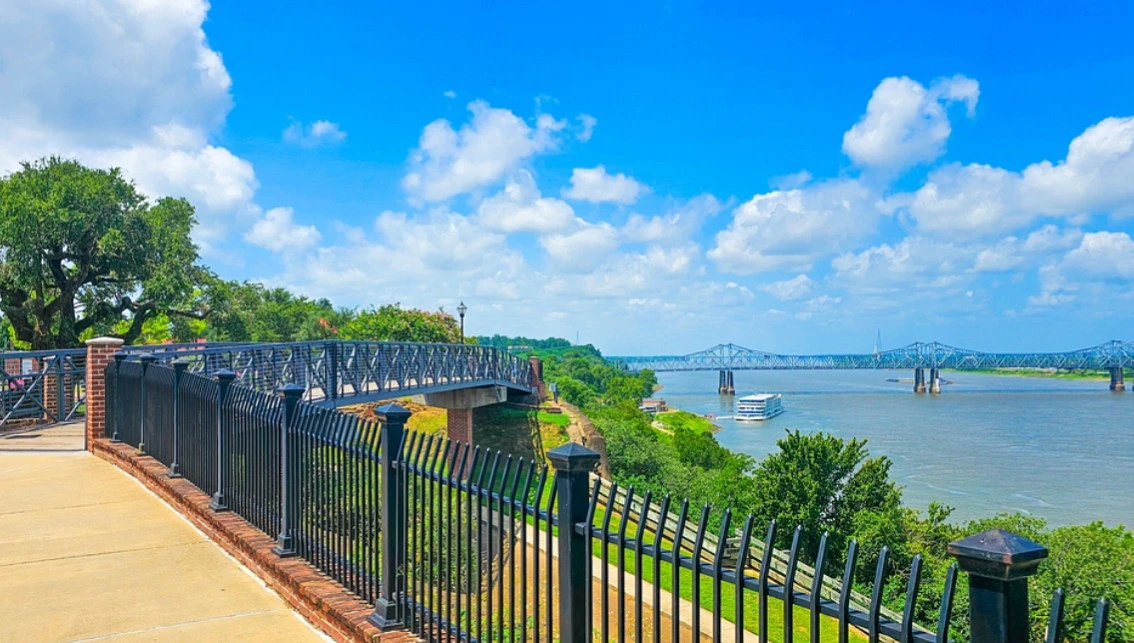
Summer in Mississippi is no joke. Temperatures reliably climb into the 90s. Then there’s the humidity—it hangs in the air, thick and close, turning the heat index past 100°F most days. What it actually feels like is oppressive.
Brief afternoon thunderstorms might cool things for a minute, but they just steam the place up afterward. You will sweat. Constantly. Smart planning means moving early or waiting for evening. Indoors is the only sane option for those midday hours.
Hurricane Season
Hurricane season kicks off in June. While the Gulf Coast faces the highest threat, every part of the state should stay on alert. Things get real in August and September—that’s when the most intense period hits. A direct hit isn’t guaranteed, but that’s no excuse for being unprepared. Stay aware. Have a game plan.
Activities and Events
-
When the heat settles in, water isn't just recreation—it's necessary. People find their way to the Gulf Coast for the beach, or seek escape on rivers, floating in tubes or kayaking. Lakes and reservoirs draw crowds, too.
-
Even in July, the determination to eat well overrides the temperature. In Greenville, the Mississippi Delta Hot Tamale Festival goes on, packed with locals and visitors.
-
Indoors, traffic increases. Places like the civil rights museums in Jackson and the B.B. King Museum in Indianola offer more than exhibits; they provide air-conditioned education, a welcome retreat from the sun.
Why Some People Still Visit
Summer travel is shaped by school schedules, drawing families to the Gulf Coast. To find more affordable rates there, skip peak weekends like the Fourth of July. Meanwhile, college towns such as Oxford empty out and become less crowded for exploration.
Heat isn’t a deterrent for everyone. If you’re accustomed to Southern or similar climates, Mississippi’s summer may present little discomfort.
Fall: September Through November
Weather Improvements
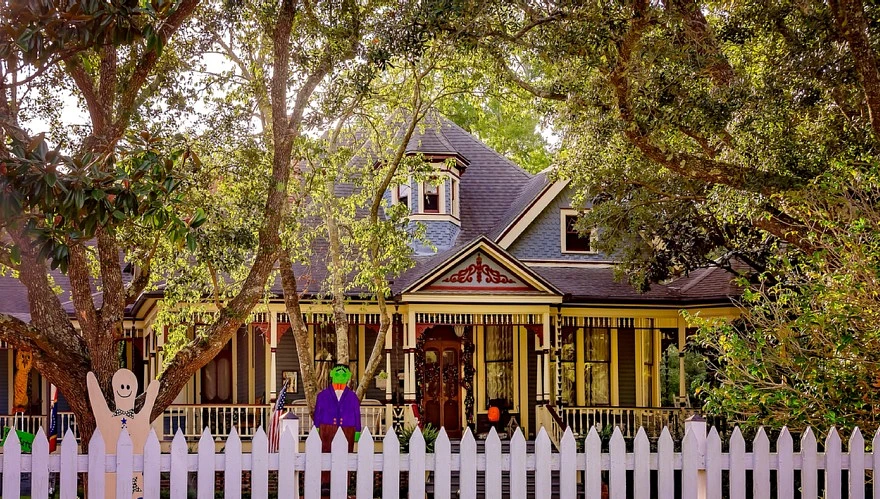
September heat lingers, a reluctant holdout. Then late month brings the first real shift. October arrives with relief—dry air, temperatures settling into the 70s, sometimes 80s. Humidity finally drops. By November, conditions often hit a sweet spot: days in the 60s and 70s, nights crisp.
Coastal concerns ease substantially after mid-October. The official hurricane season closes November 30th, removing a key variable for travel planning.
Fall Colors and Scenery
Mississippi's fall color lacks New England's dramatic reputation, but it's there. Look north to the hill country, where the shift outpaces the flat coastal plain. Stick around late October into November. The greens give way, blending yellows, oranges, and occasional reds into the familiar landscape.
This season draws people outside. State parks like Tishomingo in the northeast offer trails free from summer's heavy heat. The Natchez Trace Parkway turns ideal for a drive or a long ride. Cooler air. Clearer skies. It’s a different time to see the place.
Festival Season
Fall’s festival calendar fills quickly. While the historic Neshoba County Fair—one of the country’s oldest—winds down in early August, many events wait for genuine autumn cool. Mid-September sees the Delta Blues Festival kick off in Greenville. Across Mississippi, more outdoor concerts pop up as the heat breaks.
Food becomes a focus. The state takes its cuisine seriously. Harvest celebrations draw crowds, showcasing what the land produces.
Football
Fall weekends belong to college football. In Oxford, Ole Miss pulls the crowds; Starkville draws its own for Mississippi State. These towns don't just host games—they transform, electrified. Experiencing that Southern football culture demands a fall visit. Just plan ahead. For a home game weekend, book accommodations early. Options vanish, and prices surge.
If football isn't for you, steer clear of Oxford and Starkville on those weekends. They're slammed. The rest of Mississippi, however, stays open and accessible.
Winter: December Through February
Mild Temperatures
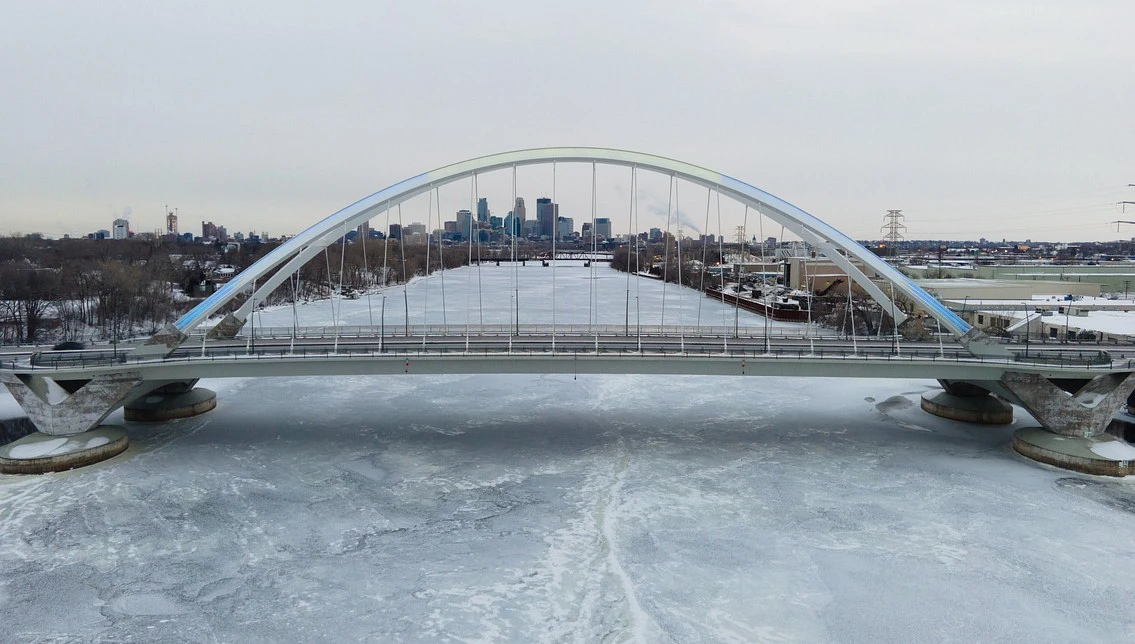
Mississippi winters run mild. Sure, it freezes, but rarely sticks around. Snow shows up occasionally—a light dusting, mostly. The real trouble comes from ice storms.
January nails the coldest stretch. Up north, nighttime readings can drop into the 30s. Coastal areas usually hang in the 40s. Days, though, regularly climb into the 50s. The 60s even make appearances.
Layers are non-negotiable. Mornings start chilly, afternoons warm up substantially, then evening cool returns. It’s that daily swing—warm, cool, repeat—that defines the season.
Peace and Quiet
Tourist crowds thin dramatically. Many attractions have shorter hours or close certain days, but you'll often have places to yourself. The Gulf Coast becomes tranquil. Museums don't have lines.
Hotel rates drop. You can find deals, particularly along the coast and in tourist-focused areas. This makes winter attractive for budget-conscious travelers.
Holiday Events
December brings holiday celebrations. Natchez does Christmas particularly well, with historic homes decorated and tours available. The Christmas season provides a different perspective on the antebellum architecture.
Small towns host holiday markets and festivals. These events show local culture without the tourist polish you might find during peak season.
Limitations
Some outdoor activities become less appealing. Beach weather is inconsistent. You might get a warm day in the 70s or a cold stretch where you wouldn't want to stick your toe in the water.
Occasional rainy periods can last several days. The weather becomes less predictable than summer's reliable heat.
Regional Considerations
The Gulf Coast
The coast offers beach access and seafood.
-
Summer brings heat but also beach season.
-
Fall remains excellent, with warm water temperatures lingering into October.
-
Winter sees fewer tourists but unpredictable beach weather.
-
Spring works well, though water stays cooler early in the season.
Hurricane season matters most here. Monitor forecasts if visiting June through November.
The Delta
The Mississippi Delta flatlands stretch across the northwest.
-
This region faces extreme summer heat.
-
Spring and fall provide the best conditions for exploring blues history and driving country roads.
-
Winter works if you don't mind occasional cold stretches.
The Delta feels different from the rest of Mississippi. Plan accordingly.
The Hills
Northeast Mississippi has some elevation, including the state's highest point. This region sees slightly cooler temperatures than the flatlands, though the difference isn't dramatic.
Fall colors show better here. State parks and outdoor recreation work best in spring and fall.
Jackson and Central Mississippi
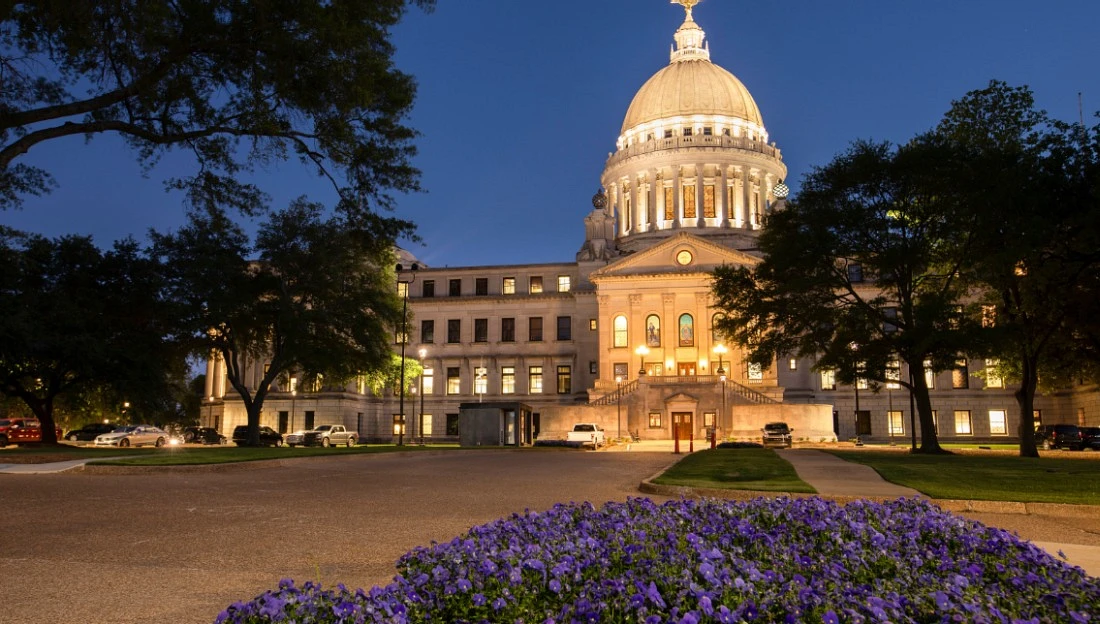
The capital city offers museums, civil rights history, and urban amenities. Any season works, though summer heat makes walking around downtown less pleasant. Spring and fall provide the most comfortable exploration conditions.
Practical Planning Tips
-
Pack a rain jacket or umbrella. Trust us - Mississippi rain doesn’t check the calendar. A sudden shower can leave you soaked and sour any month of the year.
-
Never assume a building will be cool. Southern heat lingers, spring through fall. Confirm your hotel’s AC works. In summer, that’s non-negotiable.
-
Book early for SEC football weekends, big festivals, holidays. Rooms vanish. Outside those peaks, you can play it by ear.
-
The humidity breeds mosquitoes, spring to fall. Ticks occupy the woods. Use repellent.
❓FAQ❓
What should families do in Mississippi during spring break?
Consider ditching the usual routine. Head to water parks like Serengeti Springs in Hattiesburg for thrills, or float a lazy river. Alternatively, the Gulf Coast beaches near Biloxi provide calm waves for family games. Increase the fun with a hands-on shrimping excursion.
When is the best time to visit Mississippi for hiking?
Hiking is best pursued in the fall, specifically October to November. Temperatures hover in the 70s with lower humidity, eliminating summer's exhausting heat.
What is the optimal season for beach trips to the Gulf Coast?
Target October and November. Ocean temperatures remain warm, around the 70s, while hurricane risks drop after mid-October. This means good swimming conditions with fewer people. Late spring, April to May, also works—the air is mild, the sea is warming, and the stifling summer humidity hasn't settled.
When should anglers plan a fishing trip to Mississippi?
Anglers should time trips with the species. Spring, March through May, triggers bass activity in reservoirs and crappie in Grenada Lake. Fall, September to November, is prime for coastal species like redfish and speckled trout.
Is winter a good time for Mississippi sightseeing?
Winter can work for sightseeing, particularly for those watching their budget. Afternoon temperatures in the 50s are mild enough for exploring Jackson's museums or decorated homes in Natchez.