









🎯Too Long; Didn’t Read
Ditch the idea of one "perfect" visit. The state's vibe shifts completely with the seasons. You need to decide what you want out of the trip first, then lock in your dates. Do not skip this part.
North and south Alabama? They might as well be different states depending on the month. Scout the forecast right before you go. Pack layers—non-negotiable. Throw in rain gear no matter how sunny it looks. Always have a backup plan for anything outdoors.
If you're Gulf-bound during hurricane season, keep one eye on the weather radar. Be prepared to bail.
-
For nailing weather, crowds, and things to do, target April, May, October, or November. You get the most options without the brutal heat or cold.
-
Sure, summer works for beaches. But prepare to sweat, shell out more cash, and be surrounded by everyone else.
-
Winter? That's for the budget-conscious. You'll save money, but you're trading for fewer open attractions and sketchy weather.
-
September is a transition month. It's still hot, but the hurricane threat is fading. Football kicks off. It's a roll of the dice.
Alabama sits in the Deep South. That means heat. That means humidity. You'll sweat.
Summer temperatures regularly hit the 90s. The humidity makes it feel like you're breathing through a wet towel. But that's just summer. The rest of the year? Completely different story.
Central and northern regions cool down significantly during winter. Not Minnesota cold, but you'll need a jacket. The Gulf Coast stays warmer year-round. Mobile and Gulf Shores rarely see frost.
Rain happens throughout the year. There's no true dry season. Spring brings the most precipitation, along with severe weather potential. The coast faces hurricane risk from June through November, with September being the peak concern.
Spring: March Through May
Weather Patterns
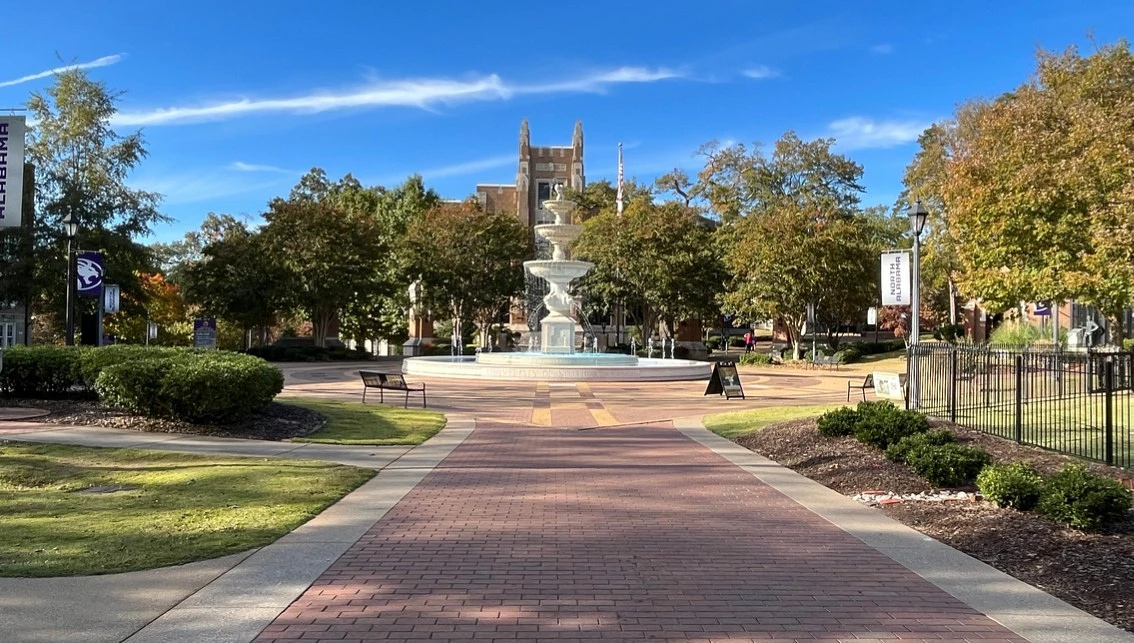
Spring arrives early in Alabama. By March, azaleas are blooming. Dogwoods follow. The state becomes a showcase of flowers and green everything.
Temperatures climb from the 60s in March to the 80s by May. Comfortable. Manageable. You can actually spend time outside without feeling like you're melting.
But spring also means storms. Severe thunderstorms roll through regularly. Tornadoes are a real concern, particularly in April. The state sits in a zone that sees significant tornado activity. Not every day, not even every week, but the risk exists.
Rain falls frequently. Pack accordingly.
Why Visit in Spring
Right now is the weather we dream about, before the summer stew sets in. Hiking is actually possible—you won't feel like you're dying. State parks? This is their prime time. Think Oak Mountain near Birmingham or Cheaha in the Appalachian foothills. They just hit different in spring.
Fewer tourists is a major win. Cheaper hotels, and you aren't fighting for reservations. Spring break gets busy, but it's nothing like the summer chaos.
Anglers, listen up. Fishing gets serious. Bass season really kicks off in April and May. The Tennessee River, Lake Martin, Lake Guntersville—these spots produce for a reason.
This is also when the gardens peak. Birmingham Botanical Gardens, Bellingrath near Mobile—if that's your thing, the displays are worth the trip.
Drawbacks
That severe weather risk isn't hypothetical. Check forecasts. Have a plan. Know where to shelter if warnings are issued.
Some beach activities feel premature. Water temperatures haven't caught up to air temperatures yet. Swimming is possible but not always comfortable.
Summer: June Through August
The Heat Reality
Alabama summers: swampy, no doubt. Temperatures consistently hit the high 90s. That heat index—the combo of temperature and humidity—frequently cracks triple digits. Air so thick, breathing becomes a real chore.
Coastal spots catch a break with a Gulf breeze. Up north offers a minor reprieve, but let's be clear—it's still miserably hot.
Then, nearly every afternoon, storms sucker-punch the state. They blow in fast, dump a shocking amount of rain, and vanish. The lightning is no joke; it's a genuine hazard, not a spectacle.
Beach Season
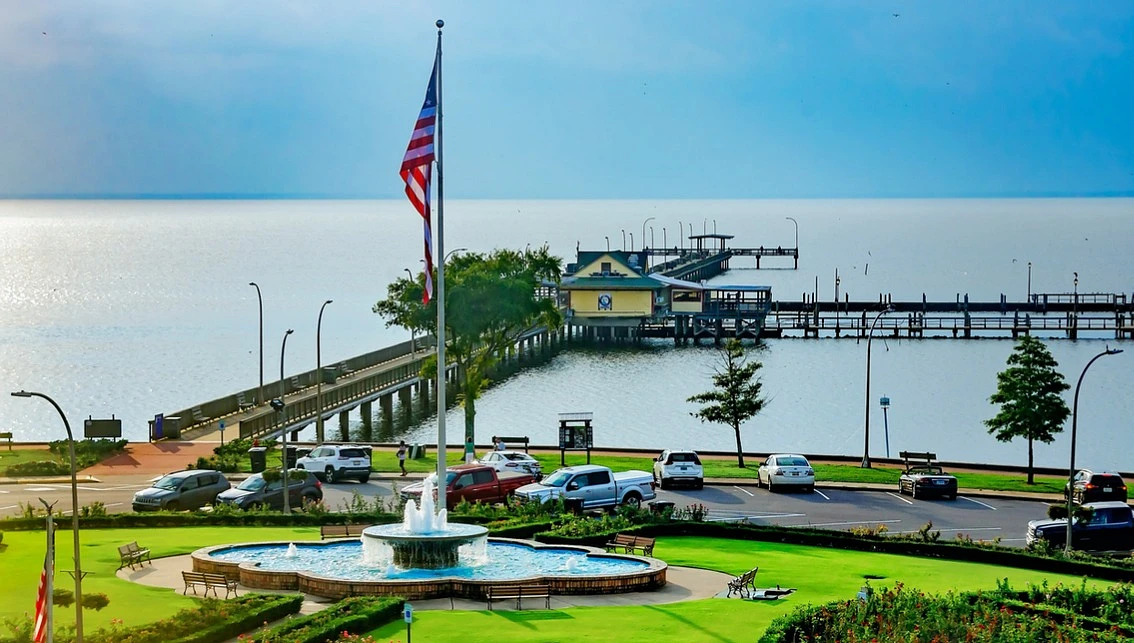
Summer on Alabama's coast? That's when Gulf Shores and Orange Beach truly come alive. Families pour into town. The famous sugar-white sand becomes a blanket of people, and the Gulf water turns bathwater warm—a bit much for some, but absolute perfection for others.
Your budget will feel the squeeze. Hotel rates hit their annual peak. Snagging a decent spot, any spot, requires planning months ahead.
The vibe is pure energy. Beach volleyball, crowded eateries, bustling boardwalks. If you thrive on a crowd's buzz, this is your scene.
Other Summer Activities
Indoor attractions become more appealing. The U.S. Space and Rocket Center in Huntsville is air-conditioned. So is the Birmingham Civil Rights Institute. Museums and aquariums see increased traffic from people escaping the heat.
Water activities beyond the beach make sense. Floating down rivers. Tubing. Lake swimming. Anything involving water.
Baseball games happen, though sitting in stadium seats under the Alabama sun for hours isn't everyone's idea of fun.
Drawbacks
The heat isn't just uncomfortable. It's limiting. Mid-day outdoor activities are rough. You'll plan around the sun.
Hurricane season overlaps with summer. Coastal areas can see evacuations. Even without direct hits, tropical systems bring heavy rain and rip currents.
Crowds everywhere. Traffic increases. Lines form. Prices reflect demand.
Fall: September Through November
The Prime Window
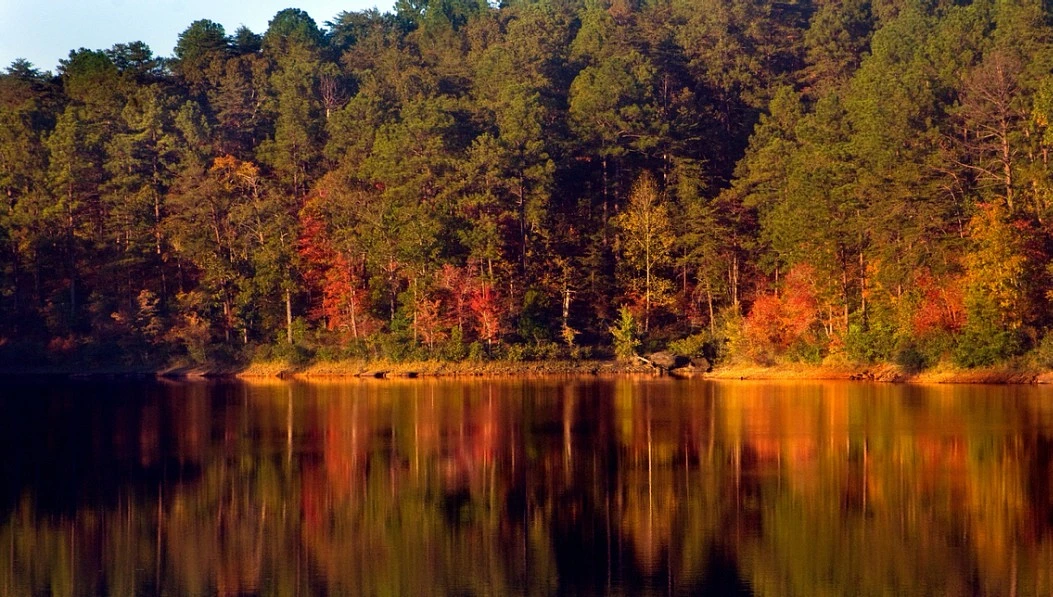
Many locals will tell you fall is the answer. September still carries summer heat, but October and November? Those months are gold.
Temperatures drop into the 70s and 60s. Humidity decreases. You can be outside comfortably for extended periods. The oppressive nature of summer lifts.
Rainfall decreases compared to spring. Clearer skies. Better conditions for photography if that's your thing.
Hurricane risk continues through November but decreases each week after September.
Football Culture
College football dominates fall in Alabama. Auburn and Alabama games are cultural events. The entire state revolves around Saturday games.
Getting tickets is difficult. Hotels near game sites book out months in advance. Prices inflate dramatically on game weekends.
But even if you're not attending games, the atmosphere is worth experiencing. Tailgating culture is intense. Towns transform on game days.
Outdoor Activities Peak
Fall's the prime time for hiking. Think about it: the Pinhoti Trail, routes through Bankhead, the paths tracing Little River Canyon. You can actually enjoy them. No sweaty battle against the heat, and the bugs are finally thinning out.
Fishing? Still solid. The water's holding onto that residual warmth, so the fish stay properly active.
And then there are the festivals. They pop up all over the state this season. We're talking local events, craft fairs, harvest celebrations. These aren't the big, flashy tourist traps. They just feel more authentic. Gets real.
Considerations
Book early if you're visiting in October or November, especially near college towns on game weekends. Availability disappears fast.
Early September still feels like summer. The transition happens gradually.
Winter: December Through February
A Different South
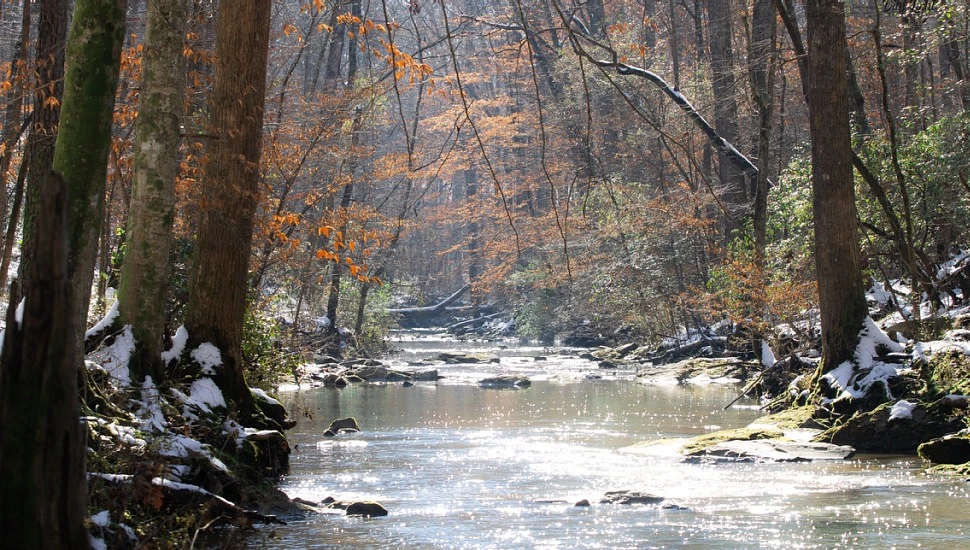
Alabama winters are mild compared to most of the country. But they're not Florida winters.
North Alabama sees some freezing temperatures. Snow happens occasionally but rarely sticks around. Ice storms are more common than snow and create more problems.
The coast stays warmer. Temperatures in the 50s and 60s are typical. Some days reach the 70s.
Why Winter Works
Crowds vanish. Tourist sites and attractions are empty. Hotels drop rates significantly. You can actually get deals.
The Gulf Coast becomes peaceful. Walking beaches without navigating around thousands of people has appeal. The water's too cold for most swimming, but the beach experience remains.
Indoor attractions become primary focuses. Museums, historical sites, restaurants—these are accessible and comfortable regardless of weather.
Holiday events and decorations appear in December. Some cities do elaborate displays.
Limitations
Many beach businesses reduce hours or close entirely. The full beach town experience isn't available.
Weather is unpredictable. A week could be mild and pleasant or cold and rainy. Hard to plan around.
Some outdoor activities lose their appeal. Hiking is still possible, but shorter days and potential for cold rain make it less attractive.
This is the off-season for good reason. The state doesn't showcase its best attributes in winter.
❓FAQ❓
What are the best preparations for sudden weather changes in Alabama?
Always pack a rain jacket—no excuses. Layering? That's your move for sudden temperature drops. Tech-wise, a reliable weather app is essential. It pings live storm alerts and tornado watches. Check it repeatedly, not just at daybreak.
Are there any notable local events or festivals to plan around?
Forget the crowded, generic events. In the fall, you'll find the real gems. Look for local harvest celebrations and community craft fairs. These gatherings are authentic, deeply cultural, and far from the tourist track.
Are there safety tips specific to outdoor activities in Alabama?
Before any hike or fishing trip, file a plan with someone. Tell them where you're going and when you'll be back. Pack a first aid kit, obviously. And watch your step. Rural areas mean wildlife, so stay aware of snakes. It's simple, but it's a big deal.