








🎯Too Long; Didn’t Read
A rough guide for a “typical” general-interest trip:
-
January–February: Great for ski trips and desert stays; cheaper city visits but with real rain risk on the coast.
-
March: Transition month. More daylight, wildflowers in some regions, still fairly calm crowds.
-
April: Very solid choice almost statewide: nice temperatures, greener landscapes, moderate pricing.
-
May: Strong month for Yosemite valley, wine regions, and coastal drives, with main summer rush still ahead in many spots.
-
June: A solid pick for mountain trips and road travel. National parks begin to see crowd buildup.
-
July and August: Prime for family vacations and mixing beach days with mountain hikes. But heads up: inland heat peaks, parks get packed, and wildfire smoke often rolls in.
-
September frequently shines—warm and dry conditions dominate most spots. With fewer families on the road, beaches and cities hit their stride.
-
October: Calm, stable weather for many regions, with fall color in some Sierra foothill and mountain areas and wine harvest in full swing.
-
November: Shoulder month. The early part can still feel like fall; the later part edges into a wetter season in the north and along the coast.
-
December: Holiday lights in cities, ski season starting or underway, but also strong winter storms in some years and busy travel dates.
Californian weather shifts constantly. Start with coastal fog, then an hour's drive lands you in valley heat that never quits. Soon, you're in snowy peaks or a stark desert. Picking the ideal time? Totally depends on your spot—cities, coastline, parks, or wine country.
People generally point to spring and fall—March through May, September through November. These windows offer the sweet spot: manageable crowds, decent prices, and cooperative weather.
That's the foundation. The real planning starts there.
Quick answer: best months for “typical” California trips
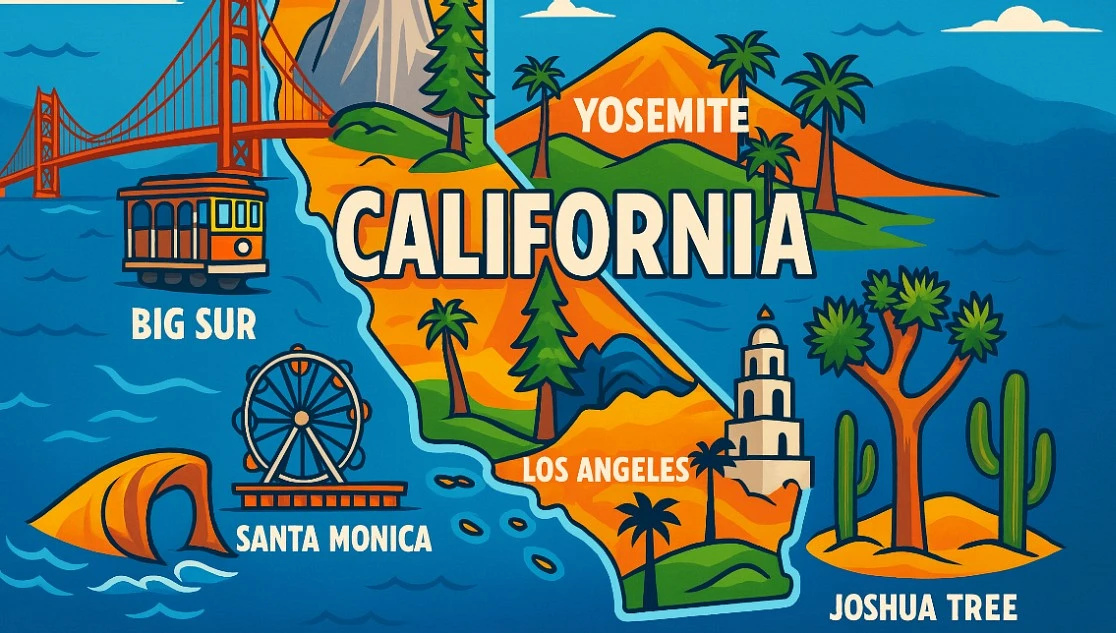
For a first-time or general sightseeing trip (a mix of cities, coast, and maybe one national park), the following windows work very well:
-
Late March to early June;
-
September to late October;
During these periods:
-
Temperatures are usually moderate across much of the state.
-
Coastal fog is less of a problem than in early summer, especially in fall.
-
Most national and state parks are reachable, depending on snow in the high Sierra.
-
Big holiday surges and peak summer pricing are mostly avoided.
Why spring works
-
California's climate in spring? Mostly Mediterranean. Winters bring cooler, wetter weather. Summers shift to drier and warmer. Spring's transition—conditions stay mild.
-
Coastal and wine regions see a lot of clear, usable days with comfortable daytime temperatures.
-
Many tourists highlight April and May as especially good months for scenery and stable weather across large parts of the state.
Some higher mountain roads or trails can still be snow-affected into late spring after big winters, so itineraries that rely on specific high passes or remote trails are better kept flexible.
Why fall is often even better
Plenty of locals quietly swear by September and October for California travel. Travel writers and recent trip reports echo that: warm, often clear, and less busy than peak summer.
Typical advantages:
-
Warm water and settled weather for southern beaches.
-
Less marine layer on the central and northern coast than in June–July.
-
Easing heat in inland valleys and deserts.
-
Better odds of open high-country trails in Yosemite and the Sierra, without heavy snow yet.
The main trade-off: fall also overlaps with part of wildfire season, which often peaks in late summer and fall, and can affect air quality or access in some years.
How California’s seasons actually work
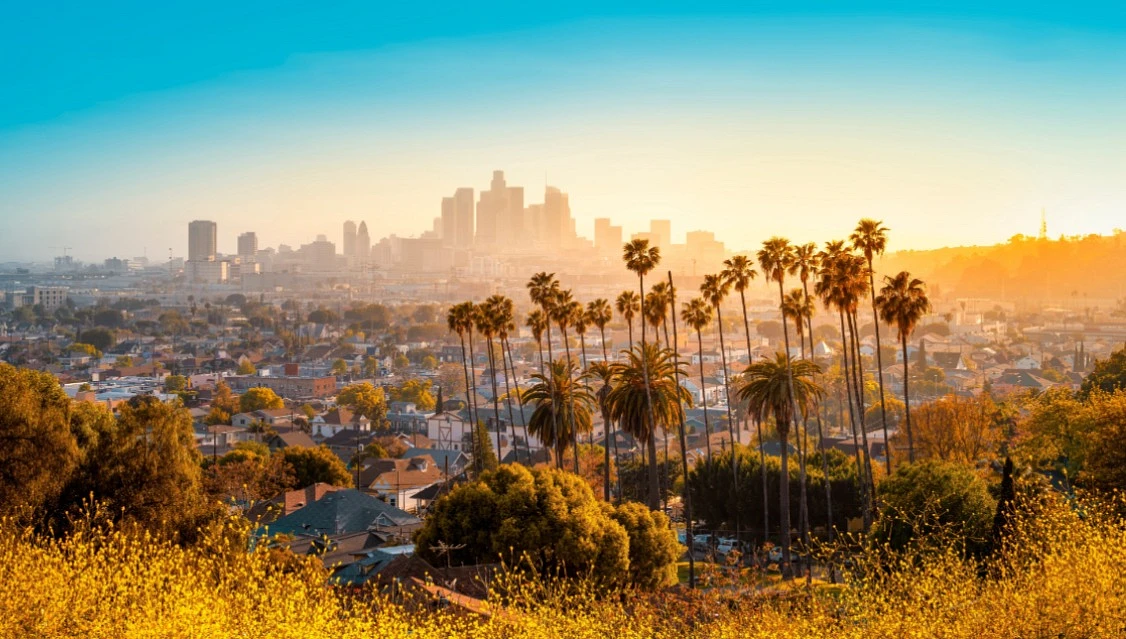
Instead of thinking in textbook “four seasons,” it helps to use a simpler split:
-
Cooler, wetter period: roughly November–March;
-
Warmer, drier period: roughly April–October;
On top of that, different zones behave differently:
-
Coast: cooler summers, mild winters, frequent marine fog from about Monterey northward.
-
Inland valleys: hotter in summer, cooler in winter than the coast.
-
Mountains: cold winters with heavy snow, pleasant summers.
-
Deserts: very hot summers, mild winters.
Winter (December–February)
What it’s like:
-
Coast and cities: cool, often clear between storms, with most of the year’s rain.
-
Mountains: strong snowpack in many winters, active ski season.
-
Deserts: cool to mild days, cold nights.
Good for:
-
Skiing and snowboarding in Lake Tahoe and Mammoth.
-
Cheaper city trips to Los Angeles, San Diego, San Francisco, with some rainy days but plenty of workable ones.
-
Desert trips (Joshua Tree, Death Valley and similar) without dangerous heat.
Limitations:
-
Winter storm systems, including intense atmospheric-river events, can cause heavy rain, flooding, and mountain snow, as seen in recent seasons.
-
Some high-elevation park roads close for months.
Spring (March–May)
What it’s like:
-
Gradual warm-up almost everywhere.
-
Longer, brighter days, but not the searing heat of inland summer.
-
After wetter winters, strong wildflower displays can pop up in March–April in several regions.
Good for:
-
A bit of everything: cities, coast, national parks at lower and mid elevations.
-
Moderate crowds and more manageable prices than midsummer, according to multiple travel operators.
Summer (June–August)
What it’s like:
-
Coast: often cooler than expected, especially from the Bay Area north, with lasting morning clouds and fog.
-
Inland valleys: very hot days are normal, with heat advisories during stronger warm spells.
-
Mountains: prime time for hiking, camping, and lake trips once snow has melted.
Good for:
-
Families tied to school holidays.
-
Beach trips where cool air is actually welcome.
-
High-country parks and lakes.
Limitations:
-
Crowds and higher prices across big national parks and well-known coastal towns.
-
Wildfire activity and smoke impacts often ramp up from mid-summer into fall.
Fall (September–November)
What it’s like:
-
Often the driest, most stable run of weather.
-
Warm days on the coast, less oppressive heat inland than July–August.
-
Harvest season in wine regions.
Good for:
-
Road trips, including Highway 1.
-
Combined city + park itineraries.
-
Beach days in southern California, with some of the warmest ocean temps of the year.
Limitation: Fire risk remains an issue until meaningful rain arrives in many years.
Best time by region
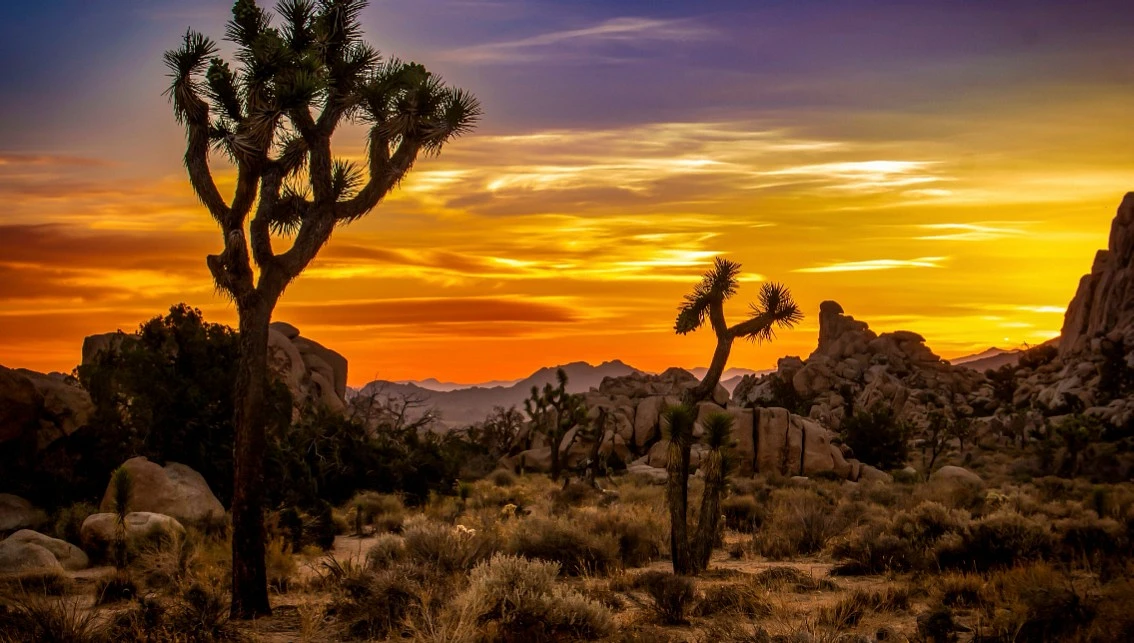
Coast and cities (Los Angeles, San Diego, Orange County)
For a solid mix of weather and crowd levels, target March to May or September into early November. Travelers frequently recommend these stretches. You get decent beach conditions without the peak-season rush.
Craving warm beach days and ocean swims? July through September delivers. Sea temperatures peak then, hitting their highest points. You'll find classic beach conditions, especially in San Diego and Orange County.
Want to pay less? Target winter's off-peak stretches, like January—just avoid major events and holidays. Hotel rates dip, and crowds thin out.
Crowds spike around school holidays, big conventions, and theme-park promotions, so booking early helps during those windows.
Desert areas (Palm Springs, Joshua Tree, Anza-Borrego)
Plan your visit between October and April. Daytime temps are ideal for hiking. You'll need layers after sunset—nights get chilly.
But come summer, from June to September, reconsider. The desert becomes brutal. Temperatures routinely hit 100°F. Official sources warn against the midday sun, labeling it a genuine hazard. Save desert exploration for the cooler months.
Coastal road trips (Santa Barbara, Pismo Beach, Big Sur)
Best times: April–June or September–October. That's the sweet spot. You'll dodge the heaviest fog and get genuinely pleasant temperatures—way more comfortable than the often unpredictable early summer.
Summer months, July and August, still work for a drive. Just expect company. Places get packed. And that famous marine layer? It still rolls in most mornings, blanketing stretches of the coast before it (usually) burns off. Plan for that.
Wine regions (Napa, Sonoma, Paso Robles, Santa Barbara County)
Spring (March–May): Roads quiet down. Hills turn green, and tasting rooms have a peaceful hum—fewer crowds, just comfortable days. It's calm before the prime time.
Fall (September–October): Everything shifts. Harvest hits—that means grape picking, full crews, and towns buzzing with energy. It’s lively, but expect company.
Since prices follow demand, weekends during harvest? They’ll cost you. Plan for that.
San Francisco and nearby cities
Go for September to October. That stretch delivers peak warmth and clarity. Locals and visitors both vouch for it.
April to June works too, but plan on jackets—often chilly. Afternoons? Frequently foggy with brisk winds.
Far north coast and redwoods (Mendocino, Eureka, Redwood parks)
Hit the trails from June to September for the driest hiking. Temperatures are warm, so camping works well, and rain is less likely than in winter or spring.
Prefer a more secluded, moody vibe? Check out the shoulder months in spring or fall. You might face more rain, but the crowds thin out.
Yosemite National Park
Consider the shoulder seasons: late May into early June, or September through October. These periods hit a practical sweet spot. You get flowing snowmelt waterfalls and trails that are largely accessible. Crucially, the human traffic hasn't yet peaked.
Sure, summer is the classic hiking season. But it brings the full package: the valleys get seriously hot, visitor numbers max out, and from July onward, the wildfire smoke risk is a real gamble.
Sequoia & Kings Canyon
For the prime visiting season, locals typically recommend May through October. June to August offers the most reliable weather. Just a heads-up: July and August draw the biggest crowds.
Winter trips? Doable, but you'll need snow chains, some roads are sketchy or closed, and parts of the parks get seriously cold.
Lake Tahoe
For snow sports, target December through March—but only in a typical snow year. That's when resorts have the lifts going and all winter services operational.
Shift to hiking and lake activities from July to September. Trails are generally clear then, and water temps hit their peak. Still brisk, though.
Central Valley and inland cities (Sacramento, Fresno, Bakersfield)
Think of these cities as quick stops, not final destinations. But when you pass through it still counts.
Aim for March–May or September–October. You'll dodge the winter fog and the worst of the summer heat. Summer? It's a furnace. Scorcher days are common, not just occasional.
Best time by trip style
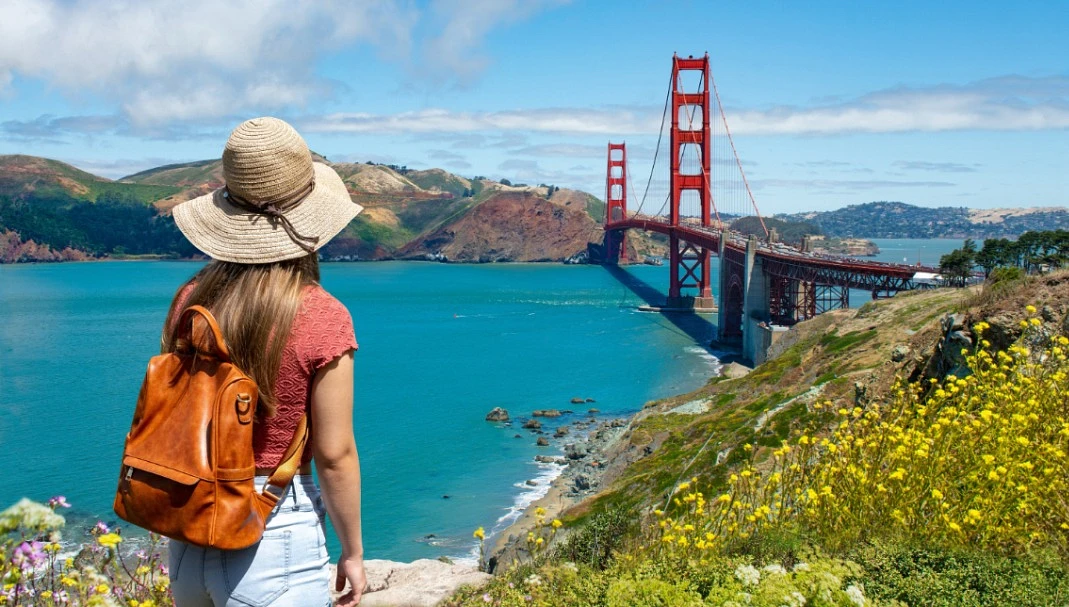
Classic “first-timer” loop
Typical loop: San Francisco → Yosemite → Central Coast / Big Sur → Los Angeles → San Diego (or reverse).
Best timing for this style: Late April–June or September–October, to line up reasonable weather in all segments and better odds of open high-country roads without winter closures.
Summer still works, but Yosemite and the big cities get busy and hot. Winter storms and snow make some of that loop awkward or impossible.
Beach-focused break
Focus: LA, San Diego, Orange County, maybe Santa Barbara or Santa Cruz.
-
Warmest beach feel and ocean temps: July–September, with long days and classic “summer break” energy.
-
Calmer but still beach-friendly: September–early October is often ideal: kids back in school, water still warm, weather steady.
Parks, trails, and hiking-heavy trips
Focus: Yosemite, Sequoia & Kings Canyon, Lassen, the Sierra foothills, desert parks like Joshua Tree and Death Valley.
-
Mountain parks: Late May–September for most casual visitors, with early and late parts of that range generally less crowded than July and August.
-
Desert parks: October–April so hiking and driving stay within safe heat limits.
Because wildfire smoke can affect visibility and air quality between roughly July and November in some years, keeping backup indoor or coastal plans for those months is smart.
Wine and food-centric trips
Focus: Napa, Sonoma, Paso Robles, Santa Barbara wine country, plus restaurant scenes in cities.
-
Spring: March–May offers comfortable temperatures and less chaos on rural roads than harvest.
-
Fall: September–October brings harvest action, events, and busy tasting rooms.
❓FAQ❓
Is it necessary to book accommodations far in advance for popular California destinations?
No doubt. Peak seasons—summer and fall harvest—demand early booking. Secure your spot ahead of time. You'll snag cheaper rates and bypass the last-minute rush.
What are the best transportation options within California for tourists?
Renting a car is unmatched for navigating California's sprawling mosaic of regions. You've got real freedom. Major cities, however, operate differently. Public transit and rideshares handle those urban cores just fine. Just a heads-up: prepare for gridlock. And good luck finding a parking spot.
Are there any safety concerns travelers should be aware of in California?
Walking solo after dark in a new part of town? Sketchy move. Keep your stuff close; a loose grip invites trouble. Muggings and petty crime happen—don't make yourself the easiest target. A cross-body bag, for instance, is harder to snatch.