








🎯Too Long; Didn’t Read
The best time to visit Florida depends on your priorities for weather, crowds, and budget.
-
For Perfect Weather & Low Crowds: Head to the shoulder seasons—late April into May or October through early November. You'll catch decent weather, way fewer people, and prices that dip.
-
For Guaranteed Great Weather (and High Prices): Head there in winter—December to February. That's peak season. You'll score dry, fantastic weather. But brace yourself: places are packed, and costs are steep.
-
For the Best Deals: Hit the spot in summer, June to August, or early fall, September through October. That's when prices bottom out. But brace yourself: heat is brutal, humidity clings, storms hit daily, and hurricane threats spike, especially in September and October.
-
Key Regional Difference: North Florida's temperatures dip in winter. South Florida, though, stays warm all year.
Cheat Sheet:
-
Best Balance: April, May, October, early November.
-
Peak Season (Crowds & Cost): December - February, March (spring break).
-
Value Season (Heat & Hurricanes): June - early November.
Florida's seasons? They're not your standard issue. Think "winter" or "summer" there, and it's all about context—your origin point and your goals. Let's get specific on when to lock in your trip.
Understanding Florida's Climate
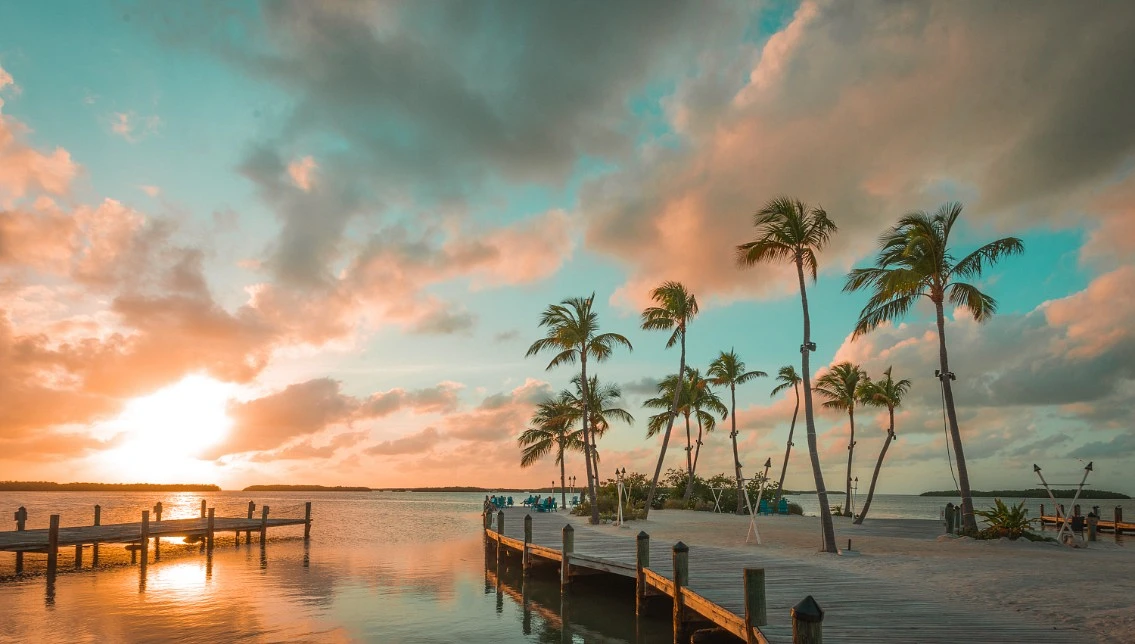
Florida sits in a subtropical zone, which means heat and humidity dominate most of the year. The northern parts of the state get slightly cooler winters. Not cold. Just cooler. South Florida? Pretty much warm year-round.
You've got two main climate periods here: the dry season and the wet season. Dry runs from November through April. Wet takes over May through October. This matters more than you'd think when planning your vacation.
Winter in Florida (December to February)
Winter is the peak season. Everyone knows this. Snowbirds from Canada and the northern states flood down here to escape freezing temperatures back home. The weather? Usually sitting between 60-75°F during the day. Nights can dip into the 50s in north Florida, sometimes even the 40s if you're unlucky.
This is when hotel prices spike hard. We're talking double or triple what you'd pay in summer. Theme parks get packed. Beaches fill up. You'll wait in line for everything.
But here's the thing - the weather is legitimately fantastic. No rain for days or weeks at a time. Low humidity. You can actually walk around outside without drowning in your own sweat. The ocean's cooler than summer but still swimmable at 70-75°F.
South Florida hotspots like Miami, Fort Lauderdale, and the Keys draw massive crowds currently. Everyone seeks sunshine while other regions deal with snow. Obvious choice.
Spring (March to May)
March and April are tricky. Still considered peak season, especially around spring break. College kids invade certain beaches - Daytona, Panama City, Miami Beach. If you're not into that scene, avoid these spots during March.
But April and May? Underrated months. Crowds start thinning out by late April. Prices drop a bit. Weather stays comfortable - you're looking at 75-85°F most days. Rain remains minimal until late May.
May catches you right before summer's chaos hits. Humidity starts climbing, sure, but it's not oppressive yet. This window between spring breakers leaving and summer starting offers decent value. Hotels want to fill rooms, so deals exist if you hunt around.
One warning: May starts hurricane season. June 1st officially, but storms can form in May. Usually it doesn't matter much this early.
Summer Season (June to August)
Temperatures park around 85 to 95. But the humidity? That’s the real factor—it jacks the feels-like index up to 105. Sweat breaks out instantly. The air just hangs, thick and heavy.
Rain shows up most days, typically late afternoon. Not all-day soakers—these are intense thunderstorms. They blow in hard, last 30 to 60 minutes, then vanish. You learn to work your schedule around these quick hits.
So why would anyone visit during summer? Prices plummet. Hotels, flights, rental cars - everything gets cheaper. Theme parks run extended hours. Kids are out of school, so families come despite the heat. But you'll find way fewer crowds than winter.
The ocean hits 85°F, which feels like bathwater. Perfect if you like warm swimming. Beaches offer the best escape from heat since you can actually cool off in the water.
Hurricane season runs June through November, peaking in August and September. Does this mean you'll definitely hit a storm? No. Most days are fine. But the risk exists.
September and October see the highest hurricane probability. Flights get canceled. Hotels evacuate. Your trip could get wrecked. Travel insurance becomes basically mandatory if you're booking during these months.
That said, plenty of people visit during hurricane season without issues. You're gambling a bit. Just stay aware of forecasts.
Fall (September to November)
September remains hot and sticky. Still hurricane prime time. Not many tourists brave this month unless they're getting absurd deals or don't have a choice with scheduling.
October brings relief. Temperatures slide down to 80-85°F. Humidity eases up. Rain becomes less frequent. Crowds stay thin because school's in session and people still worry about hurricanes, even though the risk drops considerably by late October.
November marks the transition into peak season. Thanksgiving week gets busy with domestic tourists. Prices start climbing again. But early November offers a sweet spot - weather improves dramatically while crowds haven't fully returned yet.
October through early November brings Halloween events to Universal Studios and other theme parks. These draw crowds, but they're manageable compared to winter madness. If you're into that stuff, October works out nicely.
Regional Differences Worth Knowing
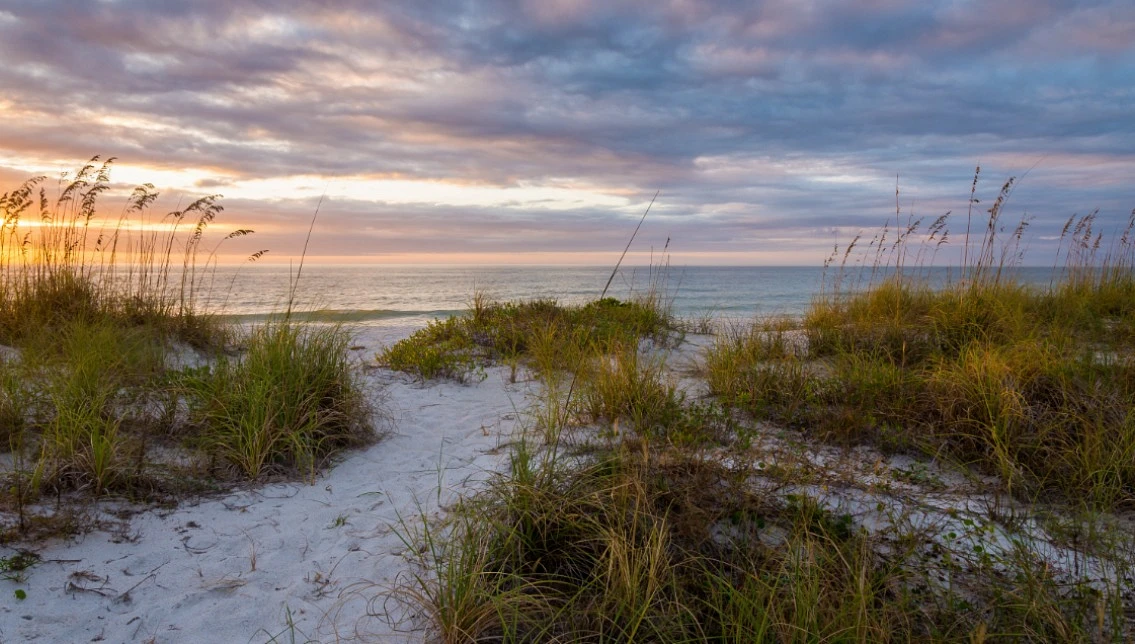
North Florida vs South Florida
Jacksonville, Tallahassee, Pensacola - these areas actually get chilly in winter. You might need a jacket. Hotels and attractions stay cheaper year-round compared to South Florida.
South Florida - Miami down through the Keys - maintains warmth constantly.
January temperatures in Key West barely drop below 70°F. This region stays expensive during winter because everyone wants that guarantee of sun and heat.
Gulf Coast vs Atlantic Coast
The Gulf side (Tampa, Naples, Sanibosa Island region) offers calmer waters and slightly warmer temperatures. Beaches here work better for families with small kids since waves stay gentle.
The Atlantic side (Miami, Fort Lauderdale, Palm Beach) gets rougher surf and slightly cooler ocean temps. More energy, more happening vibe. Depends what you want.
Theme Parks Planning
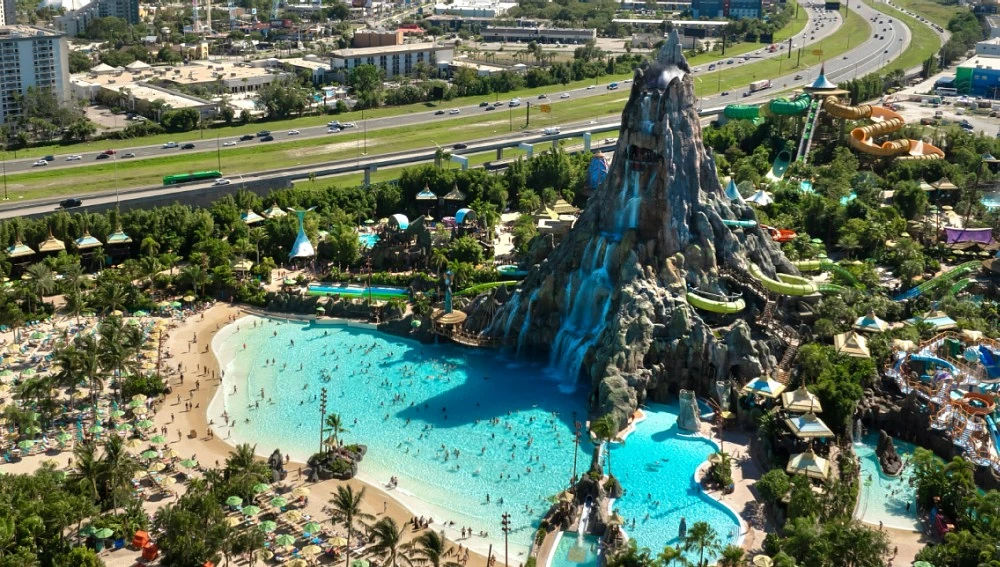
These places operate year-round, but crowd levels vary drastically. Winter holidays (Christmas through New Year's) bring absolute chaos. You'll wait 2-3 hours for popular rides.
Summer gets crowded but the heat thins crowds somewhat. Early morning becomes crucial - go at rope drop, hit major attractions first, then retreat to your hotel pool when afternoon heat peaks.
September and early November offer the lowest crowds. Kids are in school. Weather stays tolerable. Lines cut in half compared to peak season.
January through early February, excluding holidays, provides another solid window. Post-holiday blues mean fewer visitors, but the weather remains comfortable.
Beach Vacation Timing
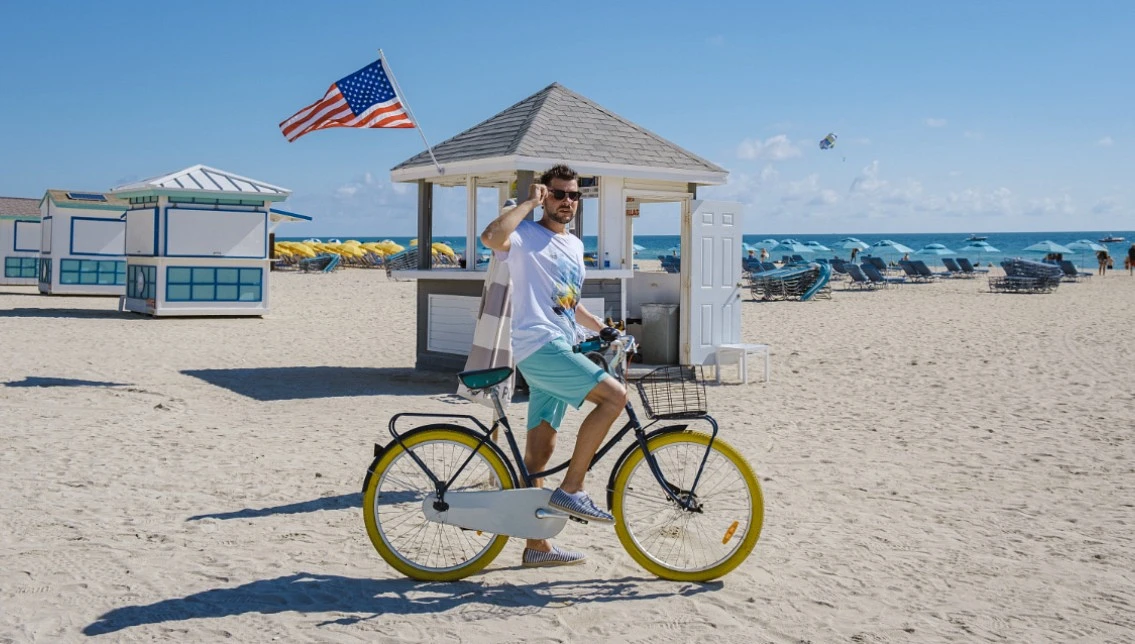
Want a beach trip? Late April through May gives you great weather without insane crowds. September and October work too if you're willing to risk hurricane season and don't mind heat.
Winter beach vacations cost more but deliver consistent weather. You won't worry about rain ruining days. Ocean temp stays acceptable for swimming, though some find it too cool.
Summer means hot ocean temps and afternoon storms.
But beaches actually stay less crowded during summer than winter, especially on weekdays. Locals avoid midday heat, so you'll find space.
Budget Considerations
Money matters.
-
Visit from late summer through early fall, but skip Thanksgiving week. You'll pay nearly half what the winter peak demands for a hotel room. That's the pro move.
-
Summer's got deals, but they're not as steep as early fall's. More families and kids are around, so some attractions stay packed.
-
Want to splurge? Winter justifies higher prices with near-perfect weather. You're practically guaranteed sunny, comfortable days. No rain to mess up plans. That reliability costs extra.
Events and Festivals

Florida hosts events year-round. Art Basel in Miami happens in December - huge crowds, expensive hotels. Daytona 500 in February brings racing fans. Spring training baseball runs February and March.
Key West Fantasy Fest takes over late October. SunFest in West Palm Beach happens in May. These events create local price spikes and crowds. Check what's happening when you plan your dates.
What Worked for Different Tourist Types

Families with Kids
School schedules force summer or holiday timing for most families. If you can swing it, late April or early May works well. Kids can miss a few school days, you avoid summer heat, prices stay reasonable.
Retirees and Flexible Schedules
You've got options. November and early December offer great weather with declining crowds and prices. April works too. Avoid snowbird season if possible - you're competing with people who stay for months.
Young Travelers and Backpackers
Summer and early fall give you the cheapest access. Heat doesn't matter as much when you're young. Hostel prices drop significantly. You can actually afford Miami Beach during August.
❓FAQ❓
What kind of travel insurance is recommended for Florida trips?
Travel insurance is a must. It should cover cancellations from hurricanes and handle any medical emergencies. Planning a trip between June and November? Don't skip it.
Are pets allowed on Florida beaches year-round?
Pet restrictions are common, especially during tourist season when dogs get banned from certain sands at peak hours. Don't just assume it's cool—a quick verification saves you a frustrating turnaround.
What are some top off-season activities in Florida?
Hit up museums, galleries, or aquariums. You're not fighting crowds anymore. With fewer people, prices tend to drop. It's a smarter way to see the sights.
How does humidity affect outdoor plans in summer?
Dehydration hits faster. So, for any intense activities, just slot them for dawn or dusk.
Are there any eco-friendly or sustainable tourism options in Florida?
The Everglades are a big deal here. You can sign up for guided swamp walks or kayak trips through the river of grass. Wildlife refuges? Also a thing. They offer a peek at nesting birds and undisturbed habitats.