







🎯Too Long; Didn’t Read
-
For Music Lovers: Hit Jazz Fest late April into May. The vibe is unbeatable. Don't sleep on Festival International in Lafayette either. French Quarter Festival packs New Orleans in April. Year-round, clubs across the state host free shows. Just walk in.
-
For Food Obsessed Visitors: Plan for late winter through spring. This is crawfish season. Oysters are also available. The weather is mild, perfect for outdoor festival eating. Fall is another solid choice. Oyster season kicks off then, and gumbo festivals pop up everywhere.
-
For Party People: Mardi Gras is the obvious pick. But Halloween here is a real scene. Southern Decadence takes over every September—a massive LGBTQ+ celebration. Essence Fest brings the energy each July, if you can stand the heat.
-
For Budget Travelers: Summer has the lowest prices. The trade-off is brutal weather. December and January are cheaper too, provided you steer clear of the Mardi Gras dates. You get better conditions for less.
-
For Nature and Outdoor Activities: Aim for spring or fall. Swamp tours are far more enjoyable. You avoid sweltering heat and mosquitoes. The Atchafalaya Basin, the bayous, the coast—all become accessible when the temperature isn't trying to melt you.
Louisiana operates on a different climatic rhythm than the rest of the U.S. Forget about crisp fall air or proper snow. The annual cycle is more like hot, then punishingly hotter, with brief periods that are merely warm.
The real story is the humidity. It's a constant, a thick, wet blanket that hangs in the air. Summer thermometers hit the 90s, but the mugginess makes it oppressive; the air is so thick you feel it. Locals find winters mild. A 50-degree day is a major event, prompting jackets for the maybe a dozen times it happens.
Rainfall is unpredictable, dumping about 60 inches a year—a figure that dwarfs the national average. Then there's hurricane season, from June to November. Its peak, August to October, is a collective gamble. Some storms are just a lot of water. Other times, they shut everything down.
Spring in Louisiana
March Through May
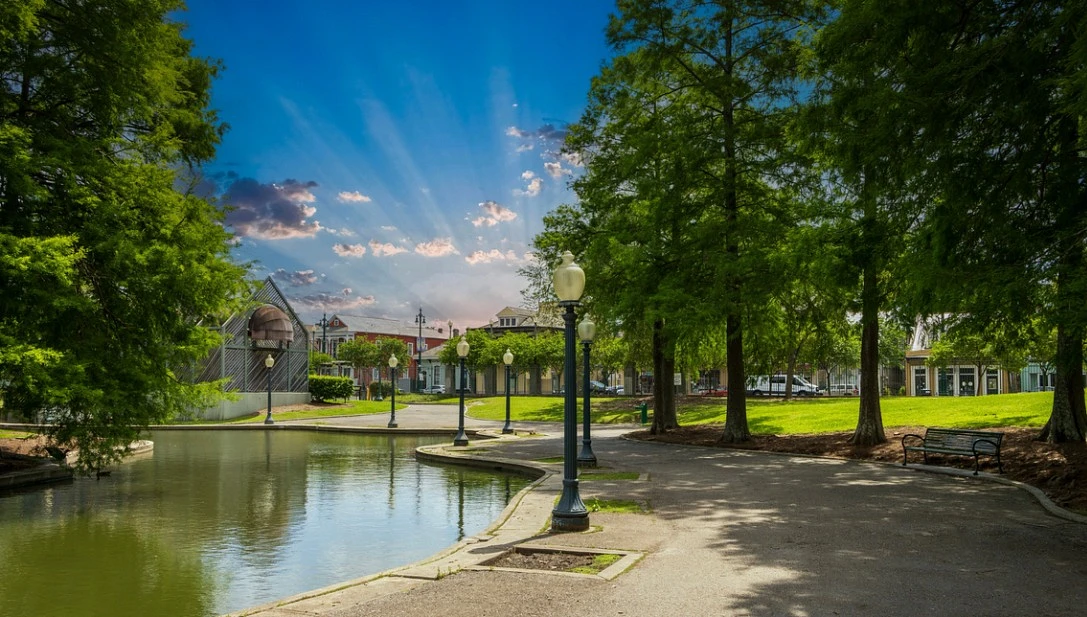
Spring means festival season is starting, and Louisiana doesn't do anything halfway. The weather finally lets up—winter’s mild but persistent hold giving way to temperatures in the 70s and 80s. You'll still sweat. It's just more manageable.
Depending on the year, March can still have a bit of Mardi Gras energy. The big New Orleans parades might be over, but smaller towns keep the party going. Lafayette and Lake Charles host their own events, which are often way more laid-back and less of a mob scene than the Big Easy.
Then April arrives. The entire state practically erupts in azaleas. New Orleans gets taken over by Jazz Fest for the last weekend of April and the first of May. It’s two weekends of massive crowds and music pulling people from all over. Planning is essential; hotels require booking months in advance, and their rates go sky-high.
Meanwhile, each April, Lafayette holds the Festival International de Louisiane. It stands out because it’s free—a rarity for a festival of its scale. For five days, downtown Lafayette becomes a hub for global music, food, and people. No ticket required.
May starts heating up. By the end of the month, you're looking at summer conditions. But early May works well—still comfortable enough to walk around during the day, and the bugs haven't reached their final form yet.
Why Spring Works
Summer here is brutal if you're not local. Spring, however, lets you actually go outside. The weather becomes tolerable for a swamp tour or a walk through the Quarter. You can explore old plantations without that melting sensation.
This is also when the food scene hits its peak. Crawfish season runs from January, but it truly kicks off from March through May. Every restaurant, hole-in-the-wall spot, and backyard gathering starts boiling pounds of crawfish. For a seafood fan, it's the absolute best time to visit.
Be aware that March brings the spring break crowds, especially in New Orleans. The city fills with college kids. This shift in atmosphere changes the vibe, for better or worse, depending on what you're looking for.
Summer in Louisiana
June Through August
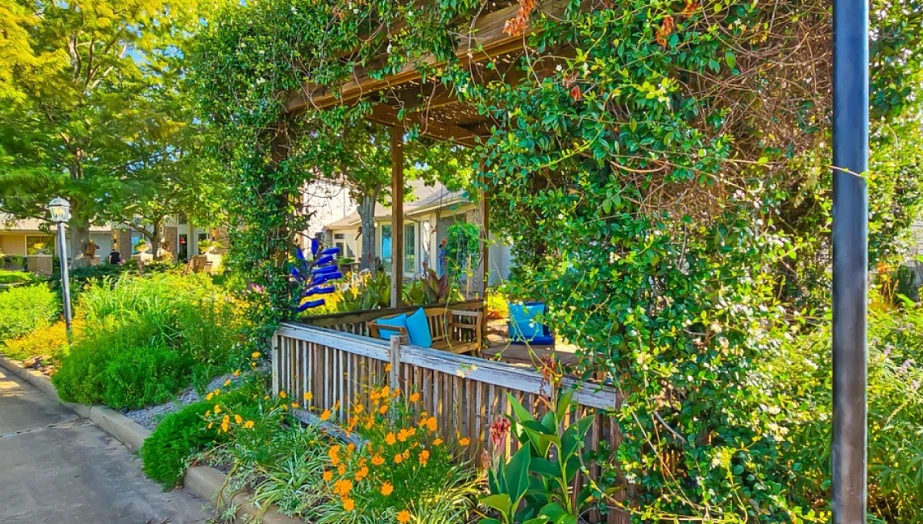
Summer here is brutal. Let's be real. The thermometer parks in the 90s. Humidity? The air's so thick you're basically drinking it. Then, out of nowhere, those afternoon thunderstorms just explode.
But this is also when the place truly wakes up. Locals know the drill. You adapt. Slow your roll. Hydrate constantly. Just embrace the perpetual dampness.
Everyone migrates toward the Gulf. Grand Isle, Holly Beach, the barrier islands—all packed with families. That water is warm, sure, sometimes borderline bathwater. Still, it's a solid alternative to roasting on land.
Hotel prices tank hard. Places that are dead empty otherwise get desperate and slash rates. New Orleans is full of deals. You're trading dollars for dignity, though. A walk through the French Quarter in a July afternoon is pure punishment.
The Hurricane Factor
Summer in Louisiana always involves hurricanes. The season officially starts June 1, but the real action—most storms—kicks in from August through October. Some years, zilch. Other years, they unleash Katrina, Ida, Laura... storms that devastate.
Book travel then, and you're signing up for uncertainty. Flights get axed. Hotels shutter. Entire regions clear out. That travel insurance? It goes from background noise to something you actually need.
Why Some People Still Visit in Summer
School's out. That means families gotta travel when possible, and summer vacation is it. Going to Louisiana in summer is better than not going at all.
The festival scene keeps going. Essence Fest, for instance, pulls tens of thousands into New Orleans every July. It's a hub for Black music and culture, featuring huge concerts and other events. You'll wanna book your stay way in advance, even with the heat.
Here's the upside for your wallet: you'll save. Summer delivers lower prices if you're on a budget. Just know the weather is a trade-off. Heat? Oppressive. Prepare to sweat.
Fall in Louisiana
September Through November
September is technically summer. The calendar lies. Expect highs of 85-90°F with relentless humidity. Hurricane season also peaks now, increasing travel risks.
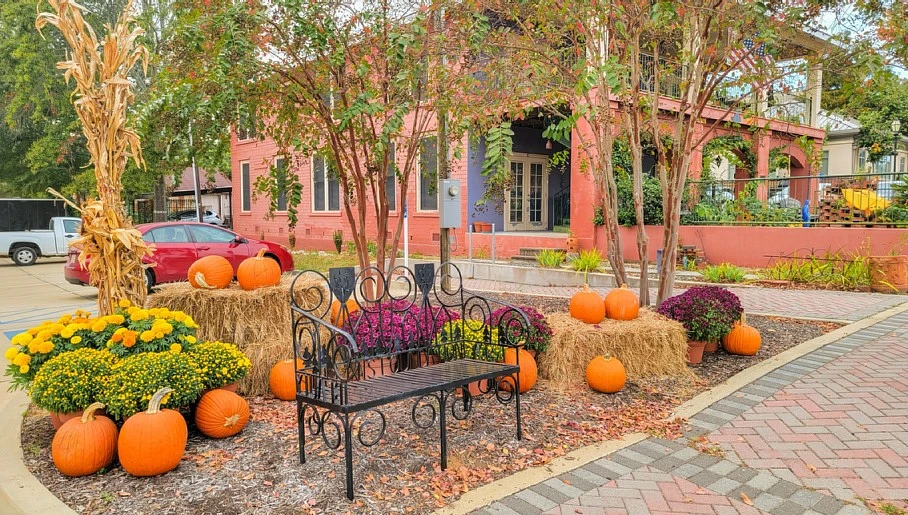
October offers a break. Thermometers dip into the 70s and 80s. The oppressive air loosens its grip. By Louisiana standards, that's practically perfect. Halloween in New Orleans is a major production. The city fully commits to costume parties, with events spanning weeks.
November could be the state's best-kept secret. Conditions stabilize in the 70s. Rainfall dwindles. Hurricane season concludes on the 30th. Thanksgiving here involves deep-frying turkeys outdoors, fierce football rivalries, and meals that represent the local cultural blend.
Festival Season Continues
Louisiana is festival-obsessed. Take the Festivals Acadiens et Créoles in Lafayette every October. It’s free. The event takes over Girard Park for a full weekend, a genuine celebration of Cajun and Creole culture through music, food, and crafts.
Then you have the gumbo festivals. They pop up everywhere. Bridge City holds a cook-off. New Iberia has one, too. Small towns essentially compete for the crown, and you get to fuel your way through the rivalry.
Also in October, the New Orleans Film Festival screens independent work across the city. It operates on a smaller scale than the major festivals, true, but its carefully curated lineup is the main draw.
Why Fall Attracts Visitors
Fall offers a break. Summer's harshness fades, and winter's uncertainty hasn't yet begun. It’s a prime time to be outside and actually enjoy it.
Football is back. In Baton Rouge, an LSU game is its own world. Tailgates spring up days in advance. The fanbase rides a wave of euphoric highs and gut-wrenching lows with every play. The atmosphere is deafening, a different beast from most college towns. Securing a ticket for a major matchup takes strategy. But even lesser games pull in a huge, dedicated crowd.
Speaking of comebacks, oyster season returns in the fall. The summer ban lifts. Restaurants pounce, featuring the newly available oysters on menus. If you’re a fan of raw oysters, this is your moment. The plump, briny bounty is back.
Winter in Louisiana
December Through February
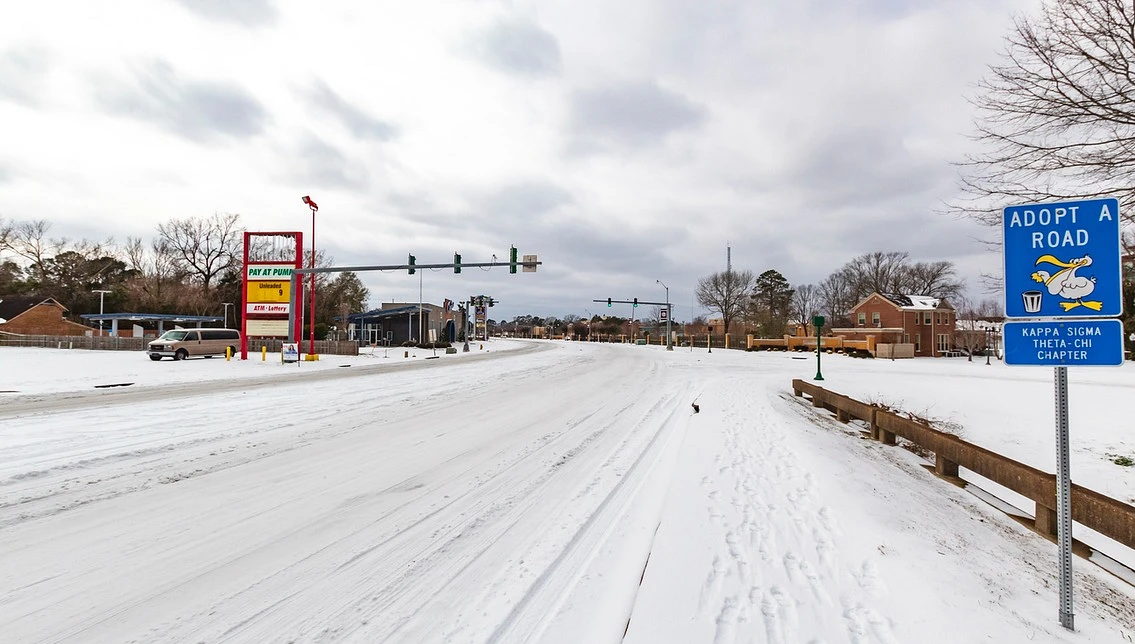
A Louisiana winter hovers in the 50s and 60s, sometimes hitting the 40s. That’s all it takes for locals to break out the puffy coats as if it’s a deep freeze. Meanwhile, northern visitors might just wear a t-shirt.
Expect more rain. It doesn't pour daily, but a decent rain jacket isn't optional. These showers often come with cold fronts. They blow in, chill things out for a bit, then retreat.
December shifts the focus to celebration. New Orleans strings lights through the French Quarter. The city revives its Reveillon tradition—those multi-course meals at places like Antoine's or Arnaud's. For a different pace, plantation homes open for tours, all decked out for the holidays. The festive atmosphere pops up between the cold fronts.
Mardi Gras Season
A Louisiana winter means one thing: Mardi Gras kicks off on January 6th. The endpoint, Fat Tuesday, shifts with Easter's calendar. So you might get a February festival or one that bleeds into March.
Forget quiet winters. This season is parades. It's parties. It's a specific, glorious chaos. New Orleans throws the main event, sure. But drive through any Louisiana town and you'll find their own spin on the tradition. Mobile claims the oldest celebration, fine. But Louisiana? They scaled it up, perfected the spectacle.
Parade dates? Locked in months before. The krewes organizing them operate on generational knowledge. Catching throws from a float, splitting a king cake, day-drinking at noon—it's not just allowed. It's the whole point.
Come Mardi Gras week, hotel rates skyrocket. To dodge the worst price-gouging, book half a year out, minimum. That final stretch before Fat Tuesday? New Orleans doesn't sleep. The city becomes a single, packed block party, crowds six-deep, a constant, muffled beat from the next parade.
Why Winter Appeals to Visitors
Skip the heat—that's winter's big draw. Stroll, explore, move about without that punished feeling.
Cultural events rule the schedule. Mardi Gras, food fests, holiday bashes—something's always going down.
Prices outside Mardi Gras week stay decent. December and January are quieter, so hotel deals improve and restaurants aren't as crowded.
❓FAQ❓
Are there must-visit music venues open year-round in New Orleans?
The Spotted Cat Music Club and Preservation Hall have you covered with regular performances. Their calendars are packed year-round.
Does Louisiana have unique cultural events outside of major festivals?
Consider the Courir de Mardi Gras, the Cajun Mardi Gras celebrated in rural towns. Or seek out a zydeco dance night. These events are the real deal, operating far off the main tourist trail.
What are the best ways to avoid mosquitoes during outdoor activities?
Timing a visit for the cooler, drier spring or fall months is your best move. When you go out, use a reliable insect repellent. Also, wear long sleeves and pants in light colors.