








🎯Too Long; Didn’t Read
-
Vegas gambling? Target October, November, March, or April.
-
Skiing? December to March.
-
Pool parties? Late May through September, but June and September beat July and August's brutal heat.
-
Exploring the outdoors? Spring and fall, obviously.
Money talks.
-
Summer and winter (skip the holidays) often have lower prices.
-
Fall? Premium season.
-
Spring is moderately priced.
Crowds impact your vibe.
-
January, February, and August are the least busy in Vegas.
-
March, October, November, and holidays are swamped.
-
Summer weekends remain hectic, heat be damned.
Nevada's tough to sum up. It sprawls over 110,000 square miles—deserts, mountain ranges, and whatever's in the mix. Timing your visit? That's all about what you're into and where you're headed.
Understanding Nevada's Climate Zones
Thanks to the Sierra Nevada's rain shadow, Nevada stays mostly dry—most of the state sees under 10 inches of rain yearly. Elevation shifts the entire dynamic.
Down south in the Mojave Desert, like Las Vegas and the basin, summers regularly hit 100°F and often push 115°F. Up north around Reno and Lake Tahoe, you get four distinct seasons: snow, rain, and temperatures that won't scorch you.
Elevation swings from under 500 feet along the Colorado River to over 13,000 feet at Boundary Peak. That spread spawns microclimates statewide.
Spring: March Through May
Weather Patterns
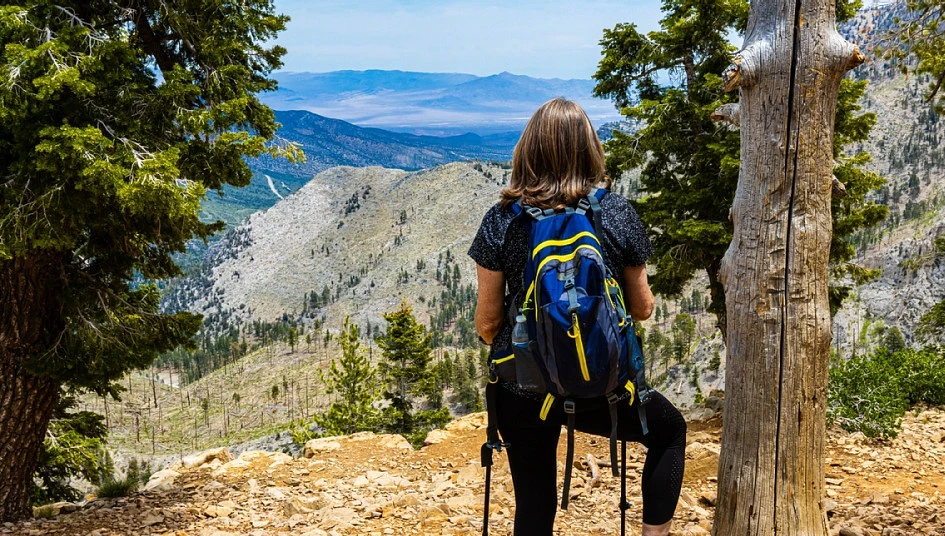
Spring finally shakes off winter's bite. No brutal summer heat yet. March in Las Vegas? Days hang out near 70°F, but nights still drop into the 50s—that leftover winter vibe. Push to May, and Vegas temps climb into the mid-80s, while Reno stays cooler in the 70s.
Up north in Nevada, don’t be shocked by March snow, especially up high. The real shift hits in April. If we get lucky with rain, the desert puts on a wildflower show. That’s your signal. You can finally be outside—comfortably—without facing an instant freeze or sweltering heat.
Why Visit in Spring
Crowds evaporate after spring break. You get the Strip back—no more fighting tourist hordes or wilting in the heat. Hotel prices nosedive.
Decent winter rains work magic out in the desert. Wildflowers punch through the dust. Suddenly, the trek to Valley of Fire or Red Rock Canyon feels totally worth it.
March kicks off pool season. Resorts flip the gates open. That first dip, though? Brutal. You might need some liquid courage for that.
Potential Drawbacks
Spring wind in Nevada isn't a gentle breeze. It's a force. Gusts hit 40, even 50 miles per hour. They whip up dust storms that can close major highways. Being outside becomes a chore, frankly miserable.
Rain chances increase slightly in March and April. But this is Nevada. "More likely" remains pretty darn unlikely. However, when it finally does pour, the desert can't absorb it. Dry ground turns into a torrent without warning. These flash floods are no joke—they are serious and dangerous.
Summer: June Through August

The Heat Situation
Summer in southern Nevada is harsh. No way to soften that. Las Vegas temperatures June to August consistently exceed 100°F. July and August average 104°F. Pavement soaks up that heat, reaching a scorching 160°F. Step into a rental car and you'll find a baked interior.
Head north to Reno and things improve. Temperatures in the 90s feel almost refreshing next to Vegas. For genuine relief, Lake Tahoe offers 70s and 80s. It's the obvious escape.
Why People Still Come
Vegas hotel prices plummet in the summer. It’s simple: the demand drops when the heat soars. You can snag a room for a fraction of its spring or fall cost.
The city’s rhythm shifts. Locals reclaim the city after dark. Dayclubs host pulsing pool parties. To cope, brunch stretches toward noon, followed by a necessary nap when the sun is relentless. The city only truly revives post-7 PM.
Meanwhile, Lake Tahoe hits its peak. Activities shift to the water and trails—think kayaking, hiking, biking. By August, the lake reaches a comfortable 68 degrees. The Nevada shore provides casinos, and you avoid California's tax rates.
Who Should Avoid Summer
Heat-sensitive? Traveling with small kids? Planning lots of outdoor exploration? Nevada in summer isn't for you. If your trip involves hiking Red Rock Canyon or exploring ghost towns, the heat will ruin you. Air conditioning costs money, and many attractions don't have it.
Some outdoor festivals and events shut down completely. Even locals flee to California or higher elevations to escape.
Fall: September Through November
The Sweet Spot
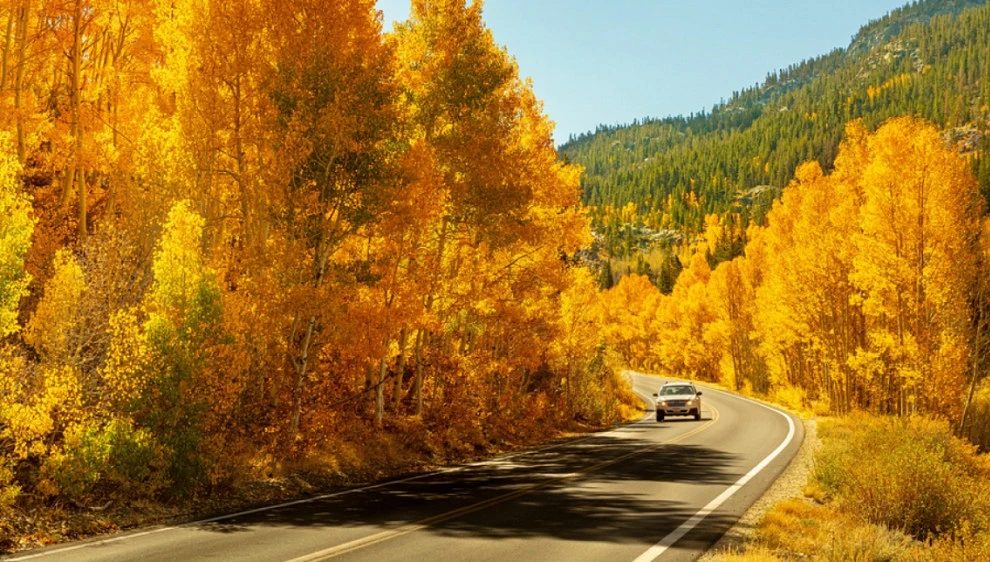
Nevada's prime months? September through November. The summer heat finally chills out. Vegas thermometers hit the 90s in September, then drop to the 70s by November. Reno mirrors that, sliding from the 80s down to the 60s.
The shift from oppressive to comfortable weather is speedy. Mid-October means you can plan daytime stuff without stressing about heat stroke.
Events and Conventions
Conventions return to Las Vegas in the fall. The city wakes up. Hotel rates climb, that's a given, but the energy comes back. Places to eat, shuttered for summer remodels, unlock their doors. Shows get bigger, louder.
Then October hits with the Life After Dark festival downtown. And November brought Formula 1 racing. Sure, that event sent prices skyrocketing everywhere. A trade-off for the buzz.
Considerations
November's chill is undeniable after dark. Northern Nevada braces for early snow. Up at Lake Tahoe, the ski resorts eye the forecast; a cold Thanksgiving can mean lifts running by the holiday.
Down in Vegas, fall is for massive conventions. The city gets taken over. SEMA, the huge automotive show, occupies everything every November. CES also cycles through this season. When these events hit, good luck finding a rental car. Hotel prices don't just climb—they skyrocket.
Winter: December Through February
Two Different Nevadas
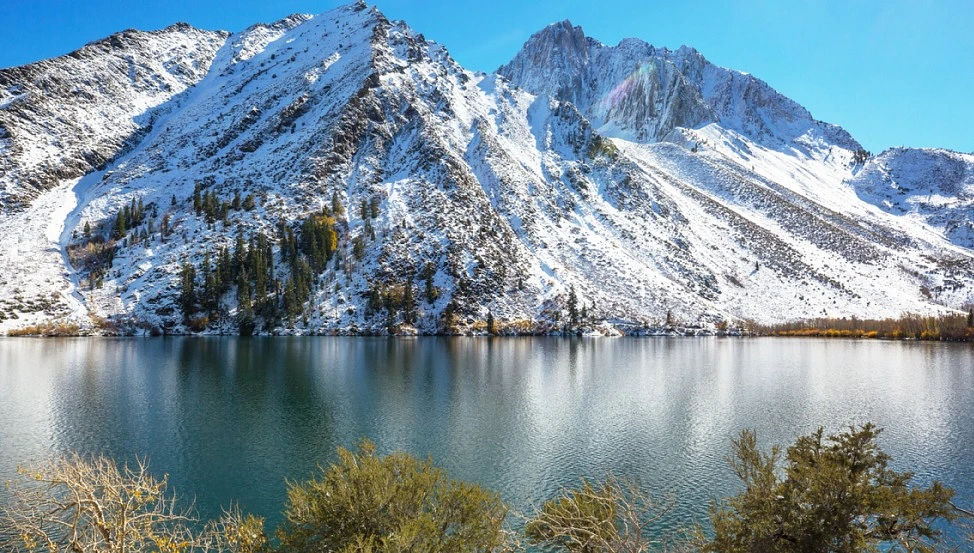
Winter reshapes the state. In Las Vegas, expect mild days in the 60s, nights in the 40s. Bring a jacket once the sun drops. It's prime time for golf or just strolling the Strip.
Head north, and things shift. Reno chills out with 40s, 50s, and the odd snowfall. Up in the mountains, Lake Tahoe becomes a ski hub. Resorts like Heavenly, Diamond Peak, and Mt. Rose are all on the Nevada side.
Holiday Season
December in Vegas gets a major holiday boost. Hotels go all out with decorations, and shows feature festive specials. New Year's Eve is pure madness—the Strip shuts down to traffic, and crowds pack downtown and the main drag. Hotel rates jump to three or four times the usual.
Come January and February, it's dead quiet. The post-holiday slump means you can snag deals and have room to spare.
Winter Sports
Skiing or snowboarding? The Nevada side of Tahoe carves out its own lane. It's typically quieter and cheaper than the California spots. You can hit the slopes, then hit the tables—if that's your thing. For the most reliable snow, aim for February or March. Conditions peak then.
Drawbacks
Don't be fooled by the neon. A real winter can wallop Vegas. Snow is rare, true, but it does dust the Strip every several years. And the city? It basically freezes up. Traffic snarls into gridlock. Fender-benders multiply. Flights sit on the tarmac.
Heading for the hills? Those mountain passes between northern and southern Nevada, or the routes into California, don't mess around. A serious storm rolls in, and they just close. Your travel plans get messy, fast.
Major Events Throughout the Year
Should Events Drive Your Planning?
Planning a trip to Vegas or Reno? Your experience hinges entirely on the local event schedule.
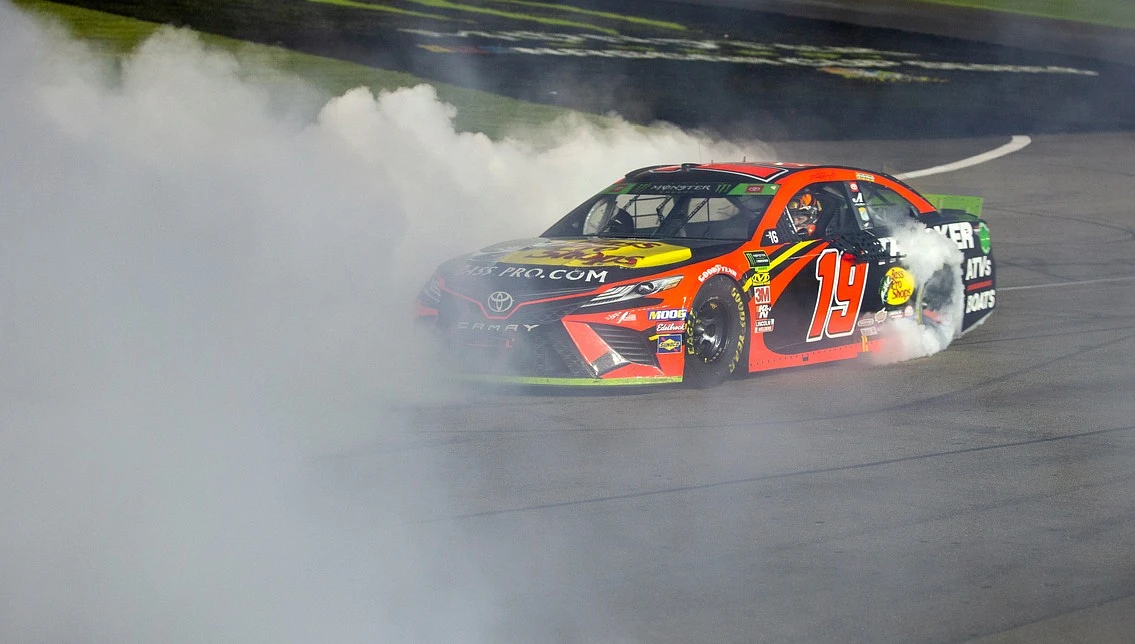
EDC transforms Las Vegas every May. Then there's NASCAR in March. Come December, the National Finals Rodeo takes over. When these events hit, hotel availability plummets. Rates skyrocket.
For northern Nevada, Burning Man is the main event. It happens late August out in the Black Rock Desert. The impact hits Reno hard. Hotels sell out. The rental car supply dries up. You will pay a premium for everything.
Sporting Events
Vegas operates on pro sports now. The Raiders handle the NFL season, from fall into winter. Then the Golden Knights take over, on the ice from October. Their run can stretch deep into June if they make a playoff push. For the summer, there are the Aces.
A random Tuesday game won't wreck your budget. But a playoff series or a huge matchup? That's a different story. These events don't typically cause massive price spikes. Instead, they just feed the city's constant buzz.
Geographic Considerations
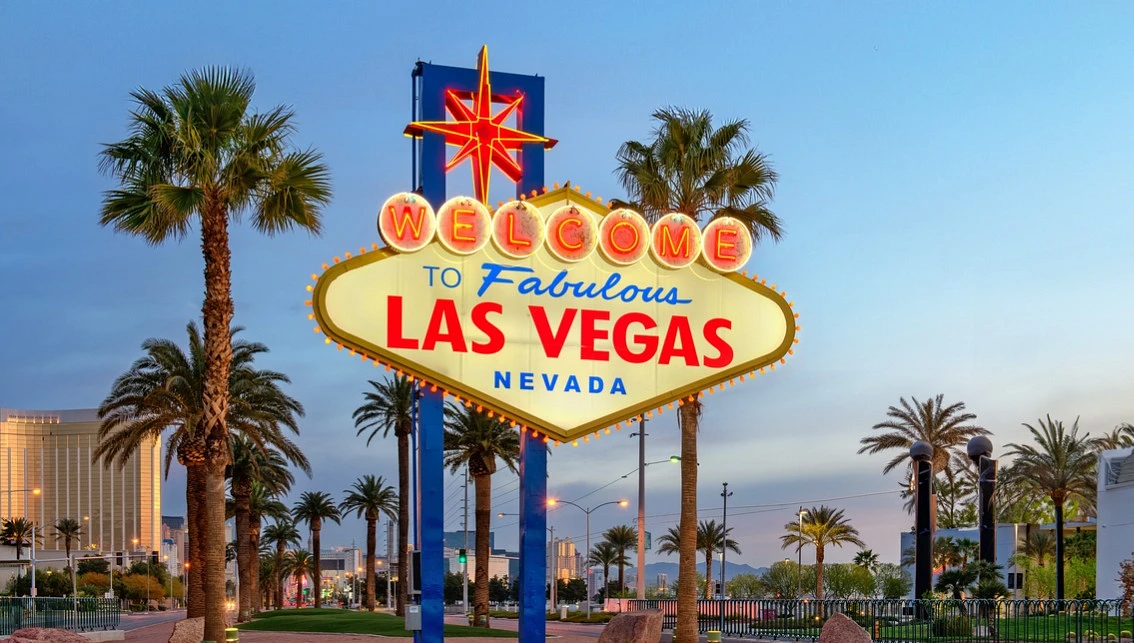
Las Vegas and Southern Nevada
Most visitors to Nevada target Las Vegas. The city thrives on tourism constantly, even as the summer heat thins the crowds.
Beyond the Strip, southern Nevada holds its own. You've got Red Rock Canyon, Valley of Fire, Lake Mead, and the Hoover Dam. These spots are perfect from October to April. Summer turns them hazardous.
Then there's Death Valley, just skimming Nevada's southern border. Forget going from June to September. It's simply not an option.
Reno and Northern Nevada
Reno digs the "Biggest Little City" label. Its vibe is nothing like Vegas—skip the glitz, this place is a base camp. The real draw is the access: you're practically at the doorstep of Lake Tahoe and the Sierra Nevada.
Come summer, hit the trails or the lake. Winter means it's time for the slopes. For those who prefer quieter visits, spring and fall deliver mild temps after the crowds thin out.
Lake Tahoe
This lake divides California and Nevada. On the Nevada side, Stateline and Incline Village pack casinos right next to mountain recreation.
Seasons shift sharply: winter (December-March) means skiing dominates. Summer (June-September) turns attention to the lake. Spring and fall? Shoulder seasons. Weather can be unpredictable, but you'll snag great deals.
The Middle of Nowhere
Forget the Vegas strip. Nevada's real backbone is its high desert—empty spaces dotted with towns like Ely, Tonopah, and Elko. They feel a world away from all that glitz.
Weather here follows a northern pattern. Think cold winters, hot summers. The sweet spots are spring and fall.
You can chase aliens on the Extraterrestrial Highway anytime. Just know the summer sun is brutal. For the ghost towns scattered everywhere, stick to those milder shoulder seasons. Exploration is simply better then.
❓FAQ❓
What is the best time to visit Nevada’s desert for photography?
Spring. You'll catch the wildflower bloom and softer light. A major bonus? The crowds thin out compared to peak season.
Are there any safety tips for exploring Nevada’s outdoors in spring or fall?
Yes. Watch for intense desert winds; they kick up dust storms. Also, keep an eye on the sky. Those rare desert rains can trigger flash floods without much warning.
How does Nevada’s altitude affect travel plans?
It's significant. Head to higher spots like Lake Tahoe, and you'll find cooler temps. Winter brings snow, which can shut down roads and limit what you're able to do. Pack accordingly.