








TL;DR
-
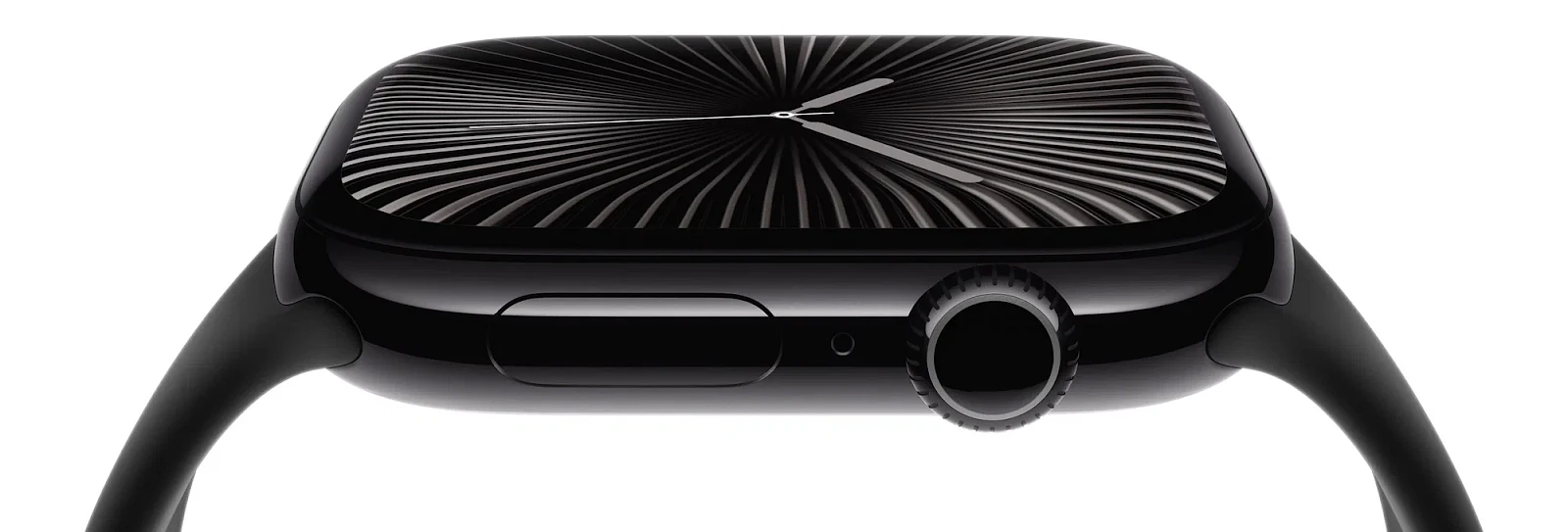
For iPhone owners, a good choice is Apple Watch Series 11. It links easily with iOS, has advanced health features, and battery lasts 24 to 30 hours.
-
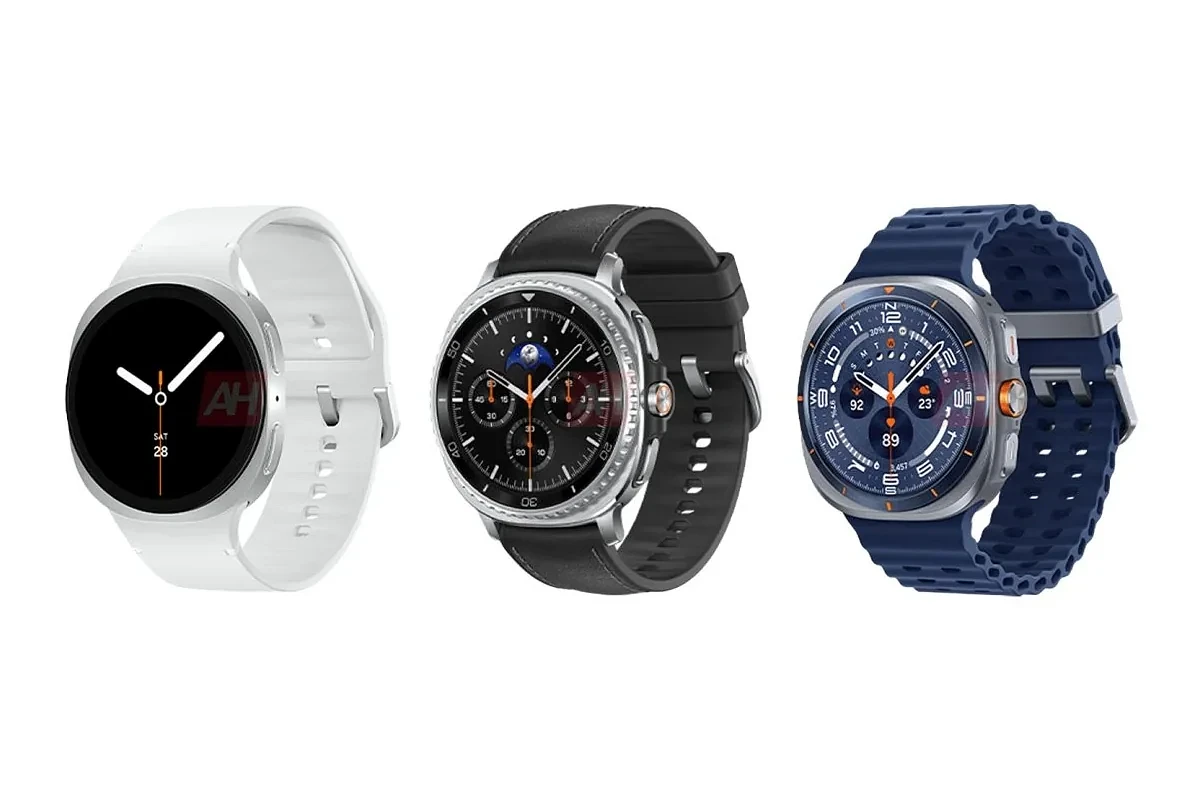
Android users might like Samsung Galaxy Watch 8 Classic. It has a useful rotating bezel design, includes Google Gemini AI, and gets 30 hours on a charge with its always-on display.
-
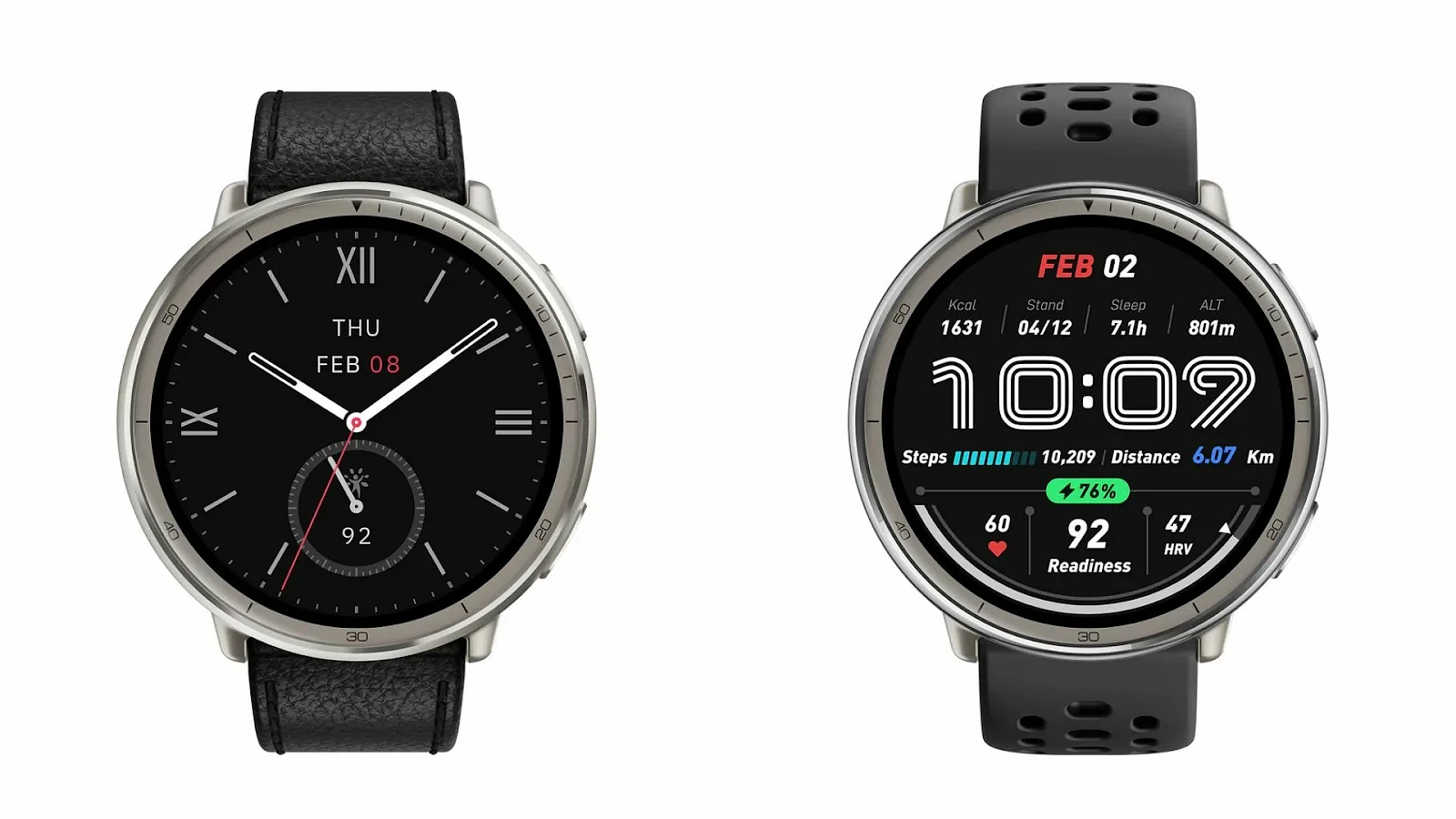
If you’re watching your budget, consider Amazfit Active 2. It costs just $99 and battery can go for 10 days. It works with both major phone platforms.
-
For serious fitness, you’ll want a watch with built-in GPS and a battery that lasts over 5 days. That’s key for long outdoor sessions.
-
Health monitoring needs certain tools. Look for models that include ECG, blood oxygen sensors, and sleep apnea detection.
-
Need the longest battery? Hybrid smartwatches or brands focused on fitness, like Garmin, are your solution. They often reach 7 days or more.
-
For pure stamina, some fitness-focused brands and hybrid models are standout options. Their week-long battery is a major benefit.
-
Getting the right balance of features is important. A long-lasting battery means less charging hassle.
Define Your Smartwatch Needs
Let your main goal shape which watch you pick. Maybe you are training for a marathon and need really precise GPS. Or perhaps you just want to handle messages without always checking a phone. Another reason could be monitoring health stats on a doctor’s orders.
No single smartwatch works for everyone. If you use an iPhone, an Apple Watch is king of the hill and offers a huge range of apps. Android users often prefer Samsung models, which feature clever navigation like a rotating bezel. Watching your budget? Brands like Amazfit give you amazing battery life and reliable health tracking, though you do lose out on some high-end features. It’s a clear case of getting what you pay for.
Consider these questions before shopping:
-
What's your main motivation for buying a smartwatch?
-
How often do you want to charge it?
-
Which smartphone do you use?
-
What's your maximum budget?
-
Do you prefer larger or smaller watch faces?
Smartphone Compatibility is Everything
Think of your phone as a key. Want an Apple Watch? You need an iPhone. That’s just how it works. No way around it.
On Android, things are looser. A Samsung watch likes a Samsung phone best, but it will still work with others. Just don’t expect every feature. Wear OS from Google pairs with many Android devices, though performance can be uneven.
Then there are brands like Amazfit, Garmin, and Fitbit. They work with iOS and Android. This flexibility has a trade-off. You usually get strong battery life and durability, but fewer smart features. Notifications are basic, and deep phone integration is limited. It’s a different choice, not necessarily a better one.
Compatibility Quick Check:
-
iPhone users: Apple Watch, Garmin, Fitbit, or Amazfit
-
Samsung phone users: Galaxy Watch (best), Wear OS watches, or cross-platform options
-
Other Android users: Wear OS watches, cross-platform fitness watches
-
Planning to switch phones soon: Consider how long you'll keep the watch
Must-Have Features & Health Sensors
Essential Health Monitoring: From Heart Rate to Sleep Apnea
Sensors in today's smartwatches are seriously advanced. Not long ago, this kind of tech was found only in hospitals. Heart rate tracking is common now, but its accuracy really depends on the situation. Optical sensors work fine for a steady jog. But they can struggle during hard workouts or with darker skin tones—that’s a known hardware issue.
For serious heart monitoring, ECG is serious business. It can catch irregular rhythms, such as atrial fibrillation. Apple and Samsung lead here. Their FDA-cleared algorithms are doing real lifesaving work. Blood oxygen sensing also became popular during the pandemic, though relying on it for diagnosis remains unwise.
Sleep analysis is now incredibly detailed. It goes beyond just total time asleep. Newer models break down sleep stages, track breathing, and can even warn about potential apnea. Recent Apple Watch tests flag hypertension. Samsung's newest model offers vascular age and antioxidant readings—but medical value of those is still unknown.
Other features include temperature sensing for fevers or cycle tracking. Some even measure stress through heart rate variability. This is all compelling information, without a doubt. But remember: you should still listen to your doctor, not your wrist.
Fitness & GPS Tracking for Active Lifestyles
A serious fitness watch needs built-in GPS. Using your phone for GPS is just a hassle. It drains your phone battery and forces you to carry it. Route data also loses precision. You end up with a fuzzy breadcrumb trail instead of a sharp map.
Modern chips use multiple satellite systems like GPS, GLONASS, and Galileo. This finds a signal faster. Multi-band GPS is a high-end upgrade. It really helps in cities or thick woods, where standard signals get confused by buildings and trees.
Workout modes show a watch's purpose. Basics cover running and swimming. But if you train for specific sports, you need support for 100+ activities, like rock climbing or paddleboarding. Some models even auto-detect your workout, so it starts automatically.
Water resistance ratings are tricky. A 5 ATM rating works for pool swimming. For snorkeling or diving, you need 10 ATM or more. Don't assume "water-resistant" means much. Always check a manufacturer's fine print to see what is actually guaranteed for water sports.
Smart Features: Staying Connected
Your smartwatch's true value depends on managing notifications well. A good model lets you pick which apps send alerts, display message previews, and enable fast replies with text or voice.
Voice assistants are actually helpful now. Siri works smoothly on Apple Watch. Google's Gemini AI powers recent Samsung wearables. Amazon Alexa is available on some Fitbit and Garmin devices.
NFC payments mean you can leave your wallet behind for small purchases. Just use Apple Pay or Google Pay. Keep in mind, bank support isn't always consistent. It changes based on your location and watch type.
Music features have come a long way. Instead of just remote control, you can store a whole library on your wrist. Spotify and YouTube Music allow offline downloads on compatible watches. That's a big plus for phone-free workouts.
Design, Comfort, and Customization
Picking a watch size is about balance. You want a useful screen that still feels good on your wrist. A 40 to 42mm case suits smaller arms. Bigger frames can handle something from 44 to 49mm. More screen is great, but you might lose all-day comfort.
Your choice of materials changes everything. Aluminum finds a nice middle ground—it’s light yet tough enough for day-to-day use. Stainless steel offers a solid, premium feel, though it adds noticeable weight. For a top-tier design, titanium is strong and remarkably light. That upgrade does cost more.
An always-on display is handy; just glance to see the time. Expect a trade-off with battery life, though. AMOLED screens provide great color and deep blacks. LCDs, in contrast, are typically more readable in direct sunlight and tend to use less power.
Battery Life and Charging Practicality
Battery life unquestionably sets watches apart. Think about a typical Apple or Samsung smartwatch. It needs charging daily, maybe 30 hours total. Turn on GPS or an always-on screen, and you'll need an outlet well before bedtime.
Now, consider a Garmin or Amazfit fitness watch. Built for the long haul, these devices skip some smart functions. That means they get 5 to 14 days from one charge. This enduring power is perfect for a week-long trek or when you're far from any plug.
That kind of battery performance sets a new benchmark. It shows a clear choice between daily convenience and lasting power.
How you charge a watch also affects your day. Magnetic pucks are fast and simple. Clip-on cables can be annoying. Wireless pads are easy—just drop it and go—but they’re slower than a plug. A handful of models, like some Garmins, even include solar charging. Give them enough sun, and they could run forever, which is a massive plus for long trips outdoors.
Setting a Realistic Budget
Budget Tier ($50-$150):
Basic fitness tracking, simple notifications, 5+ day battery life. Examples include Amazfit Bip series, basic Fitbit models, and older Apple Watch SE versions. Perfect for fitness beginners or those wanting simple smartwatch features.
Mid-Range ($150-$400):
Comprehensive health sensors, GPS, good app selection, 2-5 day battery life. This sweet spot includes current Apple Watch SE, Samsung Galaxy Watch FE, and premium Amazfit models. Offers 80% of flagship features at 60% of the price.
Premium ($400+):
Latest health sensors, premium materials, extensive app ecosystems, advanced features like ECG and sleep apnea detection. Apple Watch Series 11, Samsung Galaxy Watch 8 Classic, and top-tier Garmin models justify their prices with cutting-edge technology and build quality.
Remember that smartwatch prices drop quickly. Last year's flagship often matches this year's mid-range features at a significant discount.
Top Smartwatch Picks for 2025
Apple Watch Series 11 (Best for iPhone Users) - $399+
-
Compatibility: iOS only
-
Battery Life: 24-30 hours
Key Features:
-
Hypertension notifications (new)
-
5G connectivity for phone-free usage
-
2x more scratch-resistant screen
-
Unmatched third-party app ecosystem
-
Seamless iPhone/Mac integration
Samsung Galaxy Watch 8 Classic (Best for Android Users) - $329+
-
Compatibility: Android only (best with Samsung phones)
-
Battery Life: Up to 30 hours with always-on display
Key Features:
-
Iconic rotating bezel navigation
-
Google Gemini AI assistant
-
Advanced health sensors (ECG, Vascular Load, Antioxidant Index)
-
Ultra-bright 3000 nits display
-
Premium stainless steel construction
Amazfit Active 2 (Best Value/Budget Pick) - $99
-
Compatibility: iOS & Android
-
Battery Life: Up to 10 days typical use
Key Features:
-
Exceptional value at $99 price point
-
1.32" AMOLED display
-
160+ workout modes with offline maps
-
5 ATM water resistance
-
Zepp Flow AI voice control
Final Verdict
First, figure out what actually works with your phone. Got an iPhone? An Apple Watch is the obvious move, unless battery life or your wallet says otherwise. Don't fight your ecosystem.
Next, be ruthless about features. List the top three you'll really use daily. If you're a regular swimmer, solid water resistance is essential; that single-lead ECG you'll try once? Forget it. Base choices on your actual life, not a fantasy version.
Budgeting needs to be smart. Factor in the extras—straps, protectors, maybe a warranty. And remember, these gadgets become obsolete fast. Last year's model is often a way sharper buy, giving you 90% of the features for half the price.
Finally, try it on if you can. A watch lives on your wrist; its weight and how the strap feels are personal. Reviews can't tell you that. Luckily, many shops have decent return policies for sizing, so use them.
FAQ
Can I use an Apple Watch with an Android phone?
No, Apple Watch requires an iPhone for setup and daily operation. Android users should consider Samsung Galaxy Watch, Wear OS alternatives, or cross-platform options like Garmin and Amazfit.
How accurate are smartwatch health metrics like ECG and heart rate?
Consumer smartwatches provide reasonably accurate data for fitness monitoring but shouldn't replace professional medical devices. FDA-approved features meet medical device standards but still require healthcare professional interpretation.
Is a smartwatch with LTE connectivity worth it?
LTE adds $10-15 monthly to your phone bill for independent calling and data access. It's valuable for phone-free workouts or constant reachability, but most users find WiFi connectivity sufficient.
What is the average lifespan of a smartwatch?
Quality smartwatches typically last 3-5 years with proper care, though battery degradation becomes noticeable after 2-3 years. Software support varies - Apple provides 5+ years of updates while some Android makers offer only 2-3 years.
Can I swim or shower with my water-resistant smartwatch?
5 ATM rating handles swimming and showering, while 10 ATM supports recreational diving. Hot showers can damage seals over time, and salt water requires immediate fresh water rinsing.